

I am Leo Levit, Chair of the ONVIF Board of Directors. At ISC West 2026, I am presenting three critical standardizations that will redefine how security installers & integrators build modern systems. We are moving beyond the legacy of on-premise hardware to solve the fragmentation of cloud systems, the threat of AI-driven media manipulation, and the lack of unified protocols for IP audio. If you are new to these standards, I recommend starting with our overview of what is ONVIF from ISC West 2025.
ONVIF Cloud Profile and Cloud Interoperability
Historically, ONVIF has done a fantastic job implementing interoperability for on-premise environments. We unified the language between physical security devices and systems. However, as the industry migrates to the cloud, we face a familiar problem: cloud-based systems often have to implement individual drivers to connect to different devices.
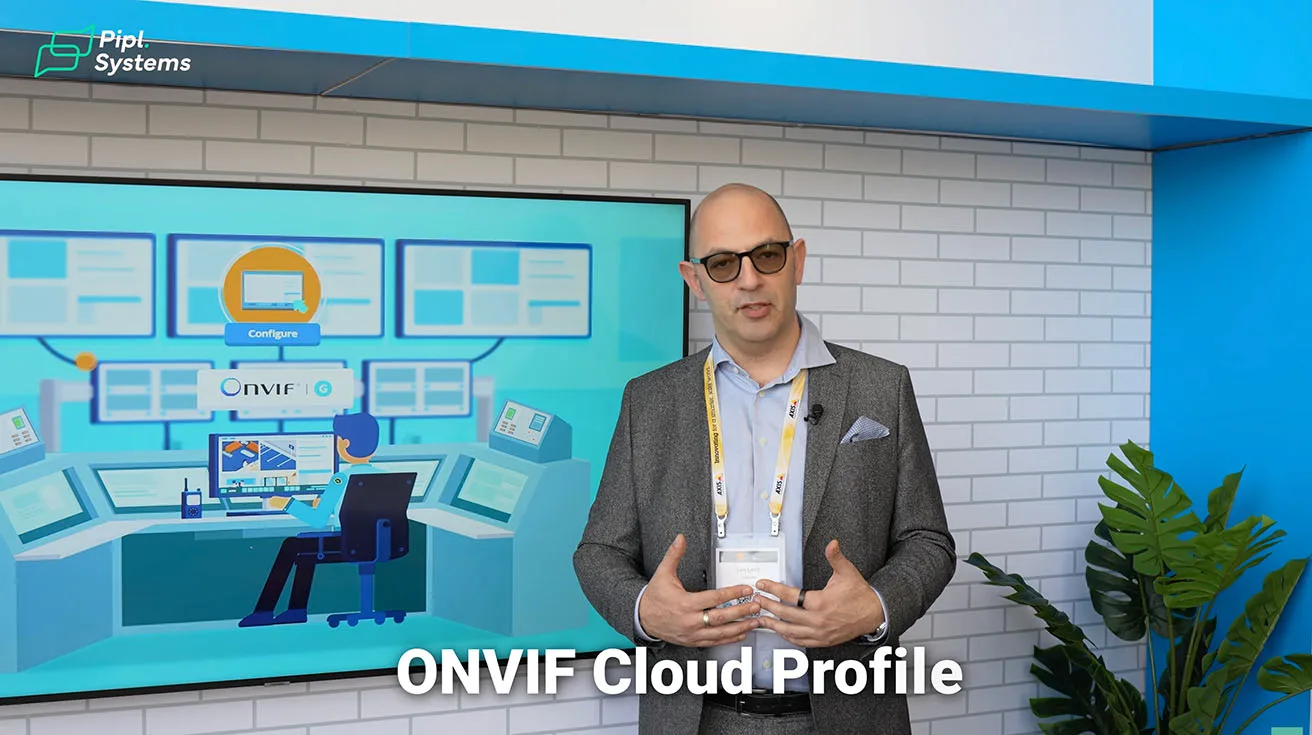
This is exactly what the ONVIF Cloud Profile is designed to overcome by defining a common language for connectivity between physical security cameras and cloud systems. We expect the Cloud Profile to be ready for implementation within the coming year. It is a vital step toward unifying communication, allowing cloud-based platforms to offer easy onboarding, standardized streaming, and reliable video storage. You can follow our progress on these developments in our report on the ONVIF All Committee Meetings.
Protecting Media Authenticity in the AI Era
With the rapid rise of AI tools, it has become incredibly easy and affordable to modify video footage. Imagine a security video that is altered as it passes from the sensor to the VMS or a viewing application. If that video is used as evidence in a court of law and its integrity is questioned, trust in the entire system collapses.
To protect the industry, we are introducing the ONVIF Media Authenticity initiative. Our goal is to protect the actual authenticity of the video by adding a unique digital signature directly from the sensor. This signature can be verified at any point throughout the entire lifecycle of the content. We will be releasing specifications for this functionality during 2026. Furthermore, we are providing open-source code via GitHub for both signing and verification to ensure maximum adoption. This level of forensic integrity is why you should never buy video surveillance without ONVIF support.
New ONVIF Audio Profile for IP Speakers
Digital audio speakers are increasingly becoming a standard part of modern security deployments. However, when these products were introduced, the industry fell into the same trap as it did with early IP cameras: there was no common way to connect these speakers to security systems like a VMS.
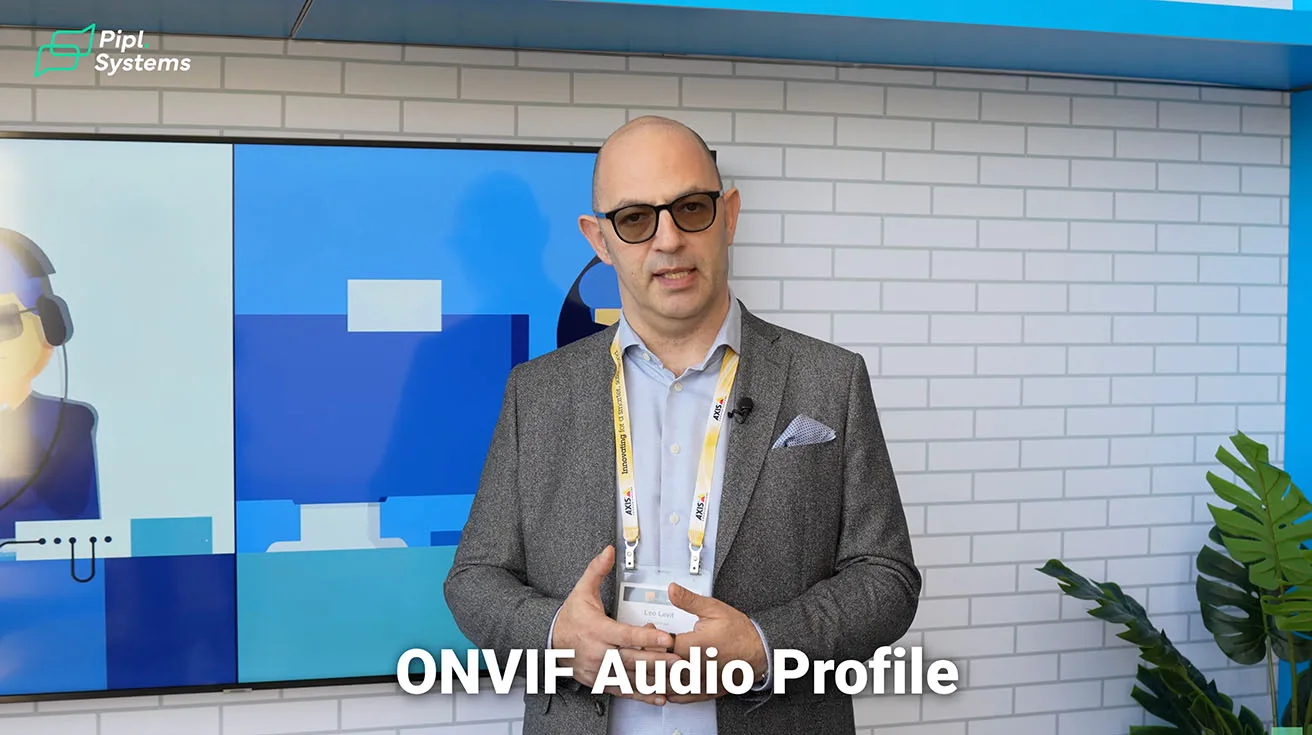
ONVIF is now working to unify communication for audio devices. We are introducing the ONVIF Audio Profile during this year. This profile defines the communication protocol for connectivity between an IP speaker and a video management system. It is a major milestone in our mission to increase interoperability for all types of security devices.
Want to see how ONVIF is standardizing the future of cloud security and media authenticity? Hit play below to watch our technical update from ISC West 2026.
Frequently Asked Questions (FAQ)
1. What is the ONVIF Cloud Profile and why does it matter?
The Cloud Profile is a new standard being finalized to provide a common language for connectivity between physical cameras and cloud management platforms. It eliminates the need for cloud providers to develop custom drivers for every brand, making device onboarding and storage management much faster.
2. How does ONVIF verify the authenticity of video evidence?
Through the Media Authenticity initiative, ONVIF adds a unique cryptographic digital signature directly at the camera sensor. This signature can be verified at any point in the video's lifecycle, proving the content has not been altered by AI or other editing tools.
3. Will the new media verification tools be open source?
Yes. To ensure maximum industry adoption and transparency, ONVIF is providing open-source code on GitHub for both the signing capabilities and the verification tools.
4. Why do IP speakers need their own ONVIF profile?
Currently, IP speakers often lack a unified communication protocol, leading to the same fragmentation early IP cameras faced. The new Audio Profile establishes a common language so that any compliant speaker can connect seamlessly to any compliant Video Management System (VMS).
5. When will the Cloud, Audio, and Authenticity profiles be available?
Specifications for the Media Authenticity initiative and the Audio Profile are scheduled for release during 2026. The Cloud Profile is also in the final stages of development for implementation in the coming year.
6. Does ONVIF work with third-party cloud systems?
Absolutely. The primary goal of the Cloud Profile is to foster interoperability between physical hardware and diverse third-party cloud architectures, moving away from proprietary "walled garden" systems.