

Key Takeaways: The success of a commercial physical security project depends more on the chosen integrator than on the installed hardware. Modern corporate defense relies on verifying legal licensing, manufacturer certifications, and specific vertical experience before deployment. Because modern security systems function as IT infrastructure, successful implementation requires integrators to possess comprehensive network knowledge and clear integration expertise. Long-term risk mitigation demands establishing definitive post-installation support agreements and validating strict NDAA compliance across all recommended equipment.
Most businesses that end up unhappy with their security system do not make that decision on purpose. Nobody wants to spend money on a system that fails to solve their problems or requires replacement just a few years later. After visiting numerous security projects across Canada and the United States, a clear pattern emerges. In many cases, the root problem is not the specific camera, access control system, or software. The issue starts much earlier when a business chooses the wrong company to design and implement the project.
Business owners consistently ask how to know who to trust, how to compare different proposals, and how to avoid expensive mistakes. To help answer these questions, here is a breakdown of the critical factors you should check before hiring a security integrator.

Verify Proper Licensing First
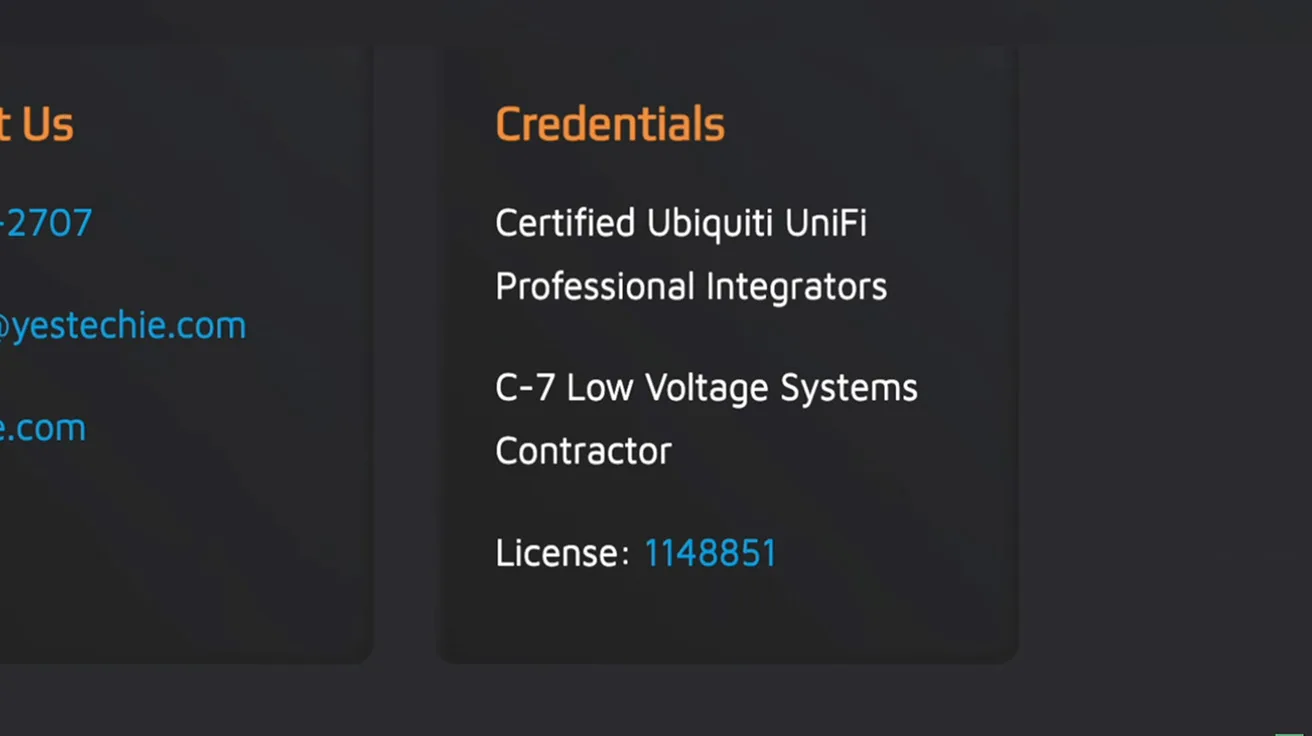
The very first thing you must check is licensing. Depending on where your specific project is located, security companies may need specific licenses to legally install surveillance systems, access control networks, or alarm systems. A professional company should have absolutely no problem showing you their license and clearly explaining exactly what it covers.
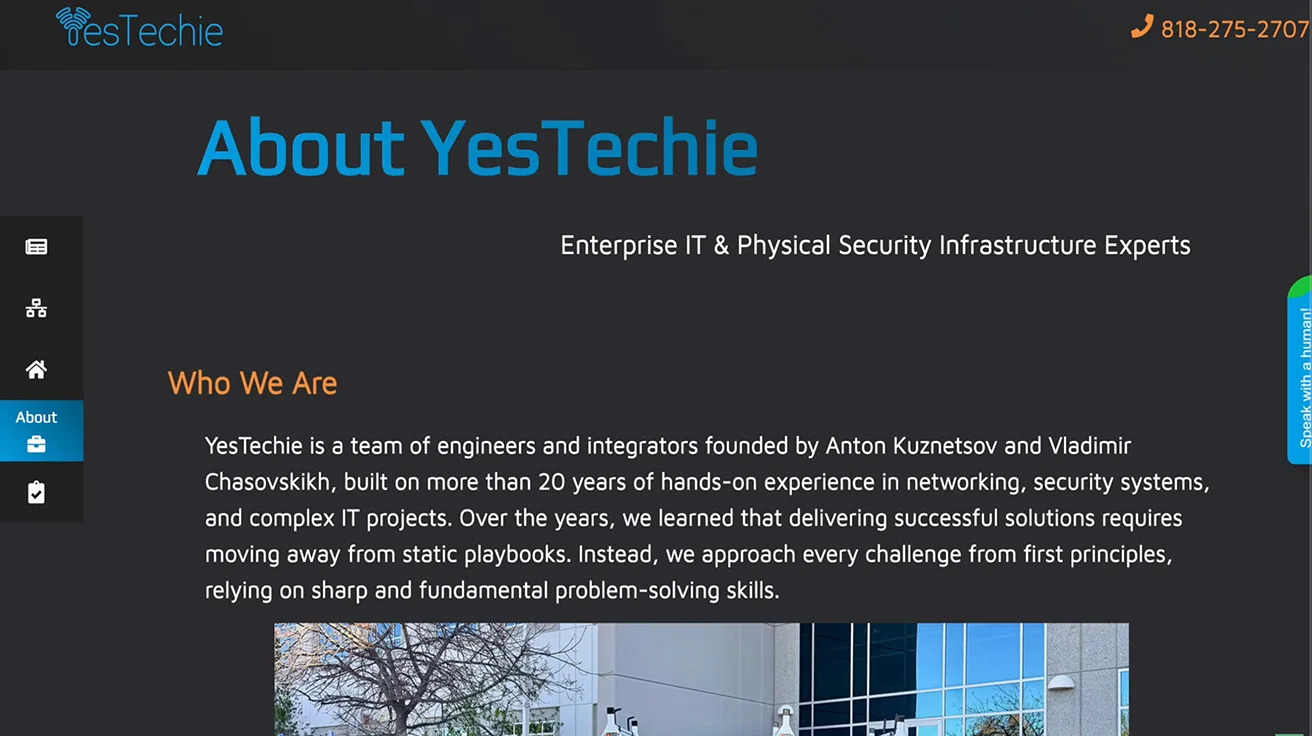
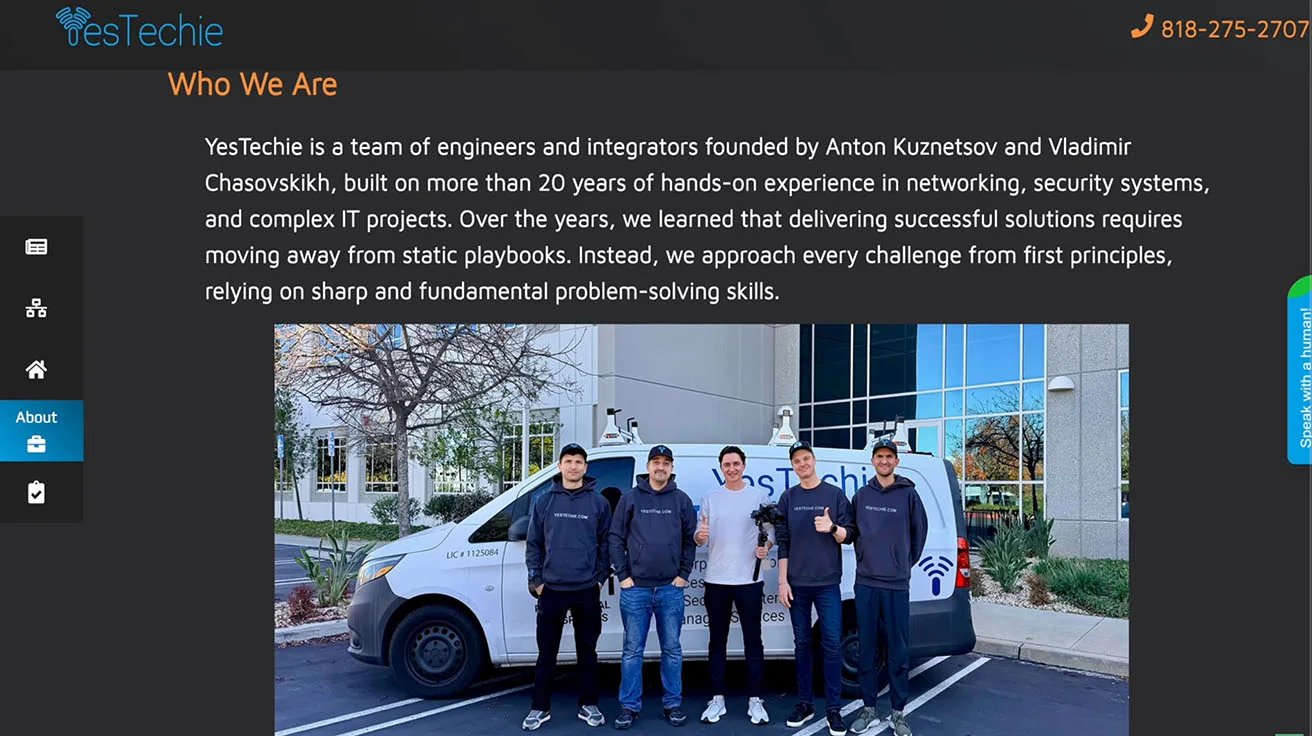
For example, YesTechie, an integrator in California, openly displays their C-7 low voltage systems contractor license directly on their website. This transparency allows customers to easily verify that information themselves. Before you even begin discussing camera models, software platforms, or project pricing, you must ensure the company is properly licensed to perform the proposed work.
1 / 3
Demand Manufacturer Certifications
While a license tells you that a company can legally perform the work, certifications tell you whether they actually understand the products they are recommending. Modern security systems are significantly more complex than they used to be. Elements like network configuration, API integrations, user permissions, push notifications, and deep software settings are often more important than the physical installation itself.
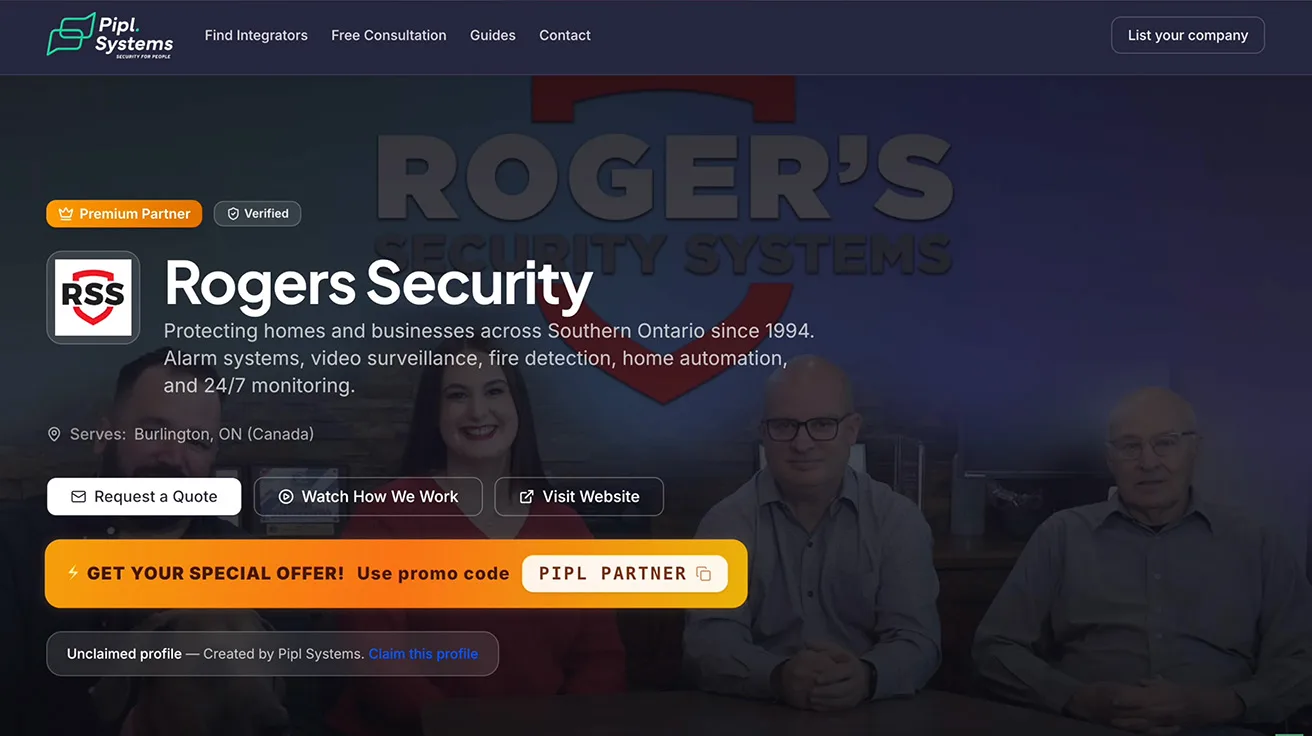
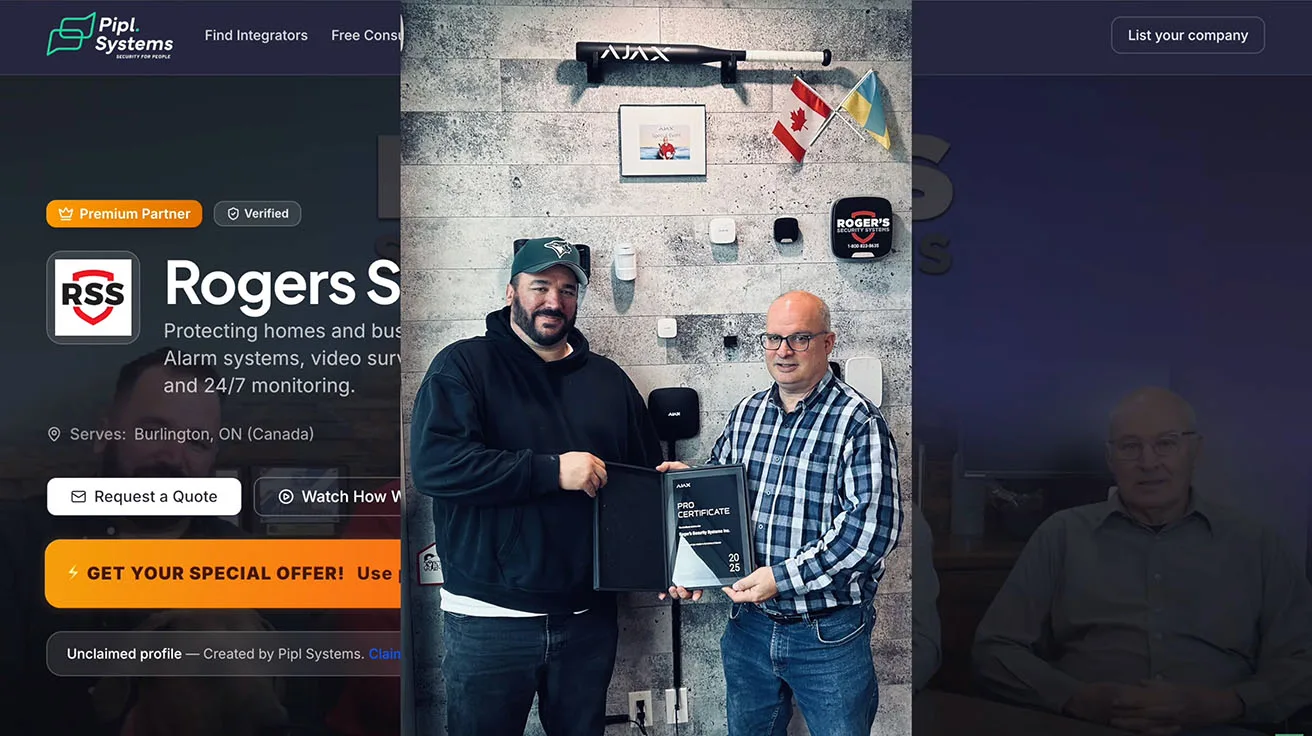
For instance, the team at Roger Security in Toronto regularly updates their Ajax system certifications whenever new products and features are released. This dedication gives customers complete confidence that the technicians working on their property truly understand the platform. If an integrator recommends a specific brand for your business, always ask whether they hold direct certifications from that manufacturer.
1 / 2
Look for Experience with Similar Projects
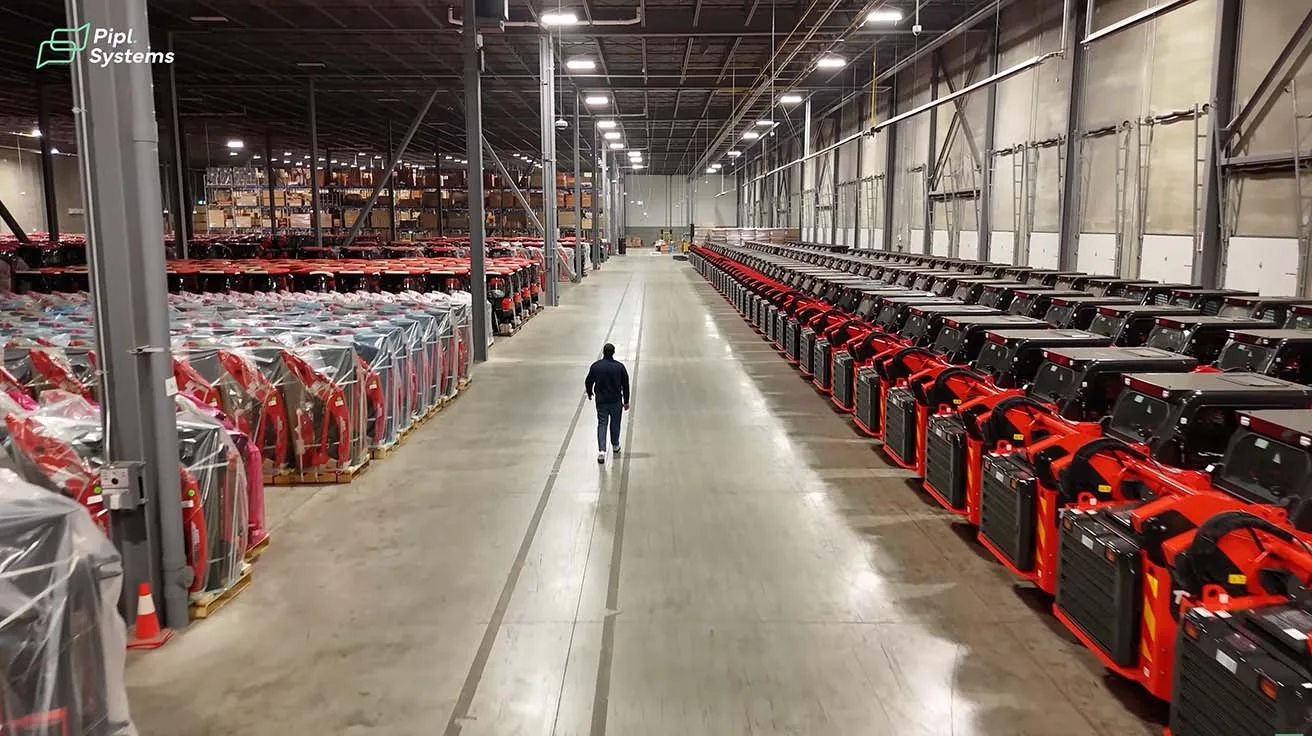
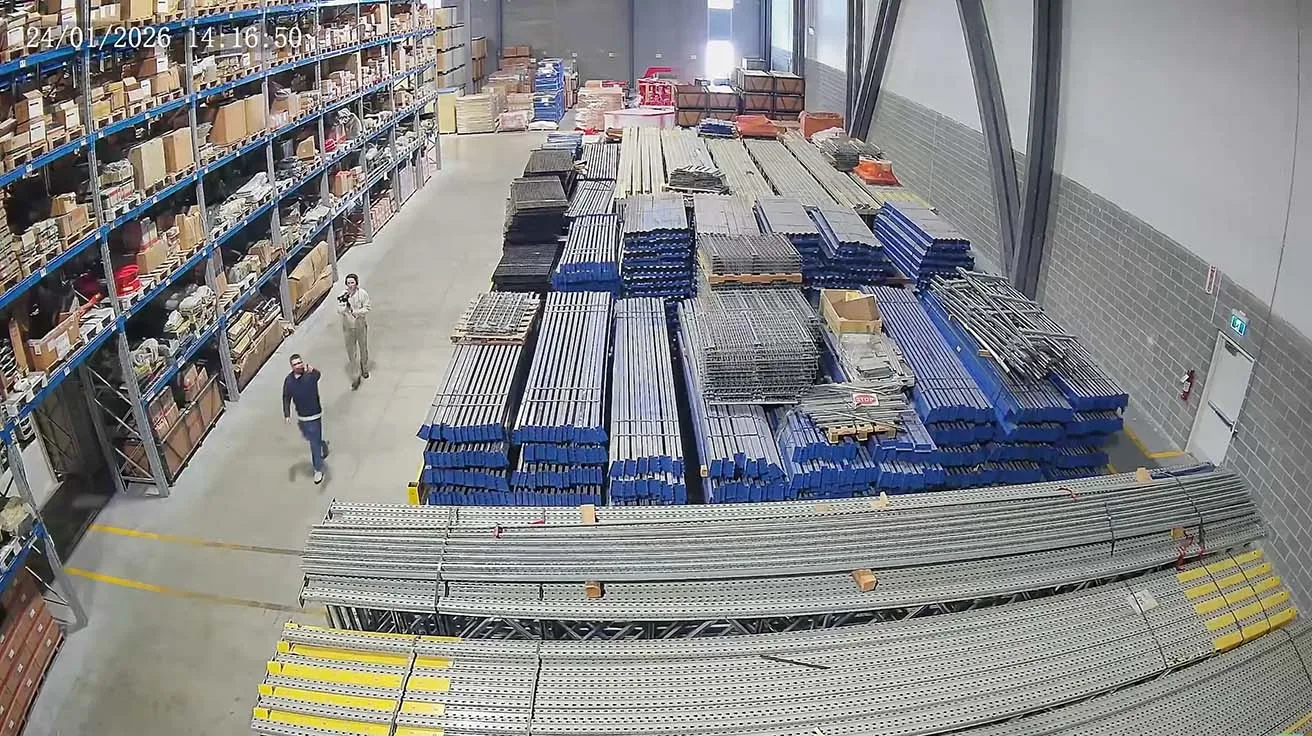
Experience matters heavily, but not just any general experience. Companies that specialize in securing large warehouses may not be the best choice for a residential building. Conversely, a company that works mostly with residential homes may not fully understand the strict operational needs of a manufacturing facility.
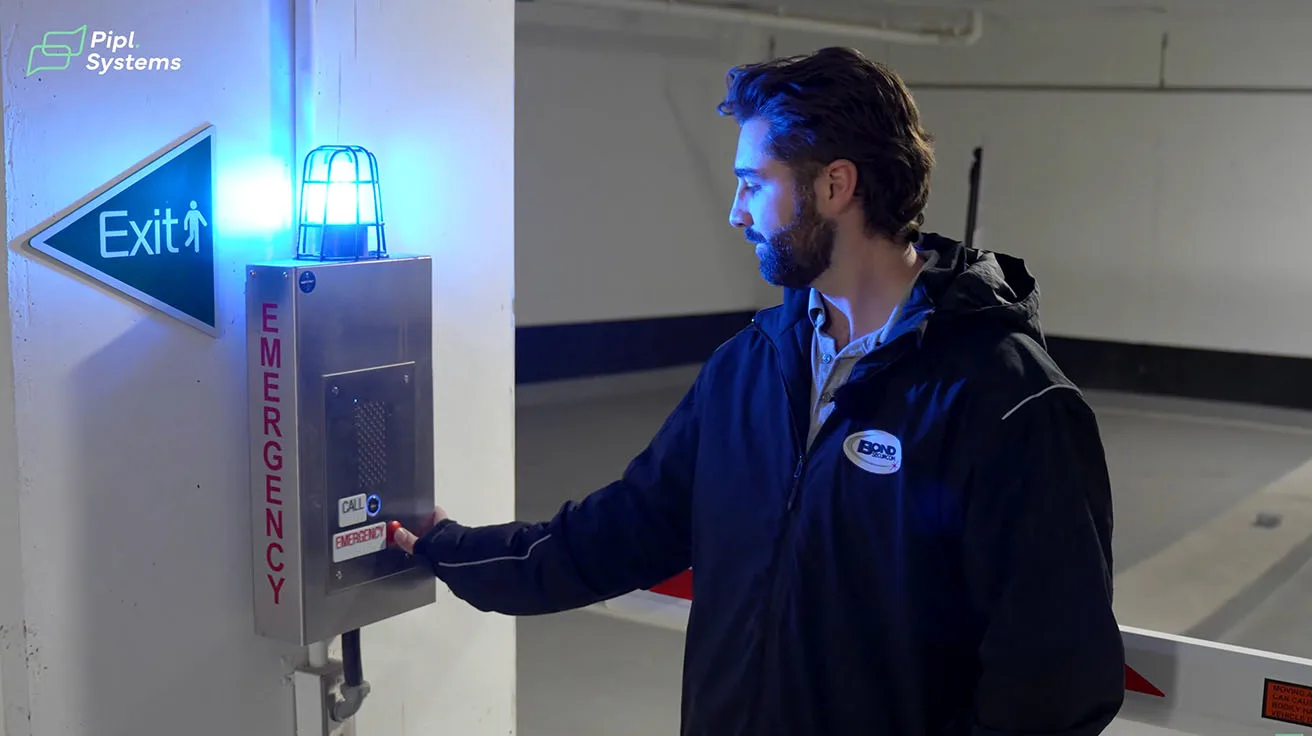
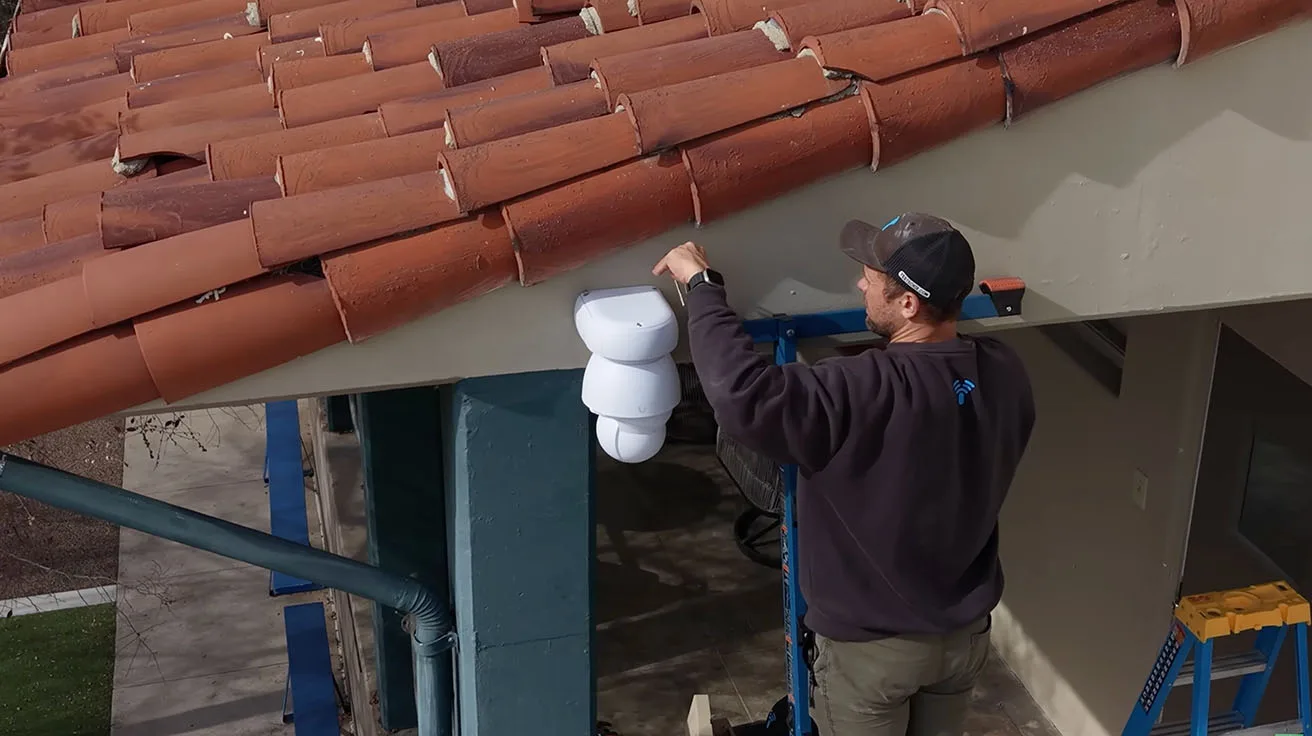
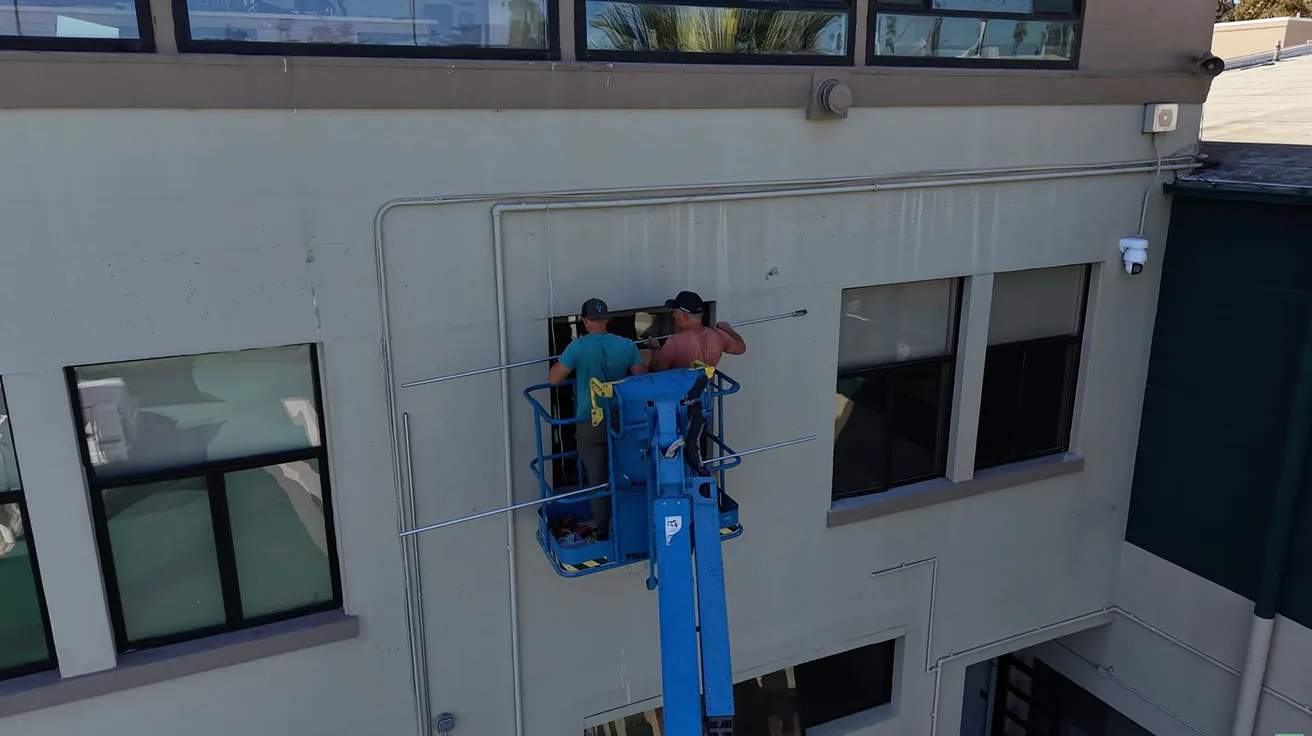
You should ask a very simple question: Can you show me projects similar to mine?
- Ask for project photos, detailed case studies, videos, or direct client references.
- The best integrators are usually proud to show off their work and explain exactly how they solved problems for similar customers.
- Customers need to see real examples of the work being done, hear directly from the integrator, and fully understand the business challenges that were solved.
1 / 6
Evaluate Deep Integration Experience
Experience is not just about mounting hardware on a wall; it is about understanding the entire environment where the equipment will operate. Today's commercial security setups are rarely just standalone cameras. Most businesses eventually need cameras, access control readers, intercoms, alarms, networking infrastructure, and mobile applications all working seamlessly together.
This interconnected reality is why integration experience is absolutely vital.
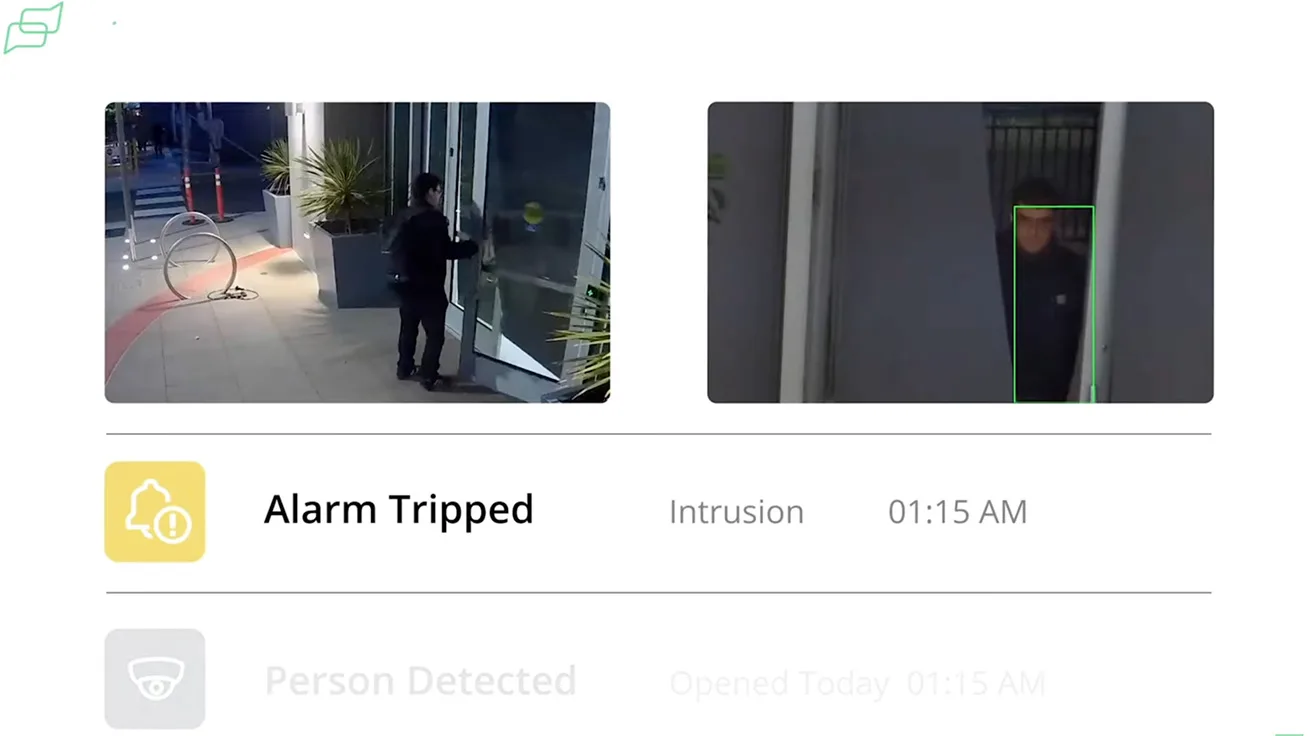
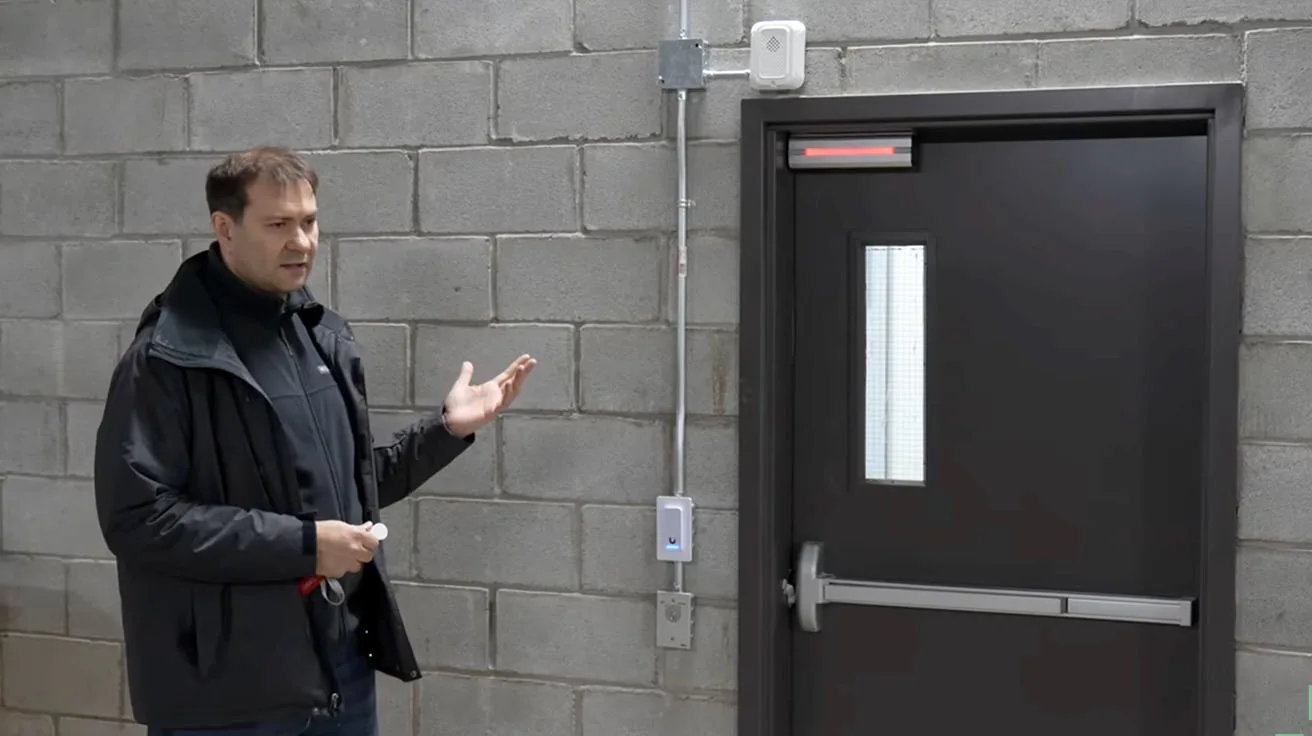
- A properly integrated system allows access control events to automatically trigger video recording.
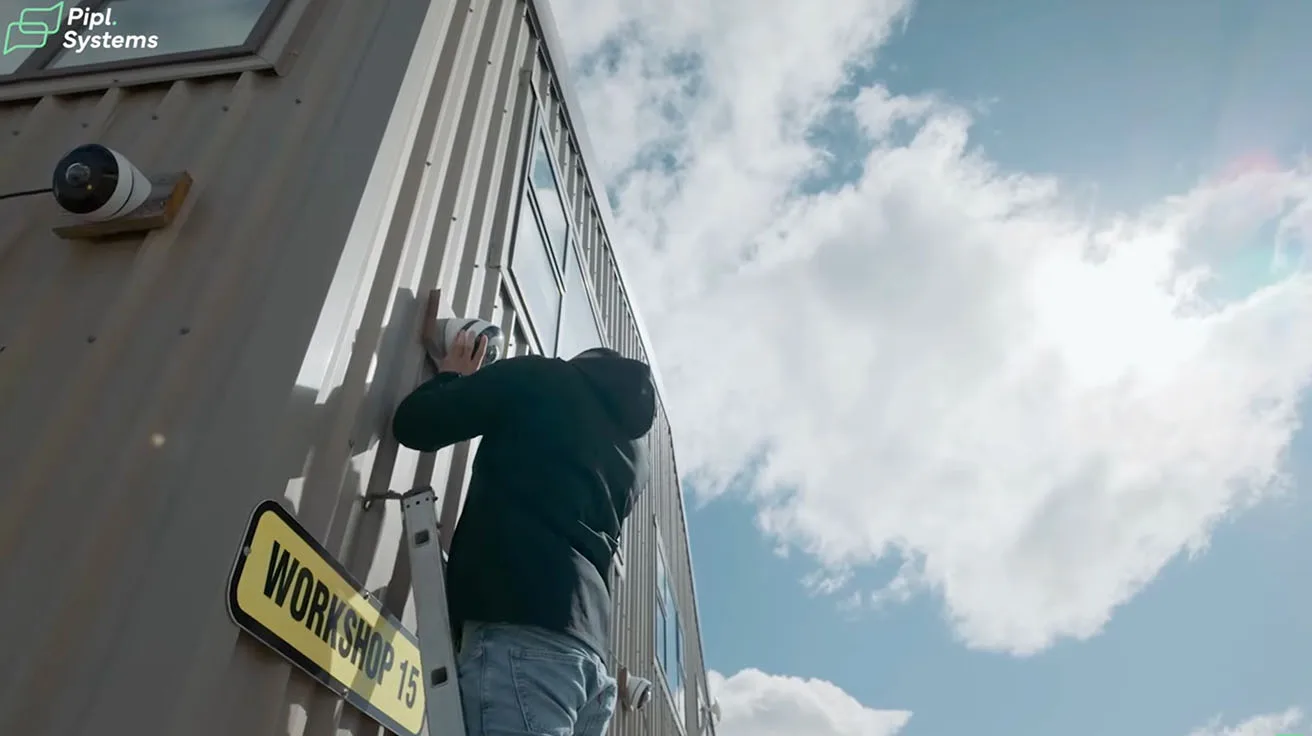
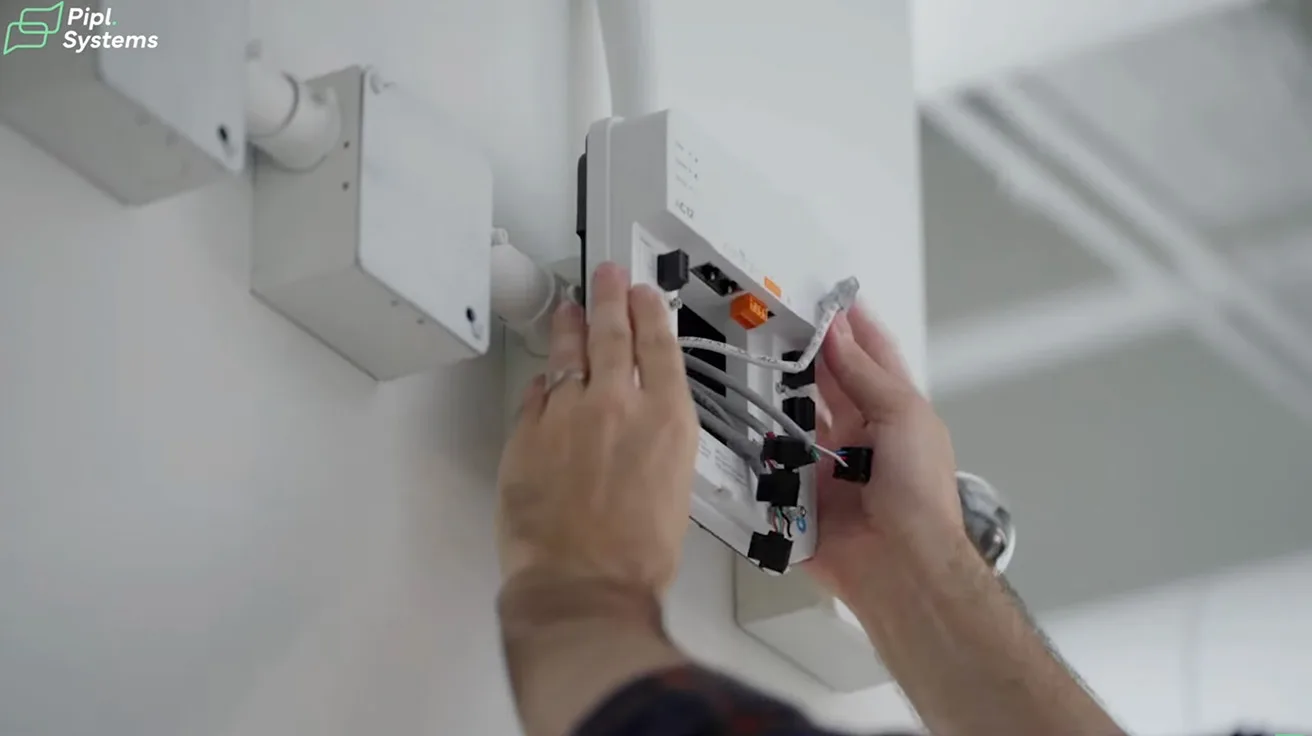
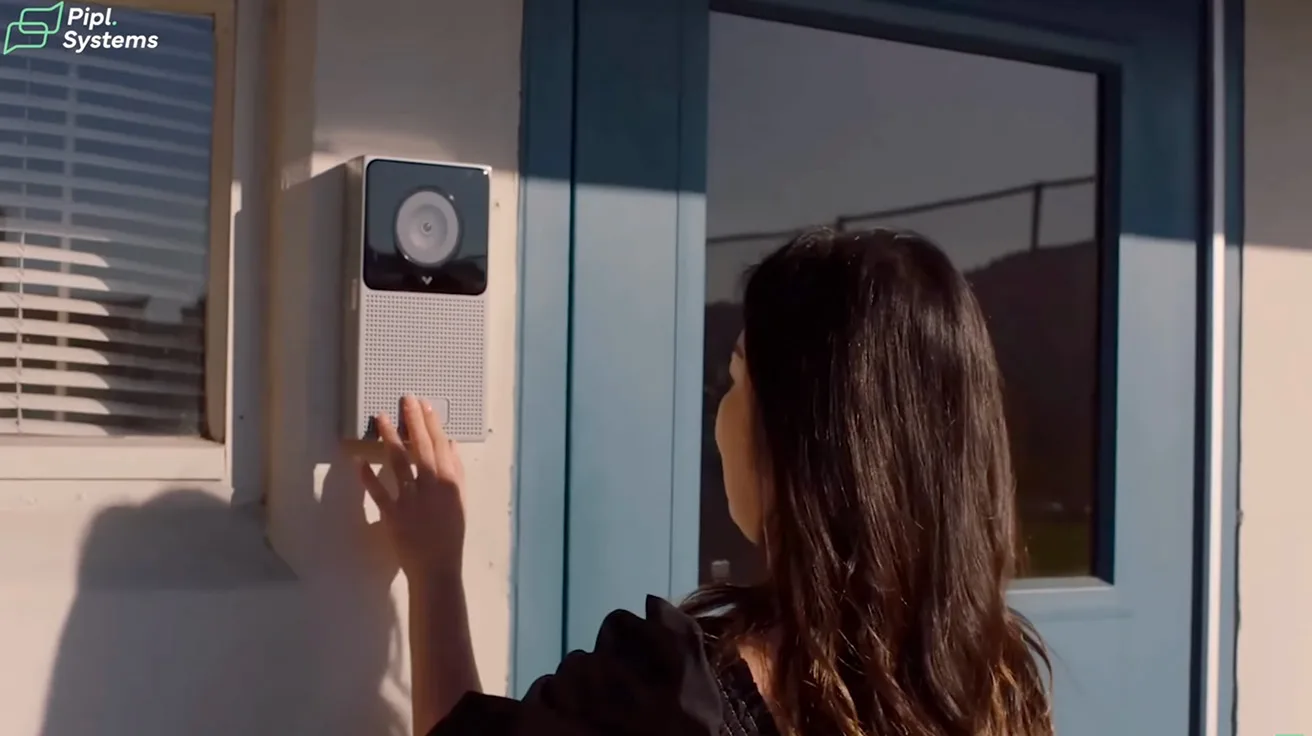
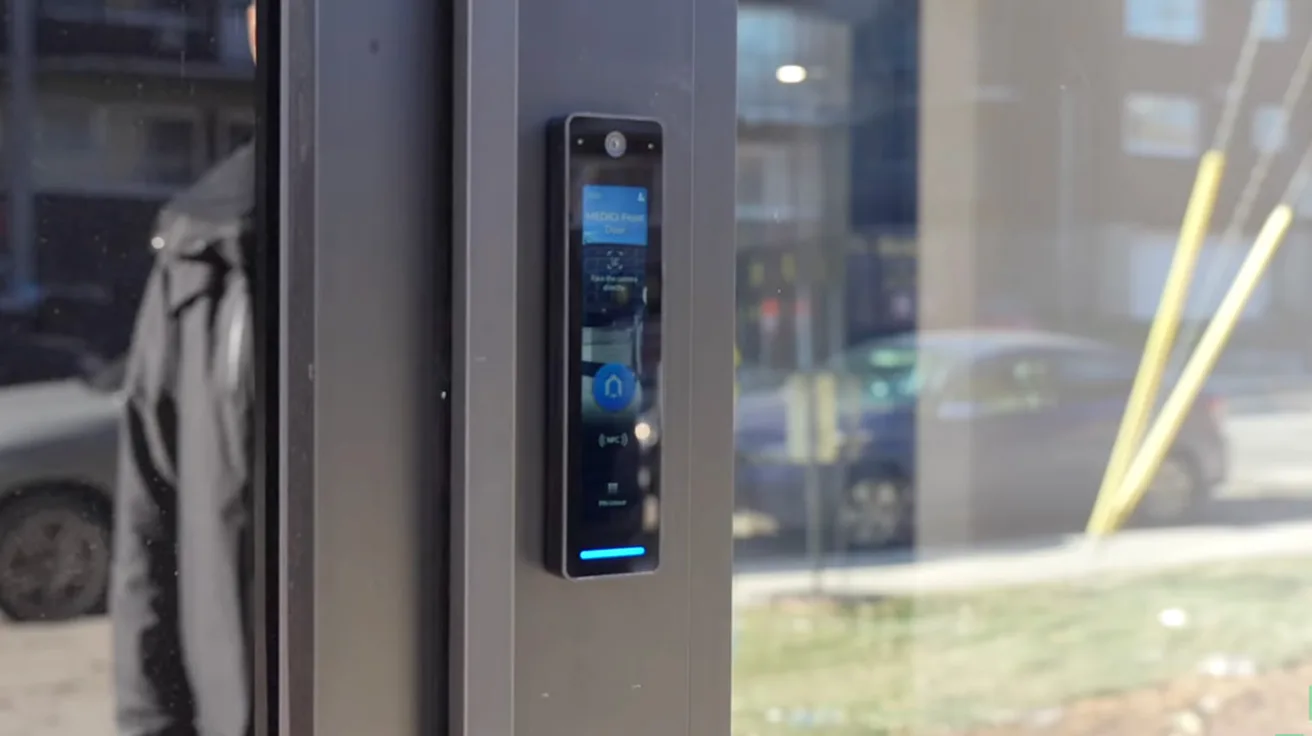
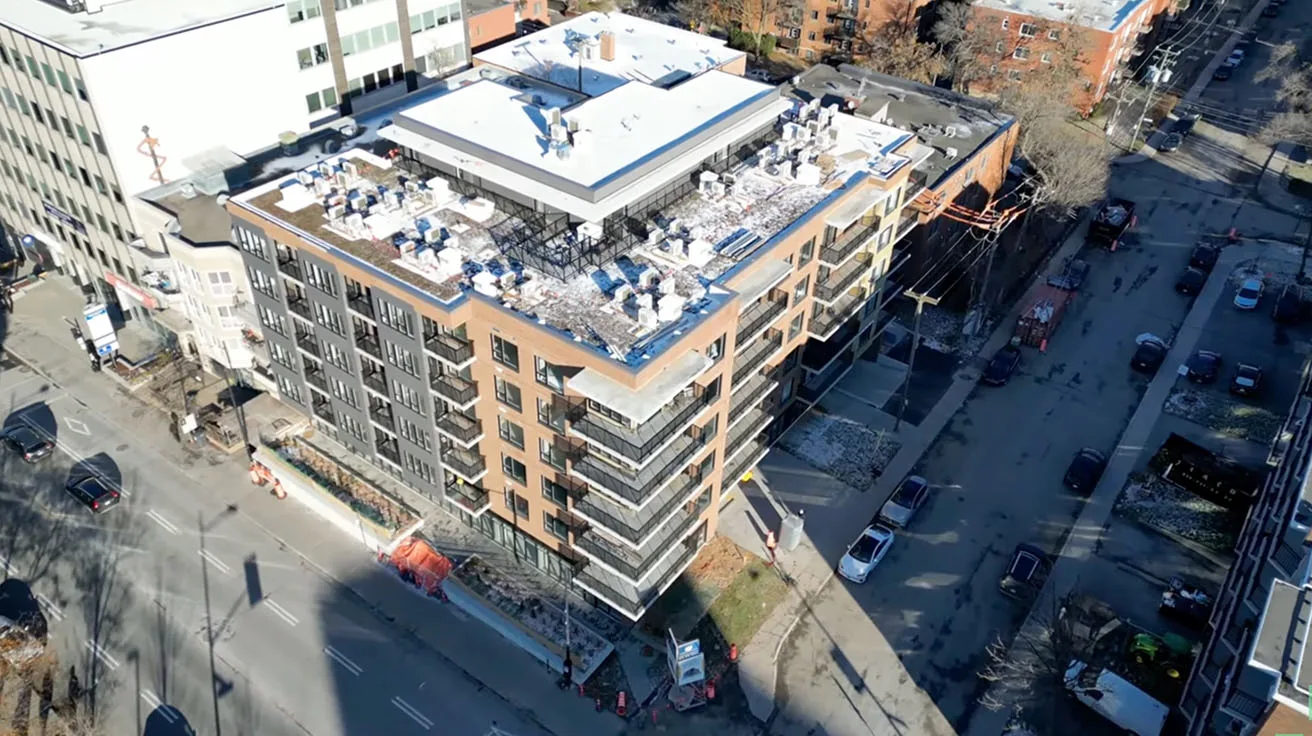
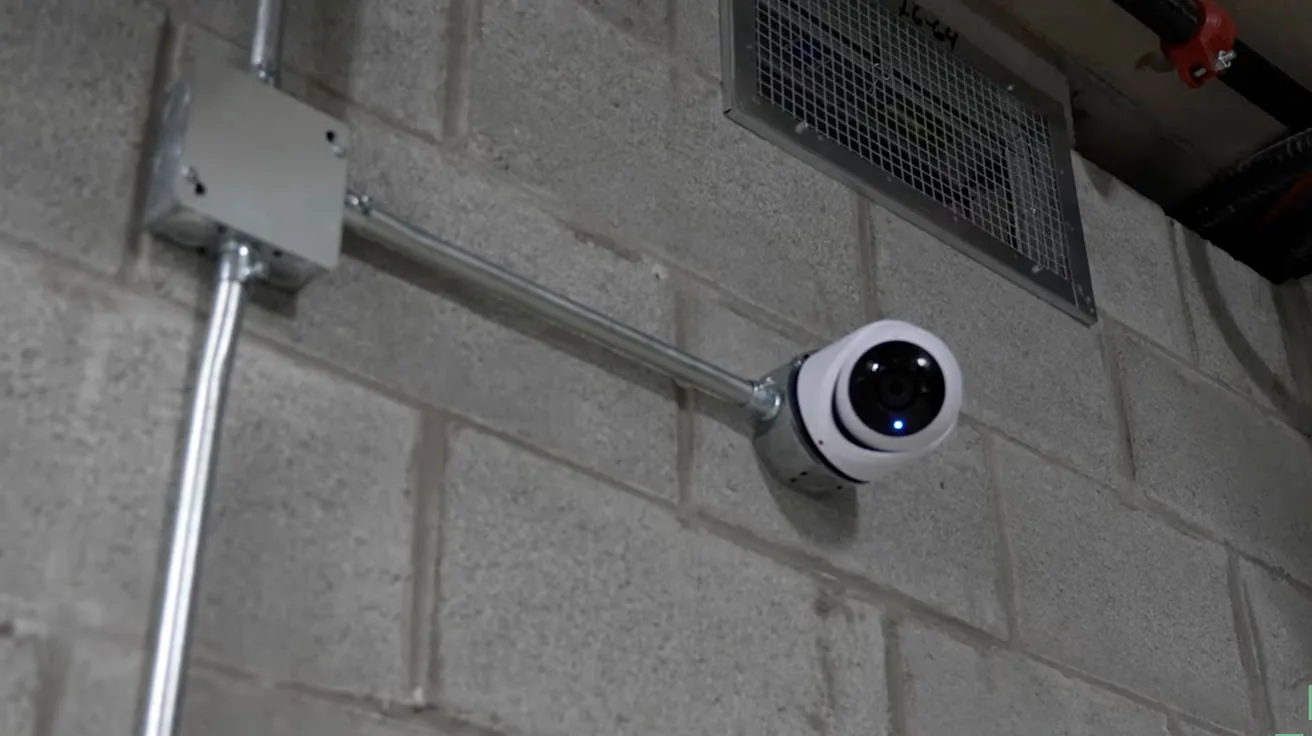
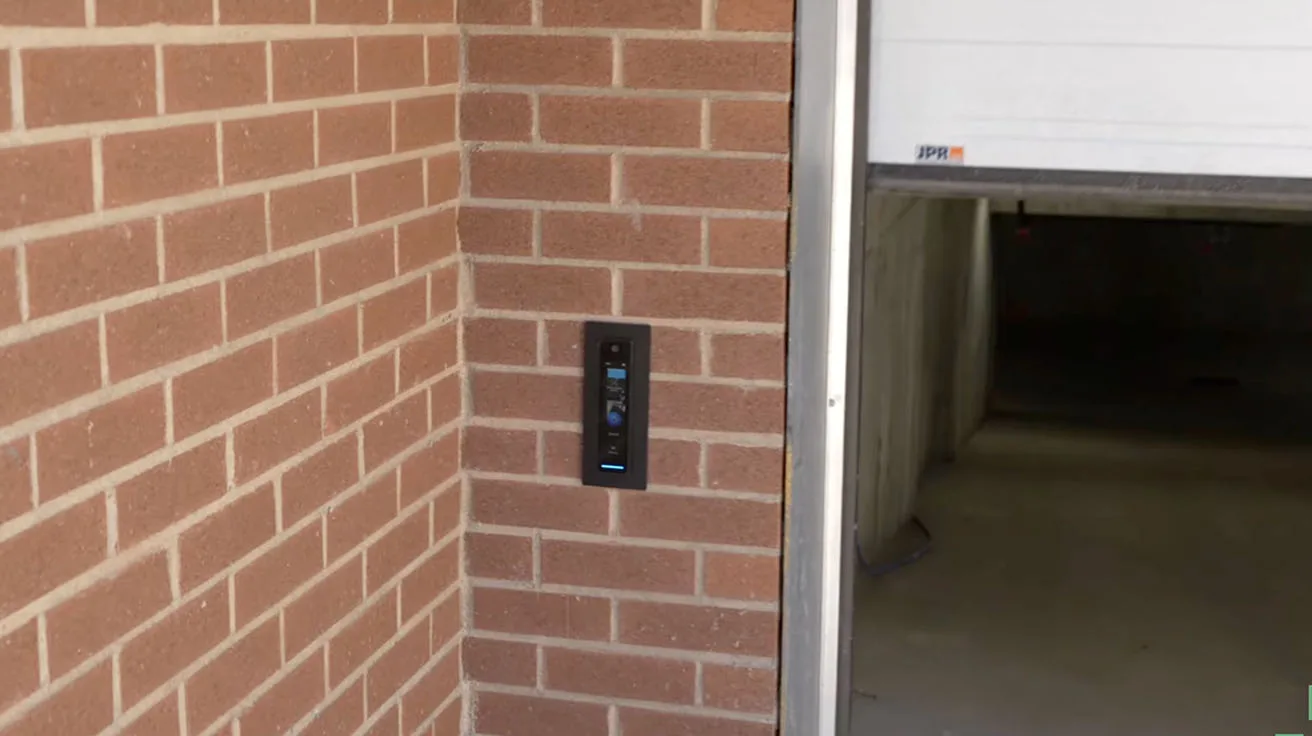
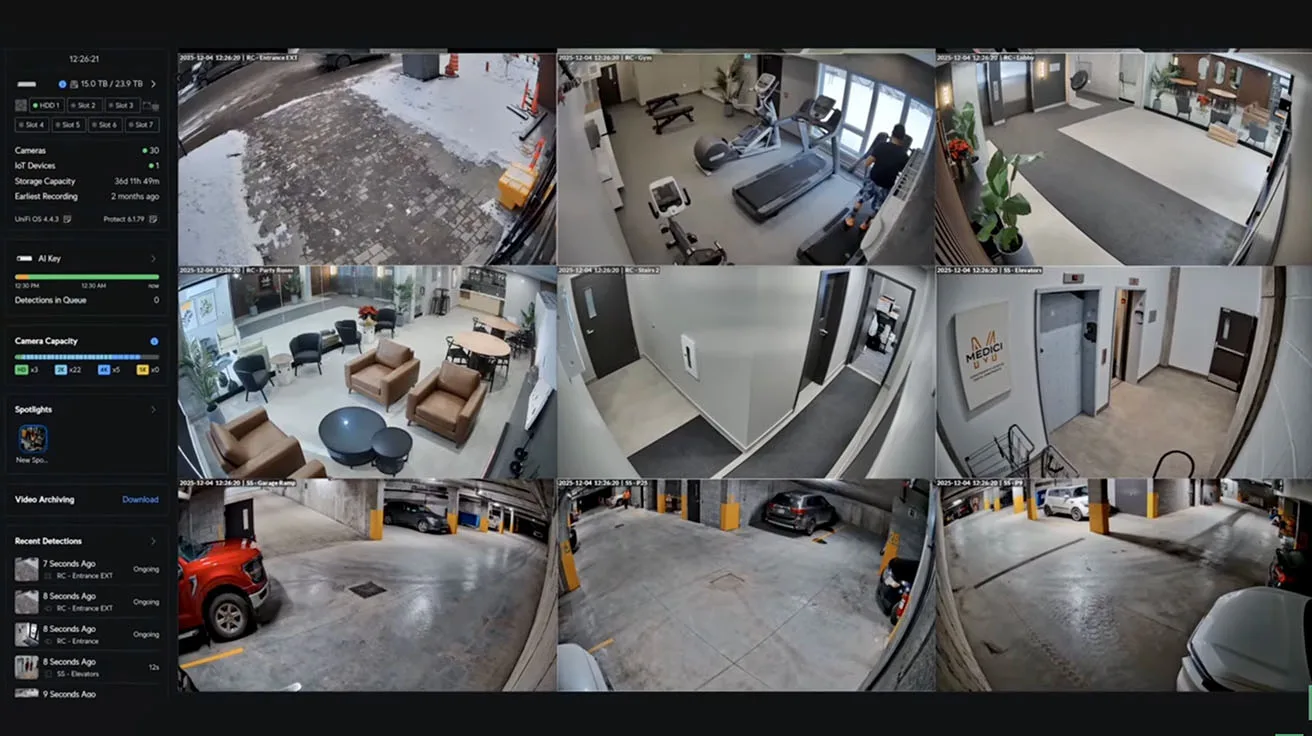
- In a multi-residential building project in Montreal, filmed alongside the VEGA-Security company, the entire property was built around a unified platform.
- Surveillance, access control, intercoms, and networking all operate within a single unified platform.
- For property management teams, controlling everything from a single ecosystem makes the entire system much easier to operate and maintain over time.
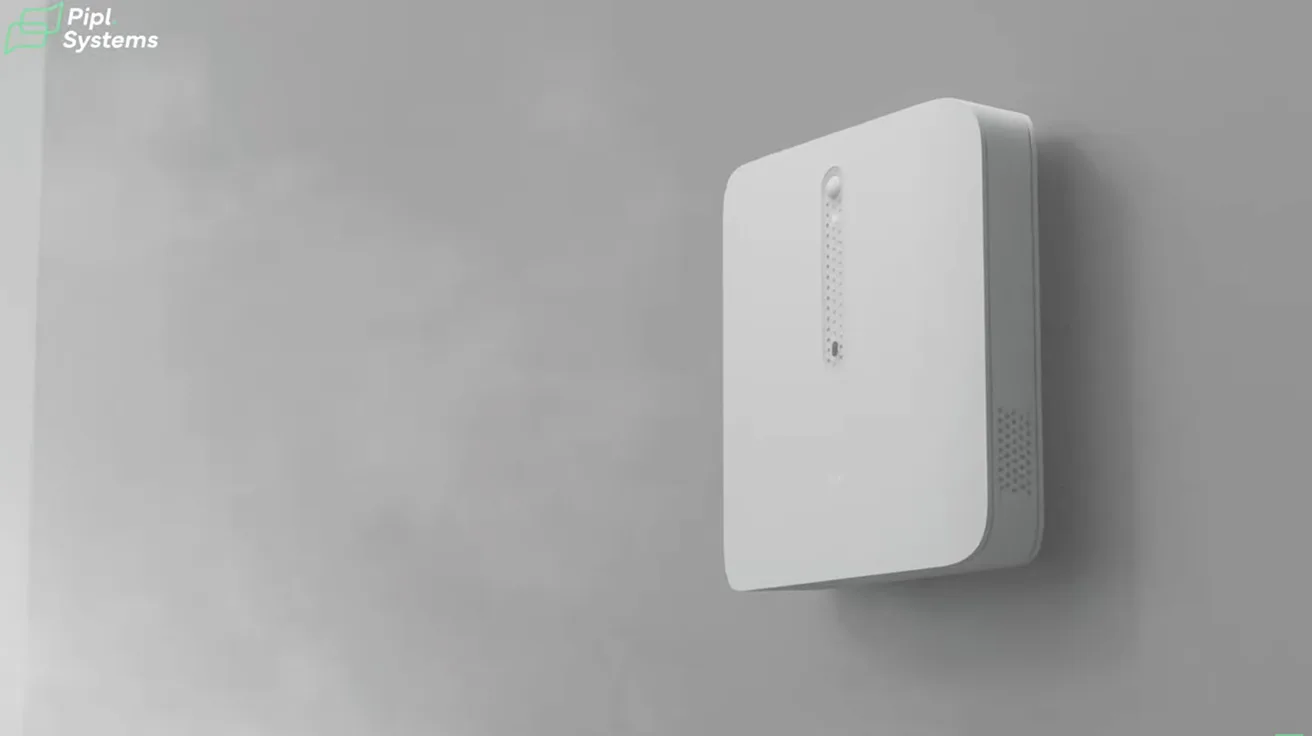
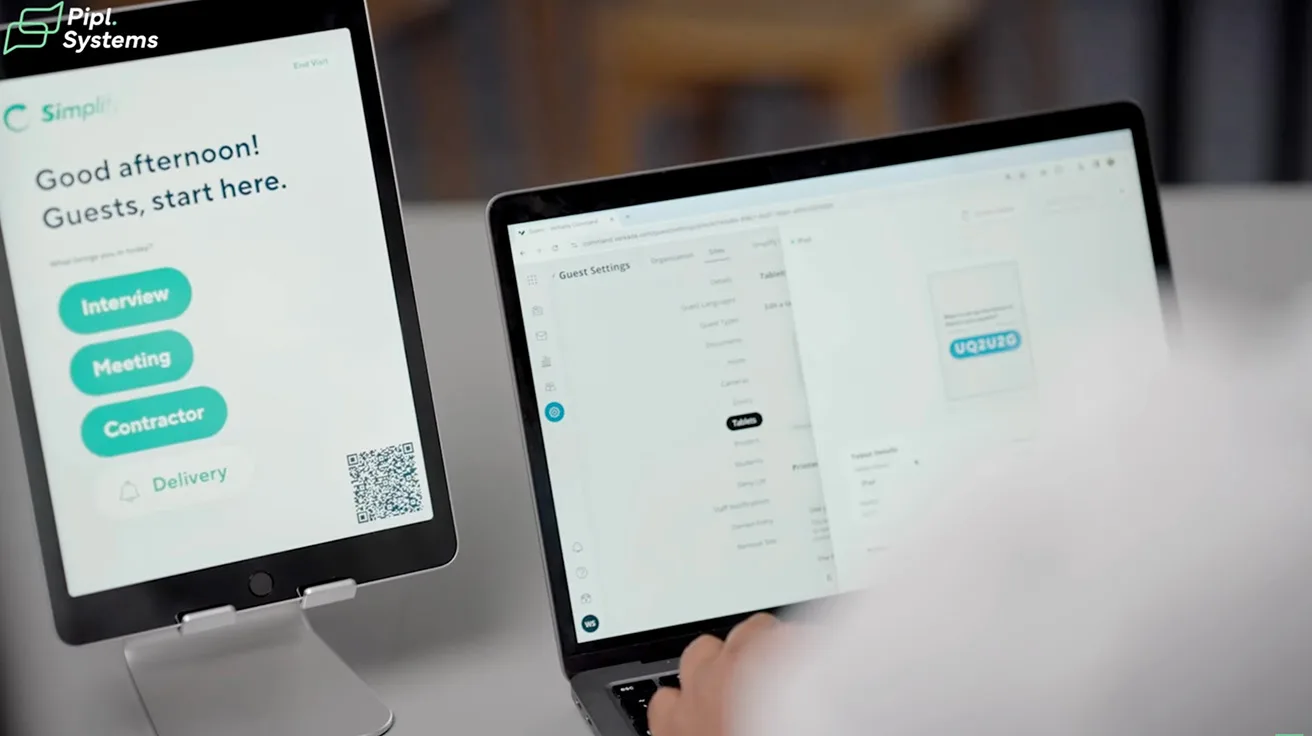
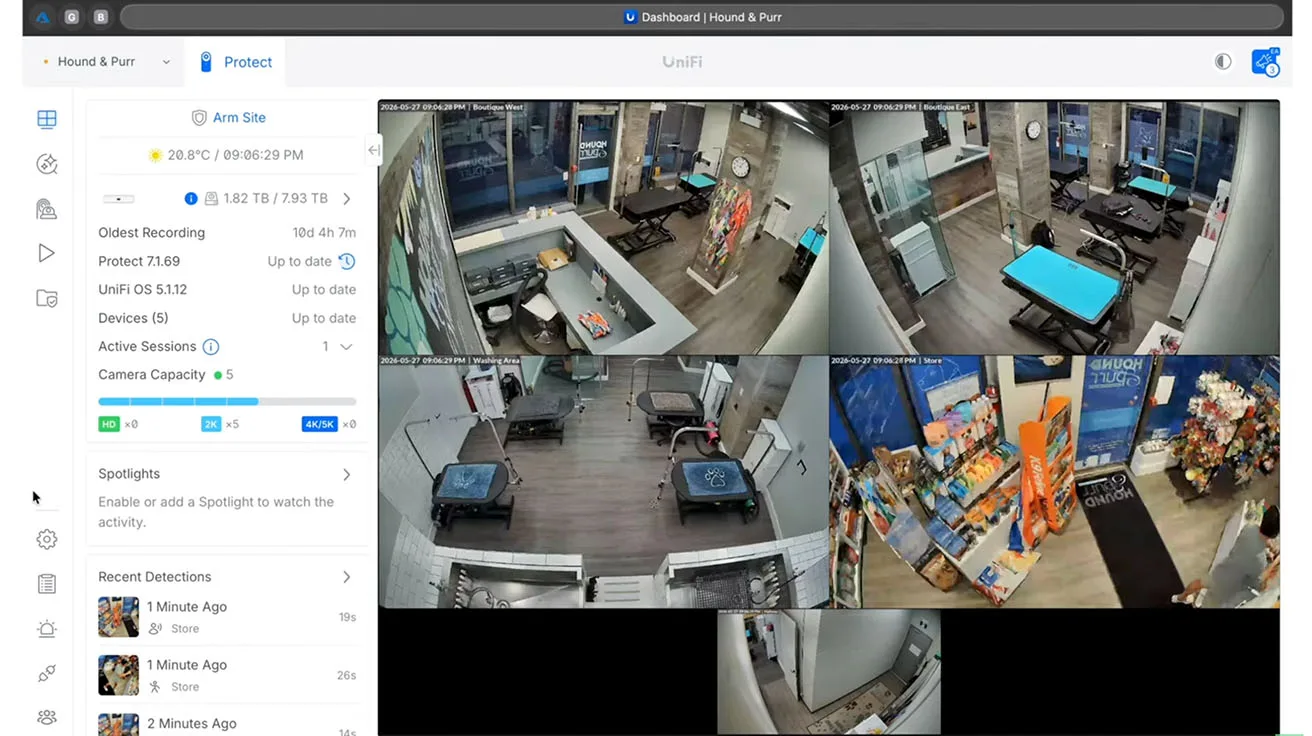
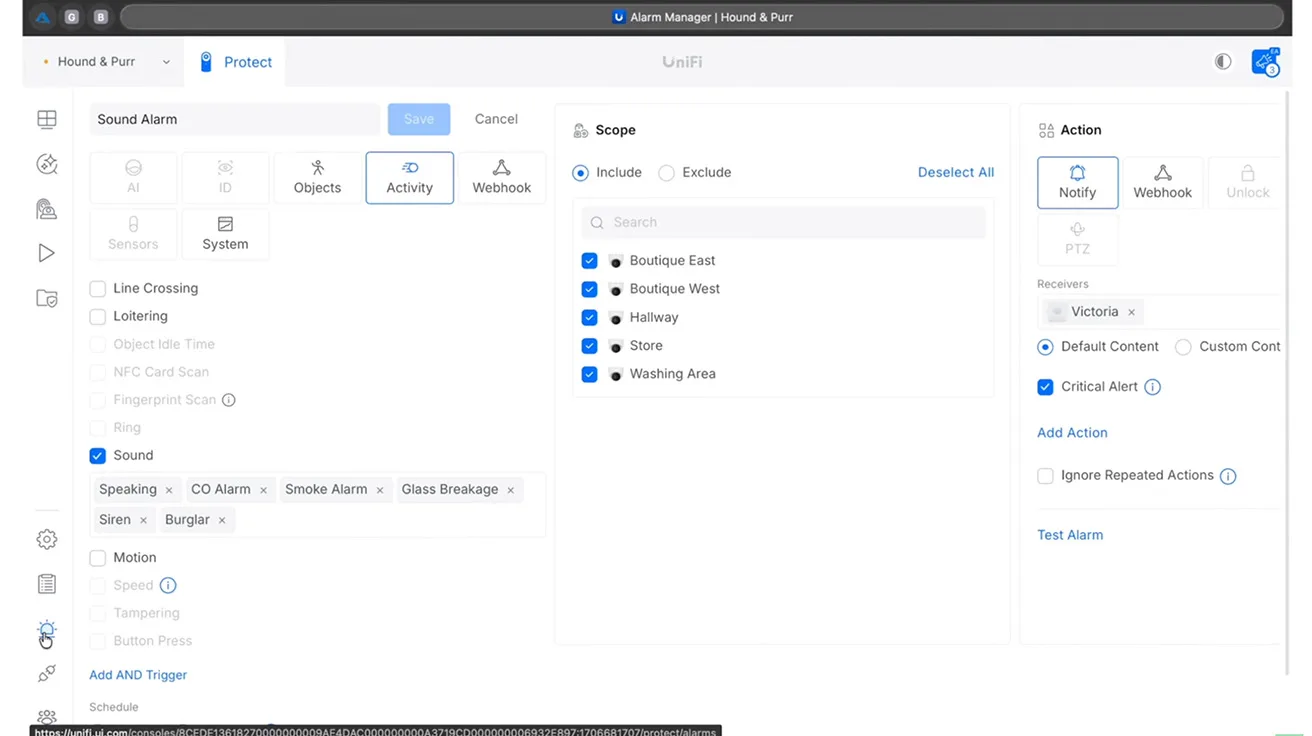

1 / 15
A competent integrator must be able to explain not only what specific products they recommend, but also exactly how those products will communicate with each other and how the total system can grow alongside your business in the future.
Detailed System Design
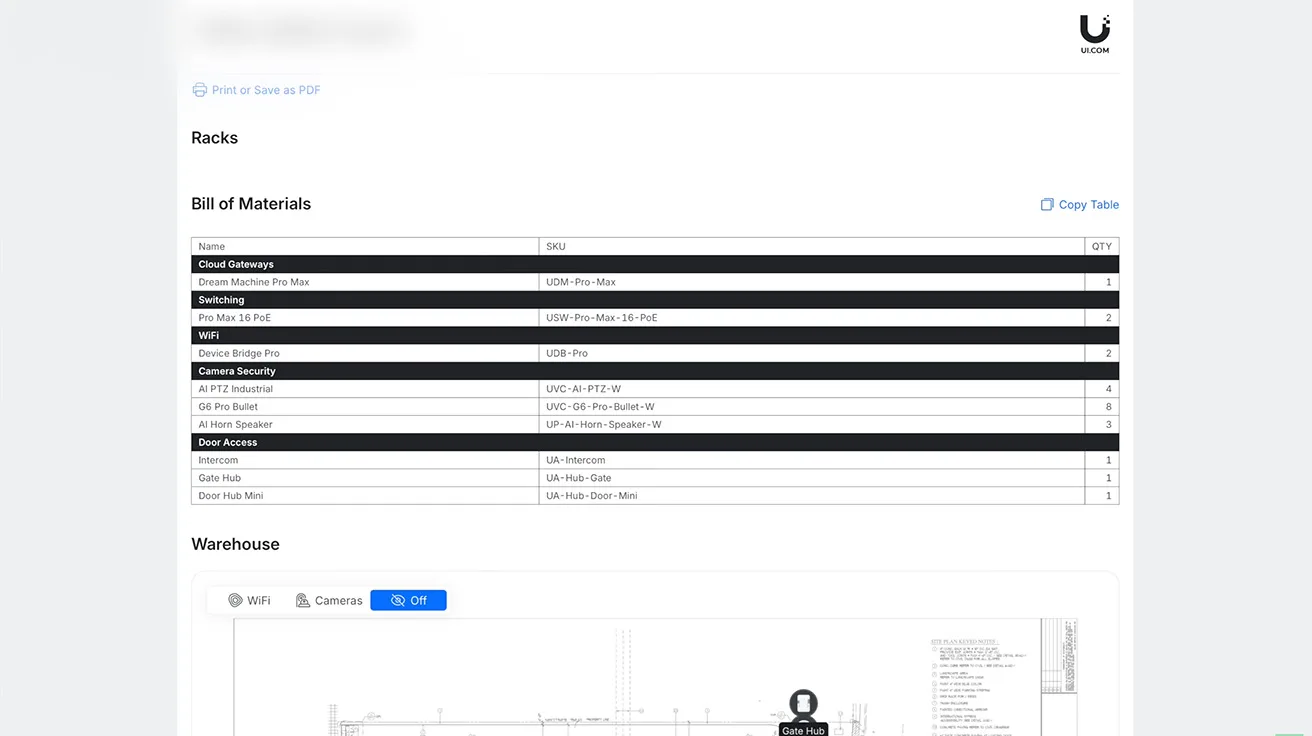
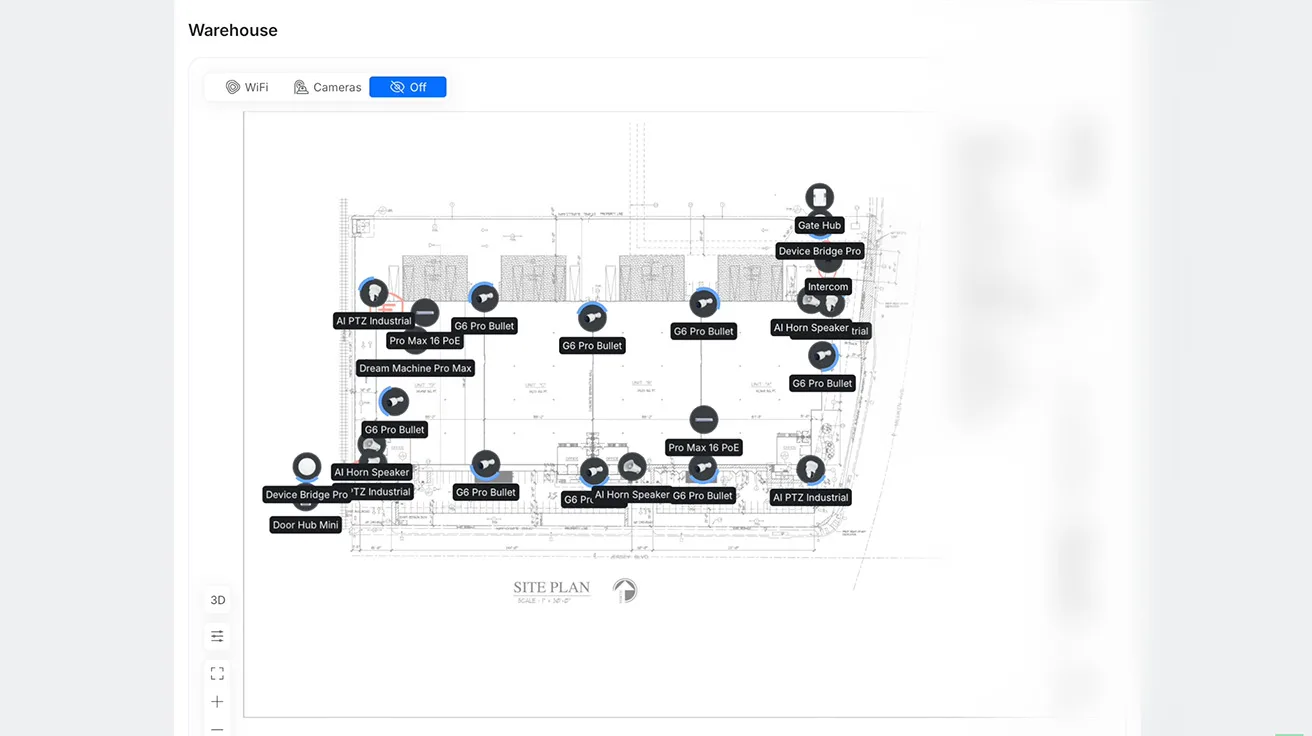
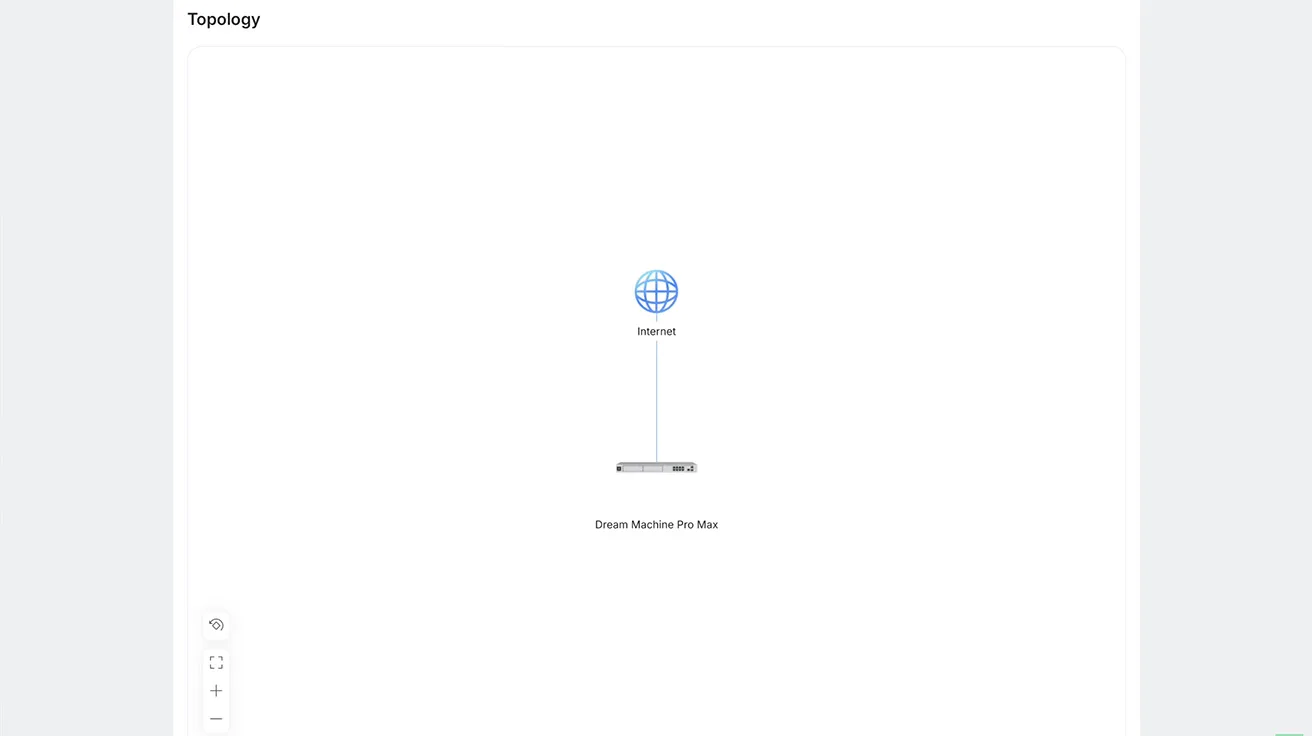
Great projects usually start with great planning. Before installation begins, there should be a clear understanding of where devices will be installed, what areas need coverage, how cabling will be routed, and how the system will operate once it is complete. Professional companies typically provide floor plans, equipment lists, and scopes of work before installation starts. Good planning prevents expensive surprises later.
1 / 3
Comprehensive Network Knowledge
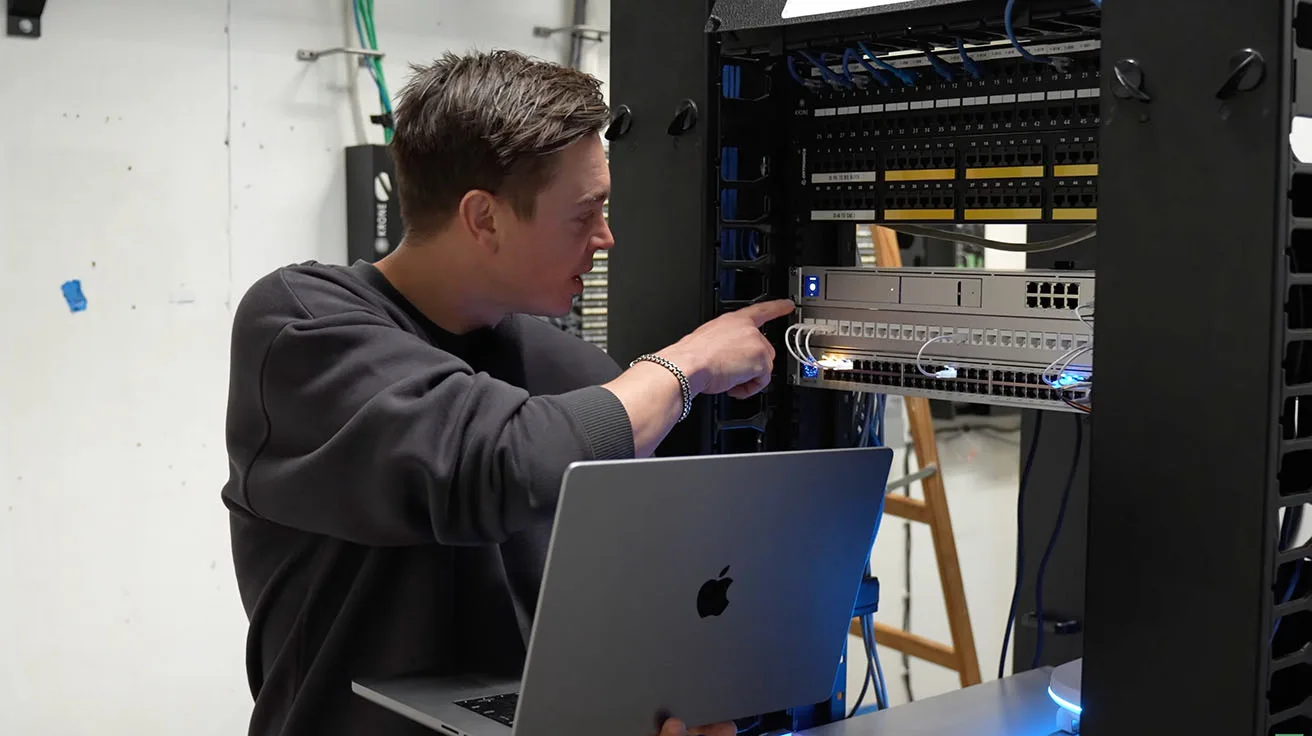
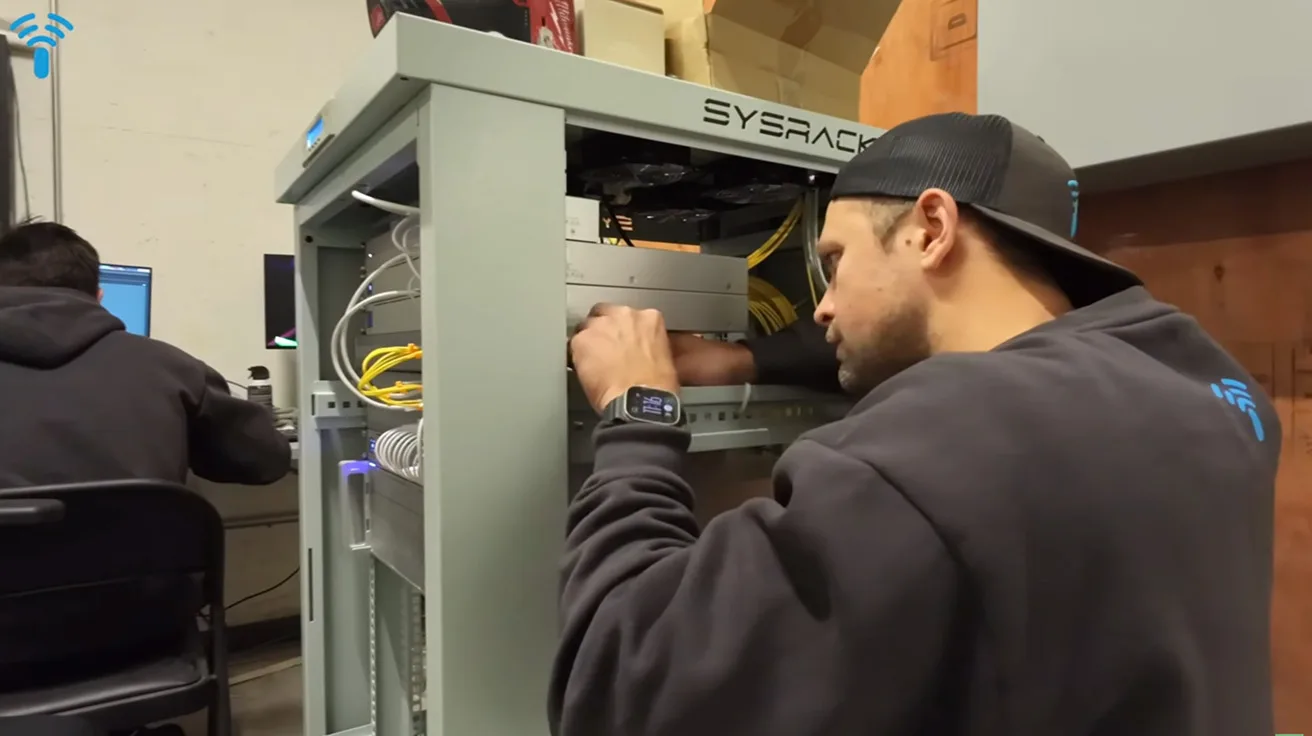
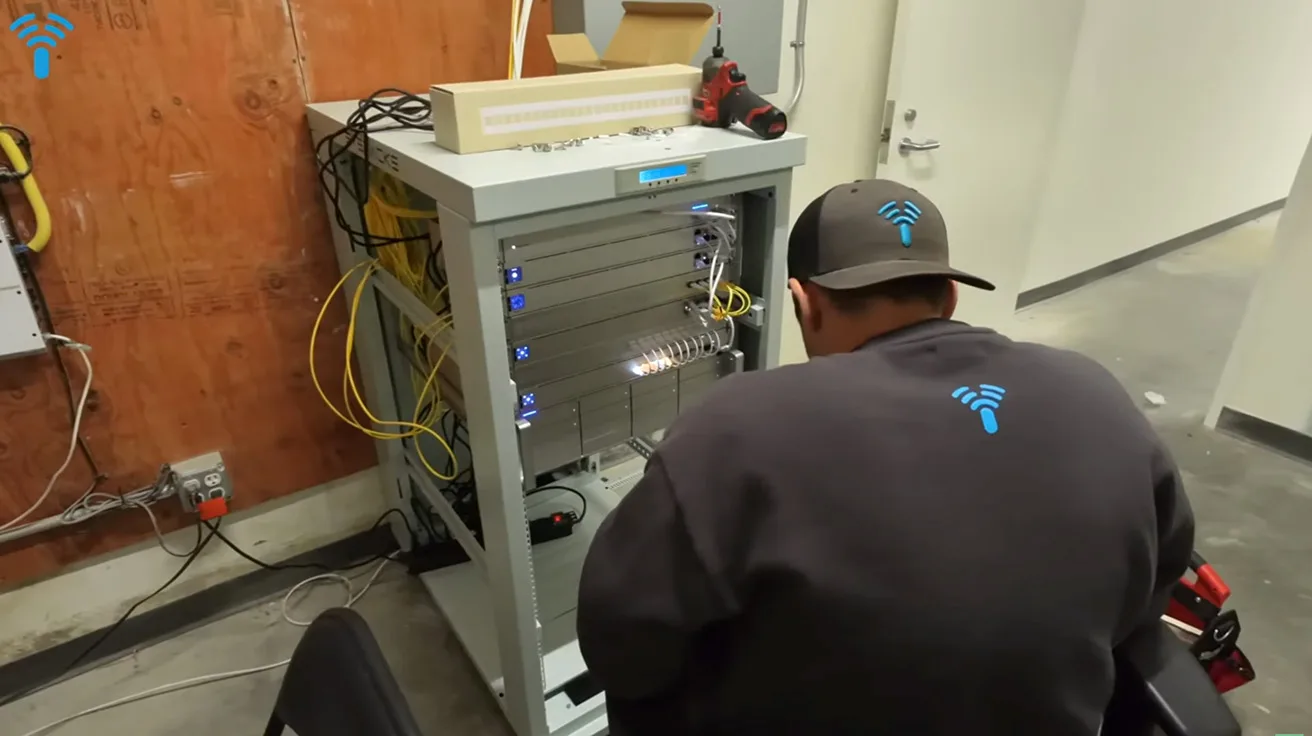
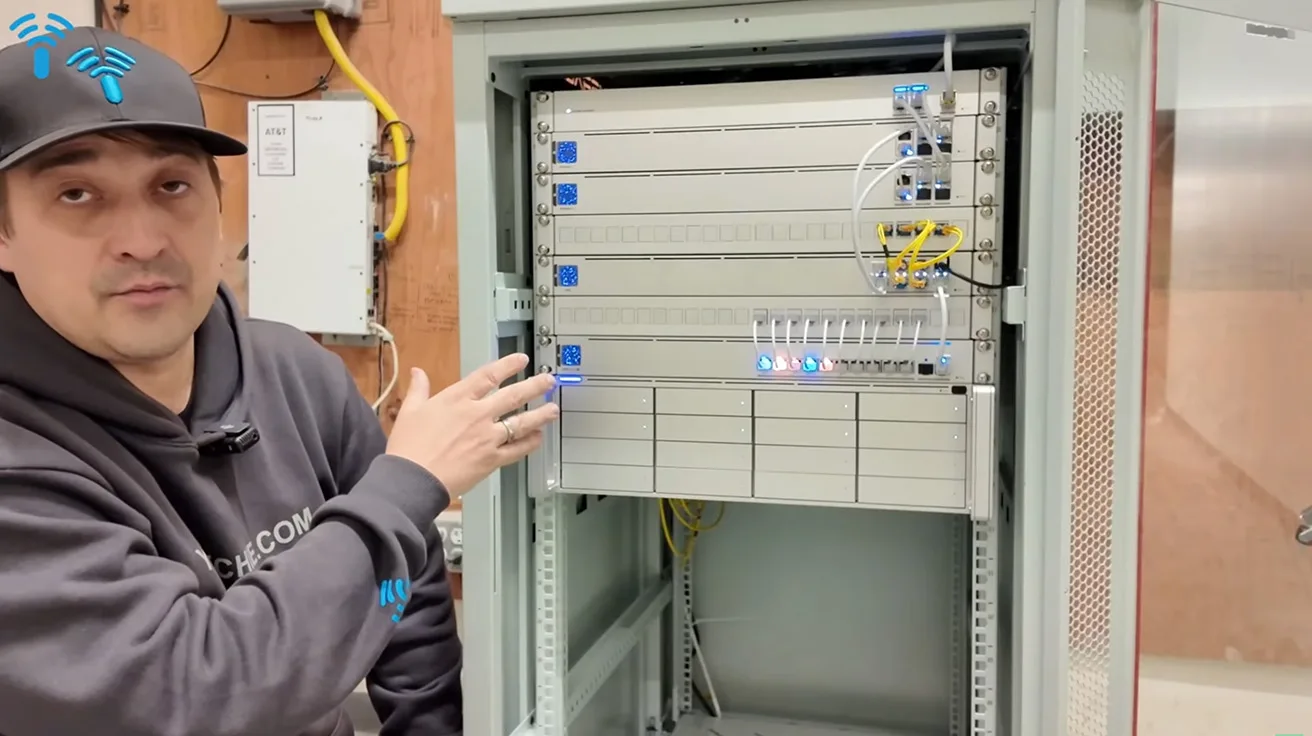
Modern security systems are IT systems. Cameras, access control systems, intercoms, cloud platforms, and mobile applications all depend on reliable network infrastructure. That is why today's security integrator needs a solid understanding of networking. They should be able to explain bandwidth requirements, remote access, cybersecurity considerations, and how the system fits into your existing environment. Security and IT are more connected today than ever before.
1 / 3
Clear Monitoring Options
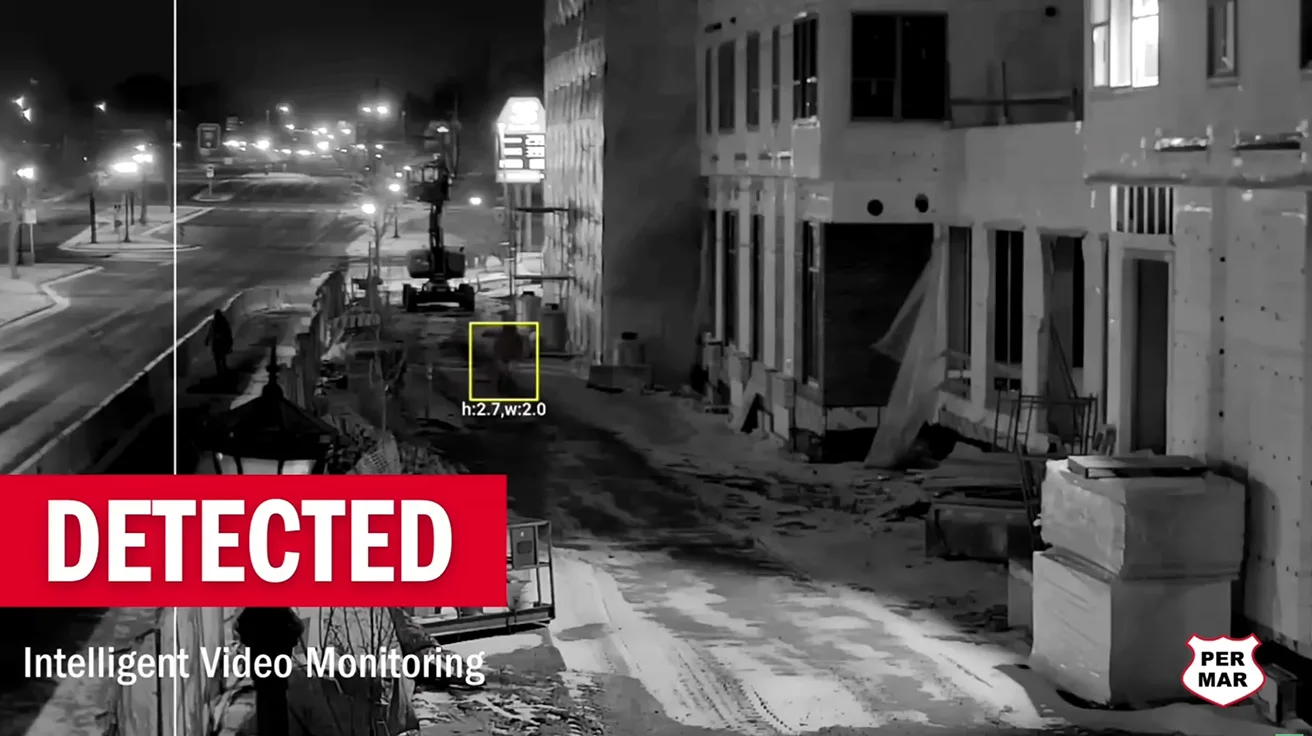
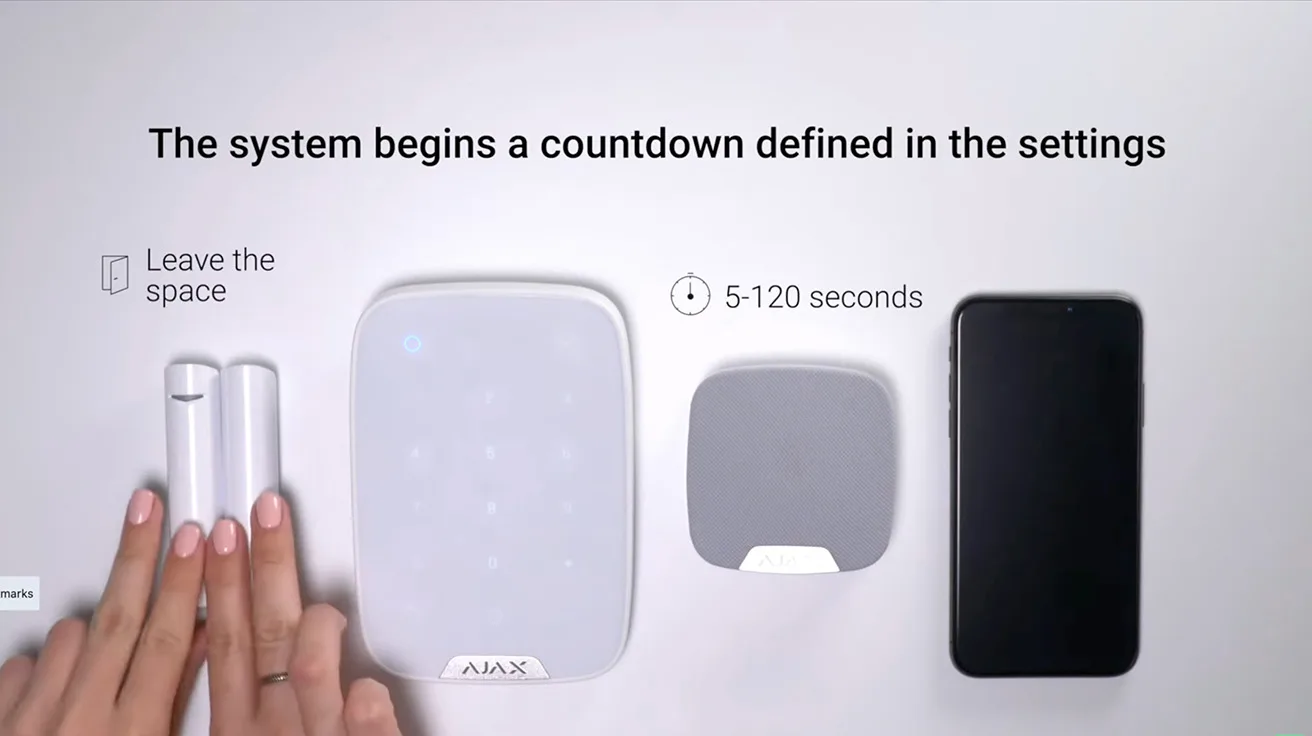
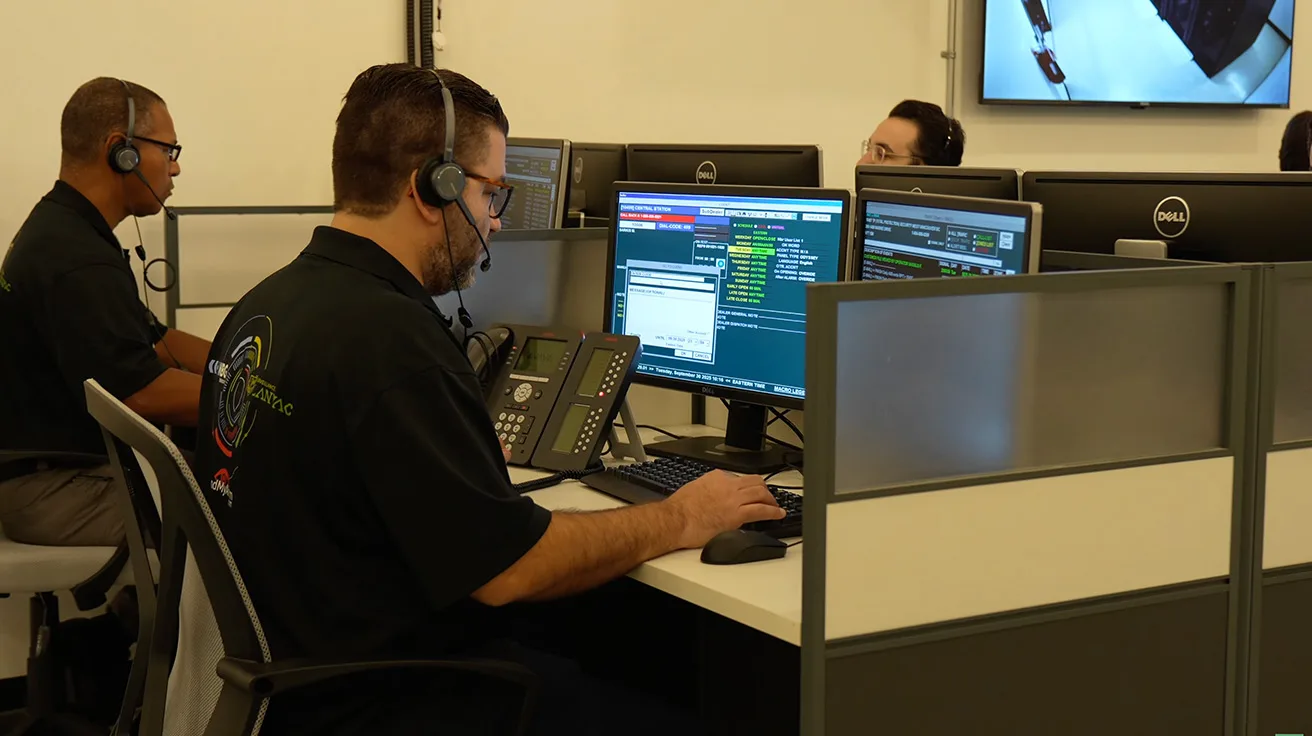
Let's say your alarm goes off at 3:00 in the morning. What happens next, who receives the notification, who responds, and who verifies whether it is a real incident? Your integrator should explain the available options, including self-monitoring, alarm monitoring, and video monitoring. There is no single right answer for every business, but what matters is understanding the options before the project begins.
1 / 3
Reviews and Reputation
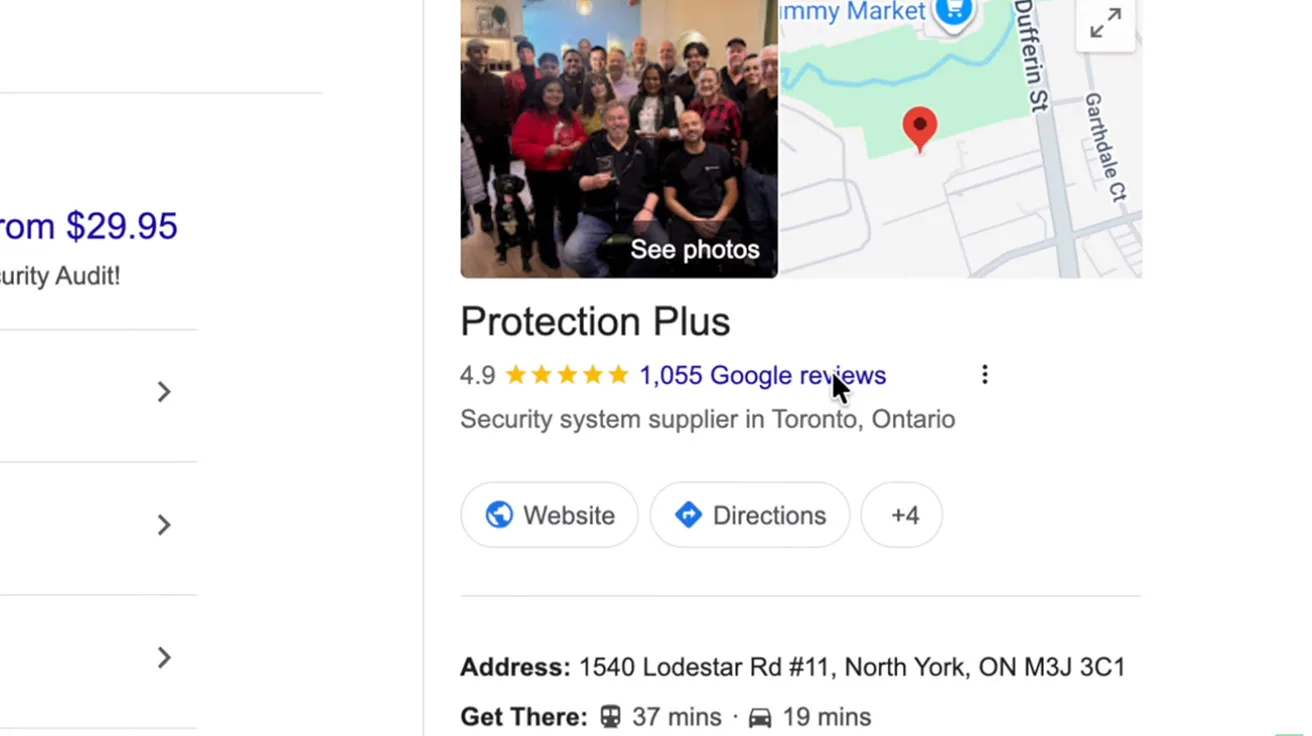
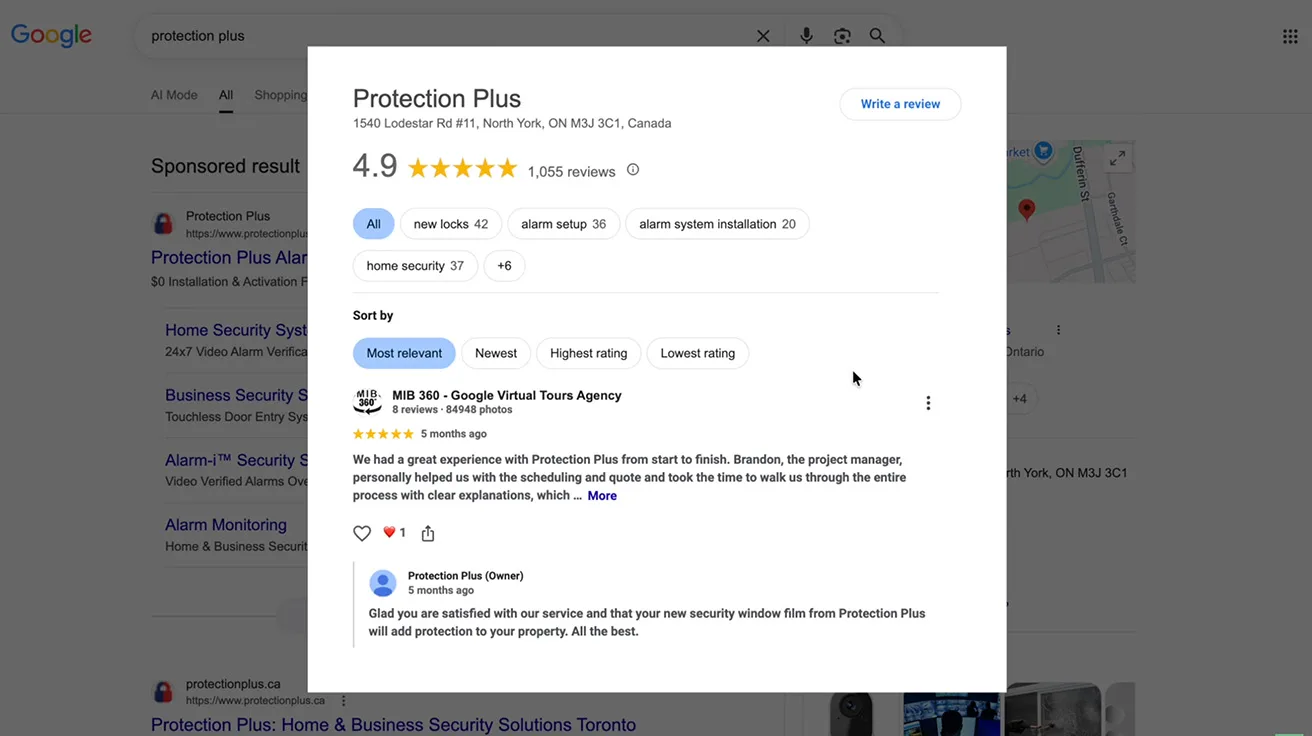
Before hiring any company, spend some time researching their reputation. Do not just look at the star rating, but read the reviews and look for patterns. Check if customers mention good communication, professionalism, and strong support after installation. One company that comes to mind is Protection Plus in Toronto, which has built an excellent reputation backed by more than 1,000 Google reviews. Reviews should not be the only factor in your decision, but they can tell you a lot about how a company treats its customers.
1 / 2
Post-Installation Support
Installation day is not the end of the project, and in many ways, it is just the beginning. What happens if a camera stops working after six months, or if you need additional users, more doors, or more cameras? A professional company should be able to explain the support process, service agreements, maintenance plans, and response times. Good companies think about a long-term relationship, not just a one-time project.
NDAA Compliance
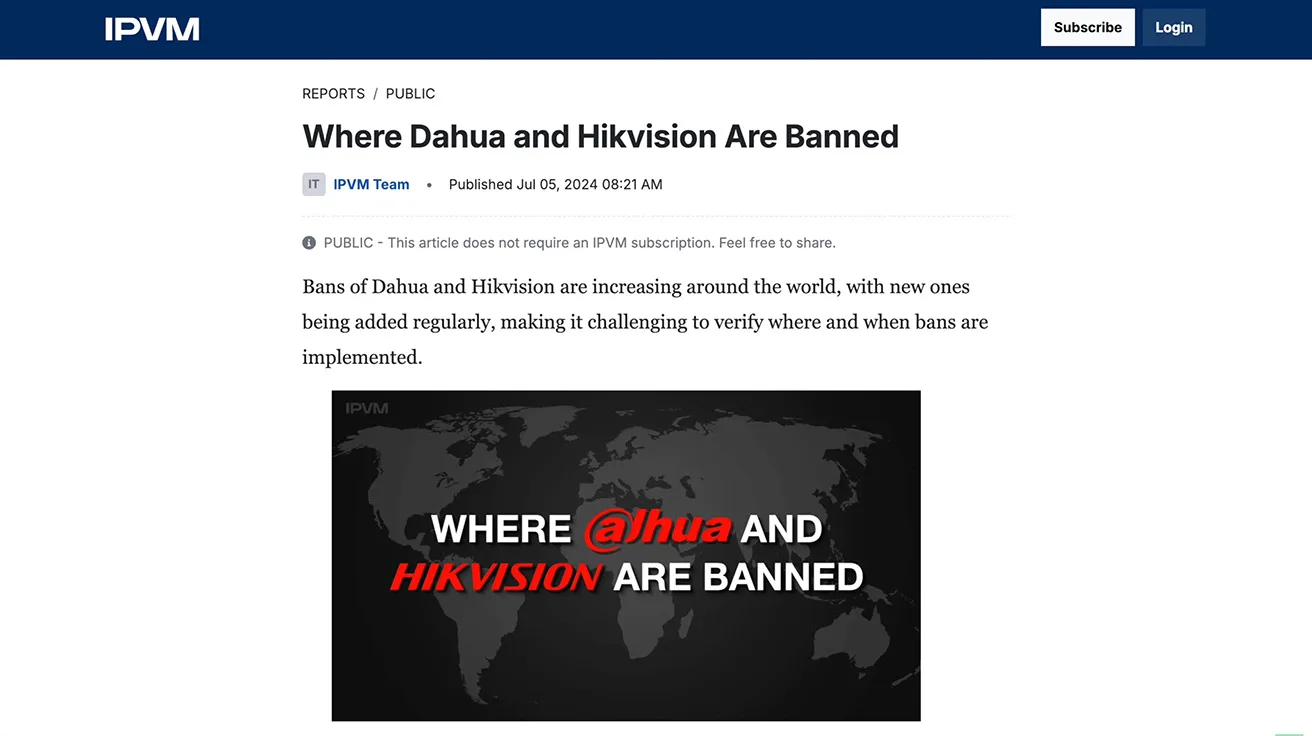
This may not affect every business today, but it is important to understand. Certain manufacturers, including Hikvision and Dahua, face restrictions in many government-related projects in the United States. We have seen situations where organizations later had to replace equipment because compliance requirements changed. If you are making a long-term investment, ask your integrator whether the equipment they are recommending is NDAA compliant and whether there are any future risks you should be aware of.
Final Thoughts
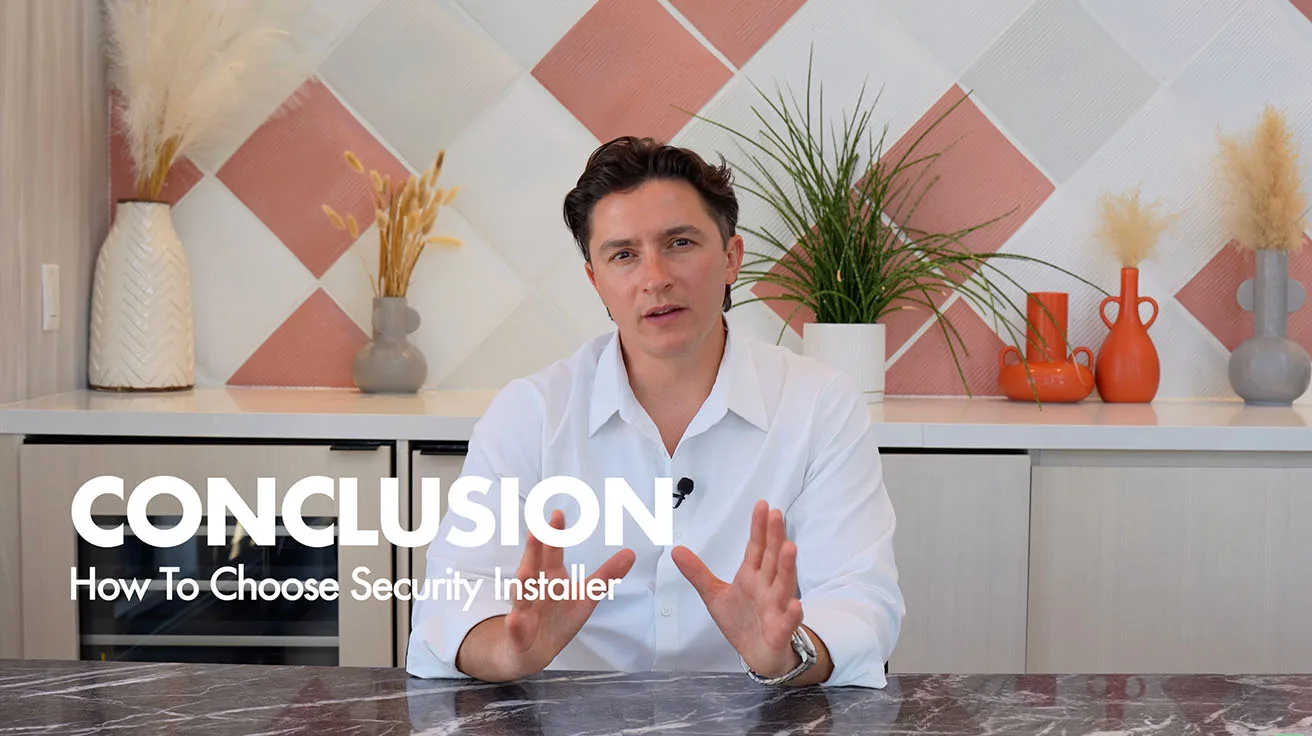
The success of your project depends more on the company you choose than on the equipment you buy. Great equipment cannot compensate for poor planning, poor support, or poor implementation. Take your time, ask questions, verify licenses, review certifications, look at previous projects, and make sure the company understands your business.
If you are currently looking for a security integrator, you can visit Pipl Systems. We are building a directory of security companies across North America, including information about certifications, project experience, reviews, and the technologies they work with.
To see a complete breakdown of these strategies and hear real-world implementation examples firsthand, watch the full guide below:
FAQ Section
Why is a site survey important before installing a commercial security system?
A site survey allows the security integrator to understand the physical layout of your building, identify blind spots, measure cable runs, and check existing network infrastructure. This upfront planning guarantees that the equipment list matches your exact needs and prevents unexpected costs during the installation process.
What does NDAA compliant mean for security cameras?
NDAA compliance refers to the National Defense Authorization Act, a US law that restricts the use of certain telecommunications and video surveillance equipment manufactured by specific companies, citing national security concerns. Choosing NDAA compliant hardware ensures your business avoids future regulatory risks.
Do I really need a maintenance agreement for my security system?
Yes. Security hardware operates 24 hours a day and requires regular firmware updates, lens cleaning, and connection checks. A maintenance agreement guarantees a defined response time from your integrator if a critical component fails, ensuring your property is never left unprotected.
What is the difference between access control and video surveillance?
Video surveillance utilizes cameras to record visual evidence of activities happening on your property. Access control uses electronic locks, key fobs, or biometric scanners to physically restrict who can enter specific doors at specific times. Integrating both systems allows you to match video footage directly to entry events.
How much internet bandwidth do commercial IP cameras use?
The bandwidth required depends on the camera's resolution, frame rate, and video compression format. A modern 4K camera can consume significantly more bandwidth than a standard 1080p camera. Your integrator should calculate these requirements beforehand so the security network does not slow down your primary business internet.
Should my business use self-monitoring or professional monitoring?
Self-monitoring sends push notifications to your smartphone, which is cost-effective but relies entirely on you being awake and available to check your phone. Professional monitoring connects your system to a 24/7 dispatch center that can instantly verify alarms and contact local authorities even if you are unreachable.