


I'm Jack Dugas from Roger's Security Systems, and in this detailed ICT access control case study, I'm walking you through an active, in-progress enterprise security upgrade we're executing at a large multi-level commercial facility in the Burlington/GTA area of Southern Ontario. This project represents a comprehensive modernization of the client's aging card access infrastructure, integrating enterprise-grade video surveillance and fire monitoring to create a unified, scalable security ecosystem.
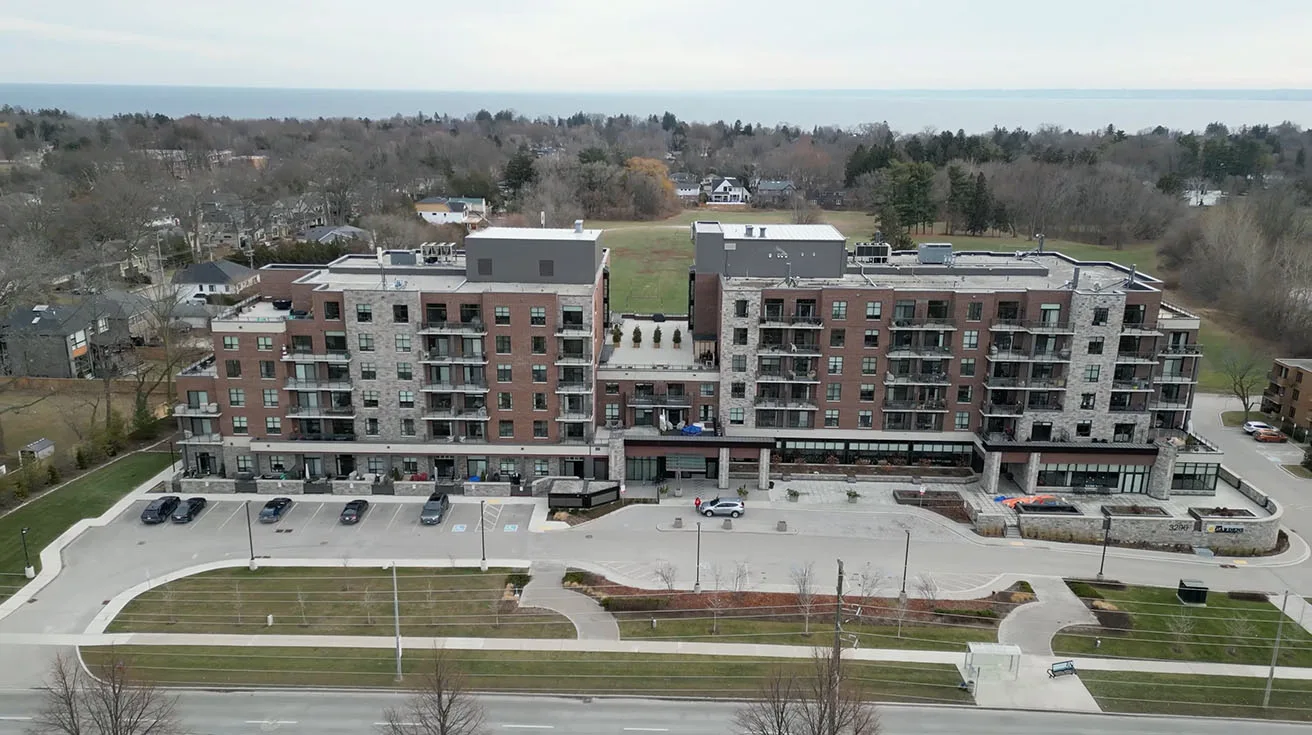
The site presents typical challenges we encounter in commercial properties: a busy parking garage spanning multiple levels, numerous exterior entry points, a mix of commercial and residential spaces, and a legacy system that had reached the end of its serviceable life. Our mandate was clear: replace the outdated platform with modern ICT access control technology, extend secure access to all critical doors, integrate with the existing camera infrastructure, and tie fire monitoring into a central station for automated emergency response.
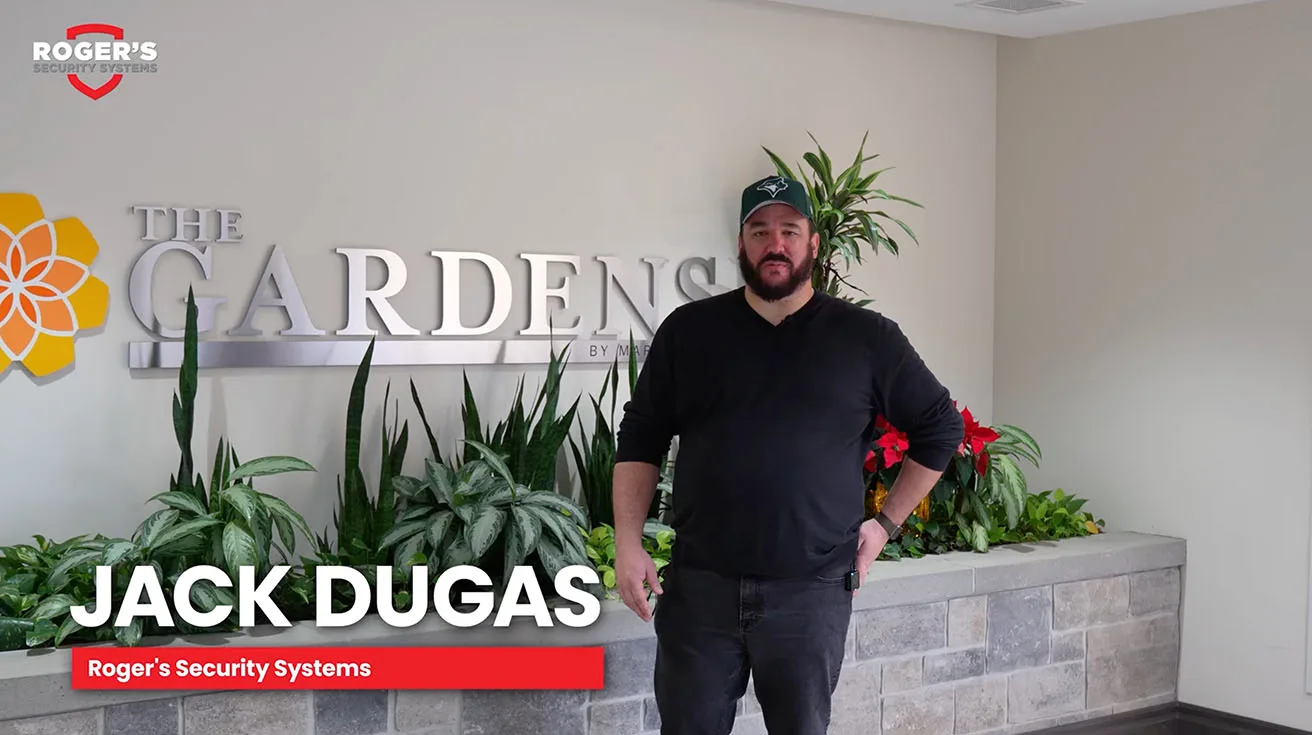
We filmed this case study during Phase 2 of the deployment, so you'll see real work in progress: conduit runs, wiring installations, panel configurations, and the strategic thinking behind how we plan for future growth. In line with Pipl Systems' editorial standards for responsible security documentation, we've ensured that no sensitive information (passwords, serial numbers, IP addresses, or proprietary configurations) appears on camera, and we've blurred anything that could compromise site security.
Strategic Approach: Phased ICT Access Control Deployment
Phase 1: Foundation and Legacy System Replacement
The project began with Phase 1, which focused on replacing a 10-15-year-old card access system that had become increasingly unreliable and difficult to support. Rather than attempting a complete overnight cutover (which would have created unacceptable risk for a 24/7 facility), we executed a clean, methodical takeover of the legacy infrastructure.
We stood up the modern ICT access control backbone, validated stable operation across critical entry points, and added a small number of new doors to prove system reliability before committing to broader expansion. This conservative approach gave both our team and the client confidence that the new platform could handle the facility's operational demands without disruption.
Phase 2: Parking Garage Expansion
Phase 2, which was underway during filming, extends ICT access control to all exterior doors in the parking garage across two levels (approximately twelve to thirteen doors in total). We're implementing a consistent hardware approach across all these access points to ensure reliability, maintainability, and a professional appearance:
- New reader and strike runs utilizing existing conduit where it remains code-compliant and structurally sound, while installing new metal conduit where necessary to meet current standards
- Wall-mounted reader boxes for clean, repeatable installations that present a professional appearance and protect hardware from impact damage
- Recessed electric strikes for durability and aesthetics at high-traffic openings, reducing both visual impact and the risk of mechanical failure from door abuse


1 / 4
The architecture we're building in Phase 2 is deliberately designed for expansion. Understanding the basics of how these components work together is essential for anyone planning similar projects, which is why we recommend starting with foundational knowledge about door access control systems.
Phase 3: Residential Suite Integration
Looking ahead, Phase 3 will extend ICT fob access to residential suites within the facility, enabling seamless, secure entry for residents without carrying traditional keys. This upcoming expansion is why our current design must scale gracefully in panel count, power budgets, and controller capacity without requiring a costly rip-and-replace approach.
The modular nature of ICT systems makes this type of phased growth practical, but it requires careful planning from the beginning. We're allocating cabinet space, sizing power supplies with headroom, and documenting our addressing schemes now to avoid bottlenecks later.
Enterprise Video Surveillance Infrastructure
Evolution from Fixed NVR to Custom Server
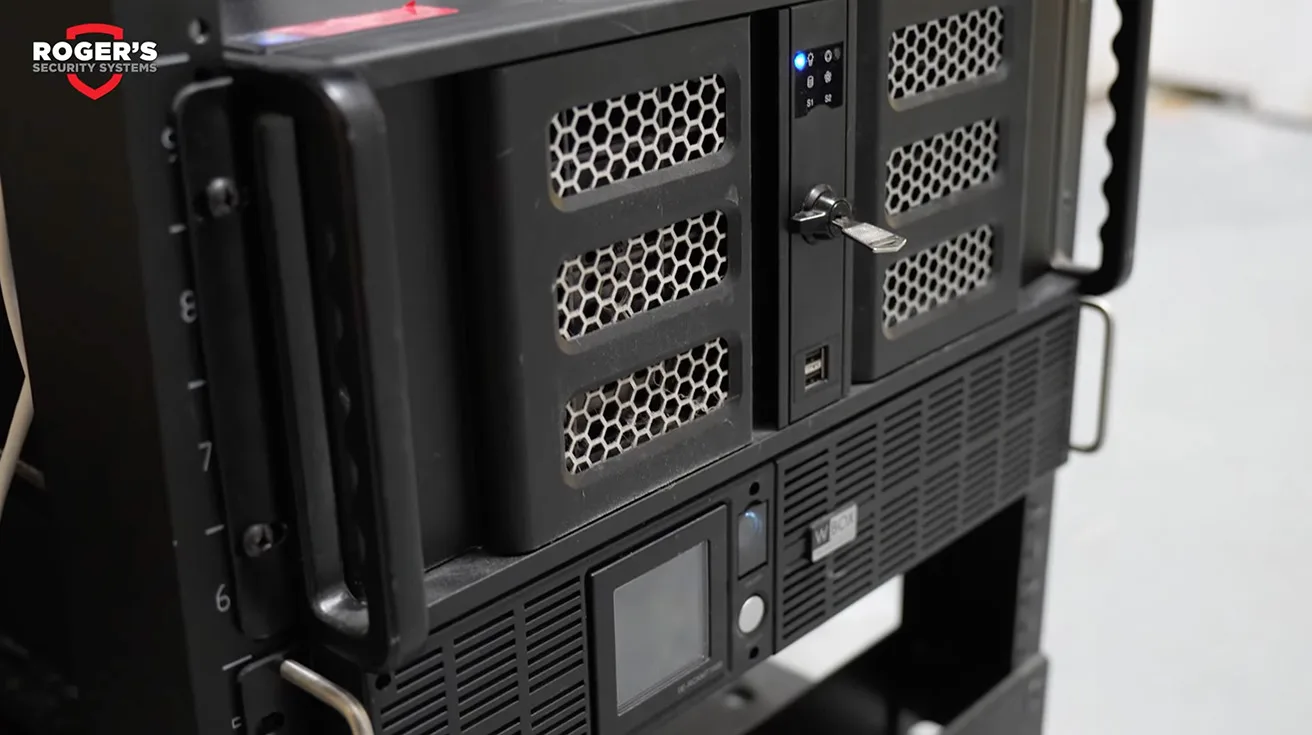
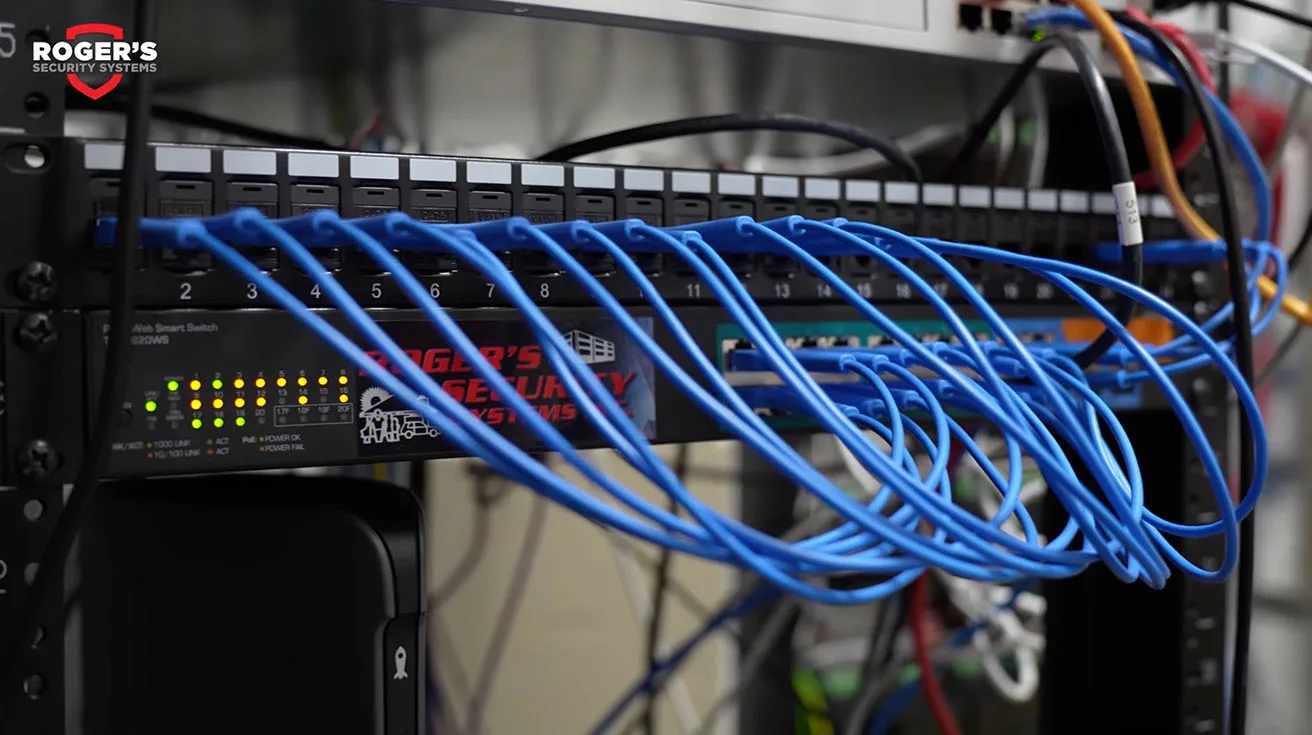
The property's camera system has evolved significantly over the years. What began as a modest 16-channel NVR installation has grown into a 20+ camera environment that continues to expand annually. To accommodate this growth, we transitioned from a fixed-channel NVR to a custom-built server several years ago.
This migration delivered several critical advantages for the client:
- Headroom for expansion: The custom server architecture supports additional cameras and higher bitrates without hardware replacement
- Flexible storage allocation: Retention targets can be adjusted based on actual operational needs rather than fixed hardware limits
- Software control: The client has better control over update timing, driver compatibility, and feature deployment
Strategic Camera Placement and Longevity
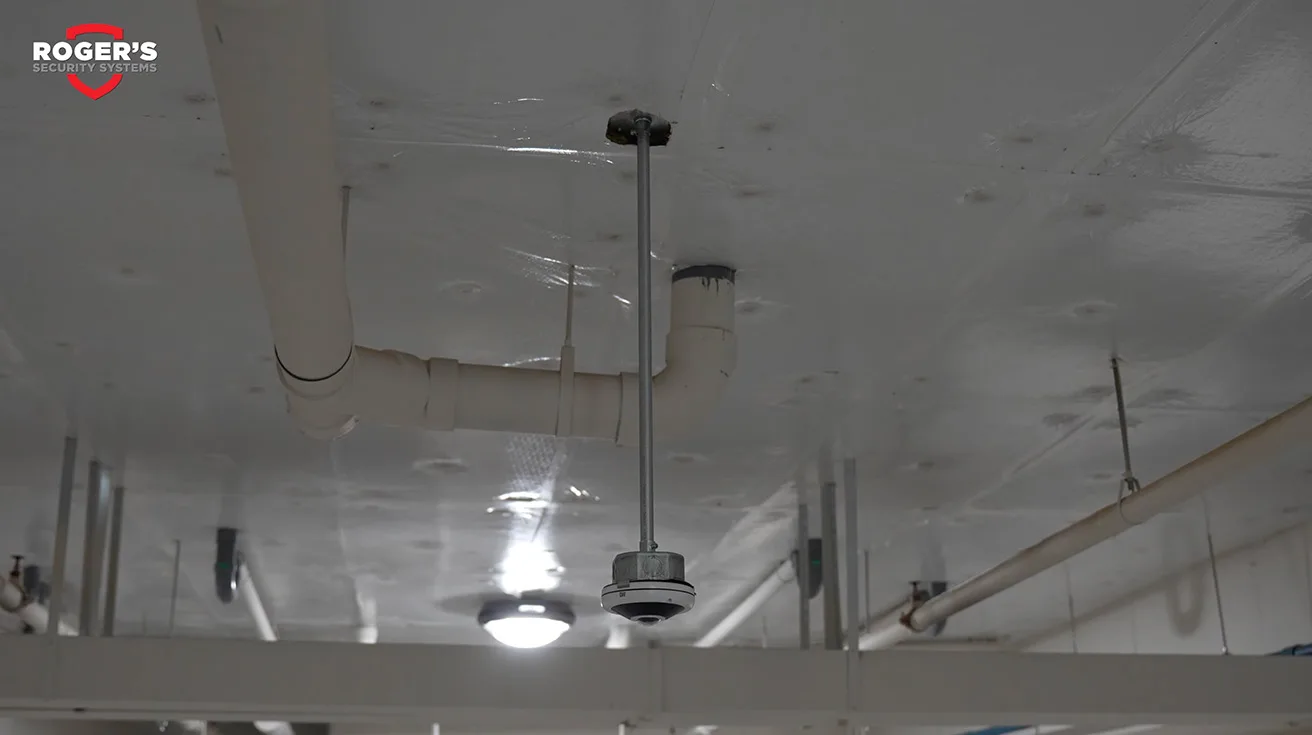
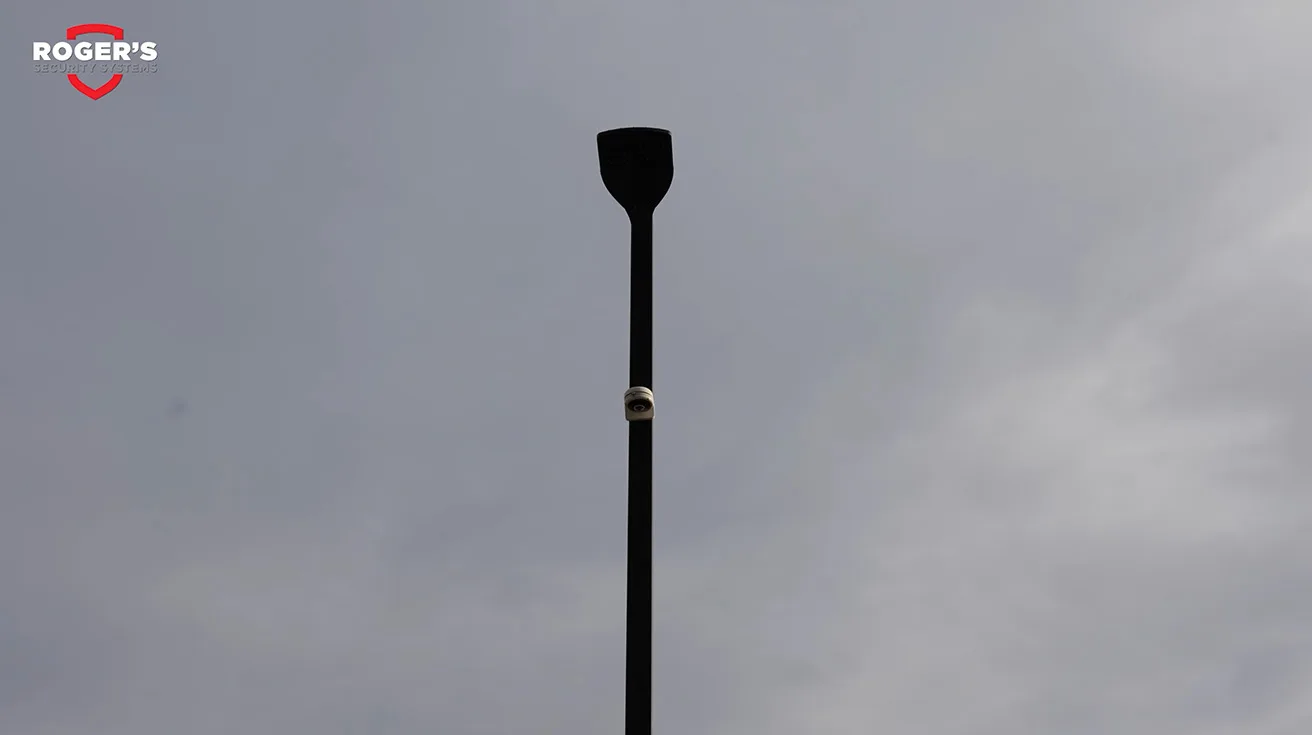
Cameras are strategically positioned throughout the parking garage and building exterior to provide comprehensive coverage of vulnerable areas. The system supports monitoring for slips and falls (important for liability management), vandalism, unauthorized access attempts, and general security events. Two large monitors in the facility's control room serve as a centralized monitoring station where security staff can view live feeds and review recorded footage.




1 / 8
One point worth emphasizing: several 4-megapixel fisheye cameras we installed four to five years ago still meet today's operational requirements. This demonstrates the value of investing in quality optics and thoughtful camera placement (decisions that provide ROI measured in years, not months).
On the access control side, the same principle applies to software management. Properly managing your ICT Protege GX licensing and server maintenance prevents preventable downtime and extends system life. We've documented our field-tested approach to downloading and updating Protege GX server software and licenses to help other integrators avoid common pitfalls.
ICT Panel Architecture and Cable Management
Cabinet Expansion Strategy
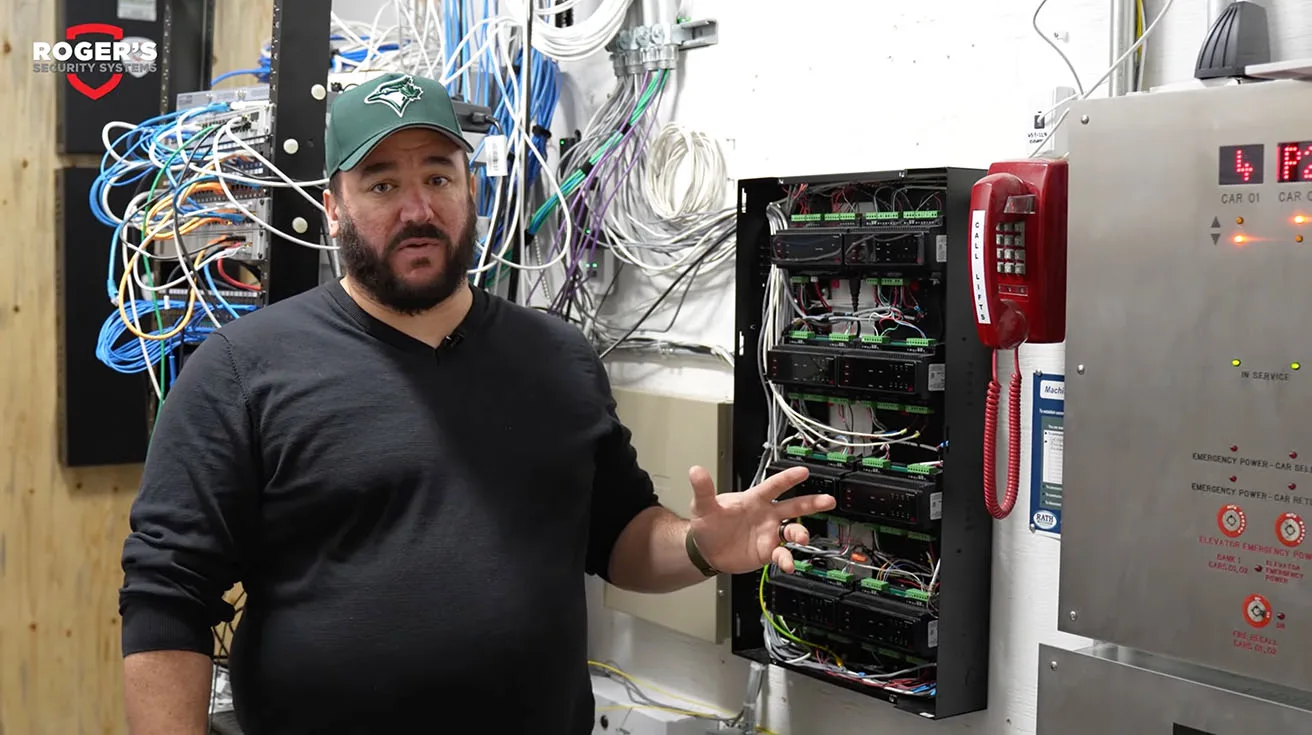
Walk into the server room and you'll immediately notice two distinct cabinet installations. The original cabinet, inherited from the legacy system takeover, is at capacity: every available DIN rail position and power supply terminal is in use. Rather than cramming additional hardware into an already-full enclosure (a recipe for reliability problems and service nightmares), we installed a new expansion cabinet specifically for the parking garage doors.
This new cabinet provides room not just for the current Phase 2 requirements, but also for the residential suite access points planned for Phase 3. This forward-thinking approach costs slightly more upfront but saves dramatically on labor and downtime when expansion time arrives.
Professional Wiring Practices
We run neat, labeled wiring and finish installations with clean faceplates so that day-to-day users see status indicators and clean surfaces, not a tangle of cables. This attention to detail is more than aesthetic preference; organized cable management directly reduces service time, prevents accidental damage during routine maintenance, and communicates professionalism to clients who may not understand the technical details but certainly recognize quality workmanship when they see it.
For teams planning larger ICT Protege GX deployments, consistent device addressing on the RS-485 bus is absolutely critical. We recommend documenting a repeatable addressing scheme across DIN rail modules, door controllers, and keypads, then following that scheme religiously throughout the project. We've compiled our field-tested practices in a comprehensive guide on configuring and addressing RS-485 devices with ICT Protege GX that walks through the logic and methodology we use on projects like this one.
Fire Monitoring and Central Station Integration
Automated Emergency Response
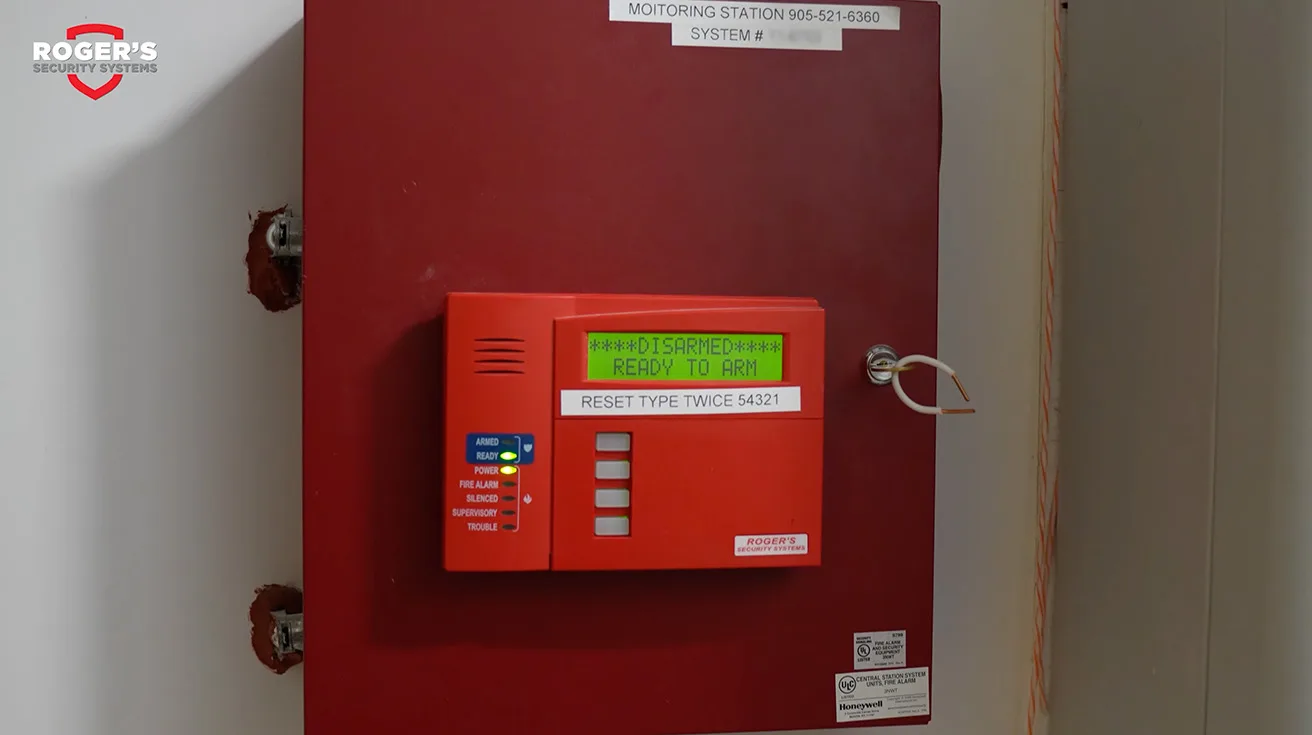
The facility's fire monitoring panel supervises the building's sprinkler system and smoke detection network. Our fire monitoring interface receives alarm states, troubles, and restorations from the main fire panel and transmits them automatically to the central monitoring station. When an alarm occurs, the system dispatches the fire department and notifies designated facility personnel without requiring manual intervention (a critical capability for life safety).
This automated workflow means that even if the building is unstaffed or security personnel are occupied with another incident, fire emergencies still receive immediate professional response. Staff can review alarm states, trouble conditions, and system restorations from the monitoring platform without standing in front of the physical fire panel.

1 / 2
Code Compliance and Standards
Fire monitoring integration must follow applicable codes and standards; this isn't an area where shortcuts or "good enough" approaches are acceptable. In North America, frameworks like NFPA 72 outline requirements for fire alarm signaling and monitoring, while in Canada, ULC-S561 defines standards for central station fire signal transmission. Both frameworks exist to ensure reliable communication between protected premises and emergency responders, and compliance isn't optional.
For operations teams that want real-time visibility into both access control events and alarm conditions (including device health monitoring and trouble notifications), implementing a live status dashboard in Protege GX can dramatically streamline response and maintenance workflows. We've documented a step-by-step method for creating live status pages with ICT Protege GX that brings together access events, camera triggers, and system health into a unified operator view.
Collaboration with Pipl Systems: Documenting Real-World Security Projects
This case study was produced in partnership with Pipl Systems, whose mission is to document real-world security installations as they actually happen in the field. As Oleg Bordiian, founder of Pipl Systems, noted in his LinkedIn post about our collaboration:
At Pipl Systems, we continue producing real-world case studies with security system integrators to showcase both the quality of their work and how modern security systems operate on actual sites, not in theory, but in practice.In this episode, we visit a project with Jack Dugas and the Roger's Security Systems team in Ontario. At the time of filming, the project was actively underway, with the team in the middle of deploying an enterprise-level Integrated Control Technology access control system as part of a broader security upgrade.
The value of this approach cannot be overstated. Too much content in the security industry consists of polished marketing materials that show perfect installations under ideal conditions, or theoretical discussions that don't address the messy realities of retrofit projects, budget constraints, and site-specific challenges. By documenting work in progress (with conduit still being installed, panels being wired, and decisions being made in real time), we provide security professionals with practical insights they can apply to their own projects.
This transparency benefits everyone: installers learn field-tested techniques, end users gain realistic expectations about what professional installations involve, and manufacturers receive honest feedback about how their products perform in demanding real-world environments.
Roger's Security Systems: Three Decades of Professional Security Integration
As the lead on this project and a representative of Roger’s Security Systems, I'm proud to showcase the work our team does every day across Southern Ontario. This ICT access control upgrade, captured in partnership with Pipl Systems, reflects our approach to complex commercial security projects: methodical planning, quality installation practices, and systems designed for long-term reliability rather than short-term cost savings.
Roger's Security Systems has served the Southern Ontario region for over 32 years as a family-owned business built on long-term customer relationships and a strong local reputation. We've grown the traditional way: through referrals, repeat business, and a commitment to doing the job right the first time. That longevity gives us perspective that newer companies simply can't match; we've installed, serviced, and upgraded systems across multiple technology generations, and we understand which approaches stand the test of time versus which create problems down the road.

Comprehensive Security Services
Our work spans the full spectrum of modern security systems:
- Access control systems for commercial facilities, multi-tenant buildings, and residential properties, from single-door installations to enterprise deployments like the one documented here
- Video surveillance solutions ranging from basic camera systems for small businesses to enterprise-scale installations with dozens of cameras, custom servers, and integration with access control and analytics
- Intrusion alarm systems utilizing platforms from multiple manufacturers, selected based on site requirements rather than vendor relationships
- Fire monitoring and life safety systems integrated with ULC-listed central monitoring stations for code-compliant emergency response
- 24/7 professional monitoring services that provide trained operators standing by around the clock to respond to alarms, verify events, and dispatch emergency services
Life Safety Commitment
One achievement we're particularly proud of: Roger's Security received a Life Safety Award at a Honeywell First Alert Dealer convention, tied to a real incident where our monitoring response helped save lives. This recognition reflects something fundamental about how we approach security work; these aren't just technical systems we're installing, they're life safety infrastructure that people depend on during the worst moments of their lives. We use ULC-listed monitoring stations throughout Ontario and focus on designing systems that work reliably in real-world emergencies, not just during installation demos.
Local Expertise, Broader Reach
If you're located in Southern Ontario, we're your local security partner: we understand regional building codes, work with local authorities having jurisdiction, and can be on-site quickly when you need service or support. If you're located elsewhere (Alberta, Saskatchewan, or eastern Canada), we can still help. We've supported clients beyond our core geographic region and can provide consultation, system design, and recommendations for qualified local installation partners when direct service isn't practical.
1 / 2
We handle every phase of the security lifecycle: initial assessments and security design, professional installation, system commissioning, user training, ongoing service, and 24/7 monitoring. Whether you're planning a project similar to the ICT access control upgrade shown in this case study, or you have questions about a specific security challenge you're facing, our team brings decades of real-world experience to the conversation.
You can reach Roger's Security Systems at 905-319-3244 or visit our website at rogers-security.com.
Summary and Next Steps
This multi-phase project demonstrates the complexity and careful planning required for successful enterprise security upgrades. To recap what we've covered:
ICT Access Control Modernization: We replaced a decade-old legacy system with a modern ICT platform and expanded coverage to include all parking garage exterior doors across two levels, using consistent hardware and professional installation practices designed for long-term reliability.
Enterprise Video Surveillance: The facility's camera system evolved from a 16-channel NVR to a custom server supporting 20+ cameras with room for continued growth, providing comprehensive monitoring of parking areas and building perimeters.
Fire Monitoring Integration: The fire alarm panel is integrated with a central monitoring station for automated emergency response, ensuring that fire emergencies receive immediate professional attention regardless of building occupancy.
Cabinet Expansion and Wiring Infrastructure: New cabinets and meticulously organized wiring provide the foundation for Phase 3 expansion to residential suite access without disrupting existing operations.
As Phase 3 approaches, we'll extend ICT fob access to residential suites, likely requiring additional cabinet space and planned I/O expansion. The architecture and planning we've put in place during Phases 1 and 2 ensures that this growth happens smoothly, without the disruption and rework that results from short-sighted initial designs.
FAQ: Enterprise ICT Access Control Upgrades
How do I plan a phased ICT access control upgrade without causing downtime?
Start by taking over the legacy system with minimal changes, validate stability across critical access points, then add doors in logical groups (such as all exterior garage doors or an entire building level). Plan cabinet expansion and power capacity in advance rather than cramping hardware into already-full enclosures.
What's the benefit of moving from a 16-channel NVR to a custom server?
Scalability and control. You gain capacity for more cameras, support for higher bitrates and resolutions, flexible storage allocation for varying retention requirements, and better control over software updates and driver compatibility, all without replacing entire recording platforms.
How do ICT panels scale for multi-level facilities and future expansions?
Use a standardized, documented RS-485 addressing plan across all controllers and modules, reserve cabinet space and power supply capacity for future growth, and maintain detailed wiring documentation for reader and strike installations to enable repeatable expansion.
How do I integrate fire monitoring with access control systems?
Use supervised inputs to receive alarm states, troubles, and restorations from the fire panel, then signal the central monitoring station according to applicable codes (NFPA 72 in the US, ULC-S561 in Canada). Keep access control logs and fire alarm events separate but visible to the same operators for unified situational awareness.
What's the best way to reduce service time on large retrofit projects?
Invest in professional cable management with proper labeling, install finished faceplates that protect wiring and present a clean appearance, document addressing schemes and wiring paths, and use consistent hardware across similar access points. These practices shorten troubleshooting time and prevent accidental damage during routine maintenance.
Where can my team learn ICT Protege GX best practices?
If you're configuring new controllers or planning RS-485 bus architecture, our hands-on addressing guide provides field-tested methods. For building operator visibility with live status dashboards, our event monitoring guide walks through the configuration. For server lifecycle management, our licensing and updates documentation covers best practices. And if you're new to access control fundamentals, start with our introductory overview of door access control systems.