
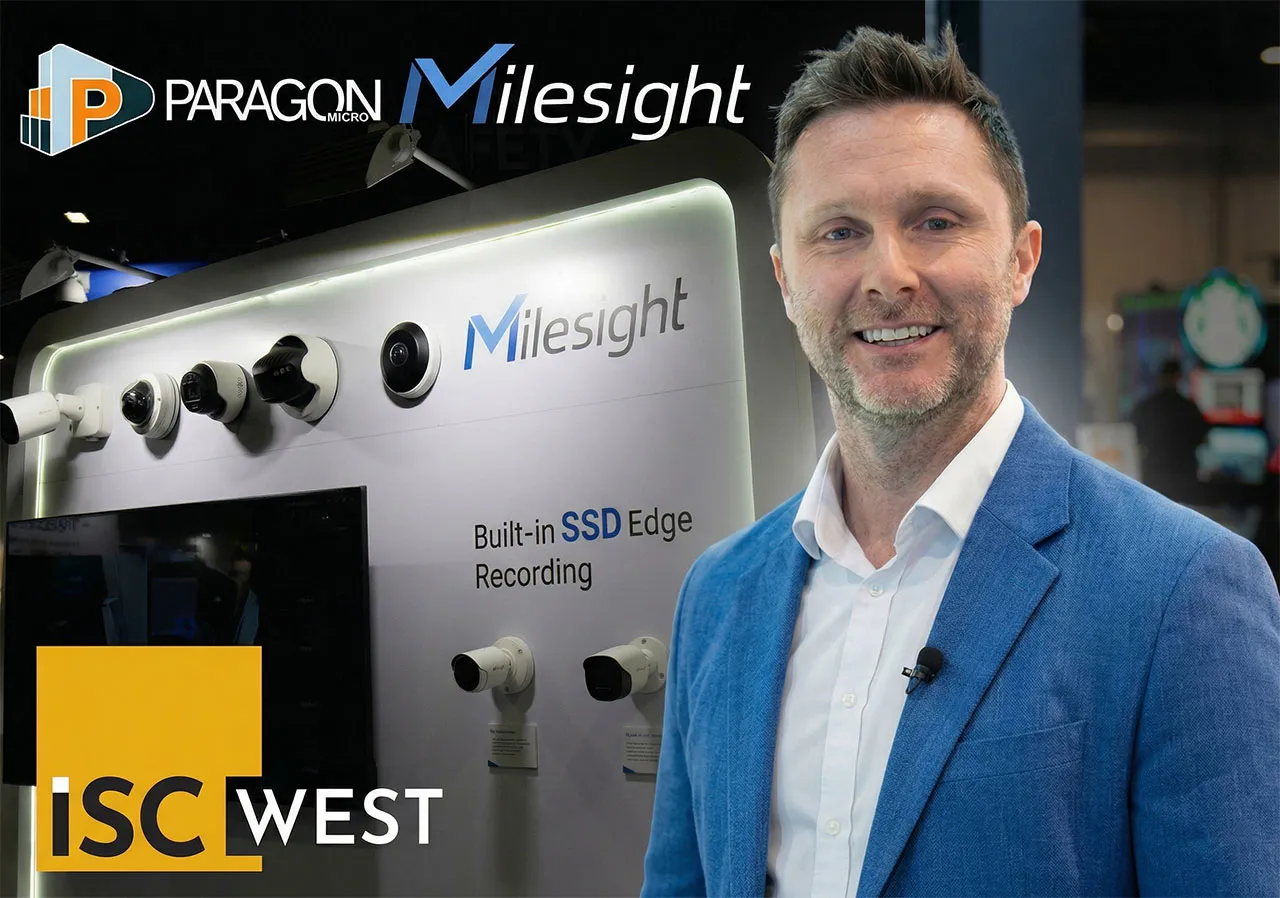
When we talk about scaling video surveillance, the conversation usually stops at the server rack. Adding cameras means adding servers, which means more licensing, more configuration, and higher costs. But at ISC West 2026, the partnership between Milesight and Network Optix showed a completely different path: putting the VMS directly on the edge.
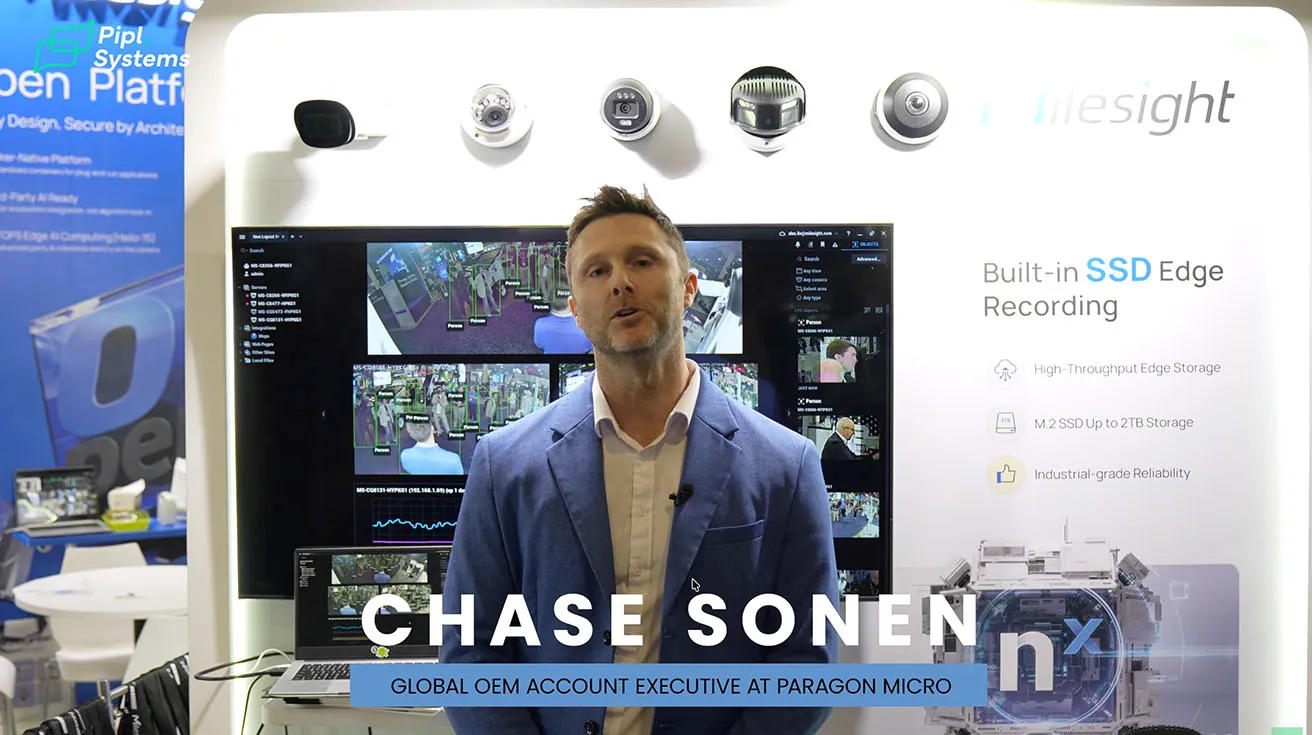
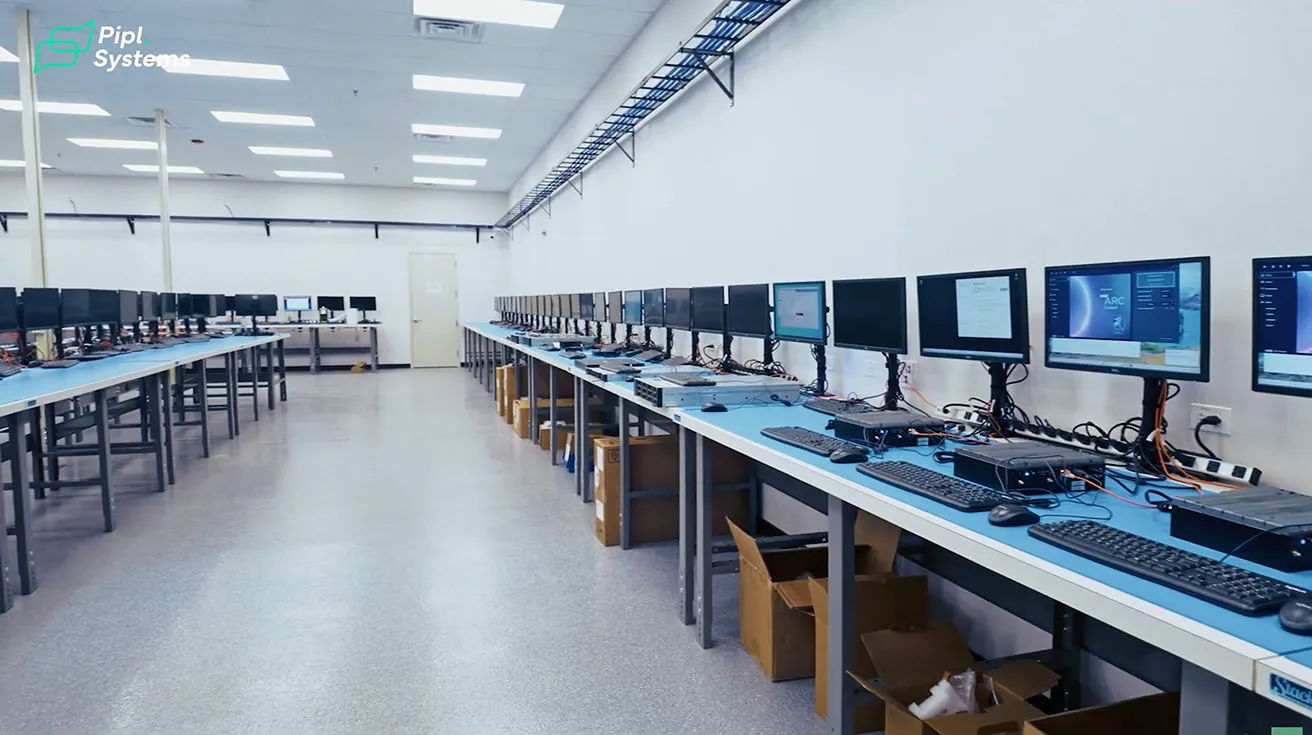
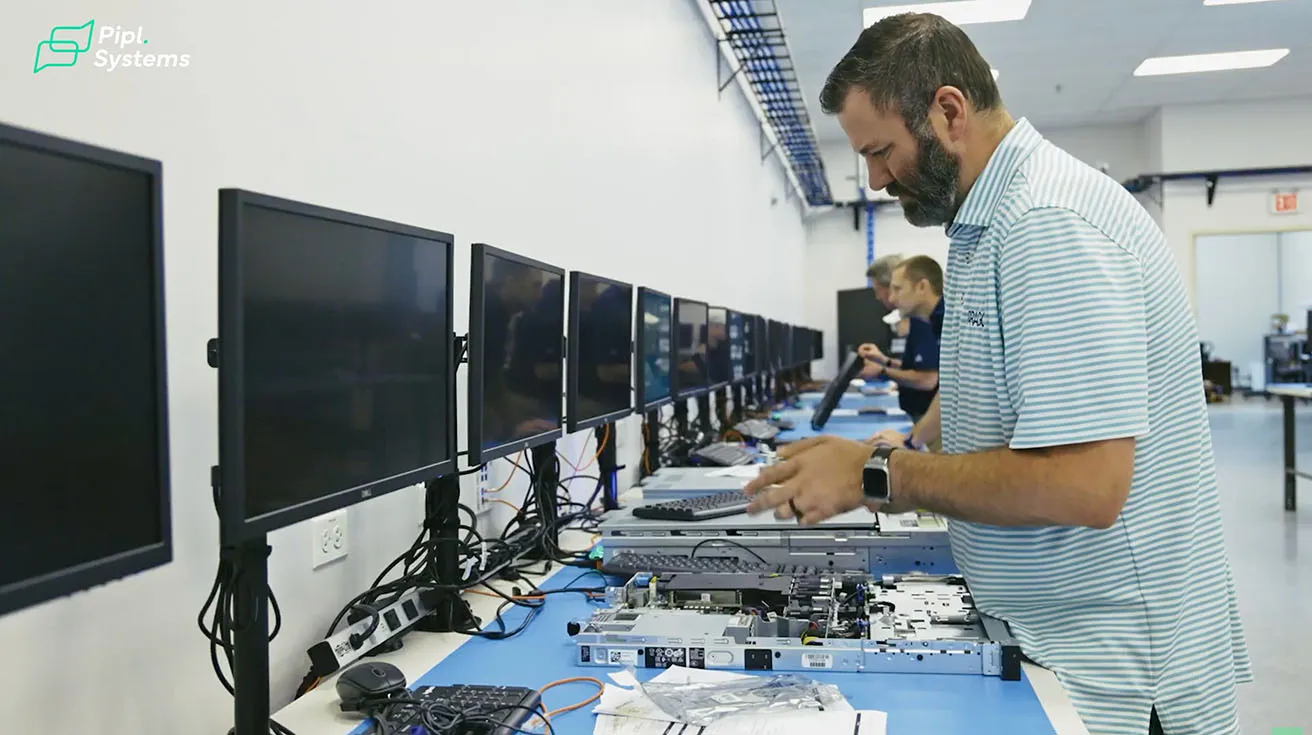
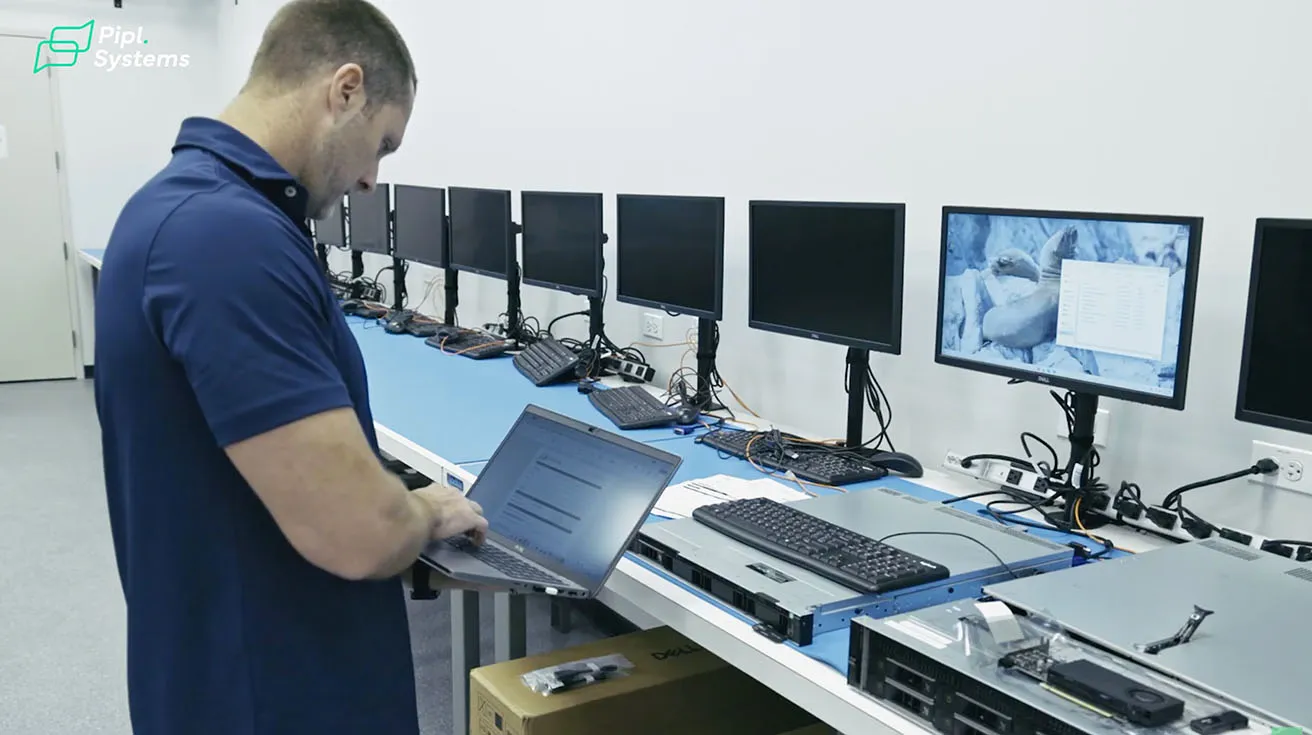
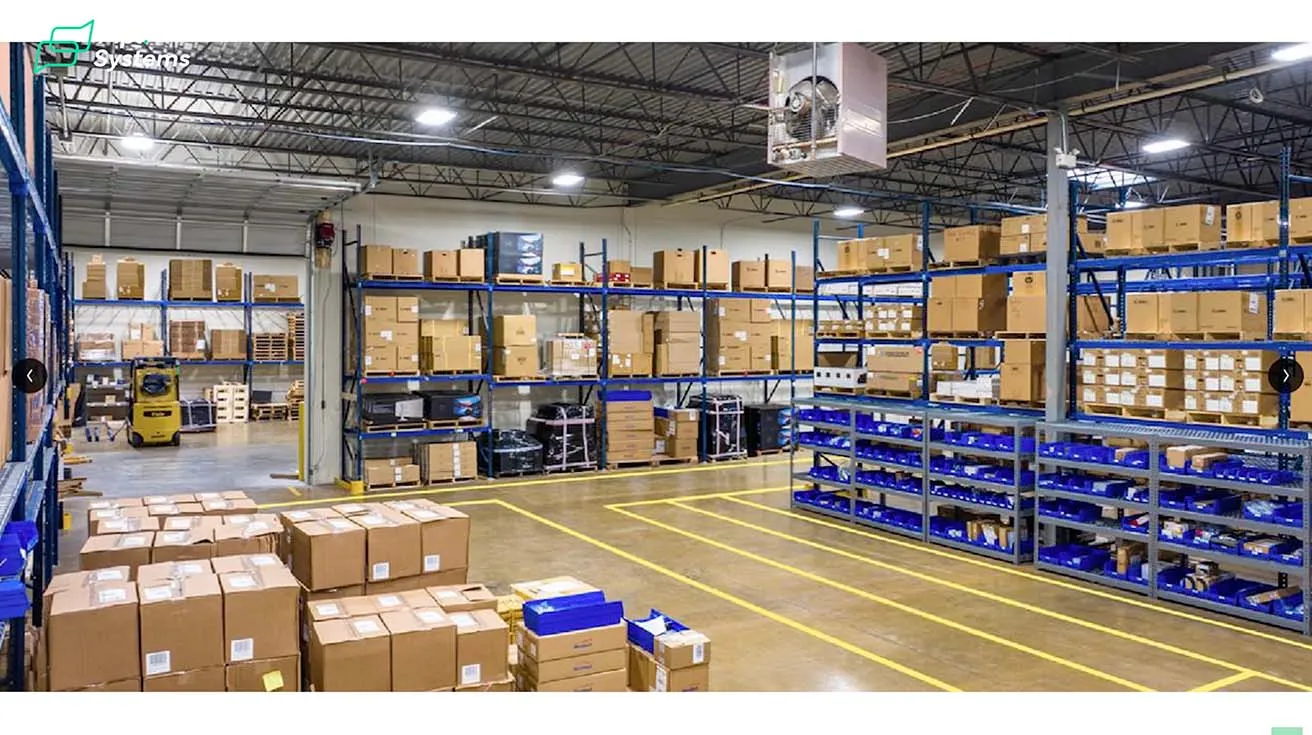
I am Chase Sonen, Global OEM Account Executive at Paragon Micro. We are a $500 million global reseller headquartered in Chicago. We do not just push boxes. With a state-of-the-art configuration center pushing out up to 1,000 systems a day and over 40 solution engineers on staff, we build customizable solutions. When we look at the physical security landscape, we look for technology that makes deployments faster and environments leaner. That is exactly what Milesight is doing right now.
Solution at a Glance
| Field | Details |
|---|---|
| Brand | Milesight & Network Optix |
| Event | ISC West 2026 |
| Integrator, Value-Added Reseller | Paragon Micro |
| Primary Tech | Serverless Architecture, Built-in VMS, Edge AI |
| Key Solution | Open Series Cameras with Embedded Nx |
Highlights
- Serverless Edge: Milesight Open Series cameras come with Network Optix embedded directly inside the device.
- Pre-Configured Scale: For mid-size needs, 8- and 16-channel NVRs arrive with Nx EVOS already installed and ready to deploy.
- Enterprise Support: Paragon Micro backs these deployments with Tier 1 and Tier 2 support across North America and the UK.
The Problem: The Cost of Traditional Architecture
In traditional deployments, the camera is just a dumb lens sending data back to an expensive box. For smaller sites or remote locations, installing a full server infrastructure just to run a VMS is overkill. It drives up the initial hardware cost, complicates the installation, and requires ongoing IT maintenance. The industry needed a way to keep functionality high without the heavy server footprint.
The Solution: Milesight Open Series and Network Optix
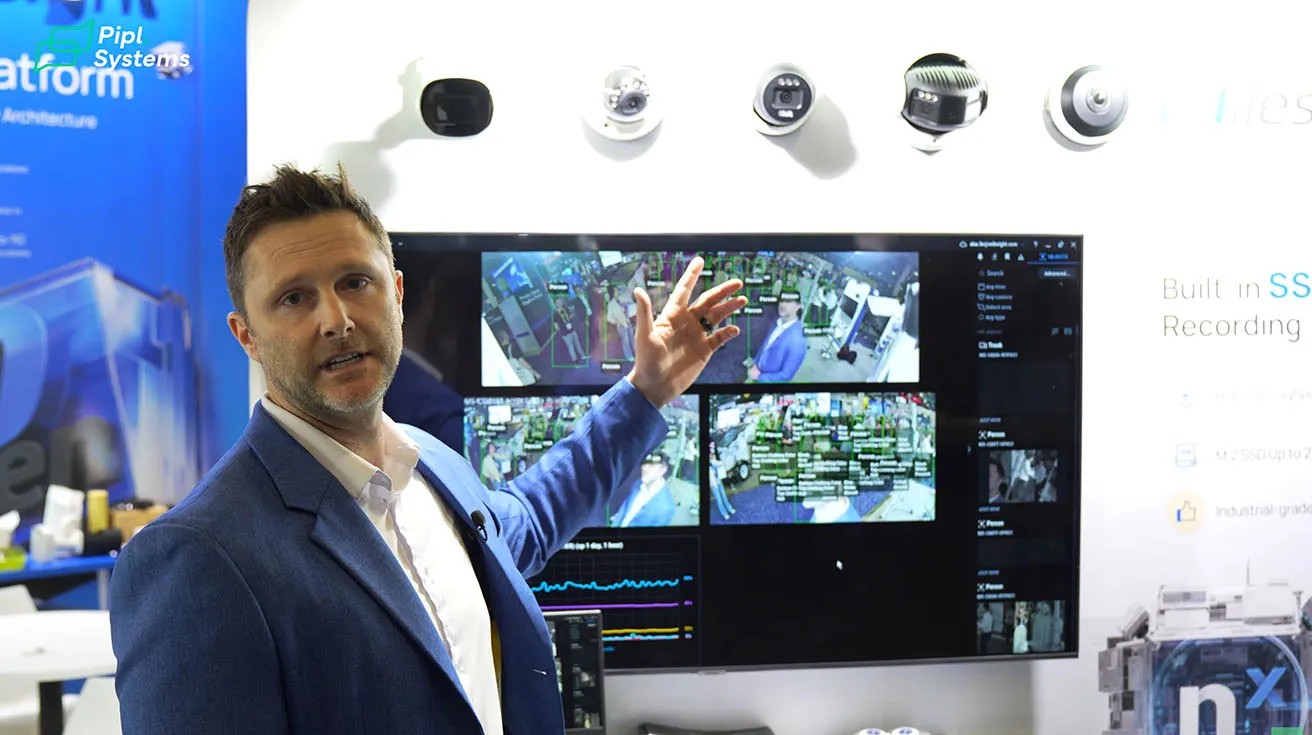
What we are doubling down on at Paragon Micro is the strategic partnership between Milesight and Network Optix. Milesight is already a leading provider of IoT cameras, but they took a massive step forward by addressing the VMS bottleneck at the hardware level.
The Serverless Environment
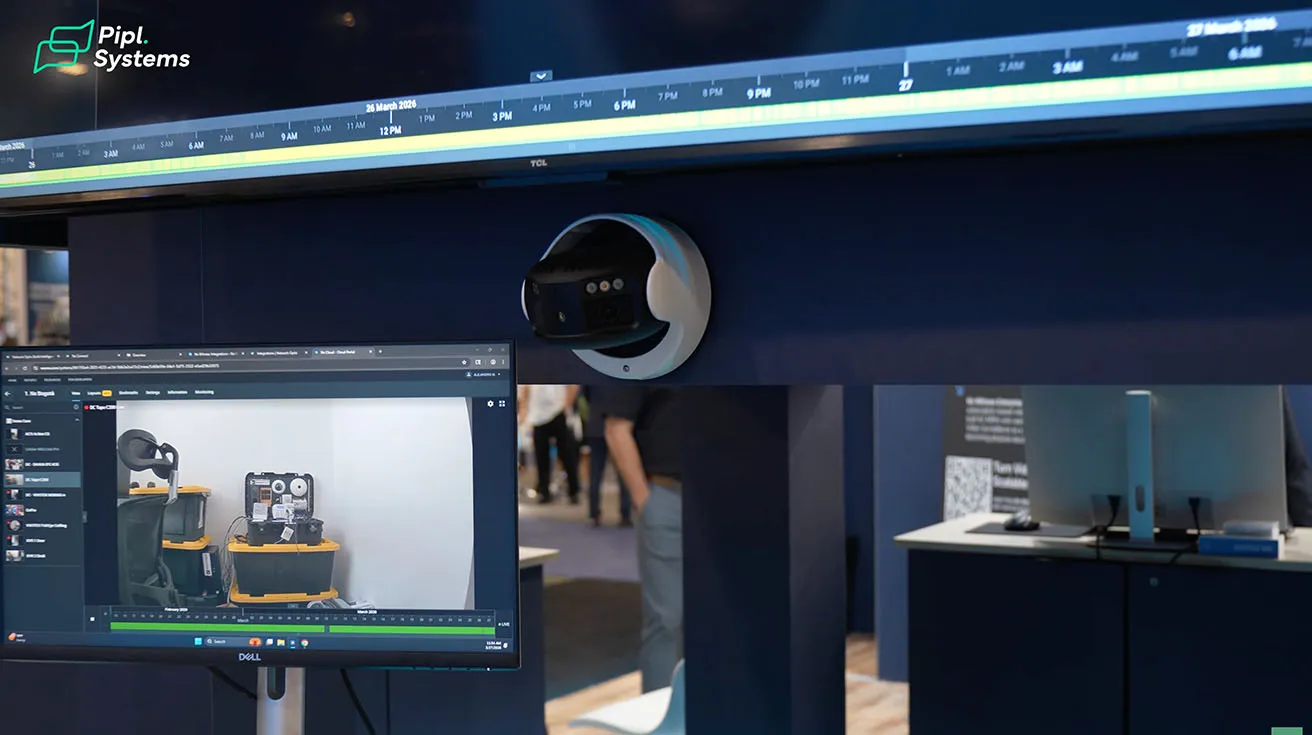
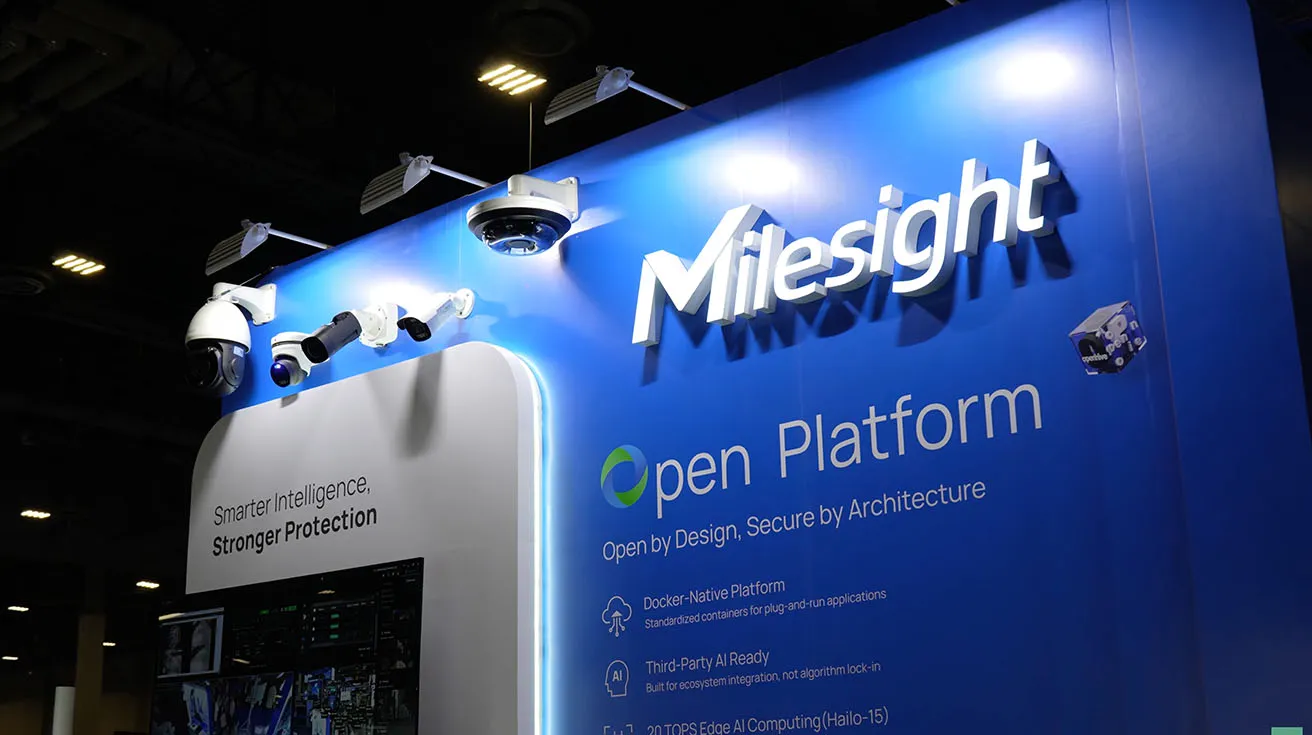
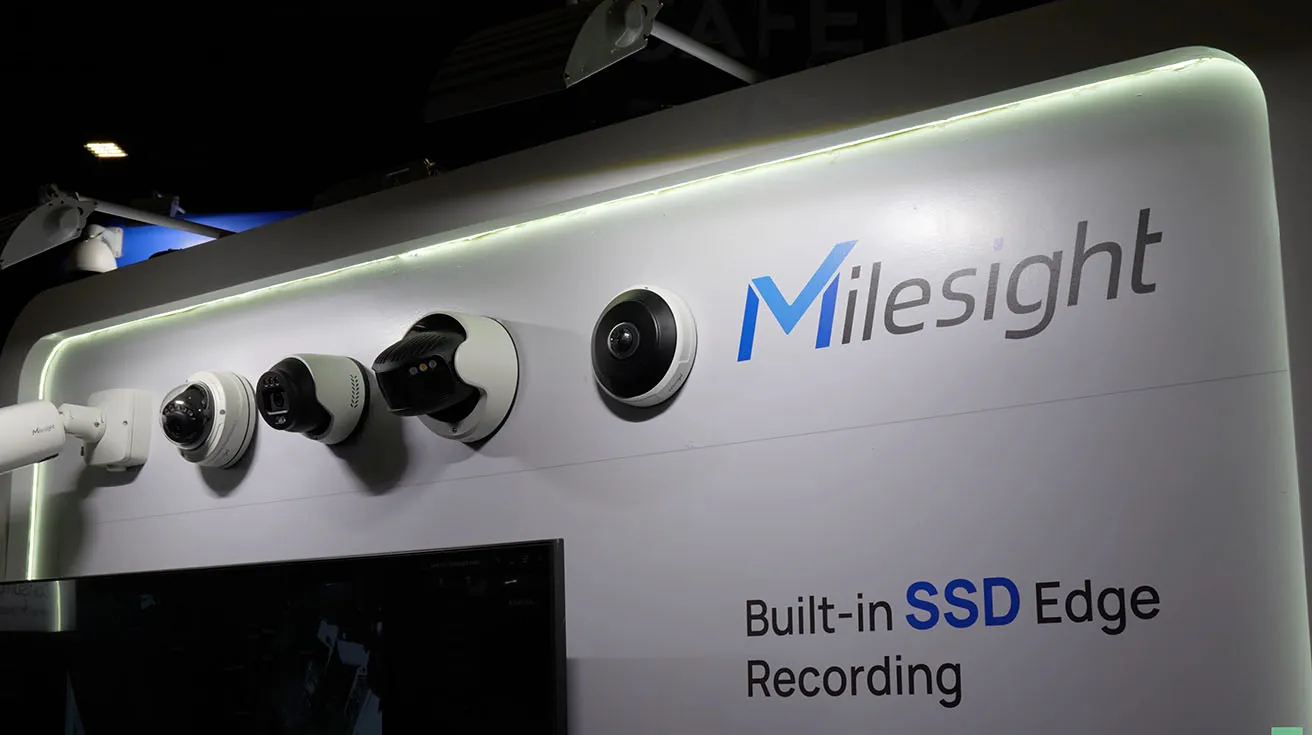
For organizations looking to deploy Network Optix, Milesight’s Open Series product line is the perfect fit. These cameras have the Network Optix software already embedded into the camera itself. You do not need a dedicated server. This allows users in smaller deployments to run a completely serverless environment. It keeps costs down significantly, but you still get the full power of the Nx EVOS platform. You can see how this edge-processing trend has evolved by looking at our coverage of Milesight OpenVision Camera: AI Analytics with Built-in VMS Server.
1 / 3
Scaling Up Without the Complexity
If a client needs a slightly larger deployment, say up to 16 cameras, they do not have to jump immediately to a heavy enterprise server. Milesight offers 8-channel and 16-channel NVRs preconfigured with Network Optix out of the box. This bridges the gap perfectly for mid-sized retail or office locations.
Actionable Data via Nx
For those unfamiliar with Network Optix, it is a leading VMS that takes real-life camera footage and turns it into actionable data using built-in AI. It is incredibly flexible, working with over 99% of IP cameras in existence. Whether it is a single-site deployment or a large multinational operation, the platform scales without limitations. This mirrors the trajectory we saw earlier when we covered Milesight at ISC West 2025: Panorama, Super AI & Serverless Video Surveillance.

1 / 5
Partner Perspective: Why This Project Matters
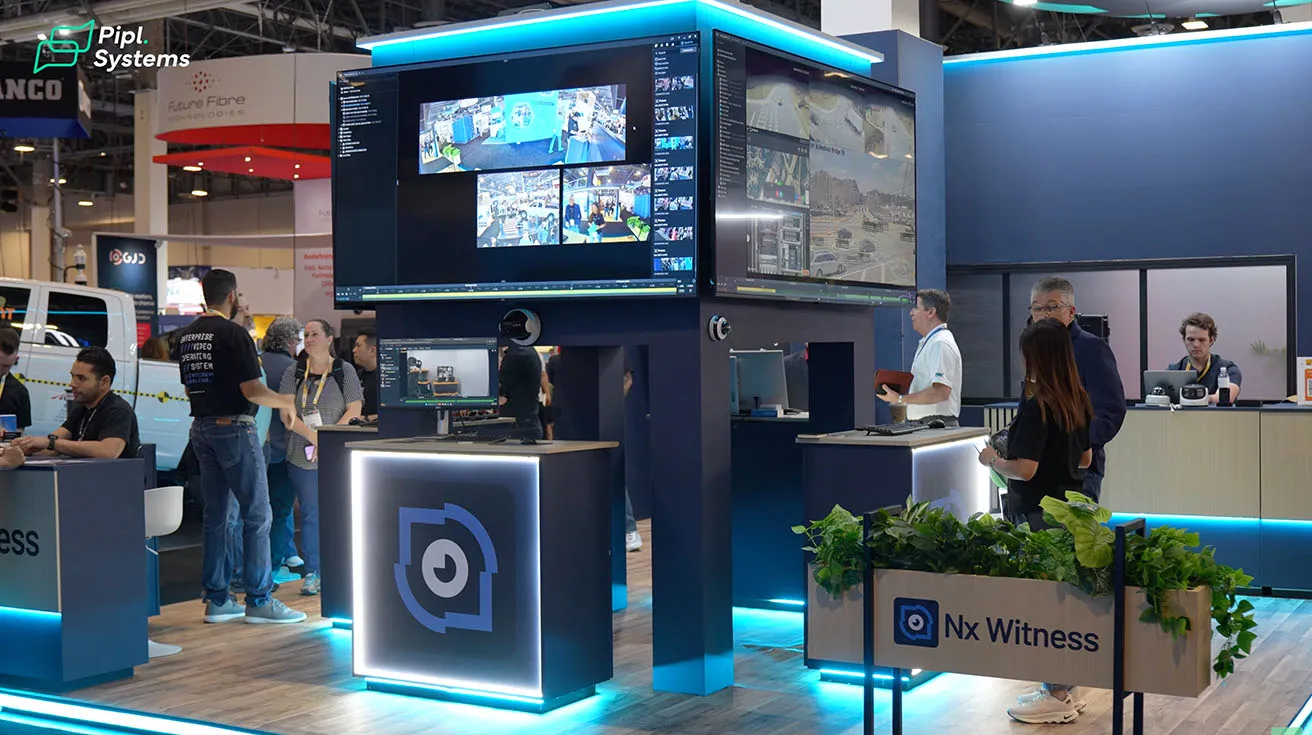
Oleg Bordiian, Founder of Pipl Systems, shared his perspective from the floor at ISC West 2026:
"A story from the Milesight Security booth, where we spoke with Chase Sonen, Global OEM Account Executive at Paragon Micro. He walks through their partnership with Milesight and explains how their solutions are deployed together with Network Optix VMS in real-world projects."
Read the full post on LinkedIn.
1 / 3
Results and Practical Takeaways
As Paragon Micro powers toward a billion-dollar future, we are focusing on solutions that actually make sense for the end user. By utilizing Milesight cameras with embedded Nx, we can eliminate server costs for small sites and deploy faster. We back this entirely with our Tier 1 and Tier 2 support, ensuring the client has a single point of contact.
If you are looking to simplify your camera architecture or need a reliable partner to handle large-scale physical security rollouts, finding experienced security installers who understand serverless ecosystems is critical.
Hear from the Expert: Chase Sonen on the Future of Edge VMS
FAQ
1. What does "serverless" mean in this context?
It means the Video Management System (Network Optix) is installed directly on the Milesight Open Series camera's internal hardware. The camera processes and manages the video itself, removing the need for a separate physical server on site.
2. Is this solution suitable for large enterprise deployments?
While the embedded camera solution is ideal for smaller sites, Network Optix is highly scalable. You can tie multiple serverless locations into a single global Nx dashboard without any limitations on the software side.
3. What if I need more than a few cameras at one location?
If a single site requires more cameras than a purely serverless edge setup can handle efficiently, you can use the pre-configured 8- or 16-channel Milesight NVRs that come with Nx already embedded.
4. Will Network Optix work with my older cameras?
Yes. Network Optix is designed to be highly flexible and is compatible with over 99% of IP cameras currently in the market, making it easy to integrate into existing infrastructures.
5. What kind of support does Paragon Micro provide?
Paragon Micro offers comprehensive Tier 1 and Tier 2 support for these solutions. We do not just ship the hardware; our team of over 40 solution engineers backs the entire system lifecycle.