


Key Takeaways: Installing business security hardware is only half the task, as even the most expensive surveillance setup becomes highly inefficient without rapid data retrieval tools. Modern corporate protection requires a transition from localized recording storage to an advanced video management system software that serves as a central operational brain. Selecting the best VMS for business depends entirely on identifying specific organizational challenges, multi-site management needs, and required system integrations rather than chasing brand popularity.
Today, installing security cameras is only half the battle. Even the most expensive security camera becomes almost useless if you cannot quickly find the video you need when it really matters. I am Oleg Bordiian, Founder of Pipl Systems, and through our work with various projects, from small shops to large manufacturing facilities, we have seen that the real value of a security system comes from the decisions you can make based on the information it provides.

That is exactly why modern video surveillance is no longer just about the physical number of cameras, image quality, or high video resolution. What really matters is how easy the system is to manage across the network, how quickly your team can find important events, who has verified access to the video feeds, how the system helps your personnel respond to live incidents, and whether the platform can provide useful operational insights for your enterprise.
If you operate a small office, manage a single commercial location, and only utilize a few security cameras, the software that comes pre-installed with your standard NVR is often all you need. This basic setup usually allows your team to view live video feeds, review older recordings, export critical video clips, and utilize basic pixel-motion search alongside simple analytics. However, evaluating NVR vs VMS software becomes critical as your commercial business grows and your structural security requirements begin to change.


1 / 3
As operations scale, you inevitably add new corporate locations, hire more employees, require highly customized user access levels, demand secure remote management, need deep integrations with external platforms, and require much faster ways to search through massive amounts of archived data. At some point, the basic software that comes with your hardware NVR is simply no longer enough. That is precisely when many growing businesses decide to buy video management system software, moving away from simple recorders to a dedicated platform. To help business owners understand these advanced capabilities, we constantly analyze new tools on the market, such as our detailed look at the Lumana VMS demo at ISC West 2026, which highlights real-time data streaming and processing.

What Is a VMS? The Brain Behind Modern Security Systems
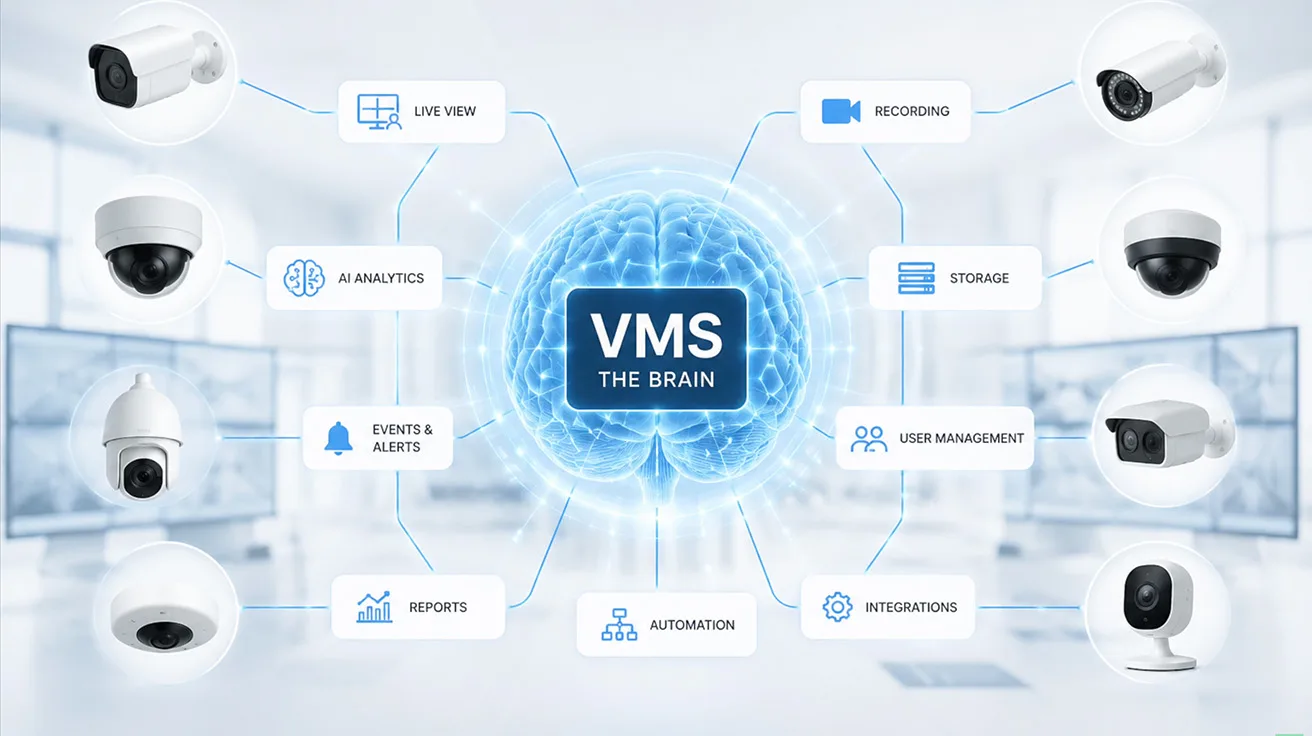
A video management system, or VMS, is a specialized software platform engineered to help businesses completely control, manage, and analyze their entire video surveillance infrastructure. Understanding how video management systems work is straightforward: if cameras act as the eyes of a commercial security system, then the VMS functions as the central brain. While individual cameras capture raw video, the software transforms that footage into highly actionable data.

1 / 6
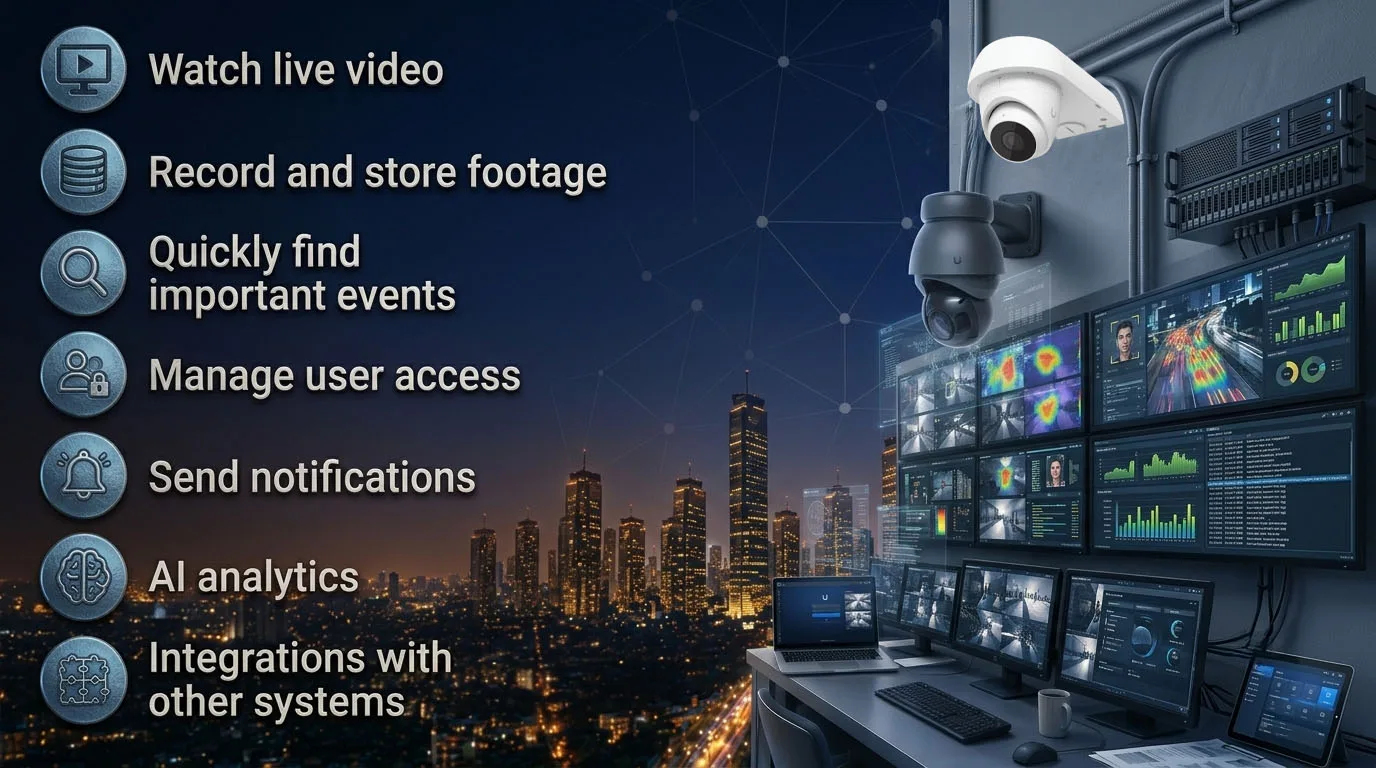
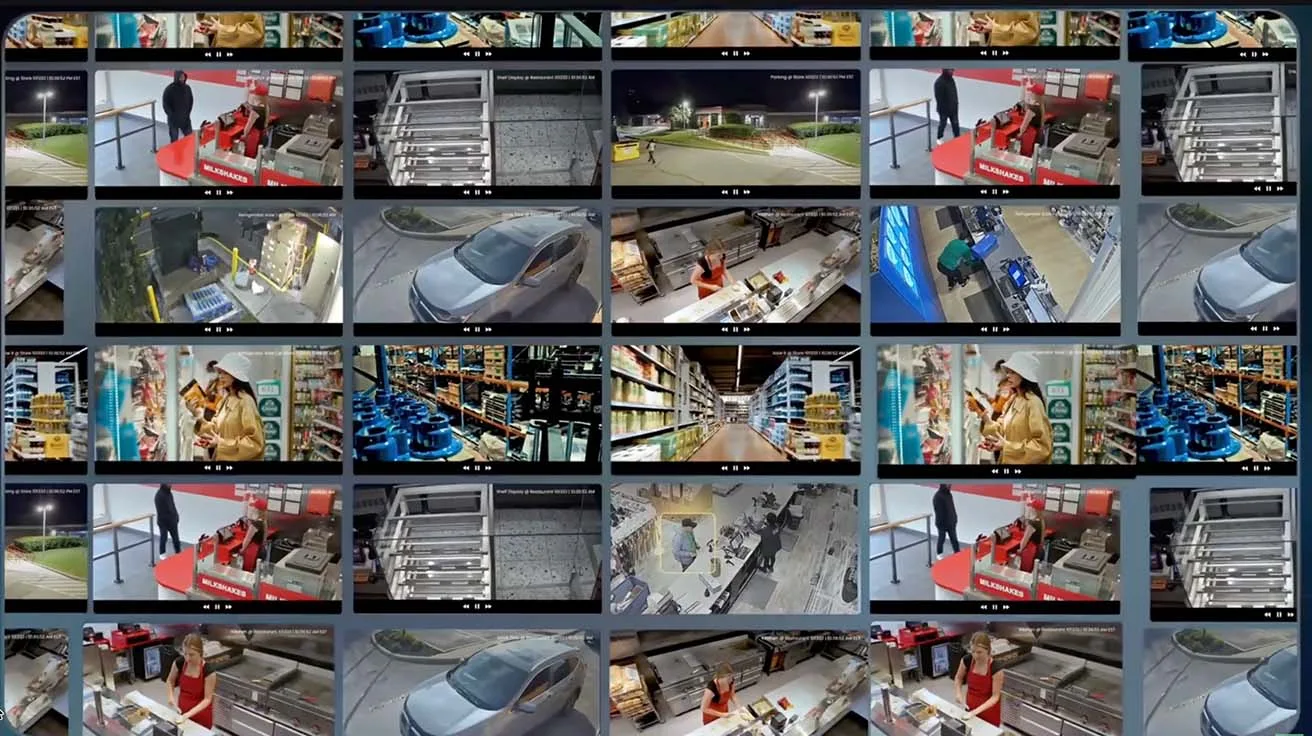
This software allows security teams to monitor live video feeds, customize recording storage, and quickly isolate important events within seconds. It also empowers administrators to manage granular user access, send automated notifications, and add advanced features like AI analytics. Let us look at a few real-world enterprise VMS solutions for multi-site retail and logistics operations to see how this technology functions in daily practice.
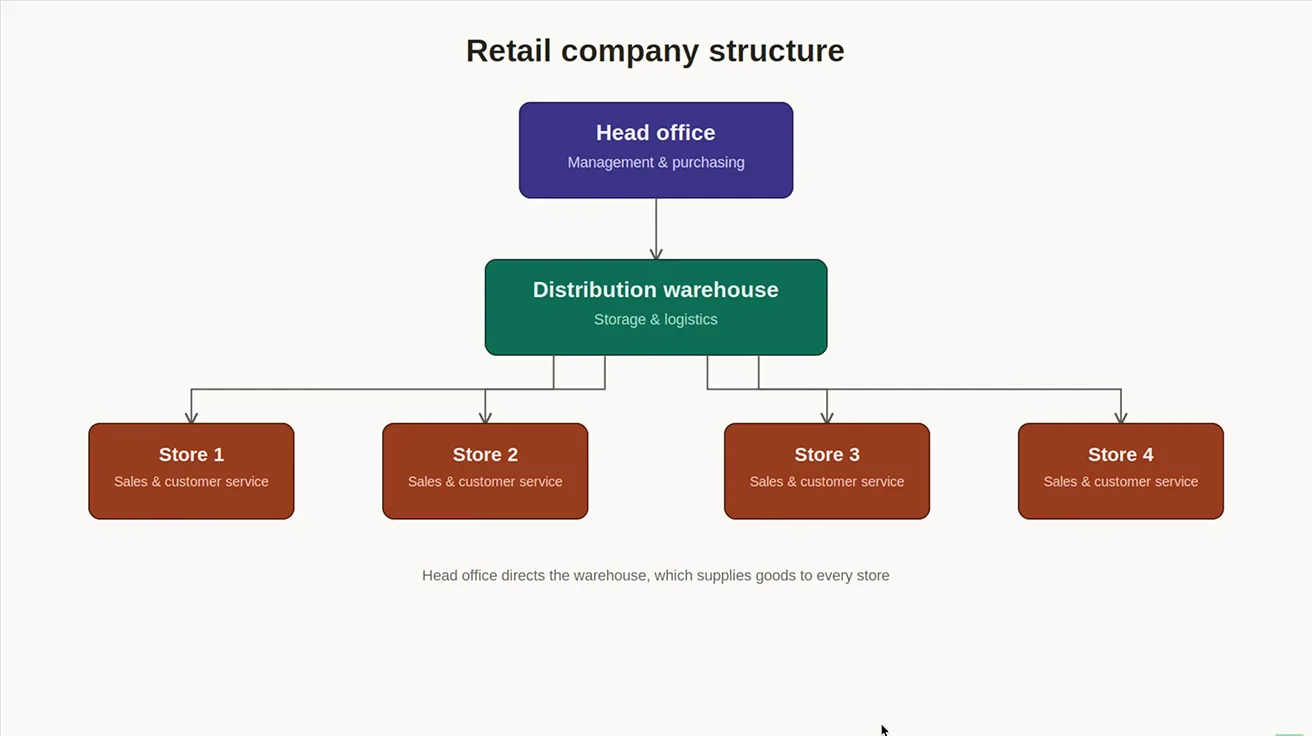
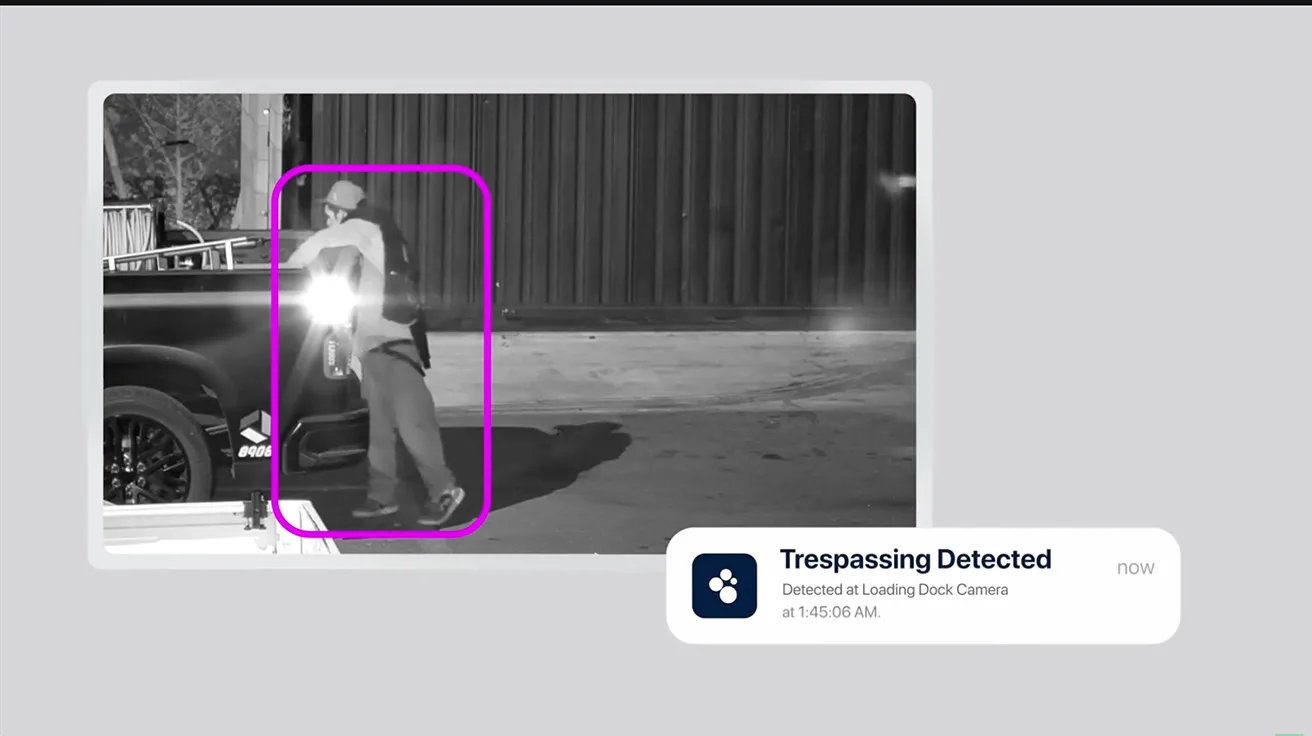
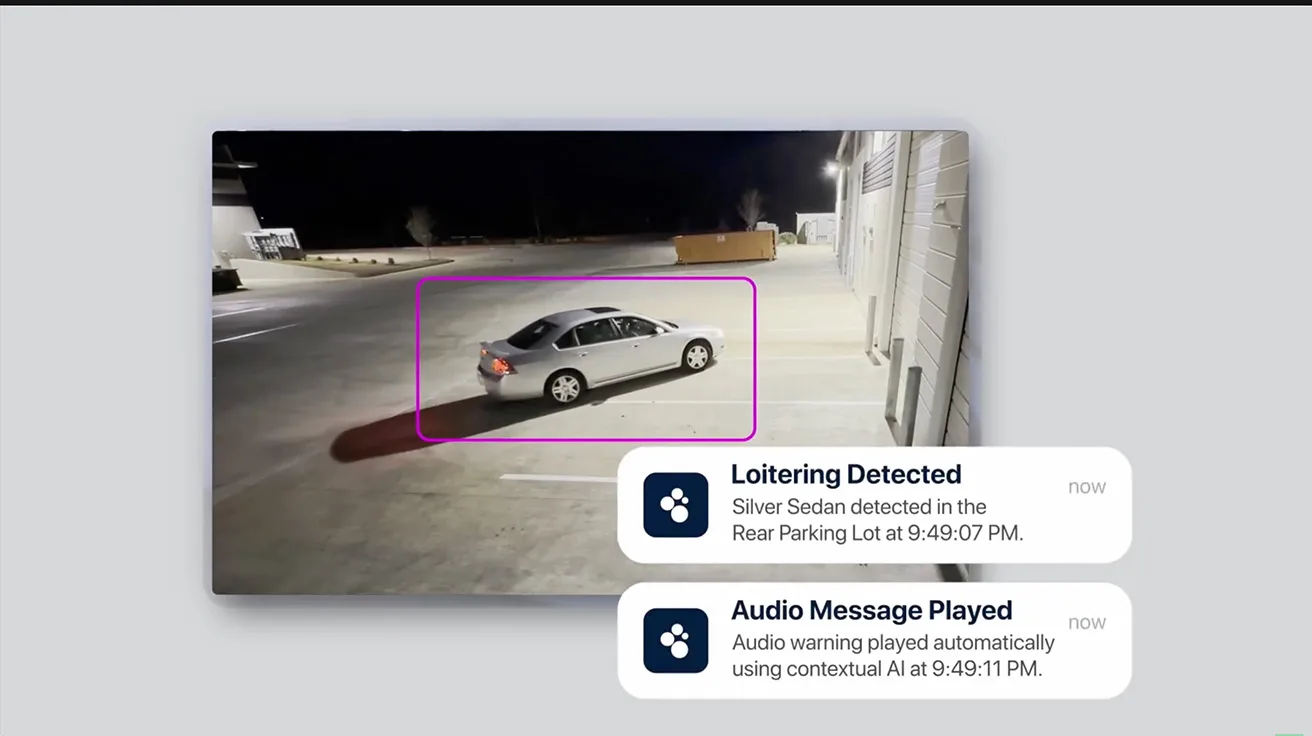
Imagine a retail company operating a head office, a distribution warehouse, and several stores. If a product is stolen from one of the storefronts, or if the inventory team discovers missing items during a warehouse count, simply having passive video recordings is insufficient. At the head office, someone needs to verify exactly who entered the restricted server room after business hours. In all of these situations, the business needs a commercial surveillance platform to instantly find the right footage, understand the incident, share access with authorized managers, and make the correct decision.
1 / 6
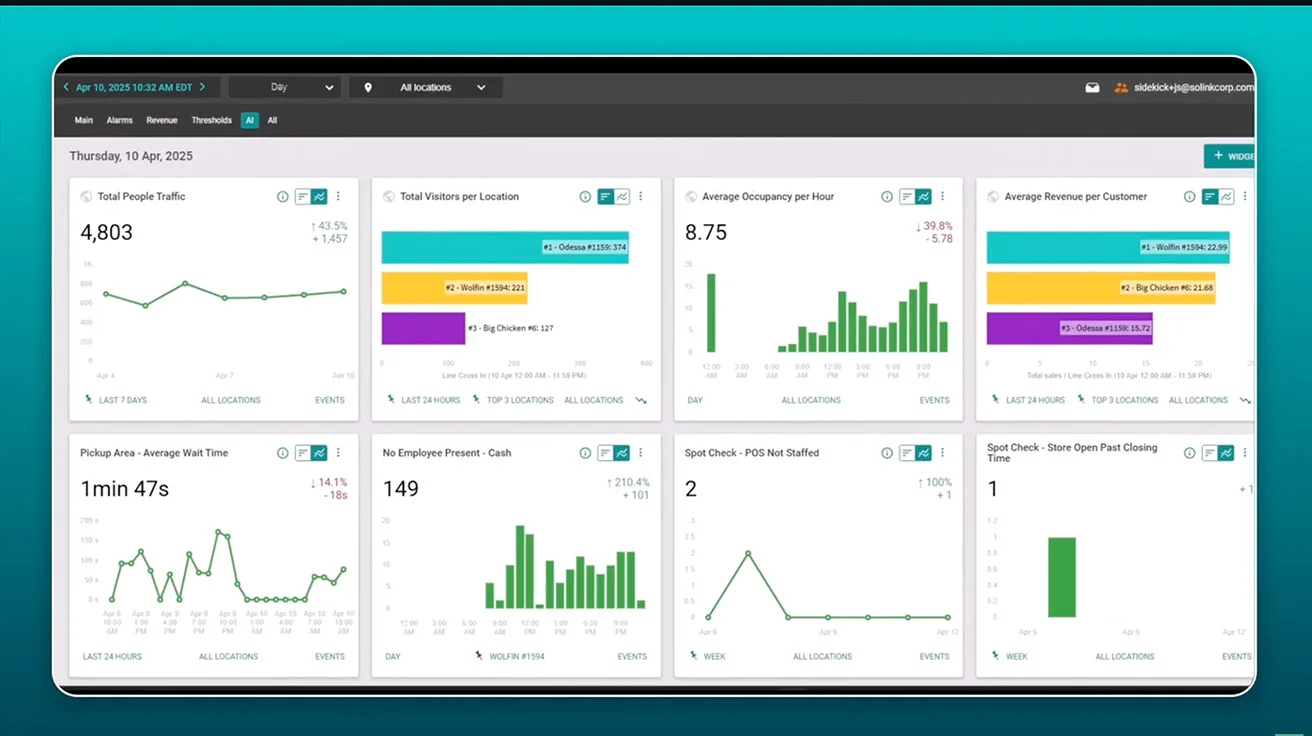
Here is another example. Imagine a chain of barbershops, beauty salons, or other service businesses. In these locations, cameras are not only used for security. Modern AI security camera insights integrated into the platform can count incoming visitors, measure property occupancy, identify peak busy hours, and provide valuable business data that helps owners make better operational decisions.
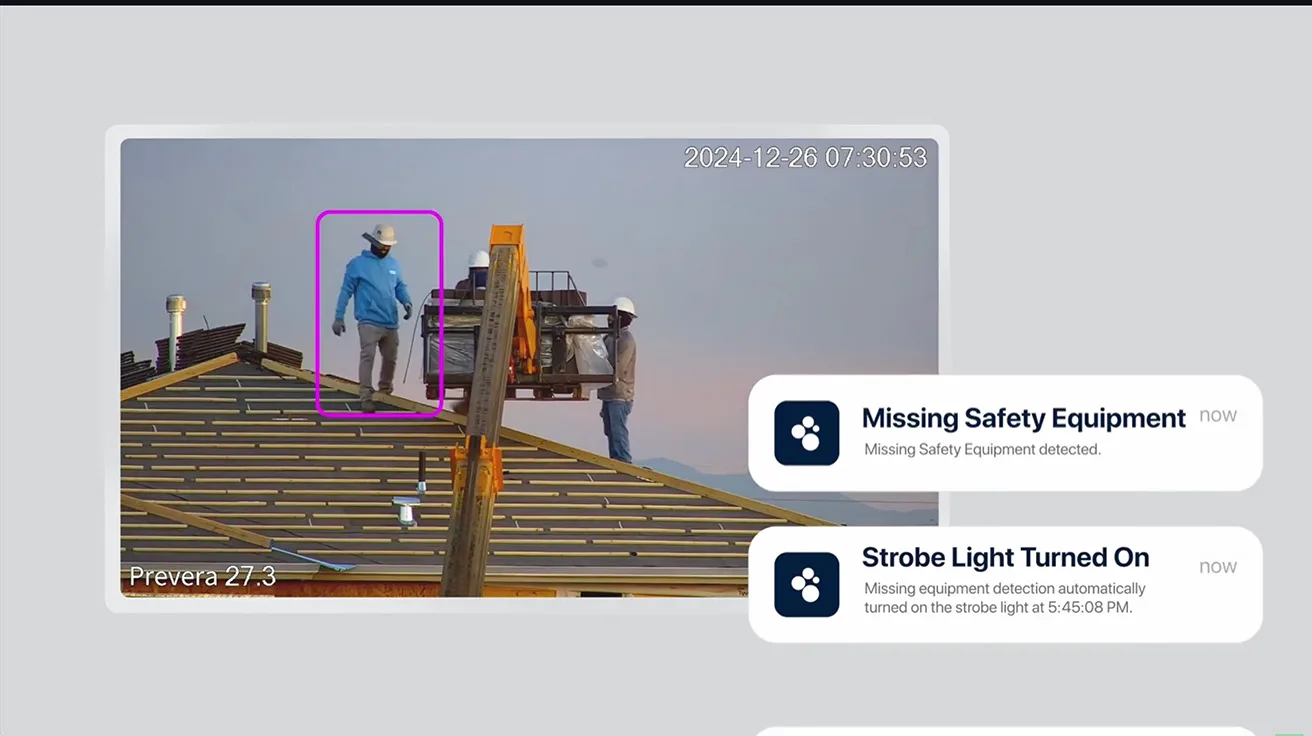
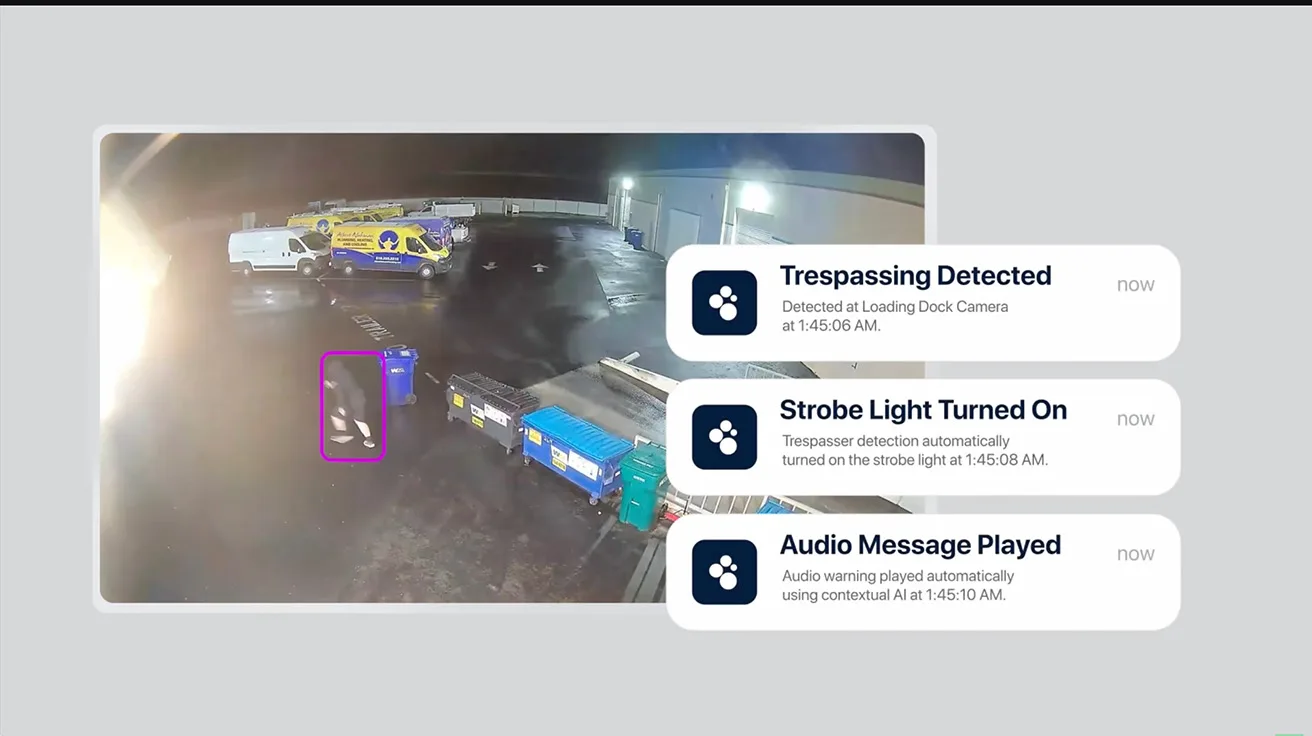
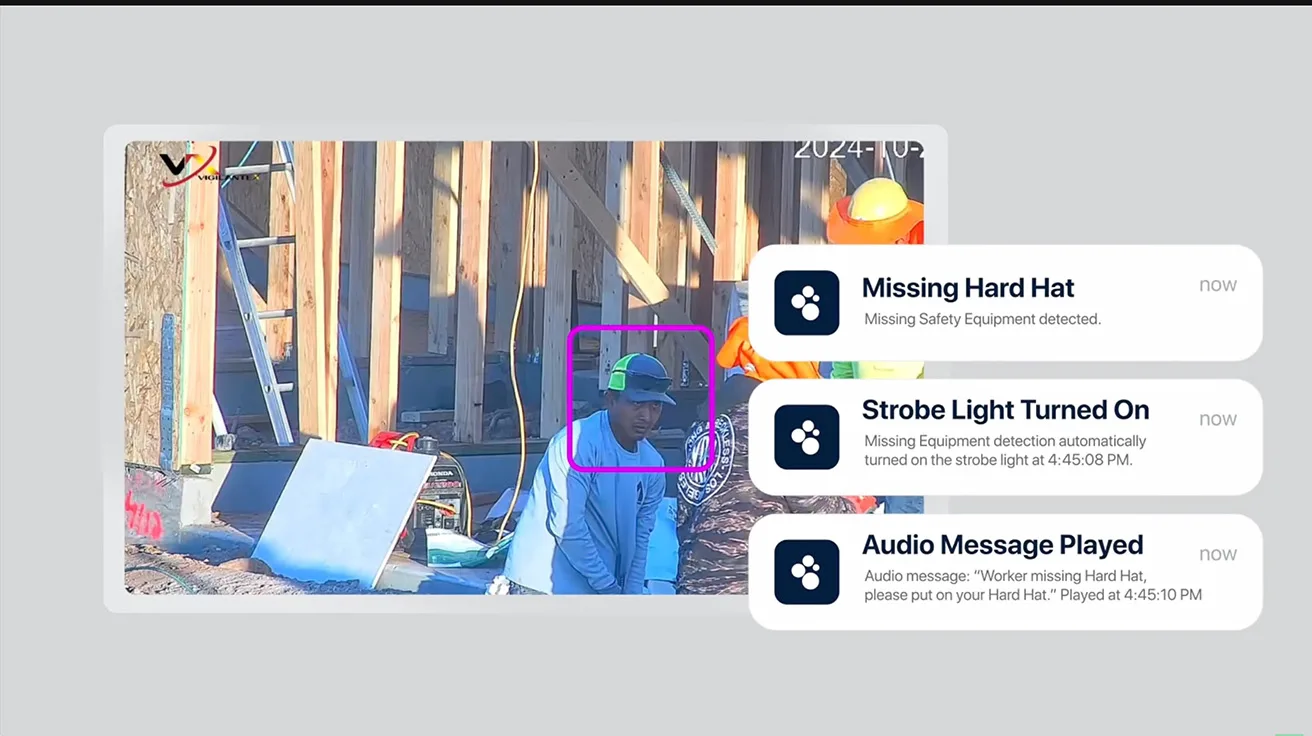
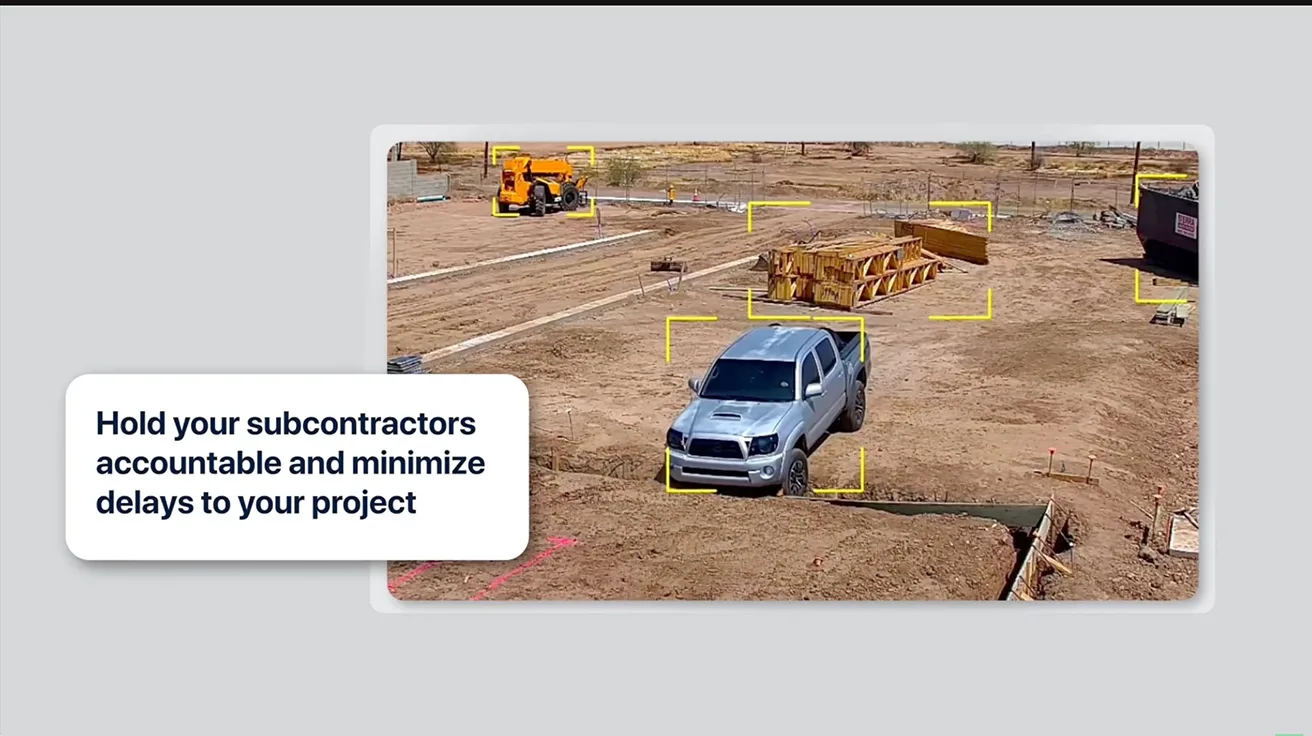
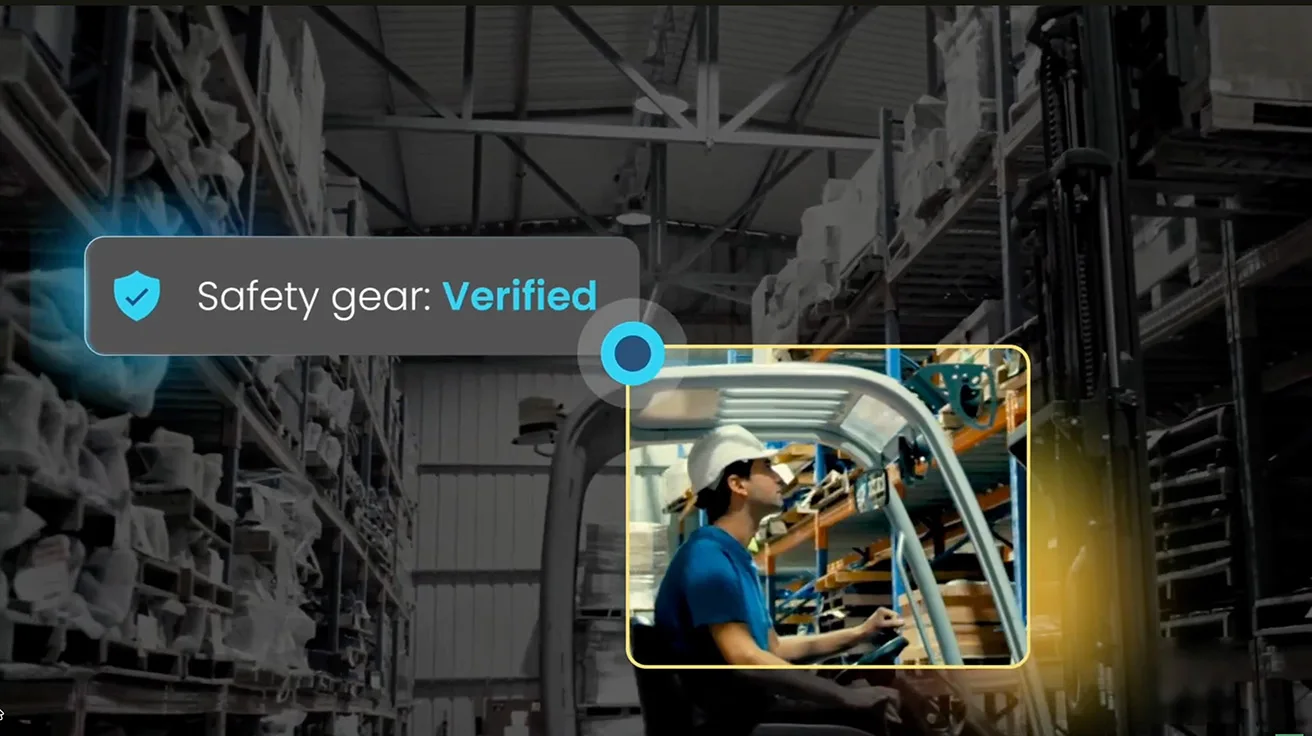
Finally, consider a construction company managing multiple active job sites simultaneously. In this environment, video surveillance is not just there to prevent equipment theft. The software actively monitors critical safety procedures, detects when workers are not wearing hard hats, identifies unauthorized access to restricted areas, and automatically notifies the right people when something goes wrong. This level of control is often paired with advanced gate management tools, similar to those we discussed in our review of the 3dEYE AI Operator V2 gateway automation platform. Depending on the needs of the business, it evolves from a basic security viewer into a complete, integrated physical security infrastructure for incident investigations and managing physical locations more efficiently.

When Does Your Business Actually Need a VMS?
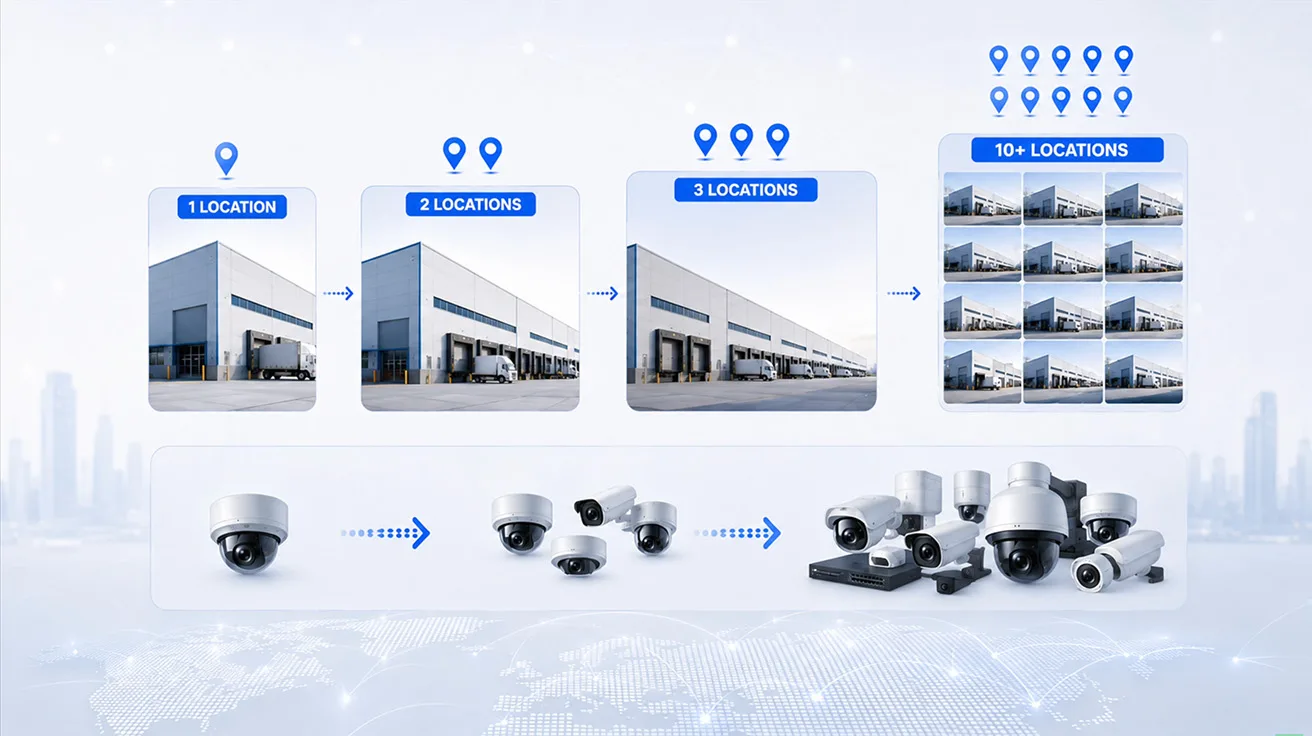
Does every commercial business actually require a full video management system? The short answer is no. If your enterprise currently operates out of a single physical location utilizing roughly 8 to 16 surveillance cameras, the built-in software that comes standard with your network video recorder is usually more than enough to handle daily operations. With a standard NVR setup, your team can easily monitor live video, review recorded footage, export specific video clips, and manage basic security tasks without encountering major technical issues.
However, as your commercial business expands, your operational and infrastructure requirements begin to change dynamically. You might open a second facility, a third, or quickly scale up to ten separate regional locations. As a result, the total number of security cameras across your enterprise grows from a few dozen to hundreds or even thousands of connected devices.


1 / 5
Managing a corporate surveillance platform at this scale introduces complex logistical challenges:
- Your corporate security manager requires instantaneous remote access to every single active site across the network.
- Local branch managers must be strictly restricted, meaning they should only see the specific video feeds for their own branch location.
- The internal IT infrastructure team needs a simple, centralized way to manage user permissions, push software updates, and configure system settings from a single interface.
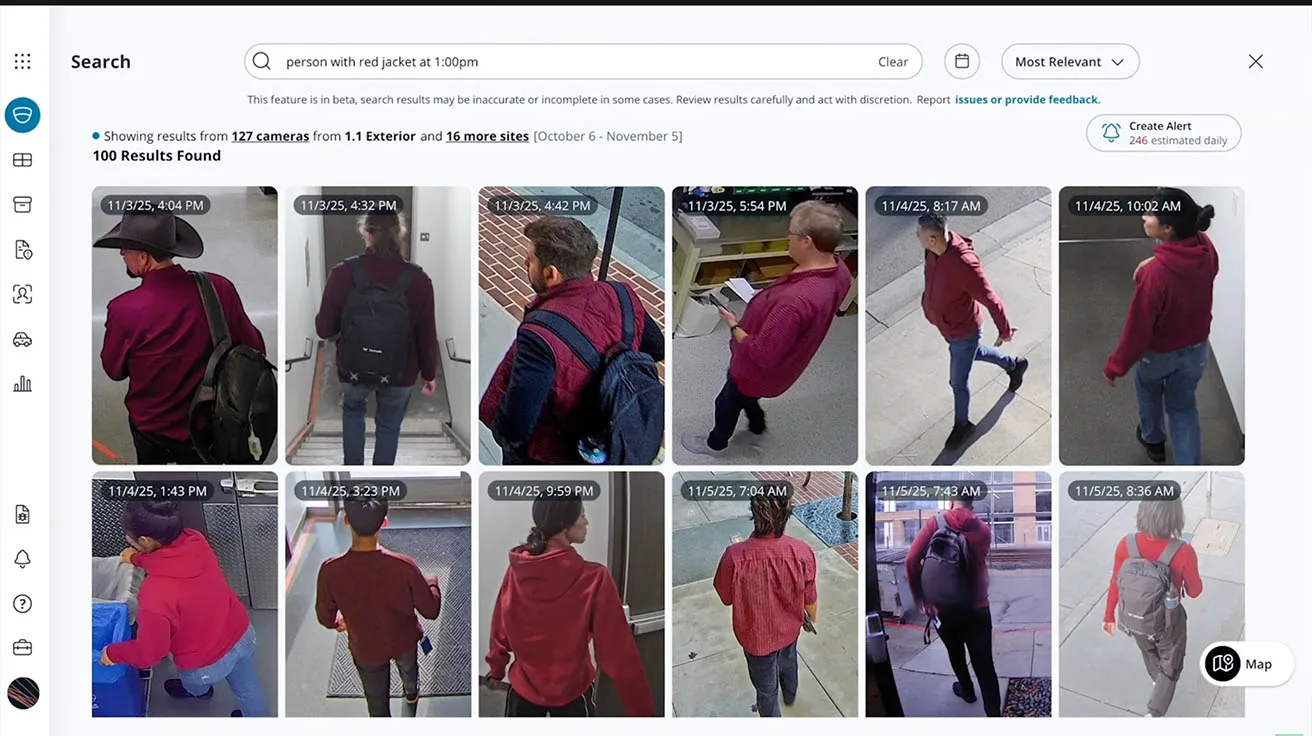
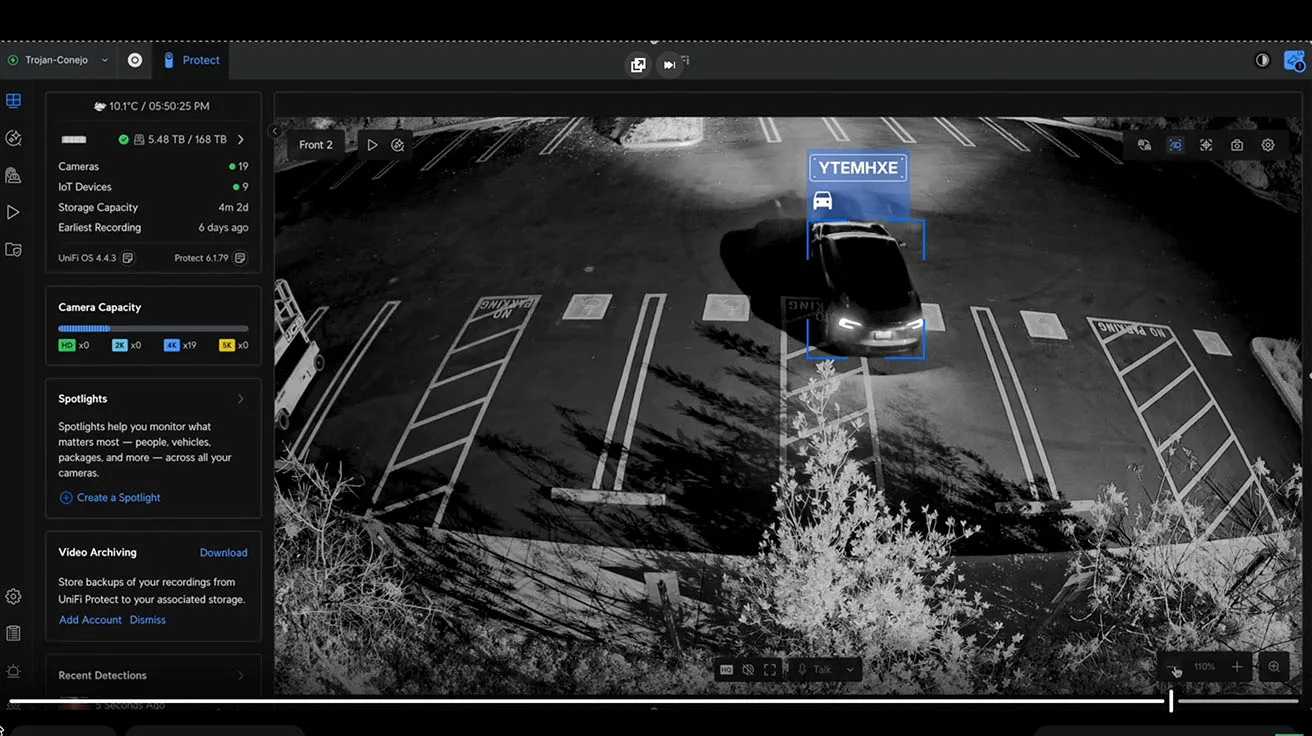
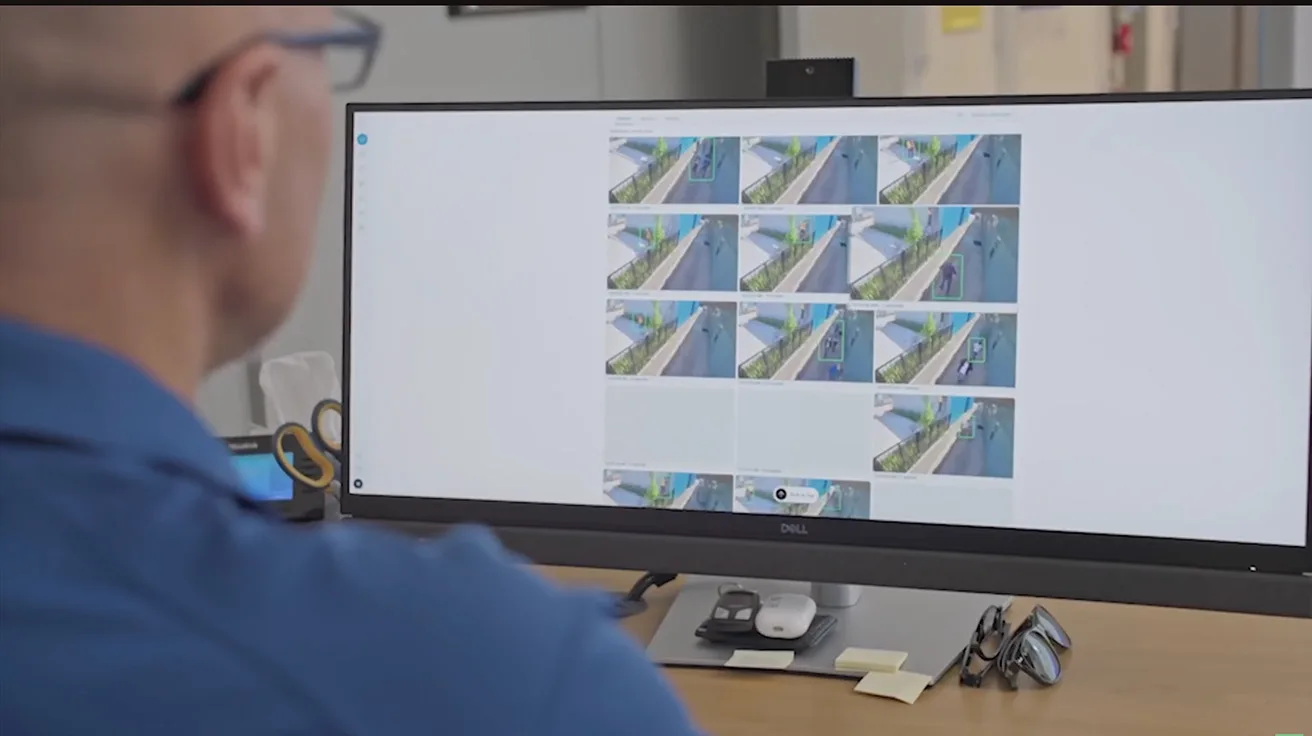
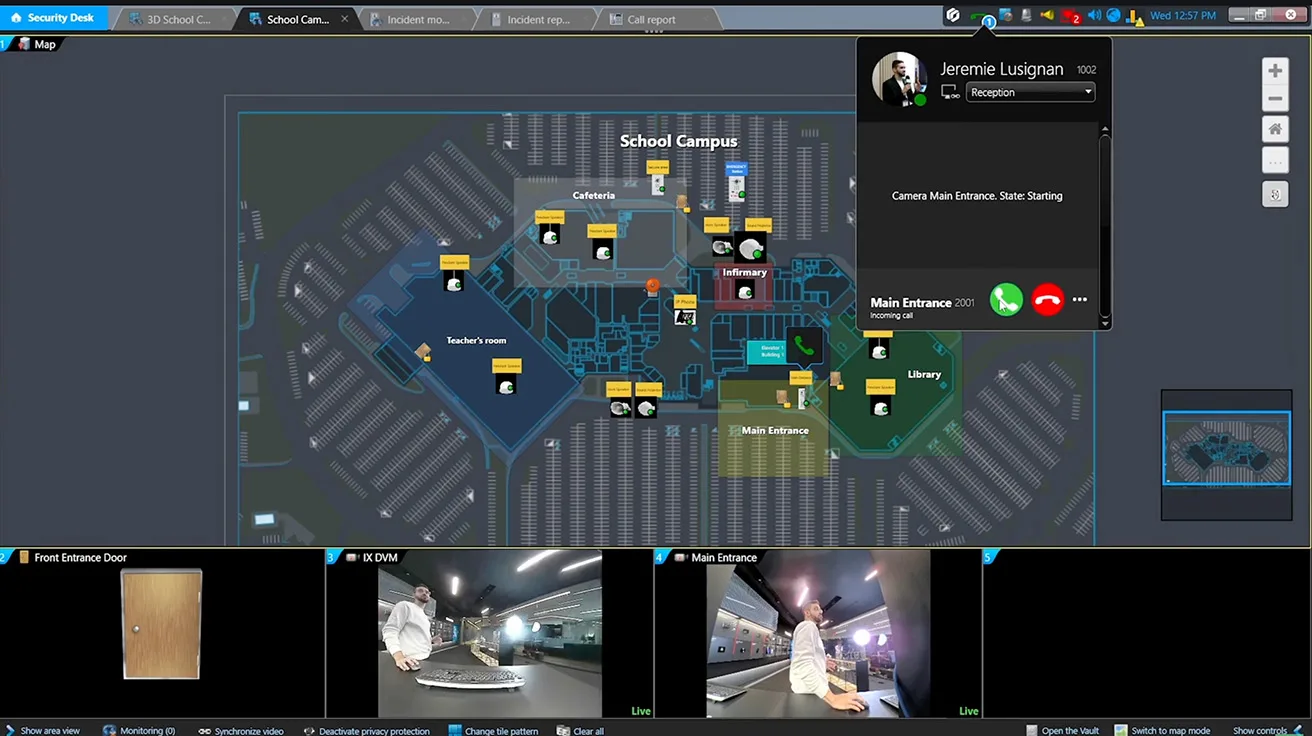
Your video data search requirements also become far too advanced for basic NVR vs VMS software capabilities. Instead of paying personnel to manually review hours of static footage, an expanding business requires automated tools to locate a specific vehicle by its license plate or track a person wearing a specific color. Security teams need to pinpoint the exact moment a secure door was opened, detect when an intruder crosses a virtual perimeter line, or compile every event that occurred in a specific zone during a highly precise timeframe.
1 / 3
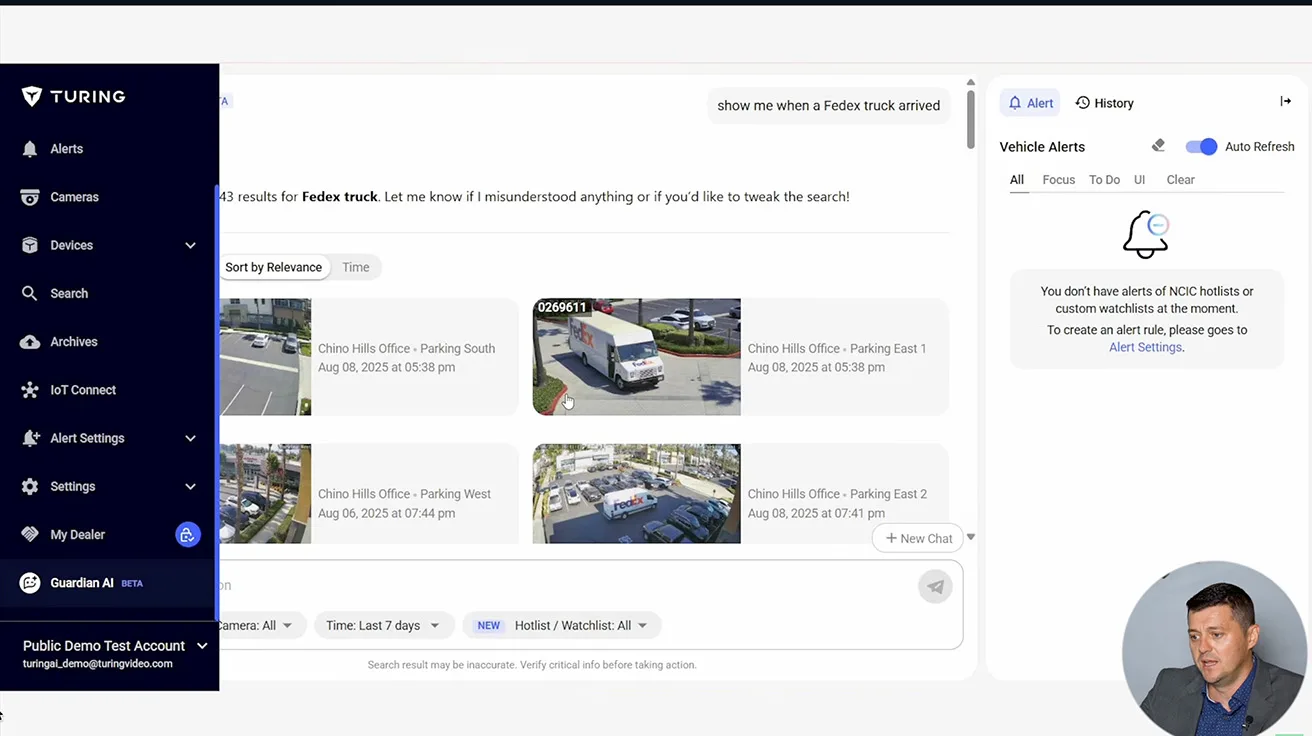
With the rapid advancement of artificial intelligence, today's video management system software can accomplish even more. Advanced platforms leverage AI security camera insights to detect smoke or fire at an early stage, identify weapons, and recognize when an individual loiters too long in a restricted zone. On active construction sites, the system can automatically monitor whether field workers are wearing proper safety equipment. It can even perform highly granular vehicle searches, sorting traffic by type, color, model, or company branding, such as isolating delivery vans or cargo trucks belonging to a specific logistics firm.
Another major catalyst for businesses deciding to buy video management system software is the critical need to bring multiple, fragmented security technologies together under a single, cohesive user interface. For instance, modern open VMS architecture allows for deep integration between completely separate hardware platforms, such as the seamless Genetec and Aiphone IP intercom integration that unifies access control communication and video monitoring into one centralized desktop application.
Alternatively, some businesses look for a completely unified ecosystem approach. In recent multi-family residential deployments, Vega Security integrators have successfully implemented complete UniFi Protect environments where network systems, video surveillance, door access control, IP intercoms, and intrusion alarms all work natively within one ecosystem. For property management teams, this architectural synergy means day-to-day operations become significantly more efficient because staff no longer have to constantly switch between multiple separate applications.
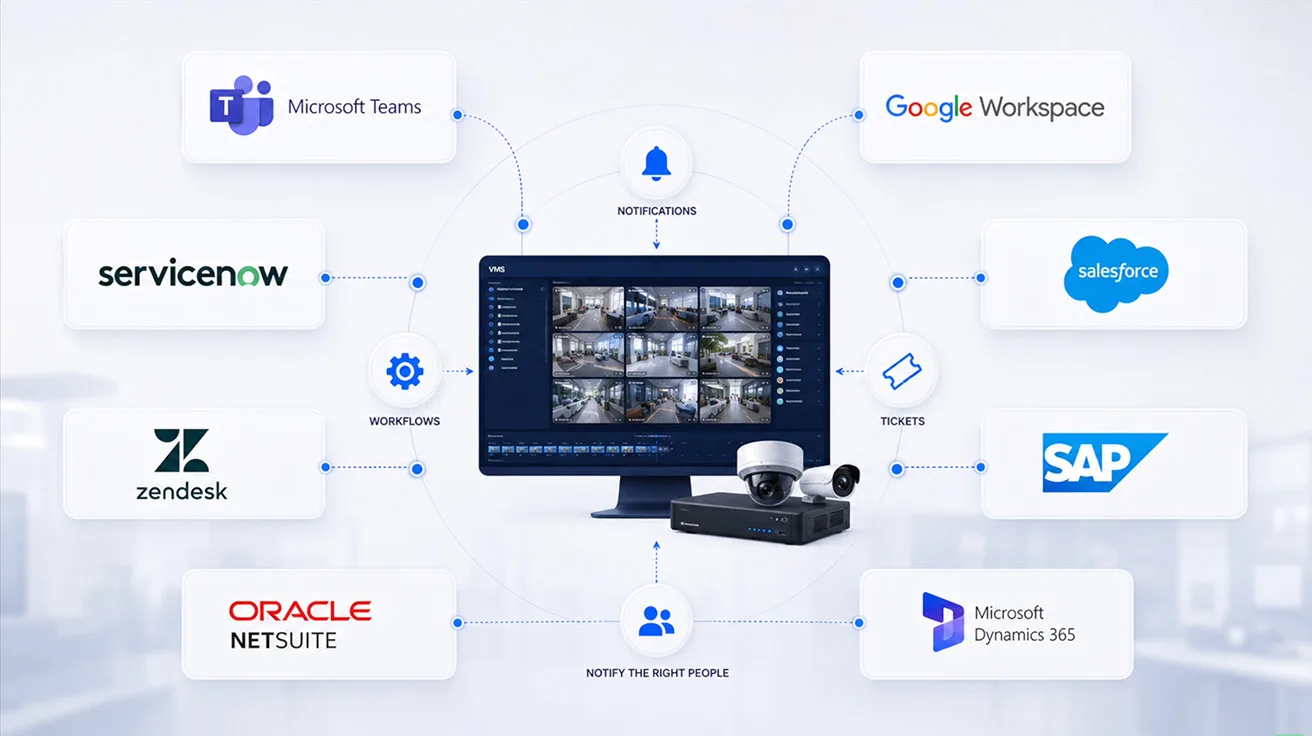
Modern enterprise VMS solutions are also designed to plug directly into a company's wider digital infrastructure. They offer native integrations with corporate communication tools like Microsoft Teams and Google Workspace, as well as backend corporate platforms like Service Desk applications, CRM software, and ERP systems. Consequently, a critical security event can automatically generate an internal IT ticket, alert the proper decision-makers, and trigger predefined operational workflows.
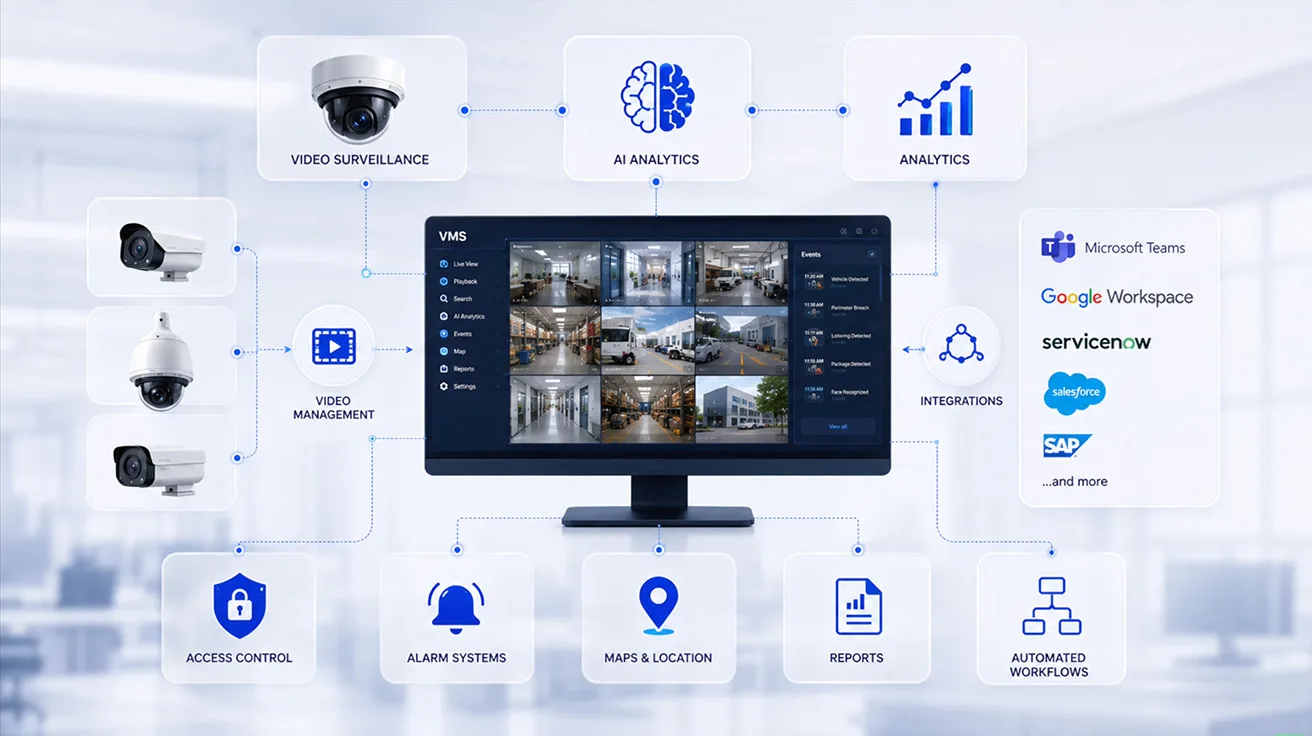
At this evolutionary stage, your surveillance setup is no longer just a basic tool for watching security cameras. It transforms into a central intelligence platform that brings together video data, artificial intelligence, edge analytics, and physical safety technologies into one connected ecosystem.
1 / 3
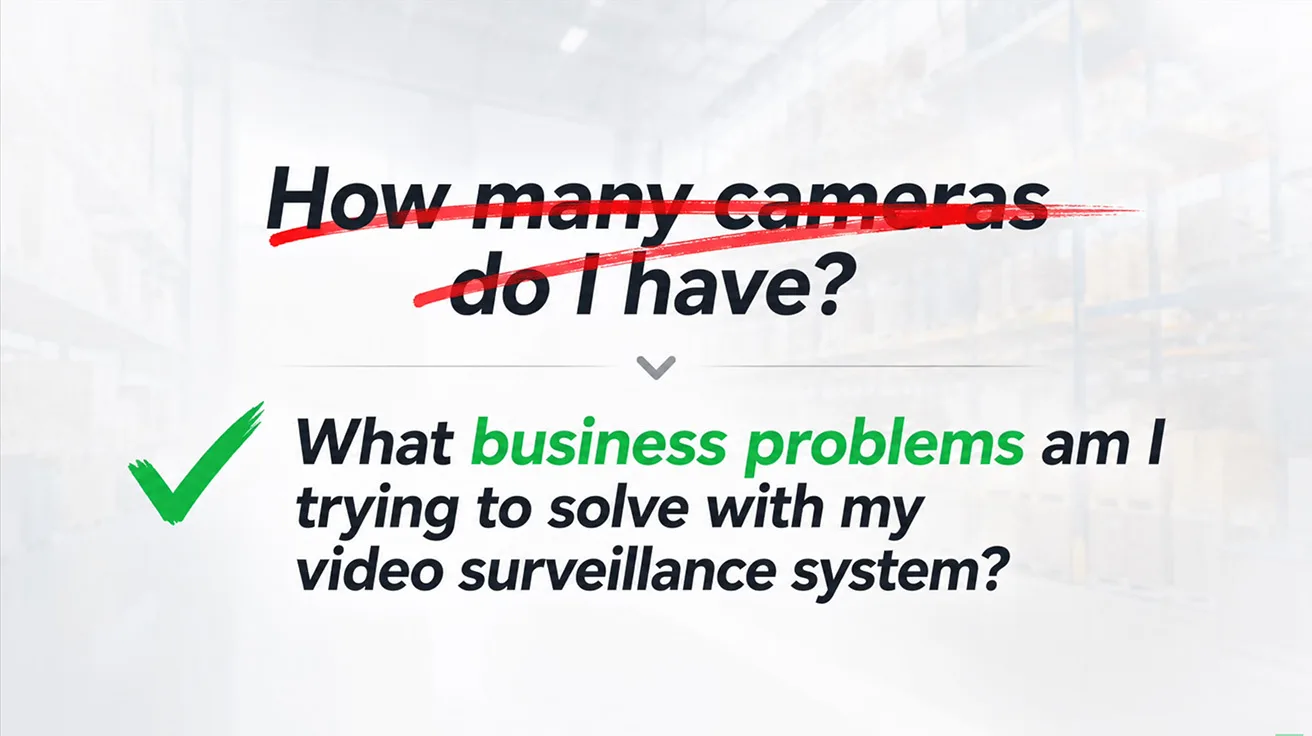
Therefore, if you are an executive or an IT leader, the most important question to ask is not: "How many cameras does my business have?" The better question to ask is: "What specific business problems am I trying to solve with my video surveillance system?" The clear answer to that question will tell you exactly whether your organization can continue relying on a standard NVR, or if it is officially time to upgrade to a full video management system.

What Types of Modern VMS Platforms Exist?
If you determine that your organization has outgrown standard recorders and genuinely needs a VMS, the next step is choosing the correct platform type. While it may initially seem that all video management system software options serve the exact same purpose, major architectural differences exist under the hood, and these structural variations will heavily impact how well the platform integrates with your daily operations.
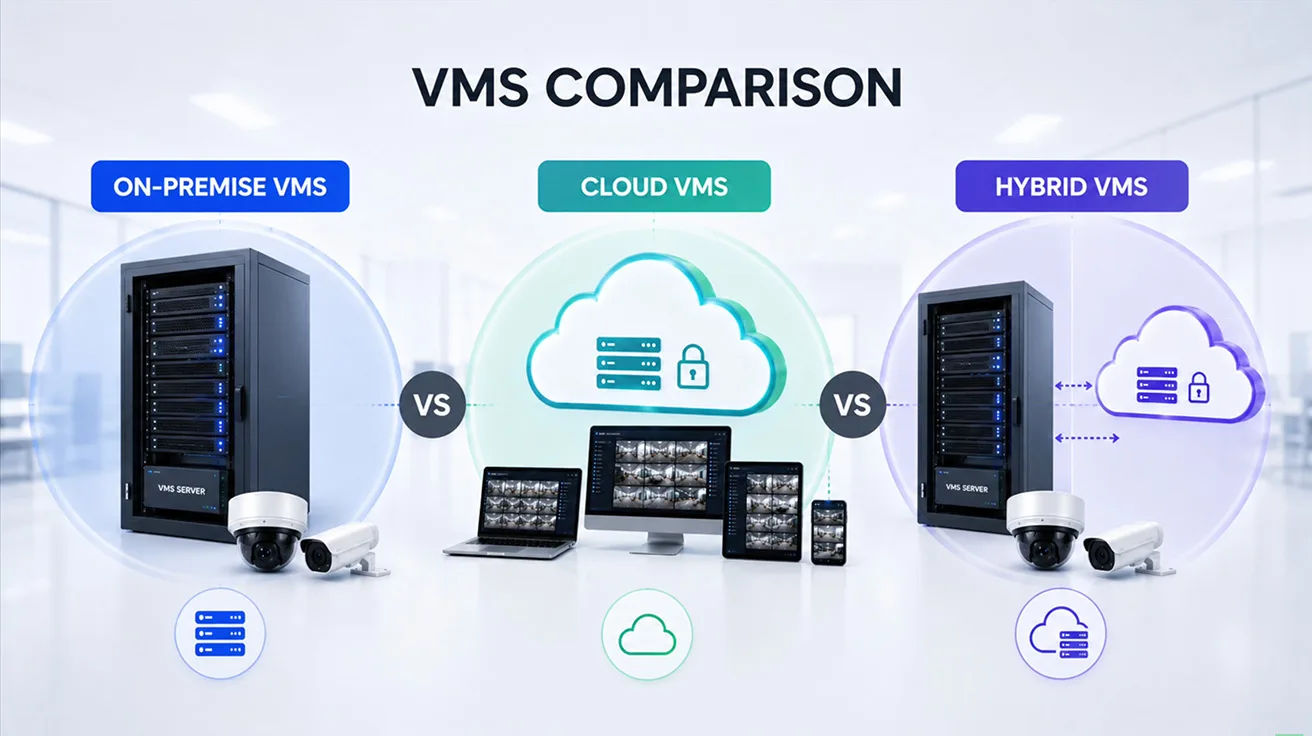
The first major architectural distinction lies in how the platform is physically deployed:
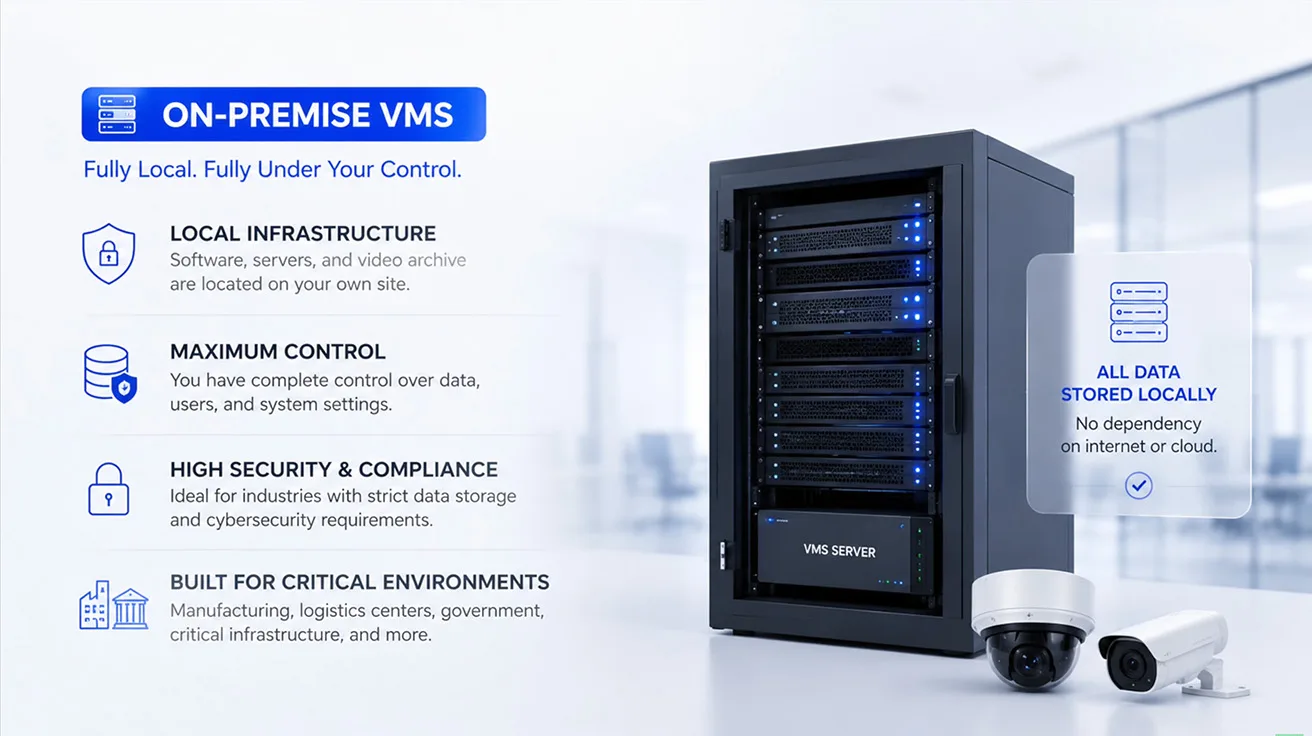
- On-Premise VMS: Traditionally, most legacy VMS platforms were installed locally on dedicated corporate servers owned by the company. Under this model, the software, server hardware, and recording video archives are located entirely on-site at the customer's secure physical property. This deployment option is heavily utilized by heavy manufacturing facilities, large logistics centers, government organizations, critical infrastructure sites, and highly regulated industries that maintain strict data storage sovereignty and intensive cybersecurity mandates.
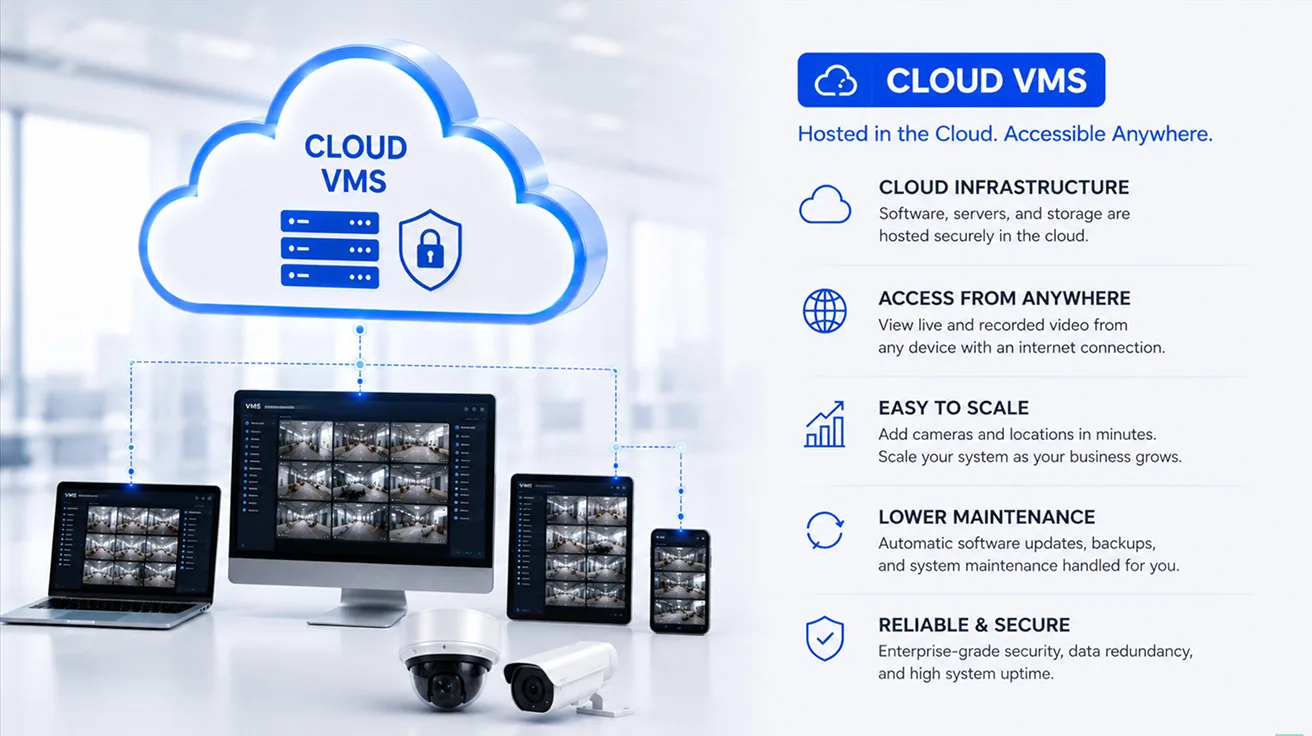
- Cloud VMS: Driven by the rapid growth of cloud technology, fully cloud-hosted VMS platforms have experienced a massive surge in commercial popularity. In this cloud-native architecture, the vast majority of the backend computing infrastructure is hosted securely off-site, allowing authorized users to access live and recorded feeds over the internet from virtually anywhere in the world. These systems are vastly simpler to scale up, require minimal local IT maintenance, and software or cybersecurity updates are handled automatically by the manufacturer.
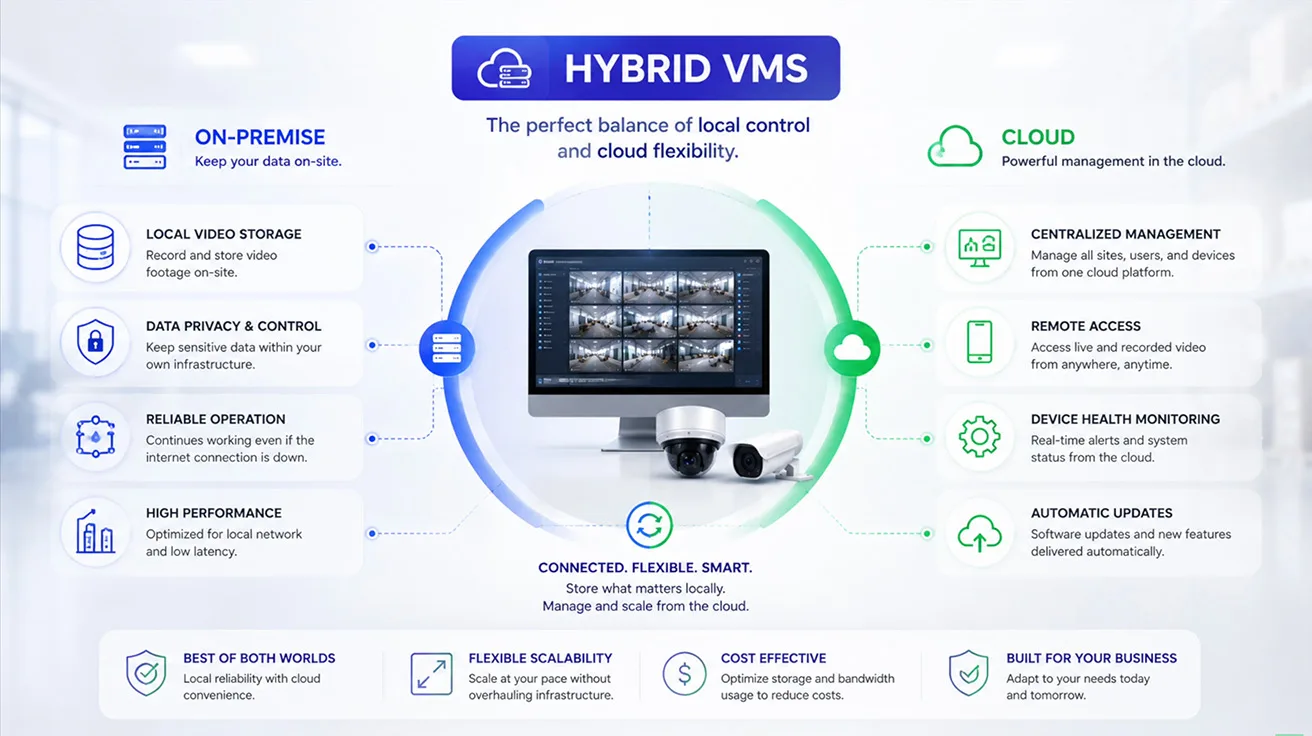
- Hybrid VMS: Serving as a bridge between local and cloud topologies, a hybrid architecture strategically combines the strengths of both worlds. For example, a hybrid system can record and store high-resolution video footage locally on-site to preserve internet bandwidth, while leveraging secure cloud services to handle centralized user management, real-time device health monitoring, and frictionless remote access.
1 / 3
Beyond the physical architecture of your servers, it is equally vital to evaluate the distinct operational philosophies of open platforms versus closed ecosystems.
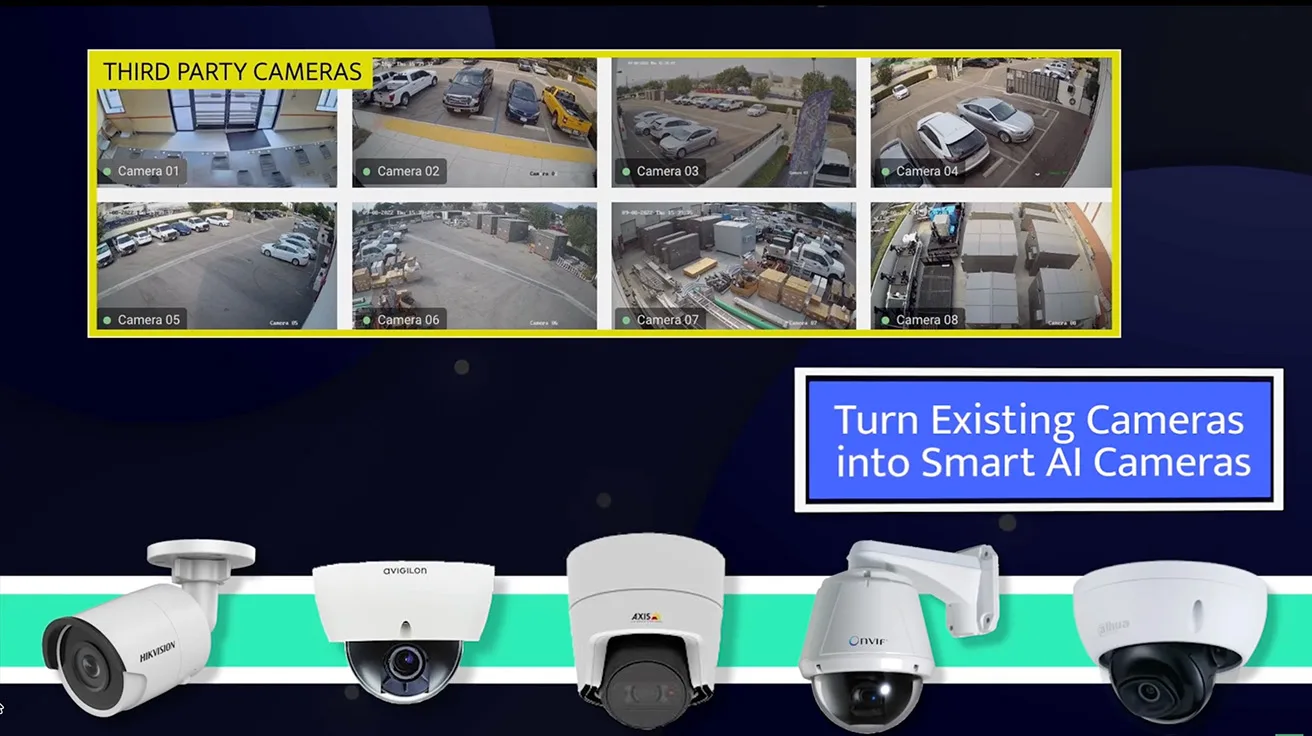
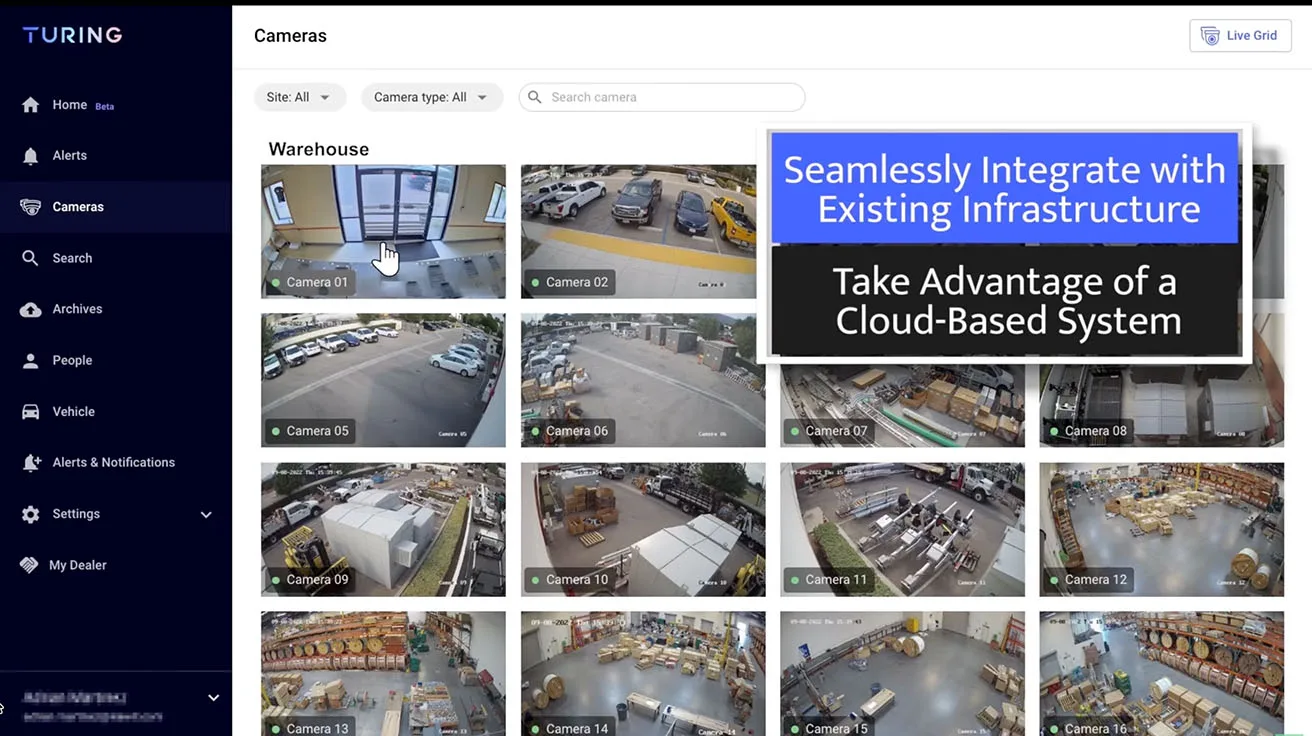
Open VMS platforms are built to natively support third-party hardware from hundreds of different independent manufacturers. This provides an enterprise with unmatched purchasing flexibility when selecting surveillance cameras, door controllers, and specialized sensors. It also allows growing companies to systematically modernize their security infrastructure over time, swapping out old devices in phases without being forced to replace their entire network backend all at once.
1 / 2
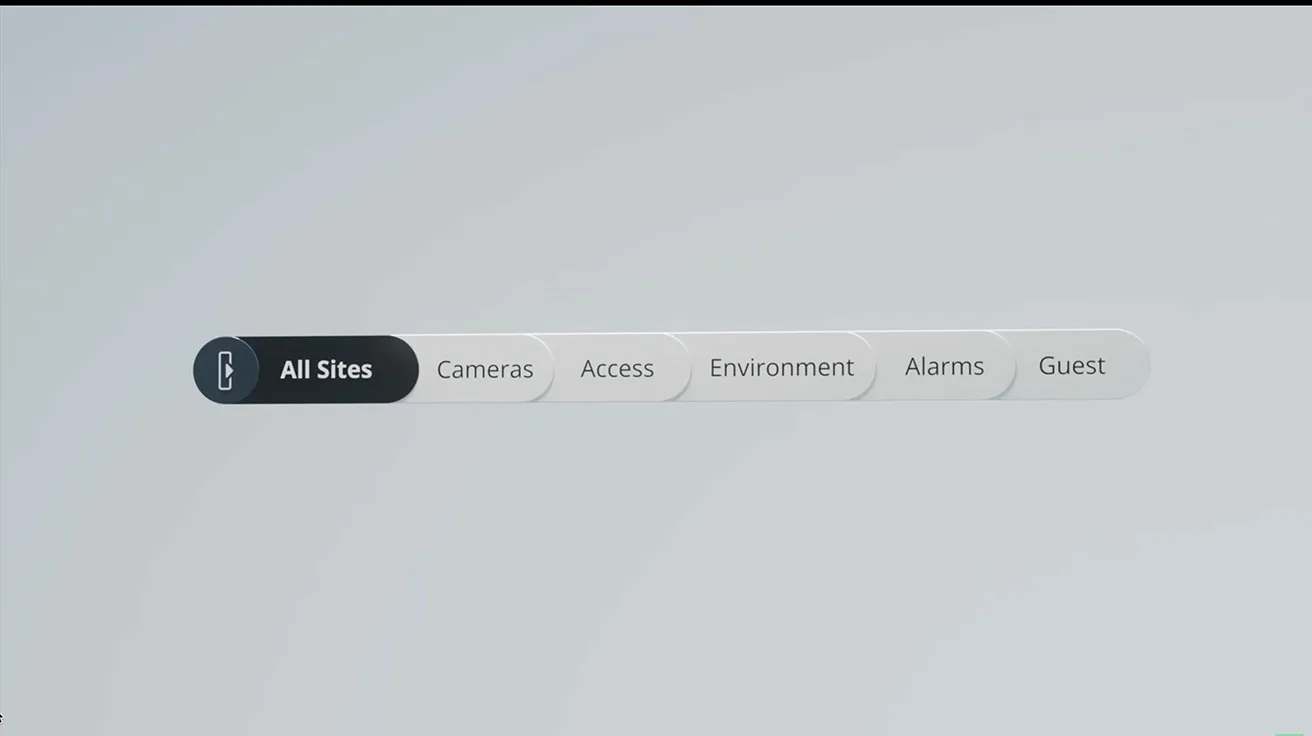
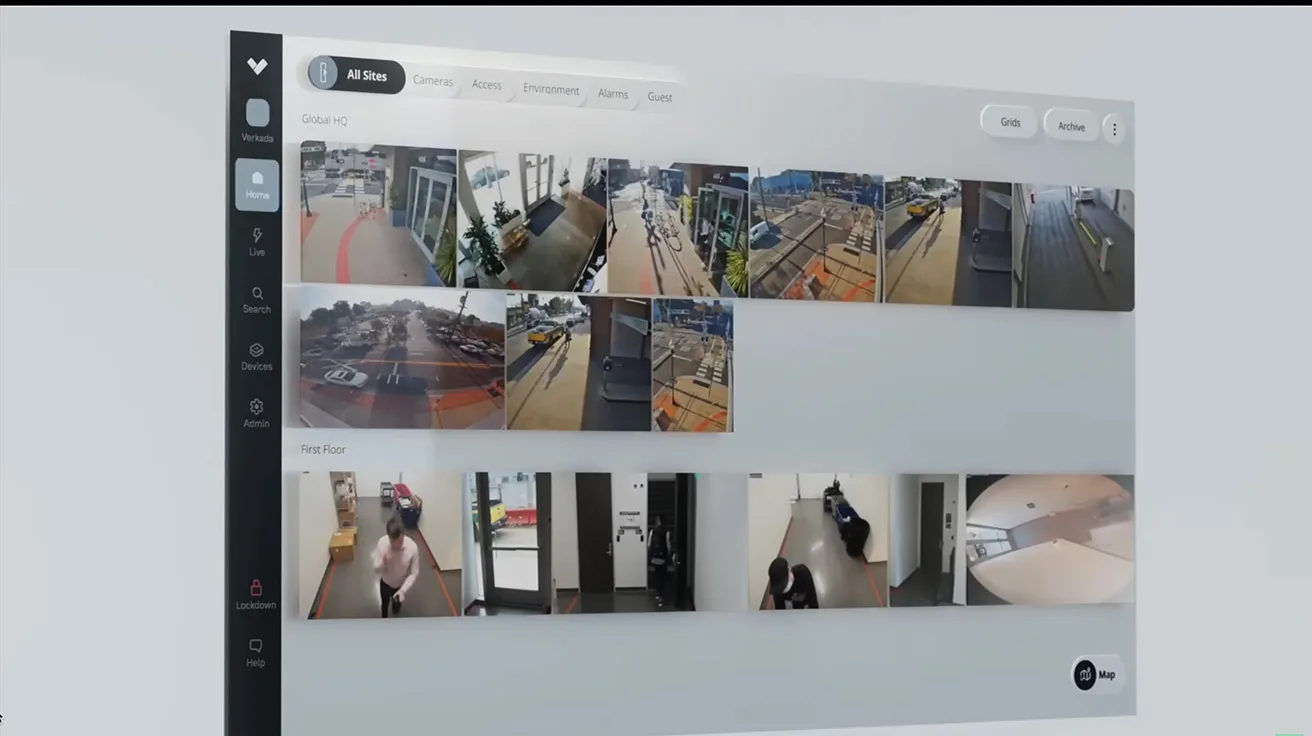
Conversely, closed ecosystems operate on a proprietary, all-in-one philosophy. A single manufacturer develops the physical cameras, the underlying management software, the storage hardware, and the access controllers as one singular product line. This tight hardware-software integration usually makes the initial system configuration much faster and allows for deeply synchronized features across the entire deployment.

1 / 3
Ultimately, it is impossible to state that one deployment method or ecosystem philosophy is universally superior to the other. The ideal choice depends entirely upon your unique corporate needs, existing network infrastructure, strict data security requirements, capital budget, and long-term organizational expansion plans. You should never buy video management system software based solely on an overwhelming list of features or because a specific brand name is currently popular. First, you must clearly outline the specific operational challenges this platform is being deployed to solve for your business.

How to Choose a VMS: There Is No One-Size-Fits-All Solution
With so many advanced platforms available on the commercial market today, identifying the right system for your organization can be challenging. The software market is incredibly diverse, offering excellent solutions from major industry providers, including Genetec, Milestone, Network Optix, Verkada, Rhombus, Avigilon Alta, UniFi Protect, Solink, Spot AI, 3dEYE, and many others. Each of these platforms was engineered with a focus on distinct industries, specific facility layouts, and varying operational demands.
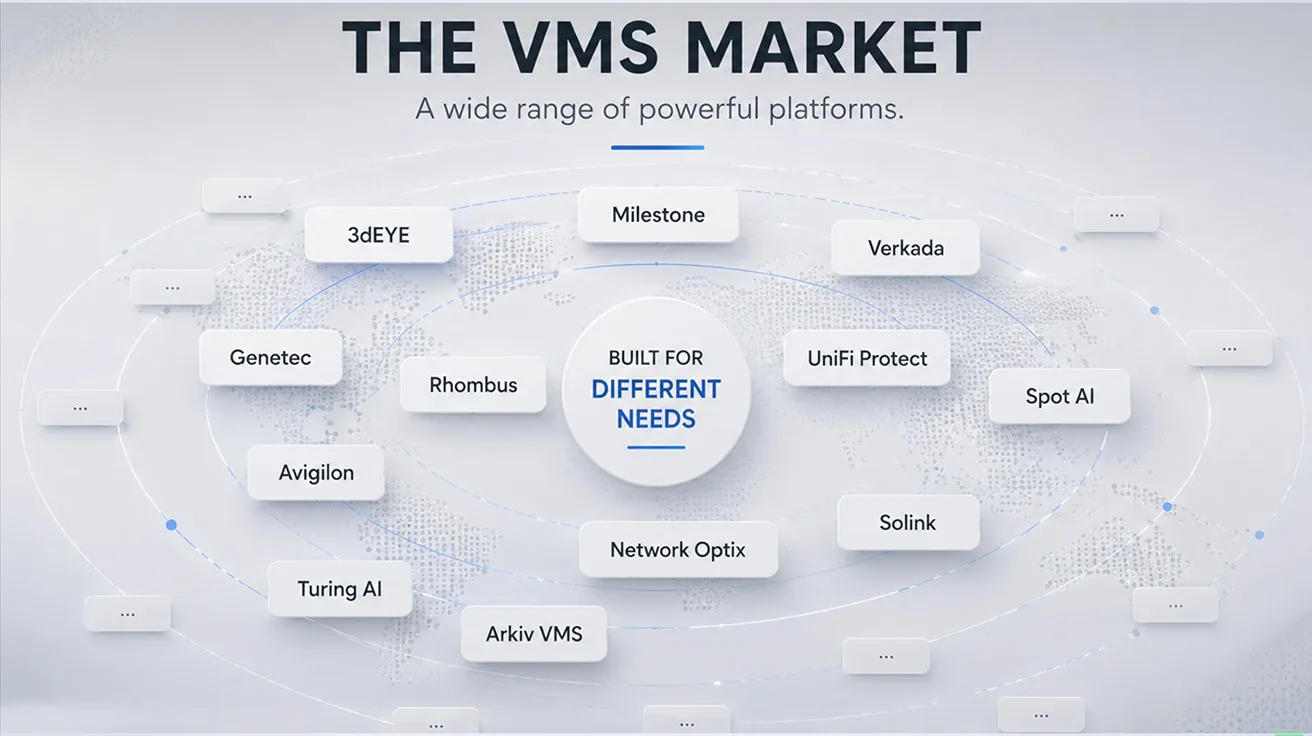
Some software options are highly optimized for smaller commercial operations with just a few regional branches. Other robust platforms were engineered specifically to support large-scale enterprises, heavy manufacturing facilities, complex logistics hubs, critical infrastructure, or government organizations. While certain manufacturers prioritize cloud technology and native AI automation, others focus on open architecture integrations, massive network scalability, or broad hardware compatibility across multiple camera brands.
When evaluating your options, it is critical to remember that modern video management system software is no longer just a passive tool for storing camera footage. For many forward-thinking enterprises, it functions as the central operating system for your entire integrated physical security infrastructure. It seamlessly unifies video surveillance, access control, IP intercoms, artificial intelligence, environmental sensors, and corporate network systems into a single, connected ecosystem.


1 / 7
Because of this technological complexity, you should never buy a video management system based solely on the number of features listed on a spec sheet or the current popularity of a specific brand. Instead, you must ground your decision by answering a few fundamental business questions:
- What specific operational or security problems should this system solve for your company?
- How will your business operations scale over the next three to five years?
- How many physical locations and individual camera streams will you need to support in the future?
- What external software applications and corporate tools must integrate directly with your VMS?
- How critical are advanced cybersecurity protocols, AI analytics capabilities, long-term flexibility, and system scalability to your daily workflows?
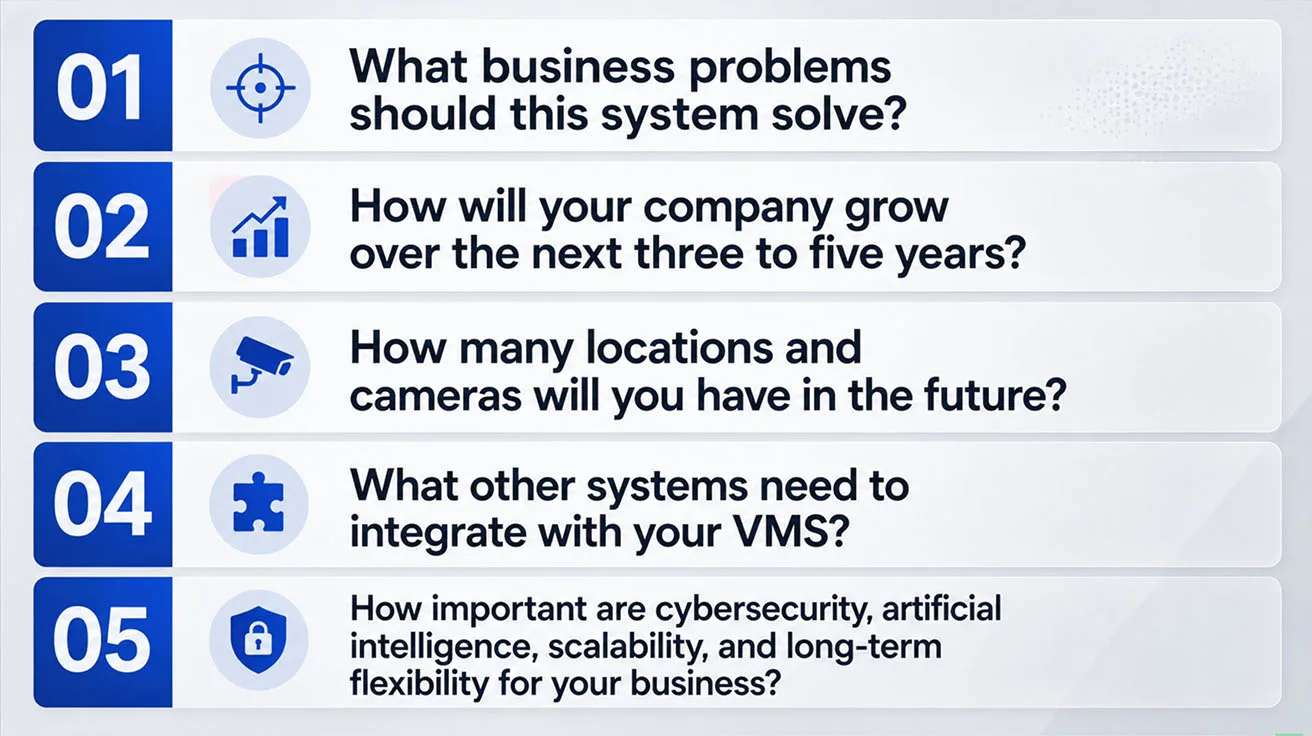
Answering these structural questions will allow you to narrow down your technology options long before you initiate discussions with a hardware manufacturer or a local system integrator.
Final Summary & Working with Pipl Systems
Our primary goal at Pipl Systems is not to point to a single platform and declare it the absolute best VMS for business. Instead, we are dedicated to helping you analyze the global market, explaining complex modern security technologies in clear terms, and empowering you to choose the exact software architecture that aligns with your corporate objectives.

In our upcoming video reviews and deeply researched articles, we will take a much closer look at Cloud, On-Premise, and Hybrid VMS platforms. We will also publish detailed comparisons of open and closed ecosystems, analyze the real-world operational impact of advanced video analytics software, and share deep-dive case studies of live commercial deployments to demonstrate exactly how these integrated technologies perform under real workloads.
If you take only one key takeaway from this guide, let it be this: modern video surveillance is no longer just about mounting cameras on a wall. It is about transforming raw visual data into the strategic business insights your organization needs to make smarter decisions, respond faster to live incidents, and manage daily operations with maximum efficiency.
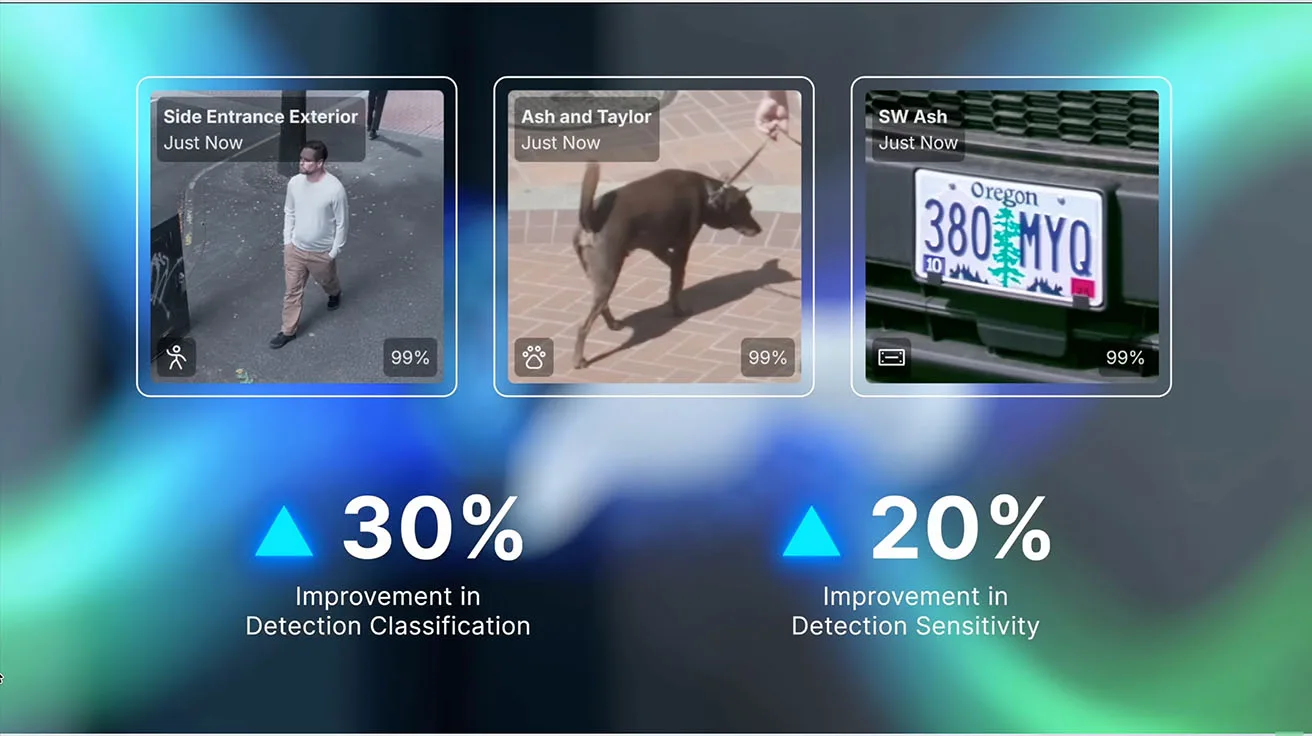
At Pipl Systems, we explore the emerging hardware and software technologies that help businesses become safer, highly efficient, and smarter. If you want to leverage these insights for your own corporate infrastructure, we invite you to join our professional community and explore our platform to find verified, trusted integration specialists engineered to support your long-term growth.
For a deeper technical dive into Cloud, On-Premise, and Hybrid ecosystems, watch our complete VMS video guide below.
FAQ Section
Is a VMS required for every commercial video surveillance setup?
No, a VMS is not a universal requirement for every business. If your organization operates out of a single physical property with roughly 8 to 16 cameras, the baseline software included with a standard network video recorder (NVR) is usually sufficient to handle live viewing and basic playback tasks. A VMS becomes necessary when managing multiple locations, hundreds of cameras, complex user permissions, or advanced system integrations.
What is the core technical difference when evaluating NVR vs VMS software?
Standard NVR software is a hardware-bound utility designed to handle basic video recording, storage, and local playback for a limited number of directly connected cameras. Conversely, video management system software is an enterprise-grade, network-wide platform that acts as an operational brain. A VMS centralizes data management, deploys advanced AI analytics, manages granular multi-user permissions, and unifies completely separate security systems across multiple geographic sites.
How do open VMS platforms differ from closed proprietary ecosystems?
Open VMS platforms provide businesses with the long-term flexibility to connect surveillance hardware from hundreds of different independent manufacturers. This allows organizations to modernize their infrastructure in phases and avoid vendor lock-in. Closed ecosystems require you to utilize a single manufacturer's proprietary cameras, software, and storage devices together, which simplifies the initial deployment but restricts your future hardware choices.
Can modern video management system software integrate with non-security business tools?
Yes. Enterprise VMS solutions are designed to become an active component of a corporation's overall digital infrastructure. Modern open platforms can connect directly with corporate communication applications like Microsoft Teams and Google Workspace, as well as critical backend business software including Service Desk platforms, CRM tools, and ERP systems to automate operational workflows.
What are the primary operational use cases for integrated AI security camera insights?
Beyond basic theft prevention, advanced AI capabilities allow a VMS to serve as an operational management tool. In retail environments, integrated video analytics can measure customer foot traffic, track store occupancy, and pinpoint peak busy hours to optimize staffing. In industrial or construction sectors, the software can automatically monitor compliance by detecting fire hazards, identifying unauthorized entry into secure zones, or verifying if field workers are wearing mandatory protective hard hats.