
Key Takeaways:
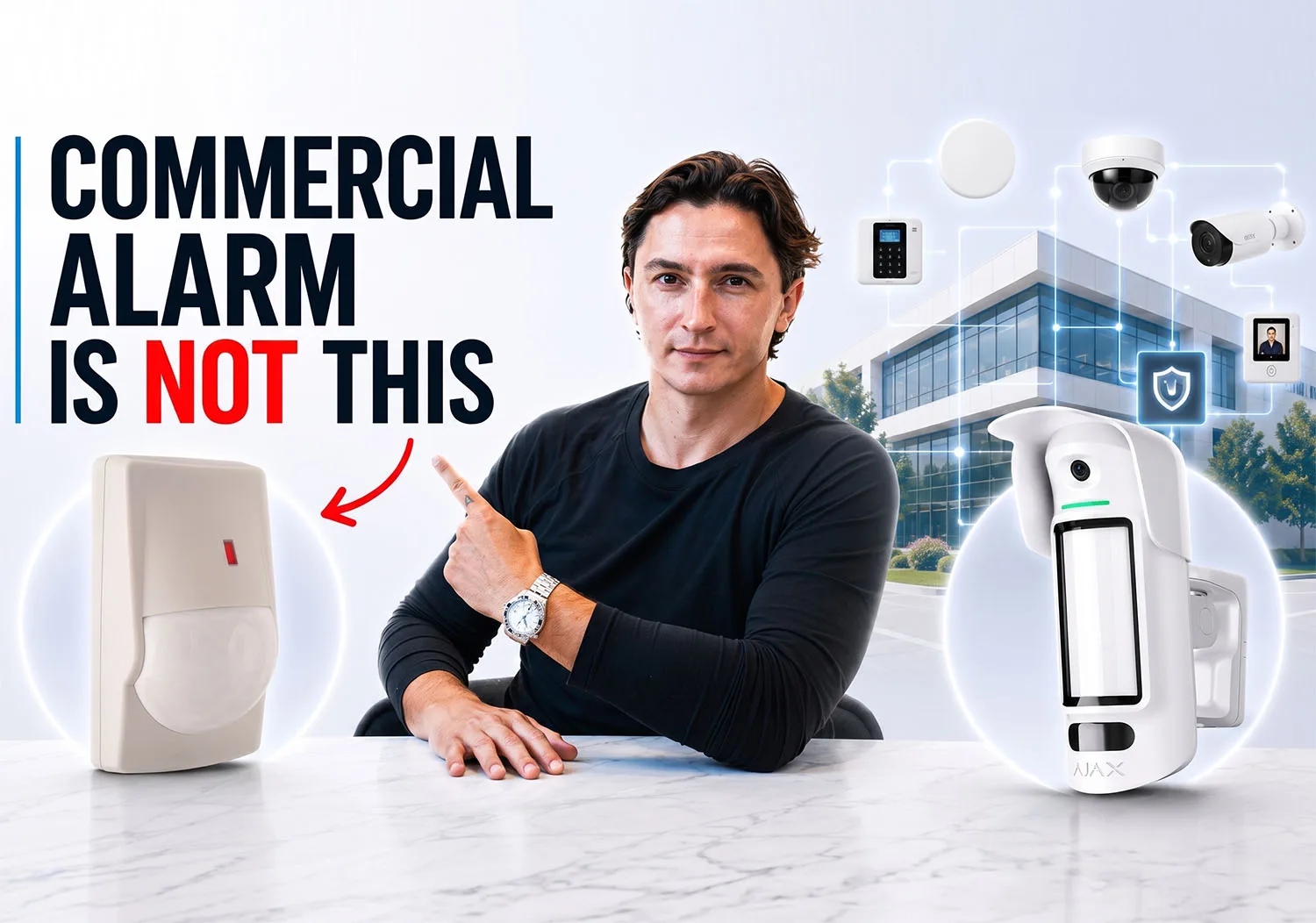
- Looks Can Be Deceiving: Commercial and residential security devices often use visually identical hardware, but they are built to solve entirely different operational problems.
- Complex Permissions: Unlike home security, a business system must manage multiple users, specific access zones, and detailed event histories.
- Unified Platforms: Modern business protection goes beyond simple alerts by integrating access control, alarms, and video surveillance into a single security management tool.
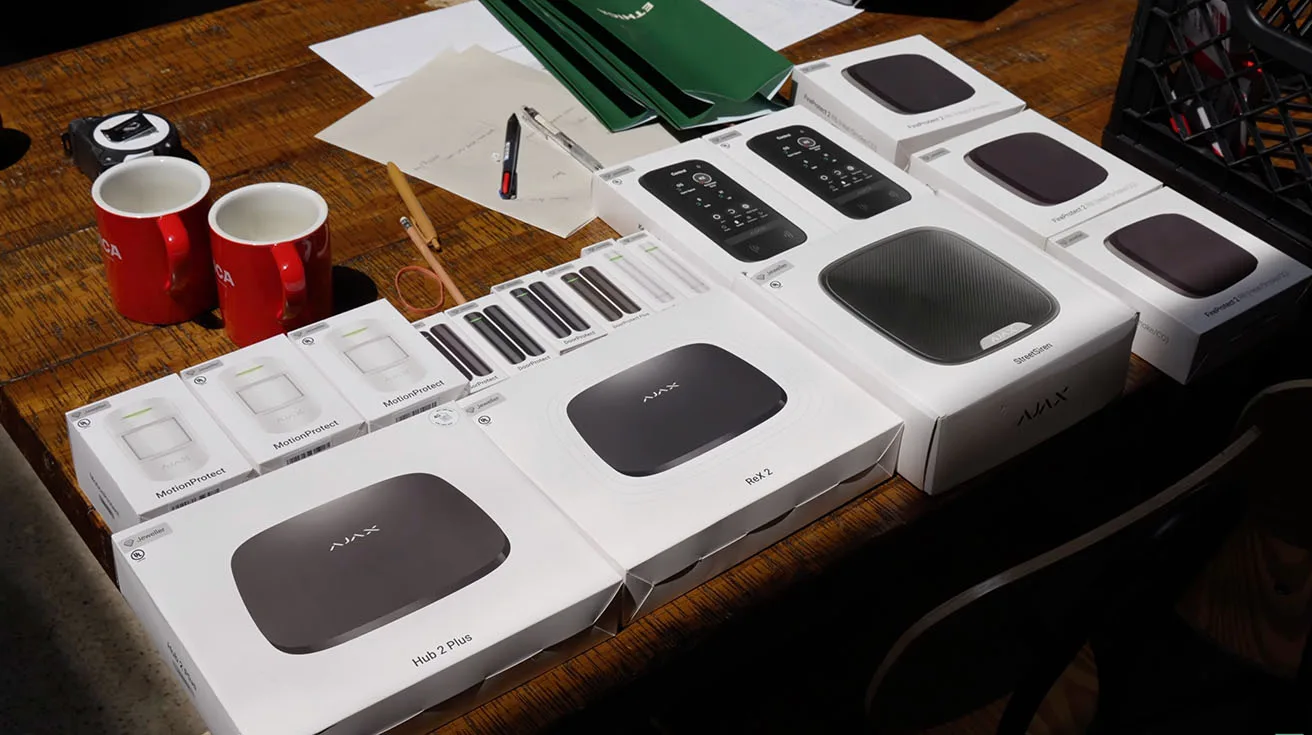
Many people think a commercial alarm system is simply a more expensive version of a home alarm system. But that is not really true. These systems may use similar devices, but they are designed to solve very different problems. When visiting commercial projects, business owners often look at the motion detectors, door contacts, sirens, and other devices and say they look just like the sensors at their house. In many cases, commercial and residential alarm systems use devices that look very similar, and they may even use some of the same models. This visual similarity is why many business owners believe a commercial setup is just a home alarm system with a higher price. But the biggest difference is the platform behind them and how that platform helps manage the security of the business.
Learning from industry veterans, like the insights found in this COMCON Security 36-years expert interview, shows that true business protection requires a fundamentally different architecture.

A residential alarm system usually protects one home. Mostly it detects a break-in and sends a notification to the homeowner. A commercial system has to do much more. It needs to protect employees, visitors, equipment, inventory, data, and business operations. It may also need to manage several rooms, floors, buildings, or even locations.
A business may have many employees who need different levels of access to the system:
- Business Owner: May need full control.
- Manager: May only need access to one location.
- Employee: May only be allowed to arm or disarm one specific area.
- Cleaning Company: May need temporary access during certain hours.
1 / 5
A commercial alarm system allows the business to manage all of these users and permissions. It also creates a detailed event history. A business owner can see who armed the system, who disarmed it, when it happened, and which area was involved. They can also review alarms, technical problems, sensor activity, and other important events. For a business, this is not only an alarm system, it is a security management tool.
From an Alarm System to a Security Management Platform
Another major difference is that modern commercial alarm systems rarely work alone. Today, they are becoming part of a complete security platform. This platform may include:
- The alarm system
- Video surveillance
- Access control
- Video intercoms
- Smart locks
- Building automation
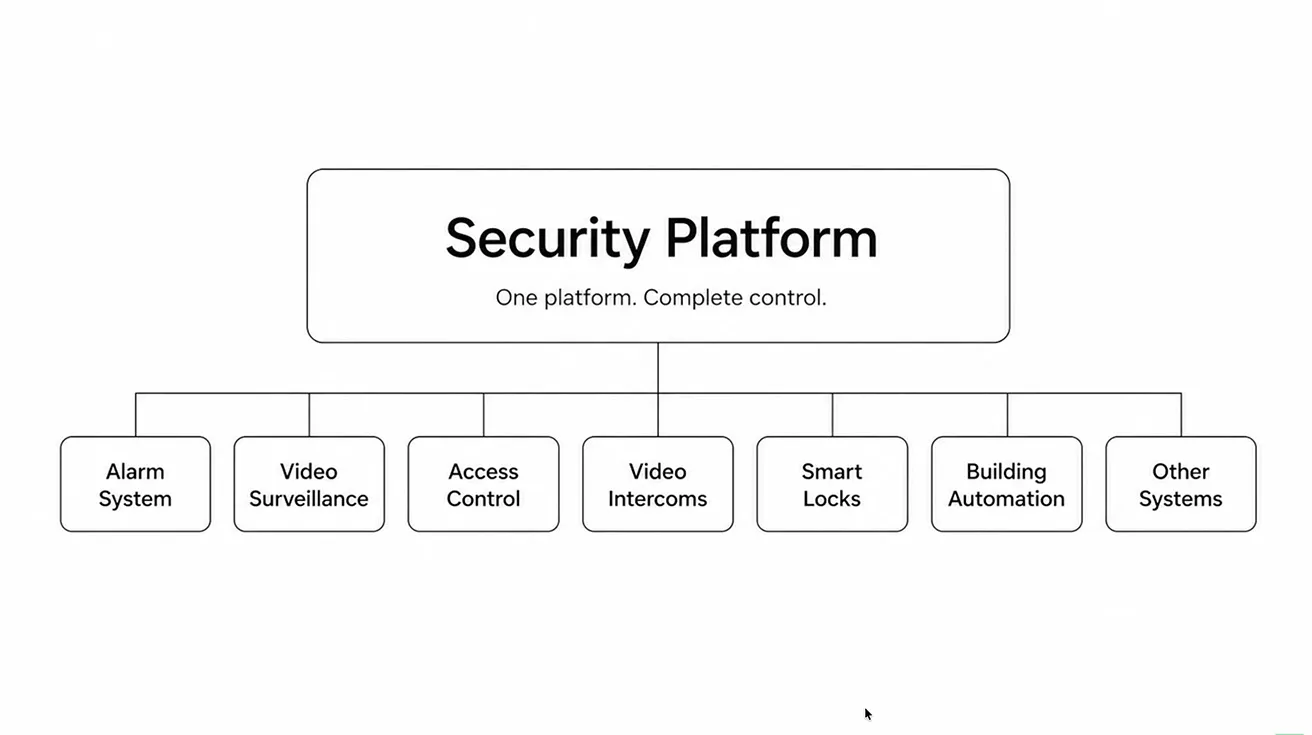
The most important part is that these devices can work together. Instead of using five different applications, a business owner may have one mobile app or one software platform. From this platform, they can manage multiple locations, view cameras, check the status of sensors, control doors, receive alarms, and review the full event history.
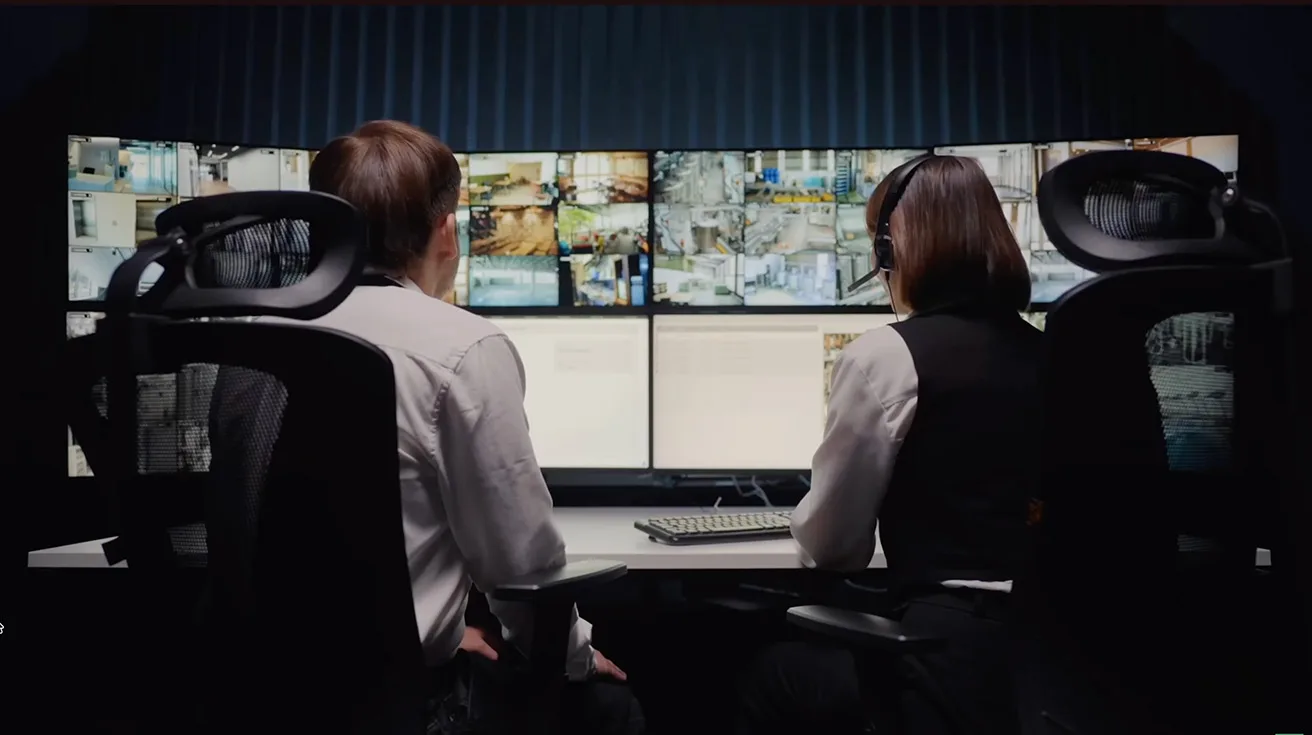
Understanding what a VMS (Video Management System) is helps illustrate how seamlessly live video feeds tie directly to door sensors. Imagine that an alarm is triggered at a warehouse. Instead of only receiving a basic notification, the owner or monitoring operator may immediately open the cameras from the same platform. They can see what caused the alarm and make a faster decision. If an employee opens a protected door, the system may connect that access event with video from the nearest camera.
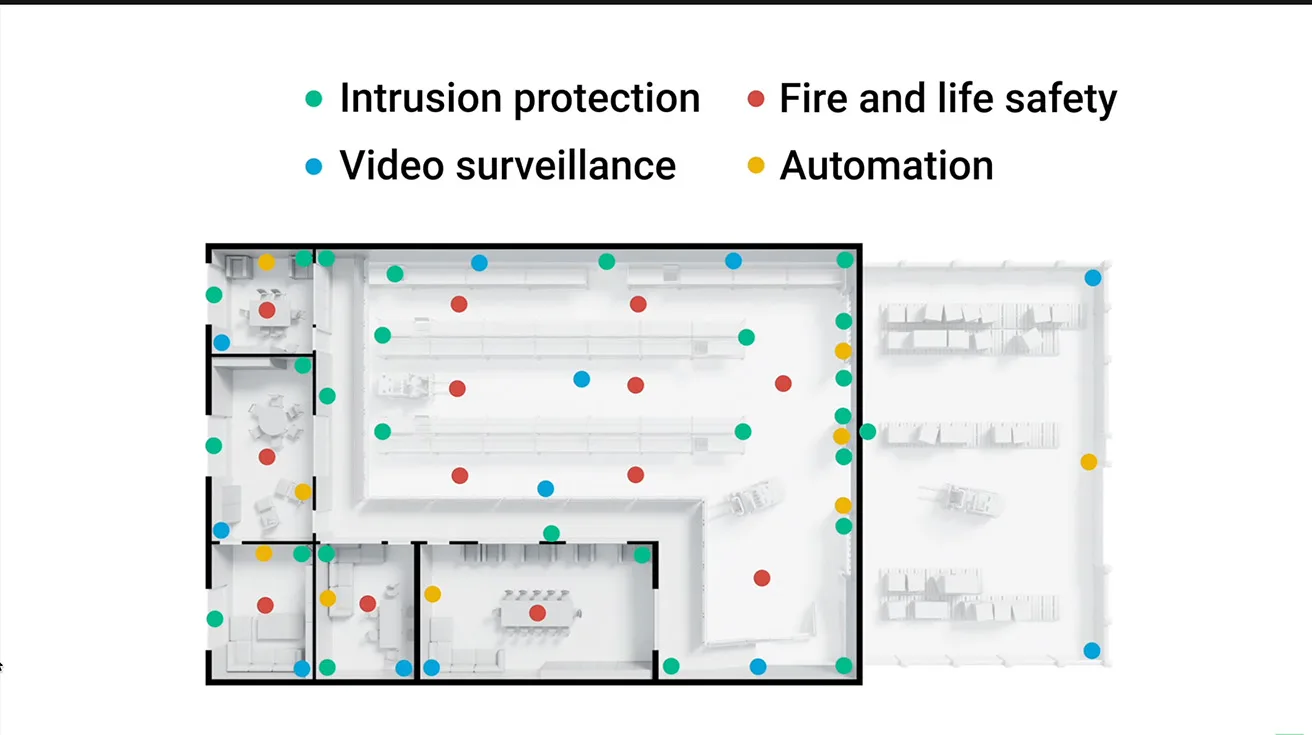
If a fire detector is activated, the system may unlock certain doors, turn on emergency lighting, and notify the responsible people. Advanced setups can even incorporate active countermeasures to physically stop intruders, as detailed in this anti-intrusion security fog system case study. This is why many manufacturers no longer describe their products as only an alarm system; they are building complete security platforms. And for a business, this is a major difference.
Integrating Existing Equipment from Different Manufacturers
Another important trend is the integration of equipment from different manufacturers. In the past, upgrading an existing alarm system often meant replacing almost every device. That could be expensive and disruptive for the business. Today, some manufacturers are developing solutions that make it possible to connect older equipment to a newer platform.
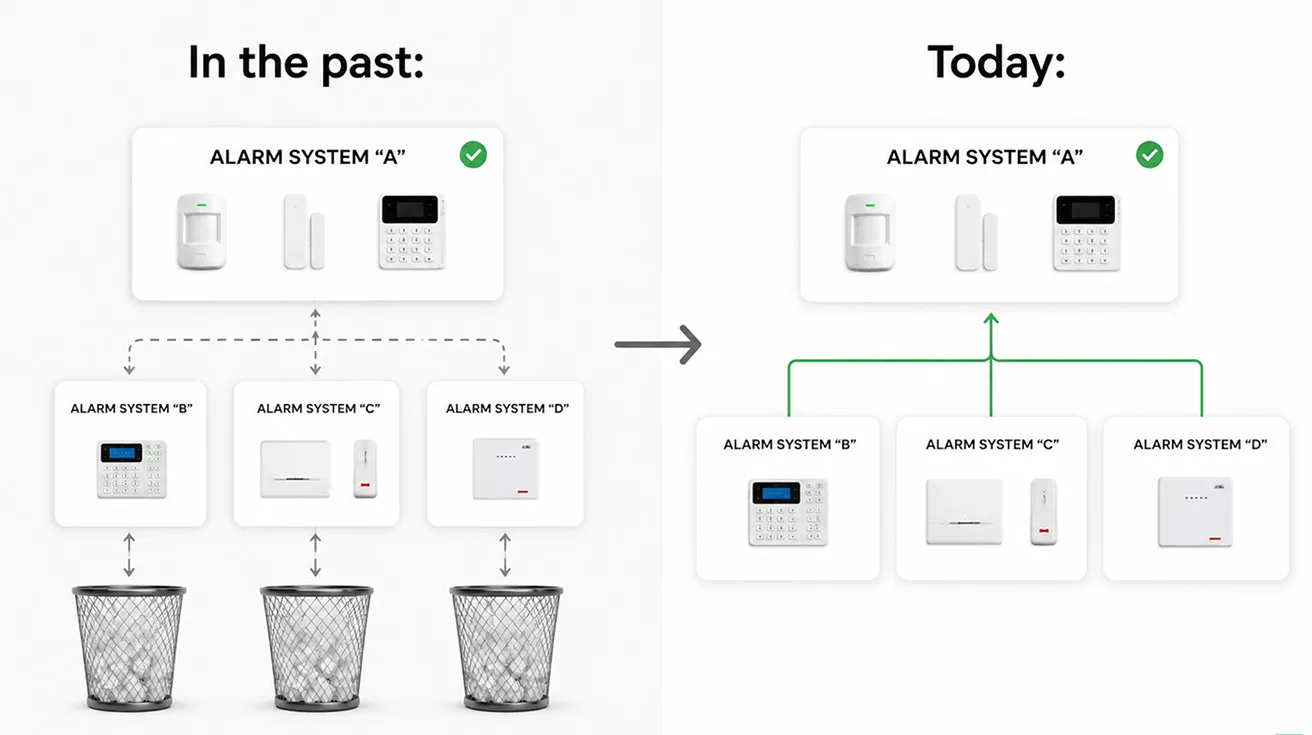
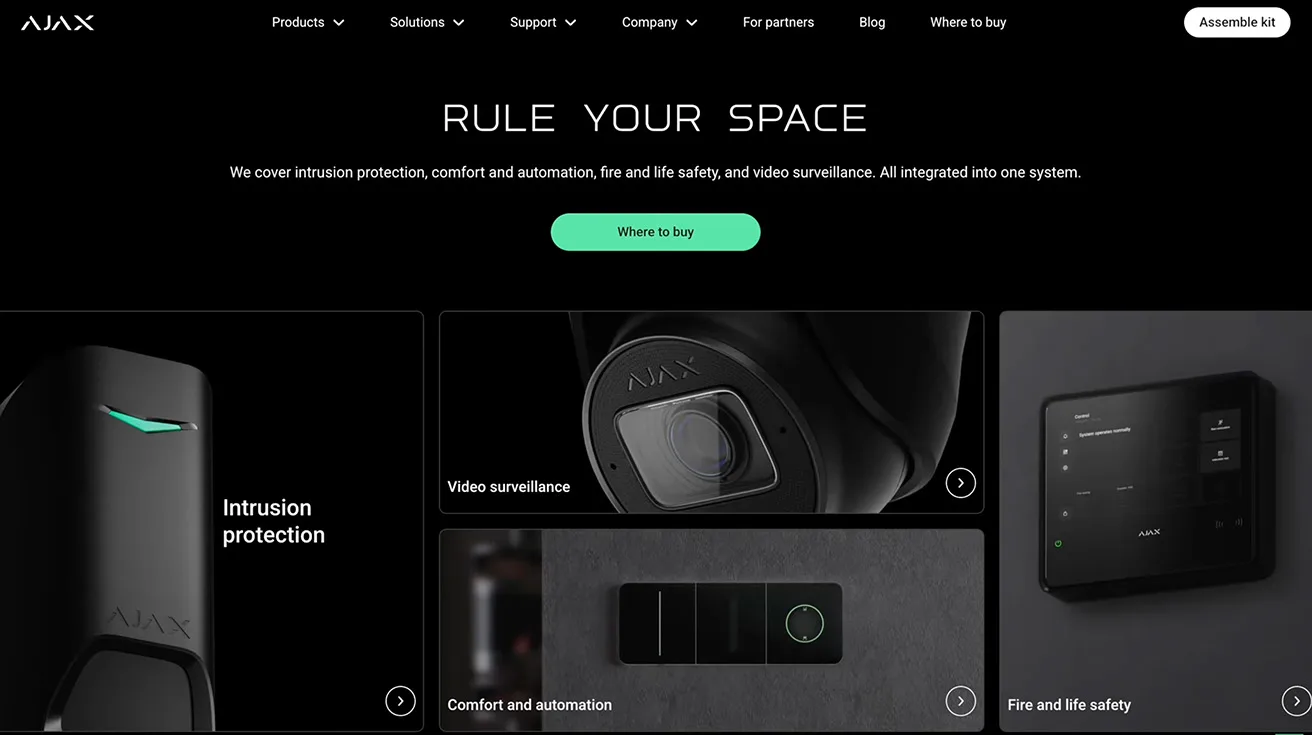
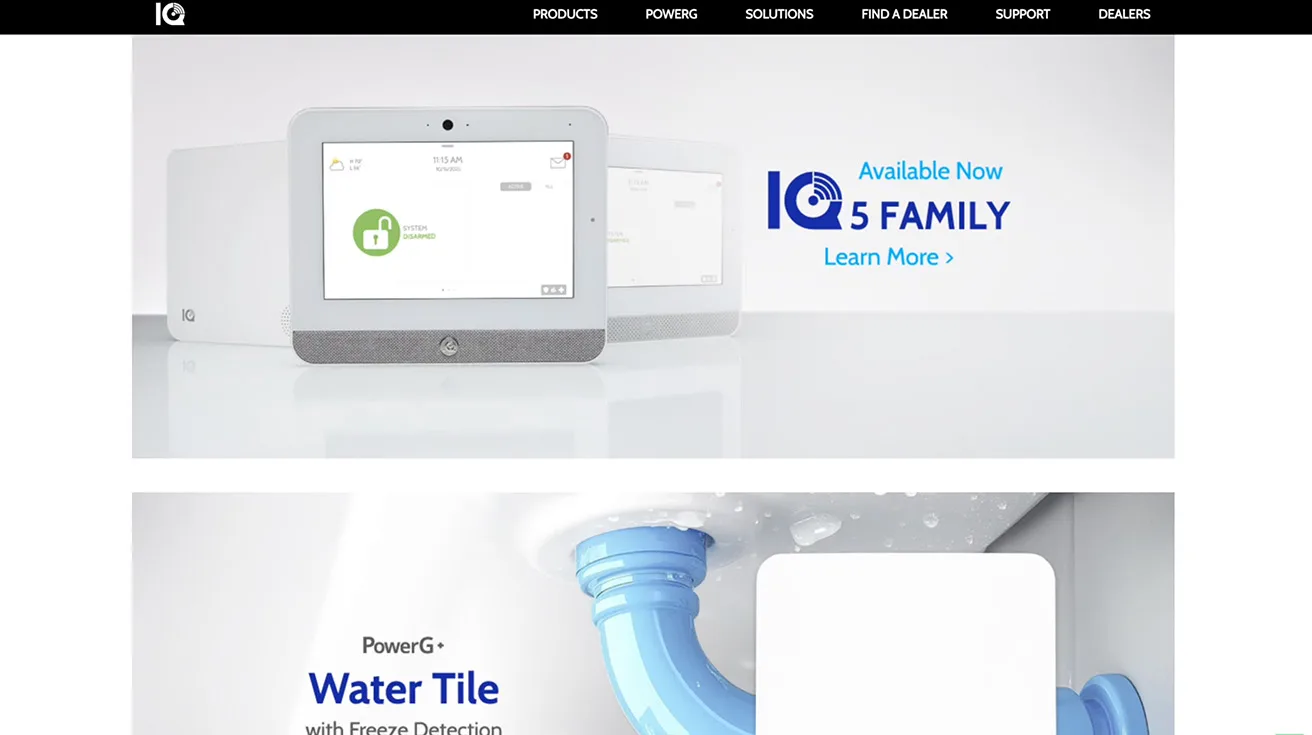
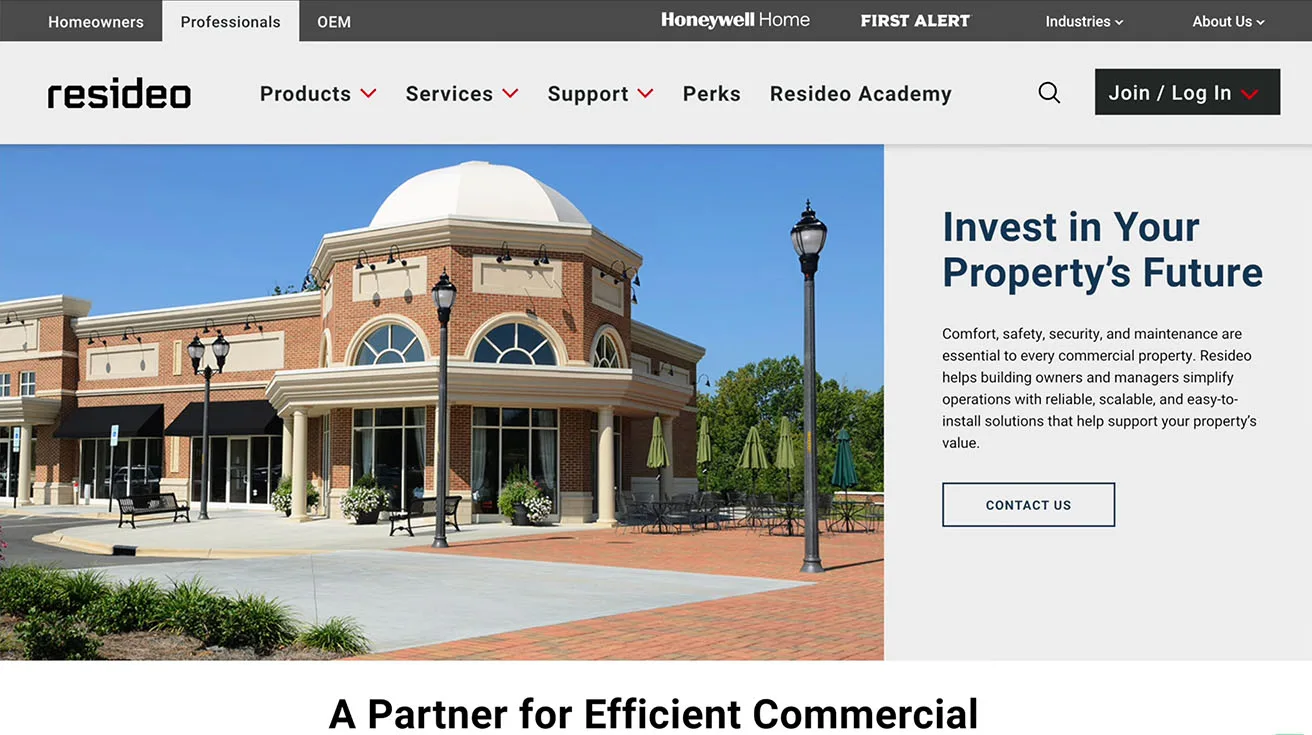
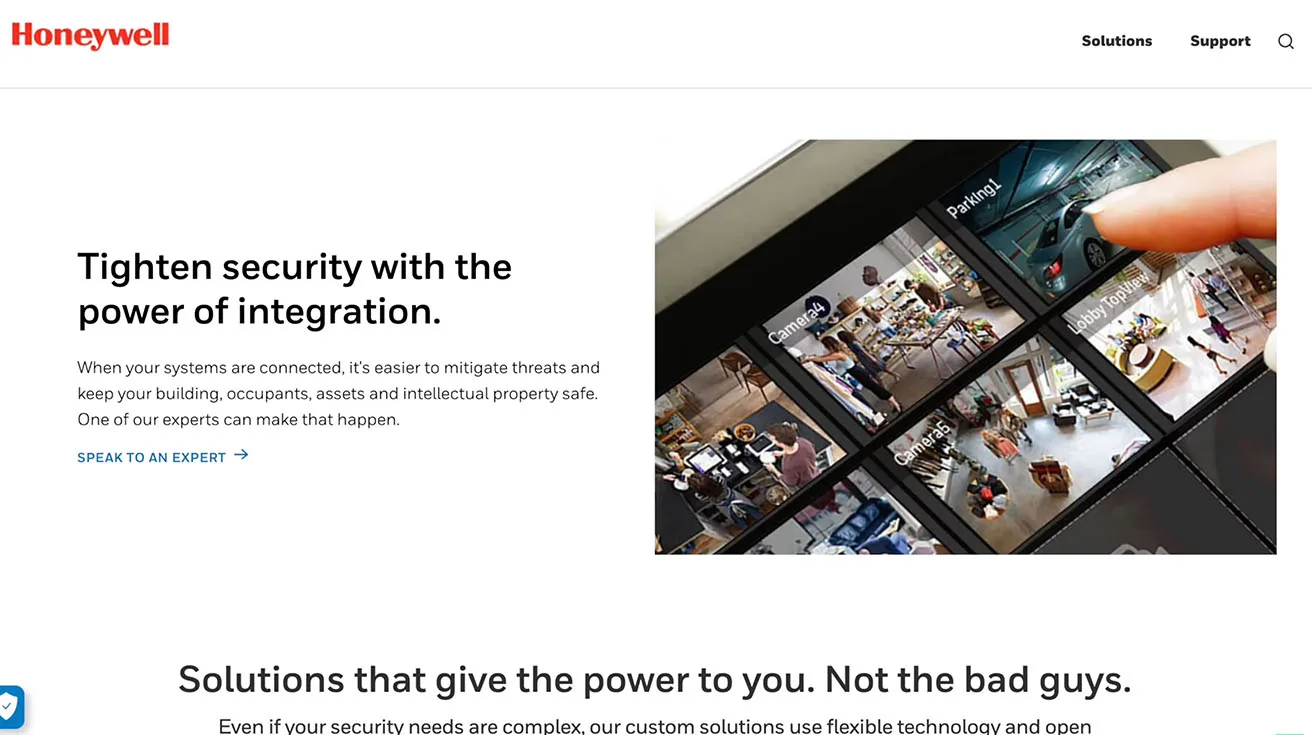
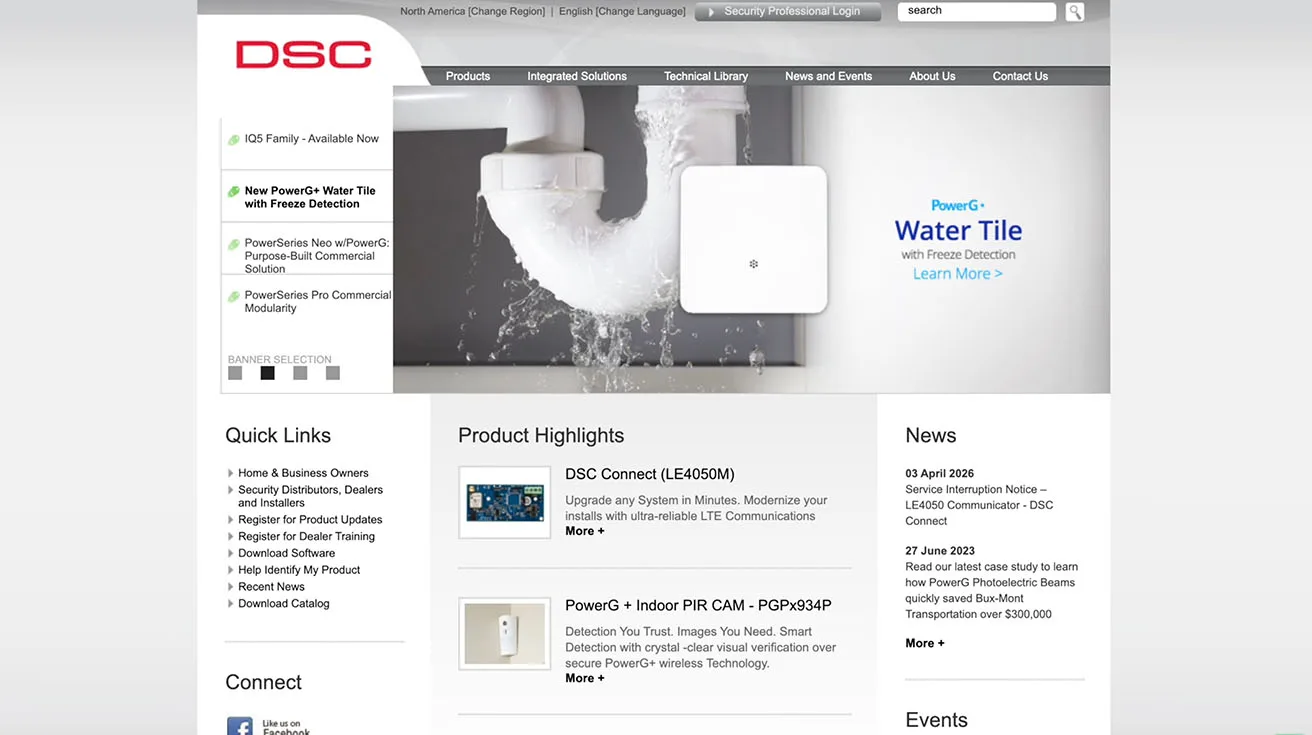
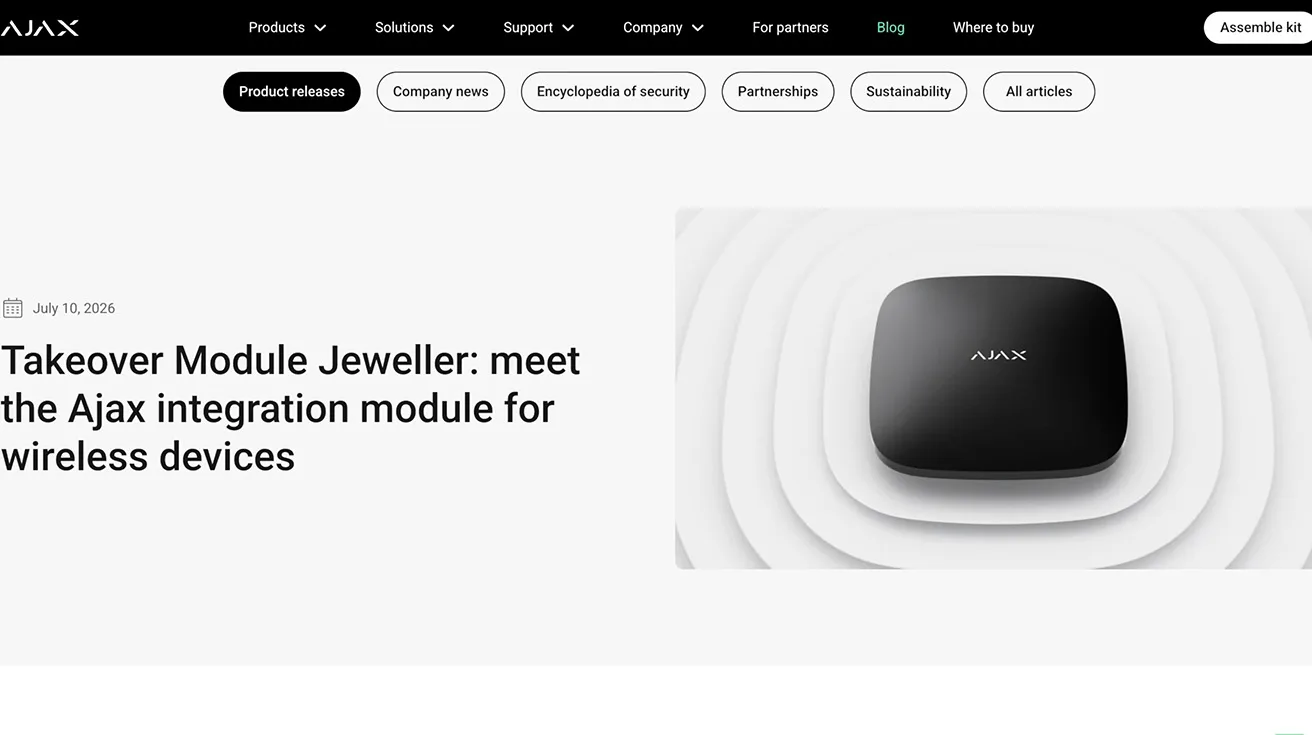
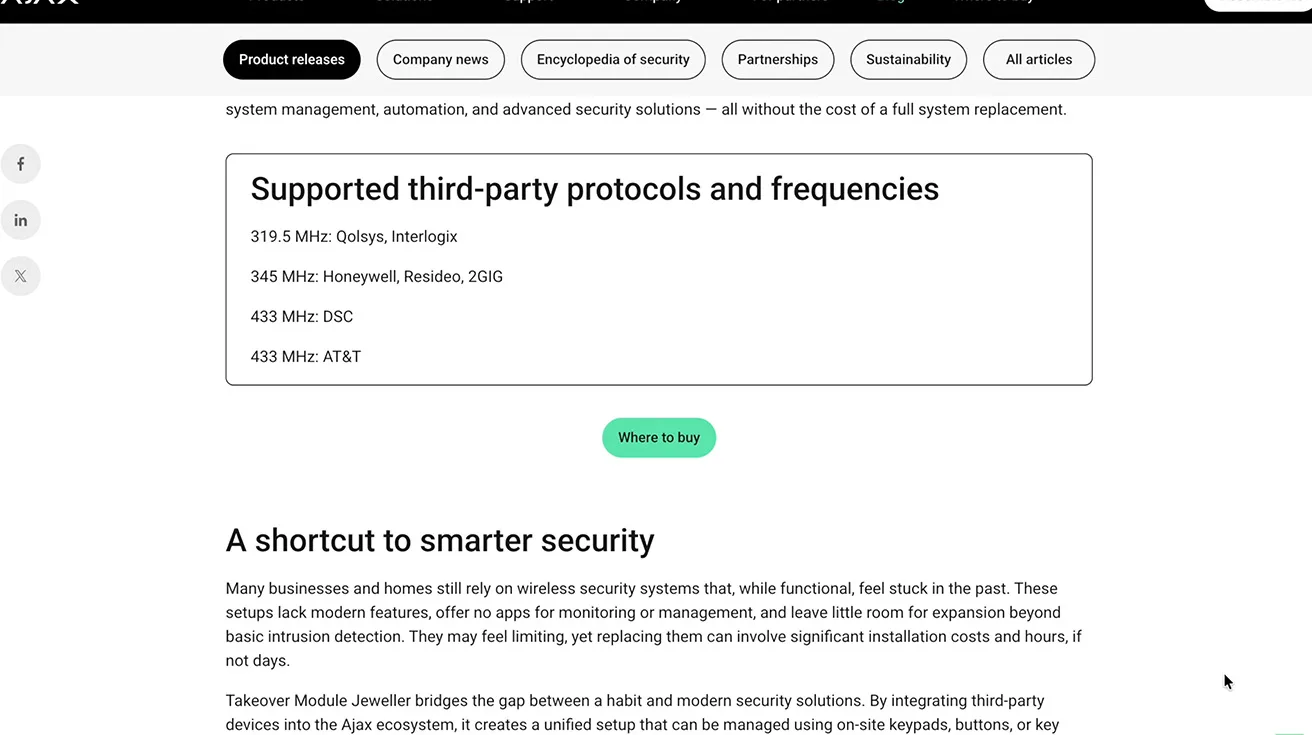
For example, Ajax Systems recently introduced the Takeover Module Jeweller. This module can connect compatible wireless devices from other manufacturers to an Ajax system. This includes some devices from Honeywell, Resideo, 2GIG, Qolsys, Interlogix, DSC, and other compatible systems. Expanding on this ecosystem, modern solutions also allow for robust video integration, such as Ajax Systems' new NVRs with HDMI, superior cameras, keypad, outdoor, and fire safety devices.
This level of compatibility can be very useful for a business that already has dozens or even hundreds of wireless sensors installed. Instead of replacing everything at once, the business may be able to keep part of the existing equipment and upgrade the system step by step.
1 / 2
Fire, Smoke, and Water Leak Protection in Commercial Buildings
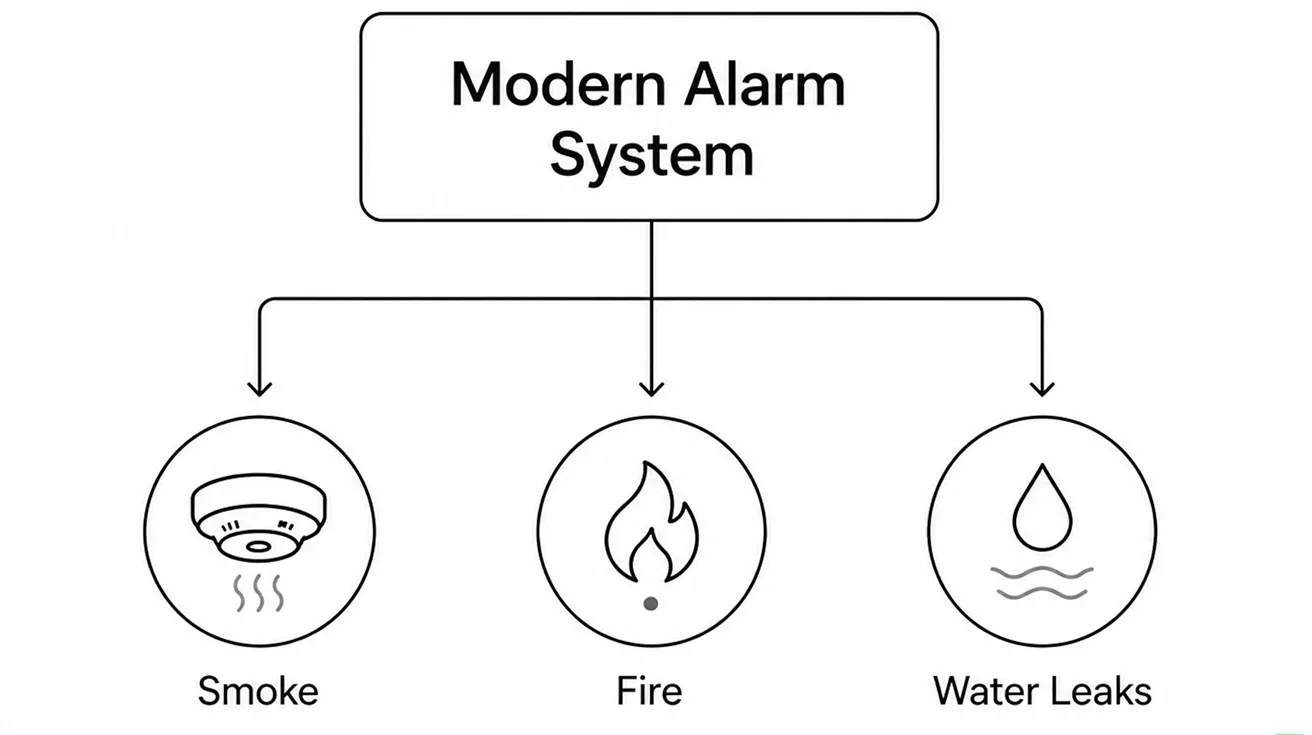
Commercial security is also about much more than preventing a break-in. Modern systems can provide early detection of smoke, fire, and water leaks. And in many businesses, fire or water damage can cause much greater losses than theft.
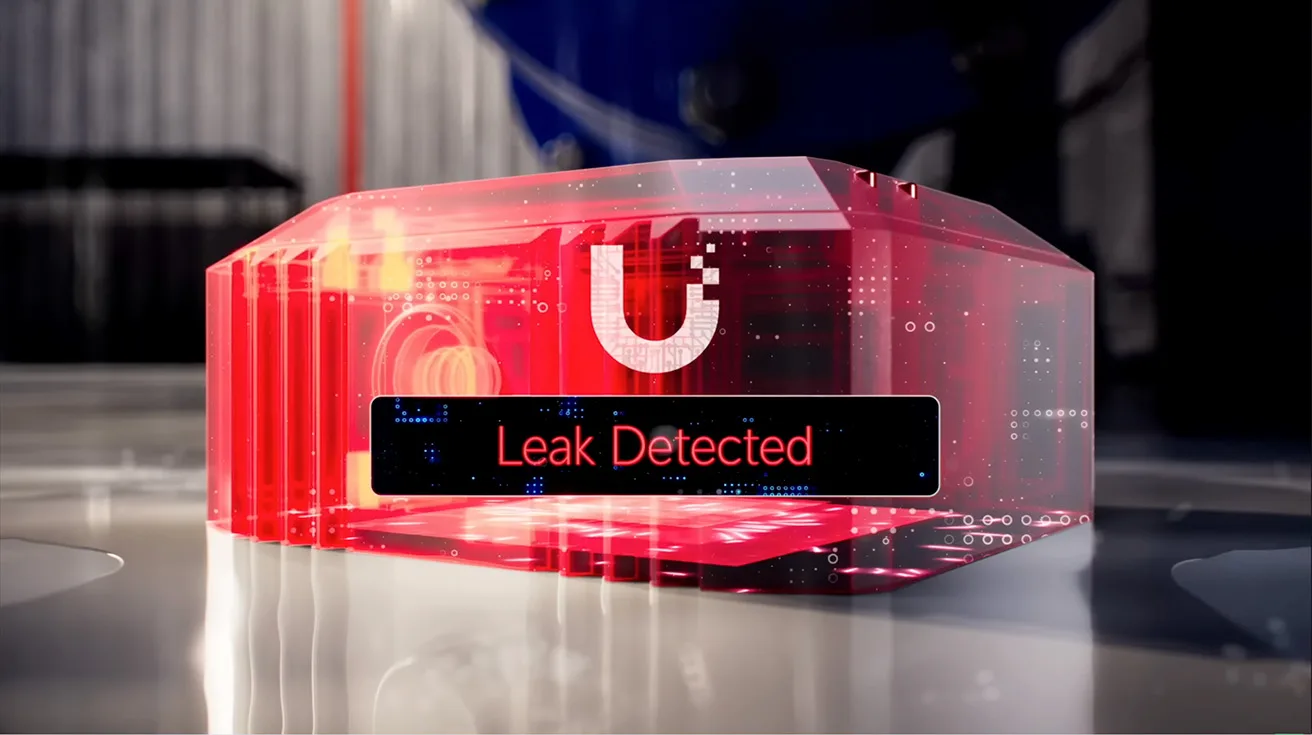
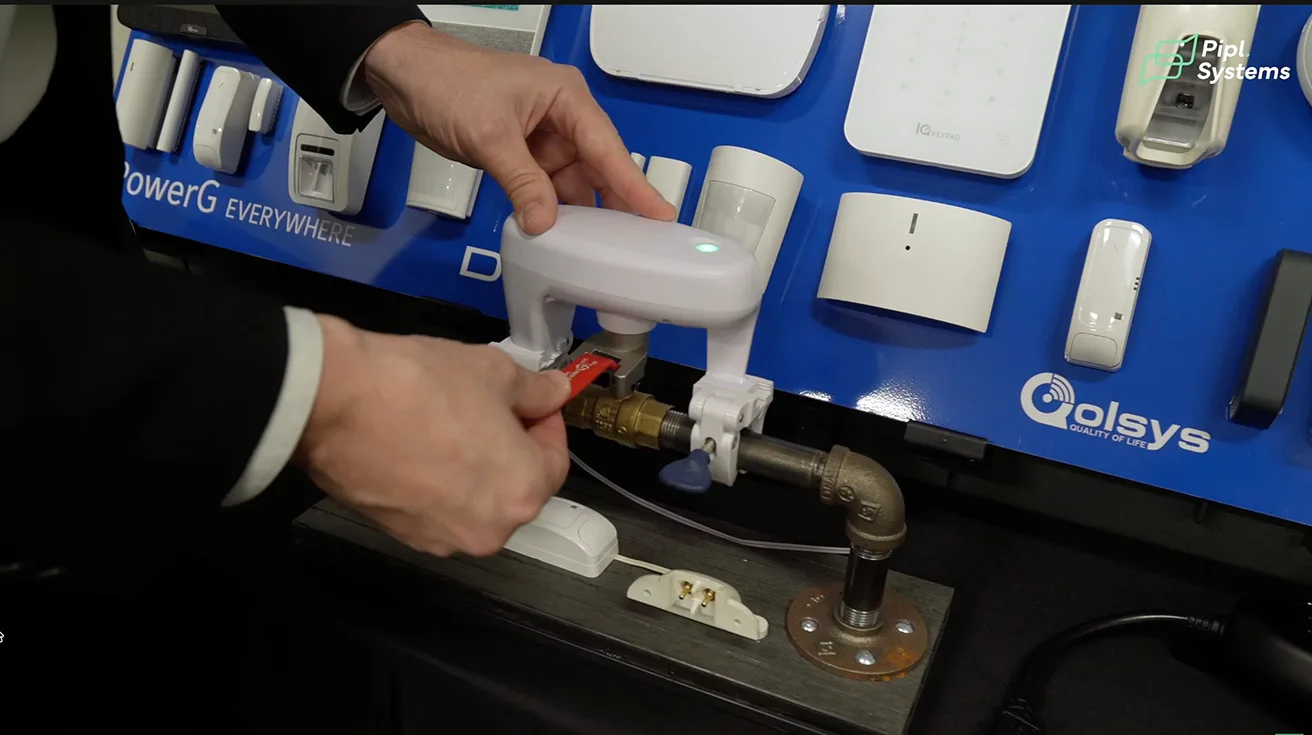
When distributing professional security systems, a serious water leak in a warehouse during the night proved this point. At around three o'clock in the morning, an employee received an alert from the security system. He immediately went to the warehouse and found the problem. Because he responded so quickly, the damage was reduced. Without that early notification, the water could have continued flowing for several more hours, and the damage could have been much more serious.
1 / 3
A small water leak detector may not look like an important security device, but it can protect inventory, equipment, furniture, documents, electrical systems, and the building itself. In some situations, it can prevent tens or even hundreds of thousands of dollars in damage. For this reason, businesses should consider an automatic water shutoff system when technically possible. If a leak is detected, the system can automatically close the water valve. This is especially useful when nobody is at the building, and the responsible person cannot arrive immediately. Of course, the design will depend on the building, the plumbing system, and the location of the possible leak. But this should always be discussed during the system design process.
Professional Monitoring vs. Mobile Notifications
Professional monitoring is another important difference between many residential and commercial systems. For a home, a notification on the owner's phone may sometimes be enough. For a business, relying only on one person's phone can be a serious risk. What happens if the owner is sleeping, the phone is on silent, or the owner is travelling and has no internet connection?.
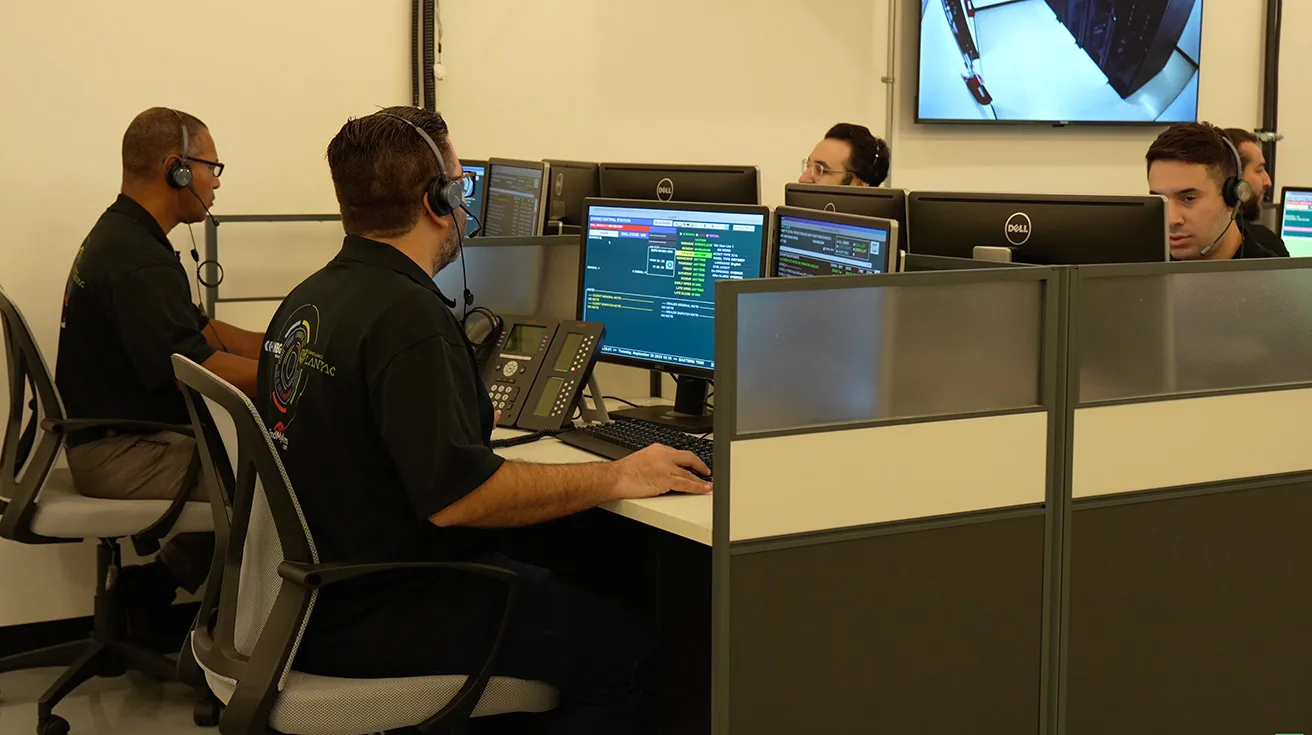
With professional monitoring, an alarm is sent directly to a monitoring center. The monitoring operator can review the event, follow the correct response procedure, and contact the responsible people. When video verification is available, the operator may also open the cameras and better understand what is happening. Depending on the situation, they may contact security personnel, emergency services, or law enforcement. This creates another layer of protection. It also means the response does not depend on only one person seeing a mobile notification.
Codes, Standards, and Insurance Requirements for Businesses
Commercial projects may also have insurance, building code, or industry requirements. Depending on the type of business and location, the equipment and installation may need to meet specific standards. In Canada, you may hear about ULC requirements, while in the United States, UL standards are commonly used.
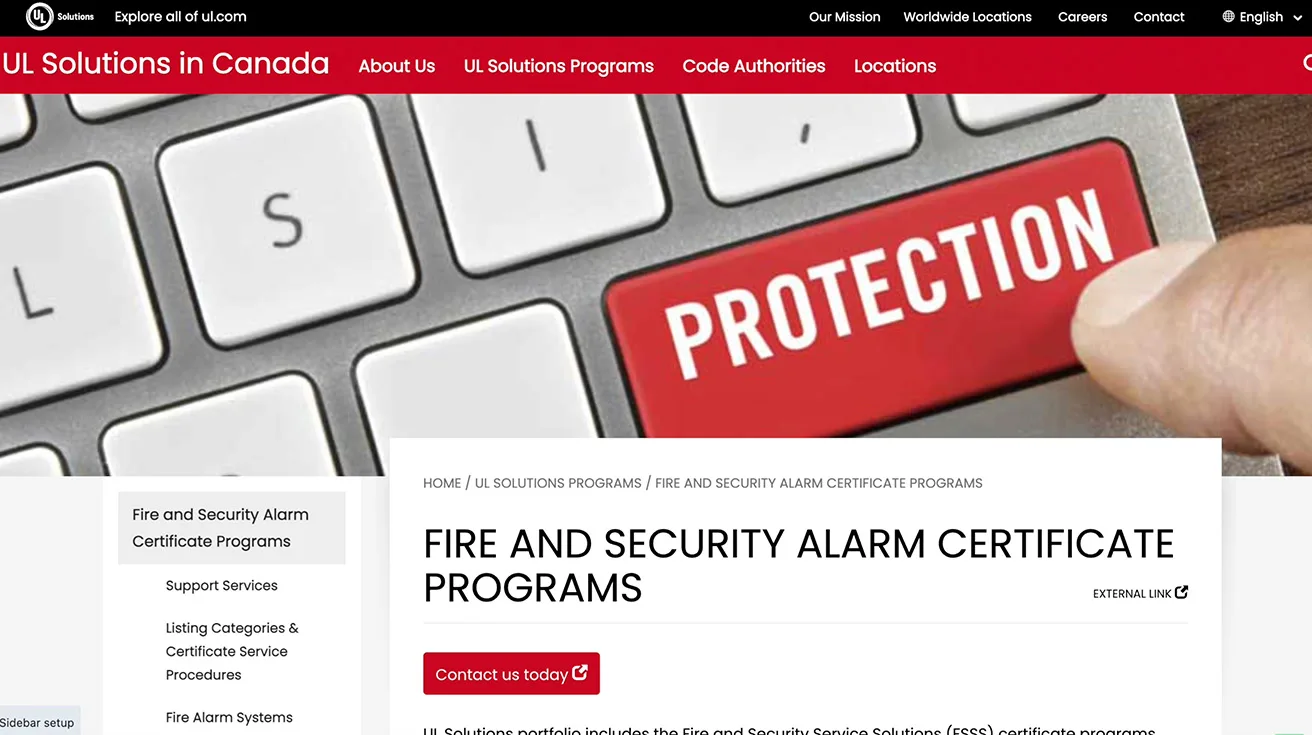
The exact requirements depend on the project. A retail store, warehouse, bank, restaurant, office, and industrial facility may all have different needs. Some businesses may also have special requirements from their insurance company. This is why the system should be designed by someone who understands not only the equipment but also the local regulations and the customer's business risks.
How to Choose the Right Security Integrator for Your Project
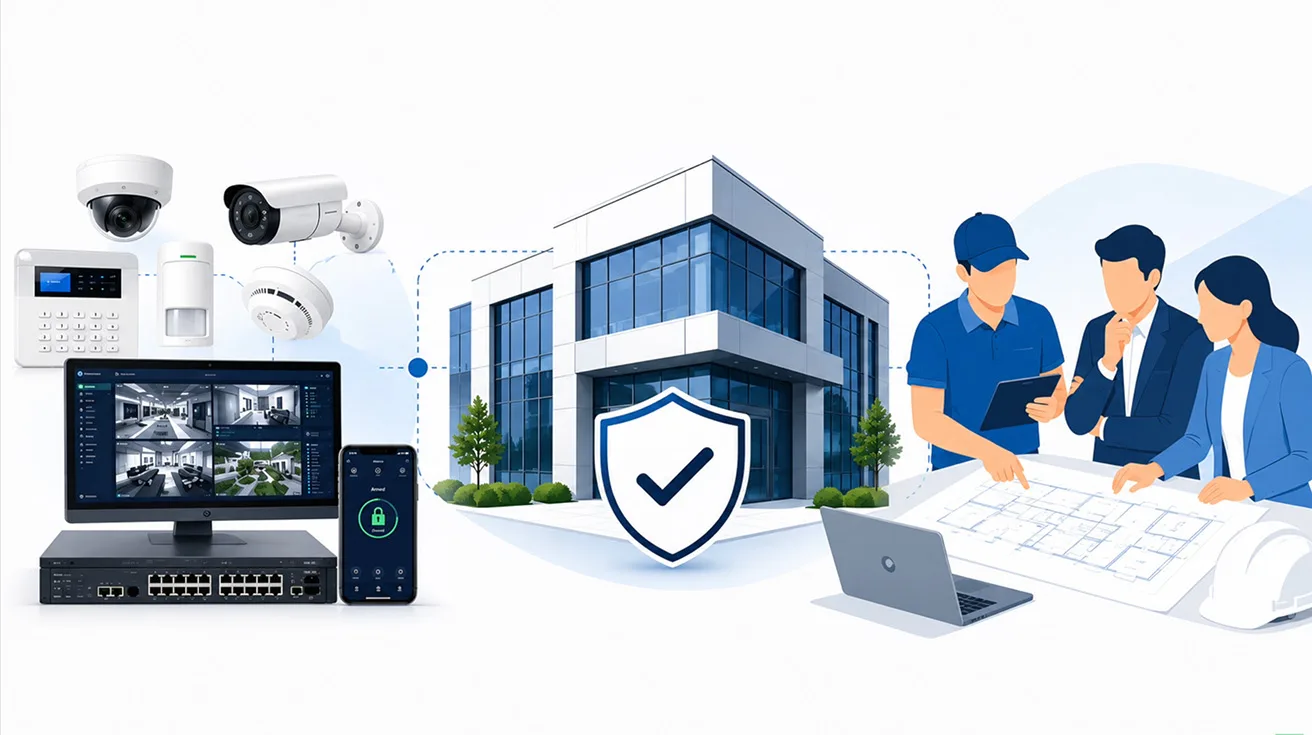
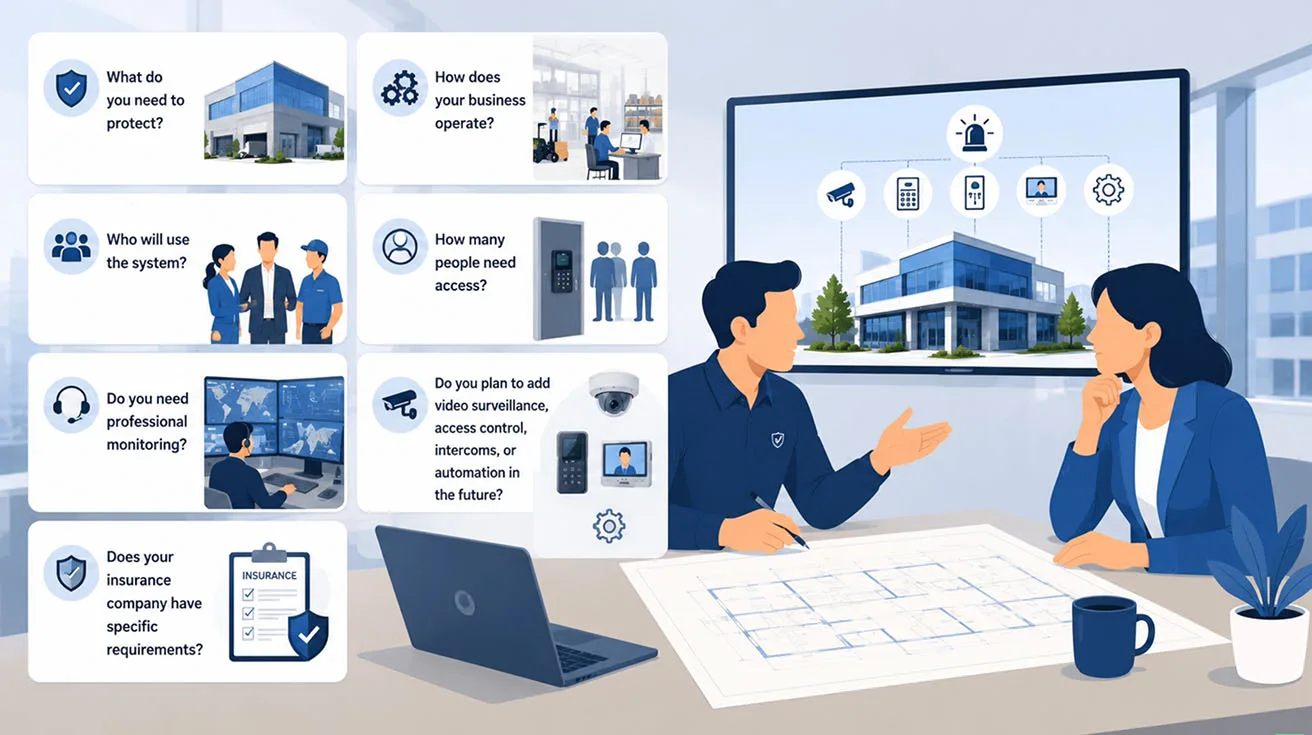
If you are currently choosing a security system for your business, the main recommendation is very simple: do not choose only the equipment. You also need to choose the right company to design and install the system. A good security integrator normally does not begin the conversation by asking which brand you want. First, they should try to understand your business. They should ask:
- What do you need to protect?
- How does your business operate?
- Who will use the system, and how many people need access?
- Do you need professional monitoring?
- Do you plan to add video surveillance, access control, intercoms, or automation in the future?
- Does your insurance company have specific requirements?

1 / 4
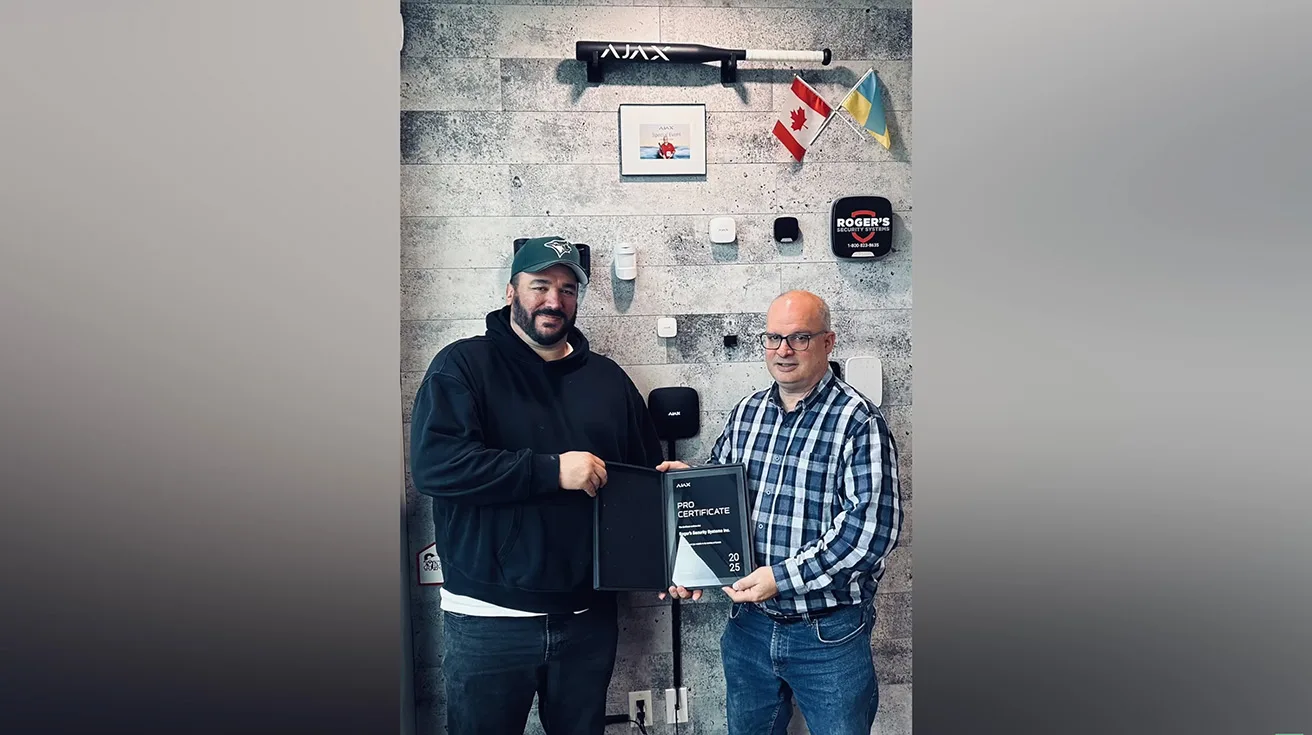
Only after understanding all of these details should an integrator recommend a system. You should also check whether the integrator is trained and certified to work with the equipment they are recommending. Modern security technology changes very quickly. Manufacturers release new devices, software updates, integrations, communication methods, and security features. A professional integrator should continue learning and regularly update their qualifications. Being an official partner or certified installer shows that the company has access to training, technical information, and manufacturer support.
Summary & Working with Pipl Systems
A commercial alarm system is much more than just a larger version of a home alarm system. This covers only the basics. Future content will go deeper into the different devices used in modern alarm systems, the difference between wired and wireless solutions, professional monitoring, access control integration, and other practical topics based on real projects across North America.
The goal at Pipl Systems is to help business owners better understand modern security technology so they can make more informed decisions. If you are looking for a professional security integrator, visit the Pipl Systems directory. There you can compare security companies, see the brands they work with, review their projects, and check their manufacturer certifications.
Prefer a visual breakdown? Watch the full video below to see a detailed walkthrough of commercial alarm systems and learn how to choose the right setup for your business:
Frequently Asked Questions (FAQ)
What is the main difference between commercial alarm systems and home security?
The core difference lies in the management platform and operational scale. While home setups typically notify a single user of a break-in, commercial systems are built to handle complex multi-level user permissions, detailed access event histories, and seamless integration with other security tools like video surveillance and access control.
Can I use my existing sensors with a new commercial security platform?
Yes. Many modern systems support takeover modules that allow you to integrate legacy wireless devices from older brands into a new, unified platform. This allows for cost-effective physical security upgrades without replacing every piece of hardware at once.
Do business security systems require professional monitoring?
While self-monitoring is technically possible, professional monitoring is highly recommended for businesses. It ensures that trained operators are available 24/7 to verify alarms through video feeds and dispatch emergency services immediately, mitigating the risk of missed mobile notifications.
Why is water leak detection important for a commercial facility?
Water leaks can cause massive financial losses by destroying inventory, documents, and essential server equipment. Advanced commercial setups can incorporate early leak detection and automatic shutoff valves to prevent catastrophic property damage before anyone even arrives on-site.
How do building codes and insurance affect commercial security equipment?
Businesses are often legally required to meet specific fire and security standards, such as UL in the US or ULC in Canada. A certified security integrator ensures that the chosen equipment and installation methods comply with local codes and your specific corporate insurance mandates.
How do I choose the right security system for business operations?
Focus on finding a certified security integrator first, rather than just picking a hardware brand. A qualified expert will audit your facility, understand your operational risks, and design a customized platform that integrates alarms, cameras, and access control into one efficient management interface.