

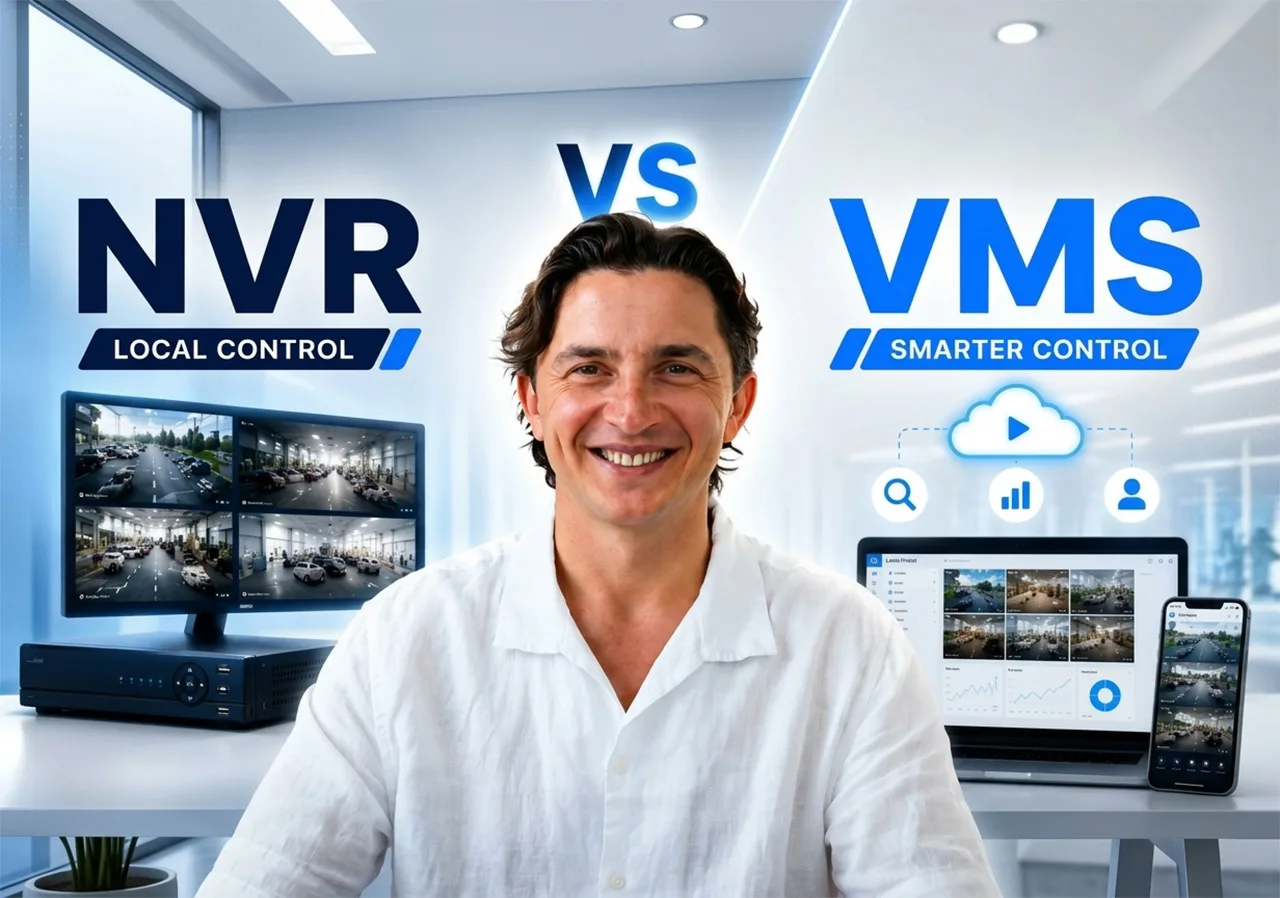
Key Takeaways:
- The Blurring Lines: The classic debate of NVR vs VMS is no longer as straightforward as it was a decade ago. Equipment manufacturers are heavily enhancing NVR software with AI and cloud connectivity, while VMS developers are focusing on highly specialized, multi-site intelligence.
- The Core Differences: Traditionally, a Network Video Recorder (NVR) was built primarily to record and store video locally. A Video Management System (VMS) was built to actively manage complex, multi-site video networks and integrate with other business platforms.
- When to Choose an NVR: A traditional NVR remains the best, most cost-effective choice for single-location businesses that primarily need a reliable video archive for post-incident investigations without mandatory monthly subscription fees.
- The Shift to Daily Operations: When video surveillance transitions from a passive recording tool to a daily operational asset, advanced analytics and centralized management become critical.

In our previous discussions, we talked about what a video management system is and why more and more businesses are using these platforms. After publishing that overview, we received many similar questions from our audience. The most common one was: What should a business choose when comparing NVR vs VMS? Another frequent question was whether modern VMS platforms will eventually replace traditional NVRs entirely.
To be honest, I do not think this question is as simple as it was five or ten years ago. Over the past few years, we have visited dozens of security projects of all sizes. We have evaluated deployments across small retail stores, local restaurants, residential communities, heavy manufacturing facilities, and large logistics centers. During these projects, we spoke with security integrators, hardware installers, equipment manufacturers, software developers, and the business owners who actually use these systems every day.
The Disappearing Line Between NVR and VMS
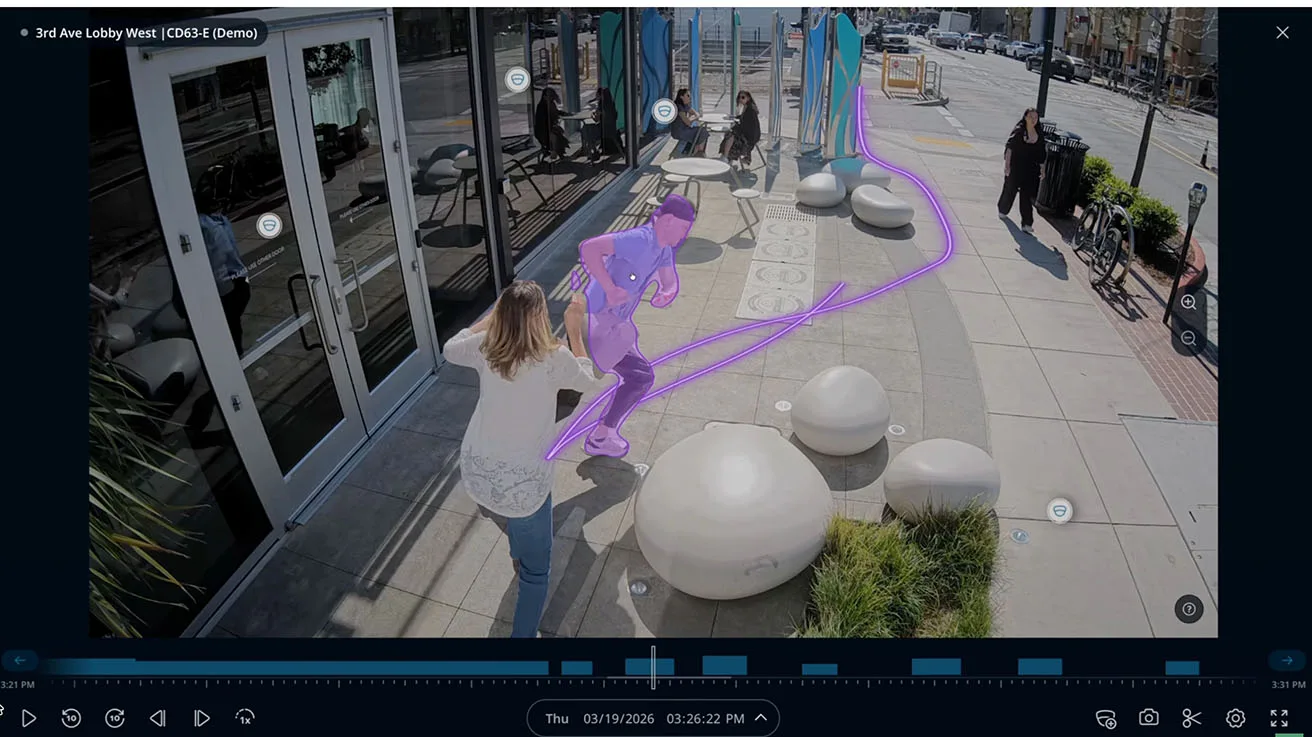
The more professionals we spoke with, the more obvious one thing became. The line separating an NVR and a VMS is slowly disappearing.
Equipment manufacturers are investing heavily in their own software platforms. They are adding artificial intelligence, cloud services, centralized multi-site management, and many features that used to be available exclusively in specialized VMS platforms.
At the same time, VMS developers are taking their software to a completely different level. They are building more advanced AI algorithms, making the software highly specialized for different industries, and creating platforms that do much more than simply record video. These modern platforms help businesses automate everyday tasks, analyze what is happening across multiple locations, and make faster, smarter operational decisions.
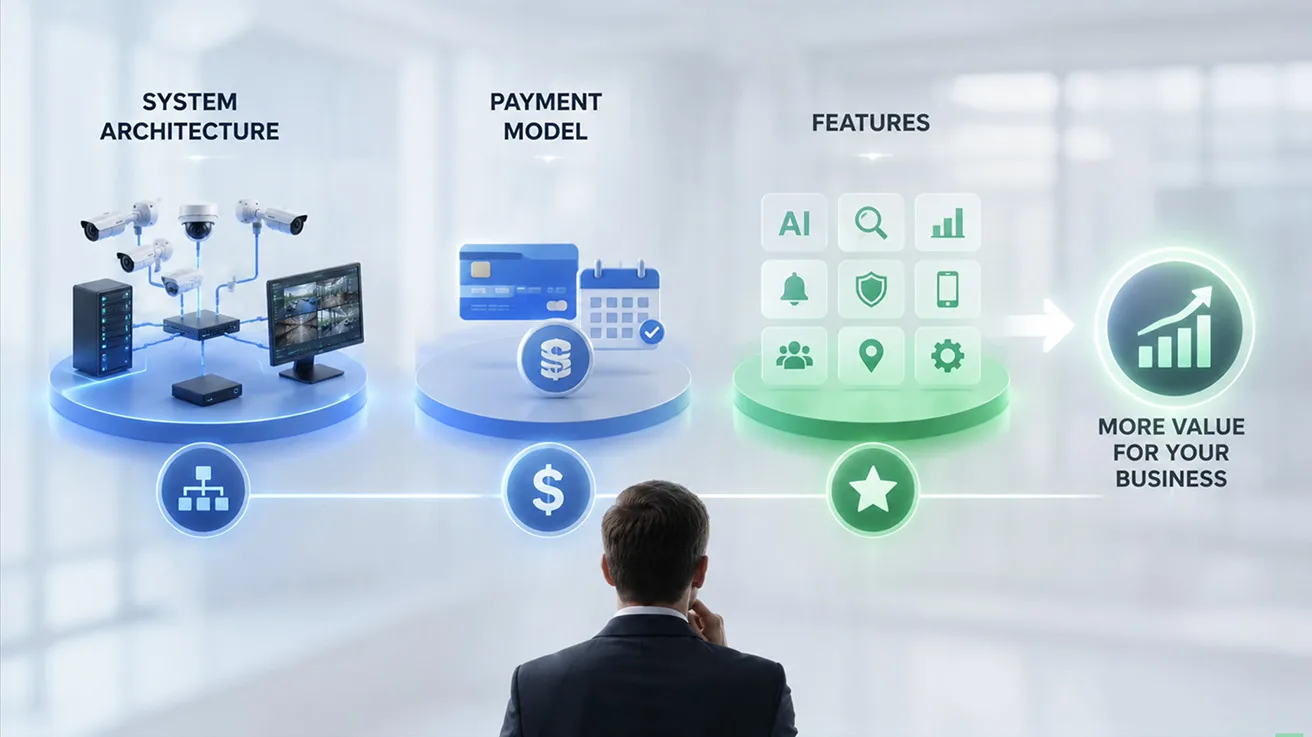
That is exactly why businesses today are no longer simply choosing between a standard recorder and a management software. They are choosing the right system architecture, the best payment model, and the specific features that will bring the most value to their daily operations.
What Is an NVR and What Is a VMS?
Before we dive deeper into how to choose the best solution, let us quickly define how it works and what each system actually is.
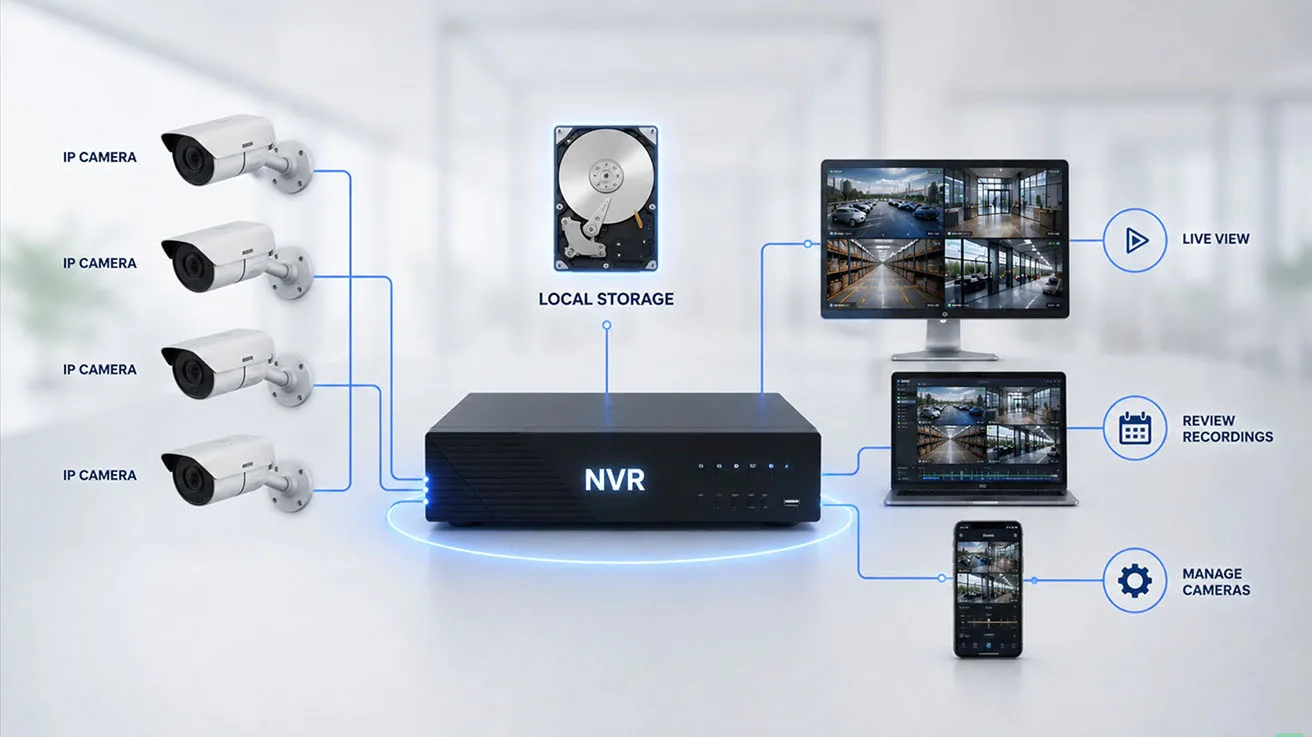
An NVR, or Network Video Recorder, is a physical hardware device. It receives video streams directly from your IP cameras, stores that footage on local hard drives, and allows you to watch live video, review past recordings, and manage your security cameras.
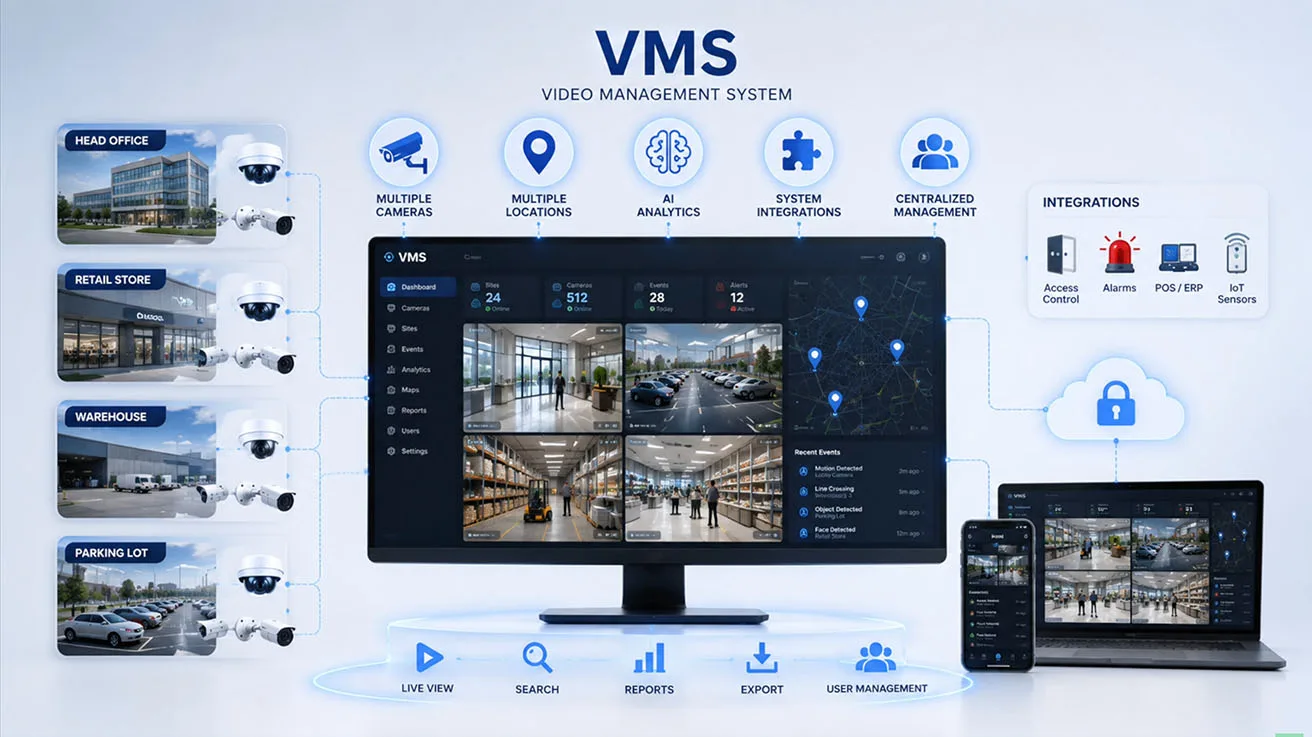
A VMS, or Video Management System, is distinctly different. It is a robust software platform designed specifically to manage larger and much more complex security environments. A true VMS can seamlessly support thousands of cameras, multiple geographic locations, advanced AI analytics, and deep integrations with other business systems from a single centralized interface. If you want to understand the foundational architecture of these platforms, I highly recommend reading our complete guide explaining exactly what is a VMS (Video Management System).
For the purpose of today's comparison of VMS vs NVR, you only need to remember one simple foundational idea:
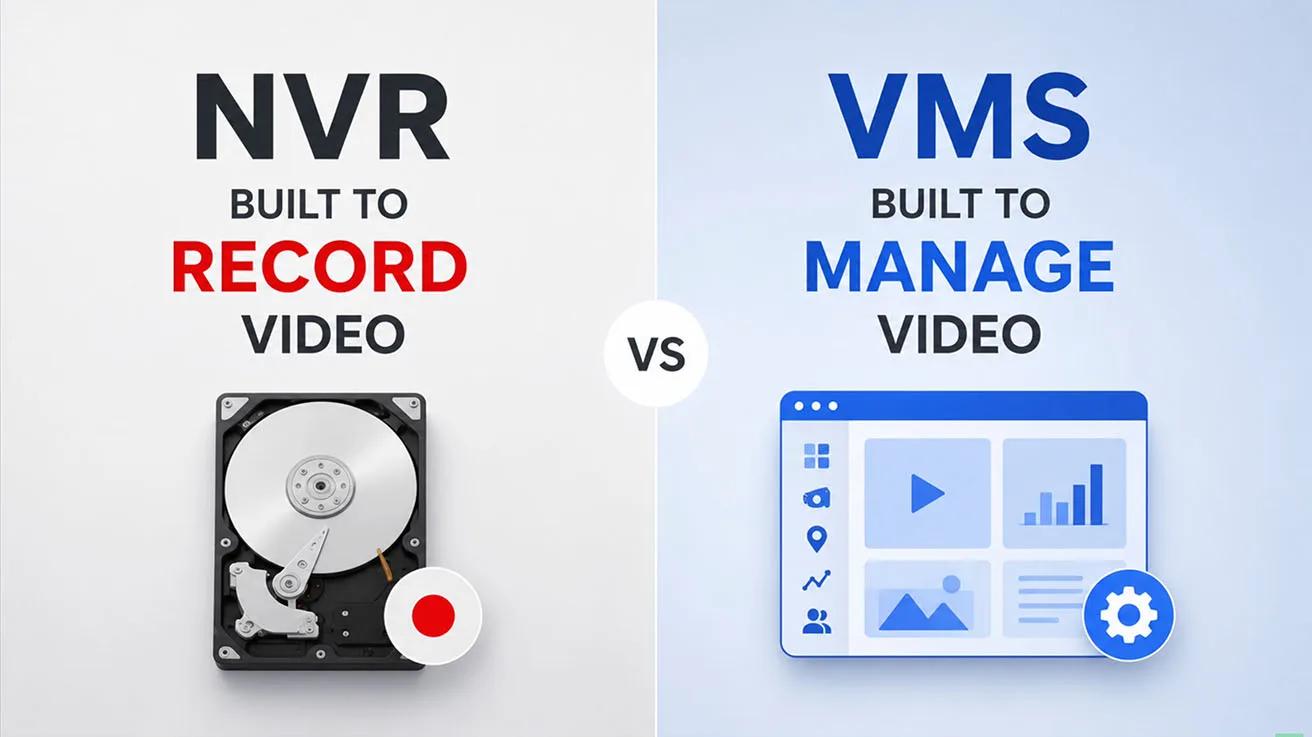
- Traditionally, an NVR was built to record video.
- A VMS was built to manage video.
However, as you will see, that strict distinction is becoming less and less clear every year.
Where a Traditional NVR Is Still the Best Choice
Let us look at exactly where a traditional NVR is still the absolute right solution for a business.
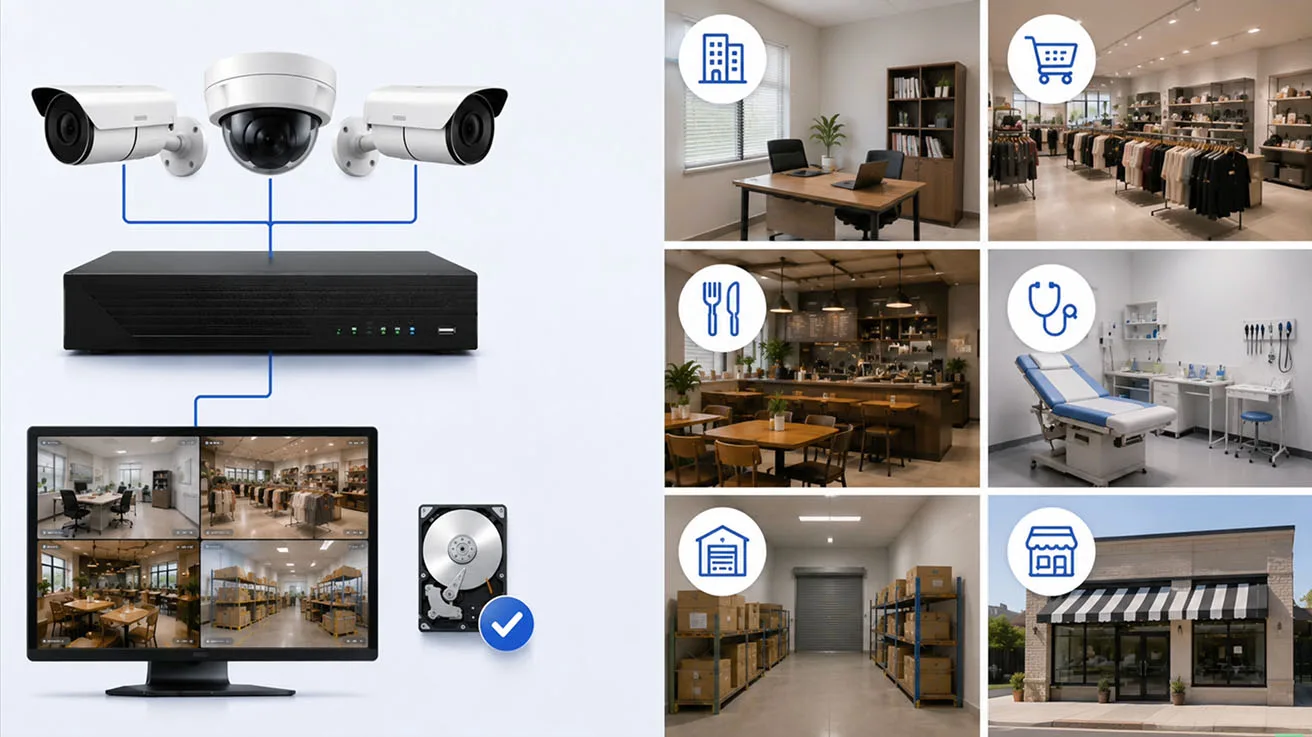
If your business consists of a single office, one retail store, a restaurant, a medical clinic, a warehouse with simple processes, or any other small facility, a traditional NVR is often all you need. As we visit different security projects and interview business owners alongside system integrators, we see the exact same setup again and again:
- A few strategically placed IP cameras.
- A local NVR unit.
- A reliable local video archive.
For many businesses, that is exactly what they need to succeed. The owner or manager can open the mobile app at any time, watch a live video feed, review past recordings, or export a specific video clip if something happens. For most small and medium-sized businesses, this covers all of their everyday security needs.
There is one very interesting thing I have noticed while talking with business owners. Many of them do not actually use their video system every day. Most of the time, they only open the application when something goes wrong. A package might have disappeared, a customer filed a complaint, property was damaged overnight, or they simply need to understand the facts regarding a workplace incident.
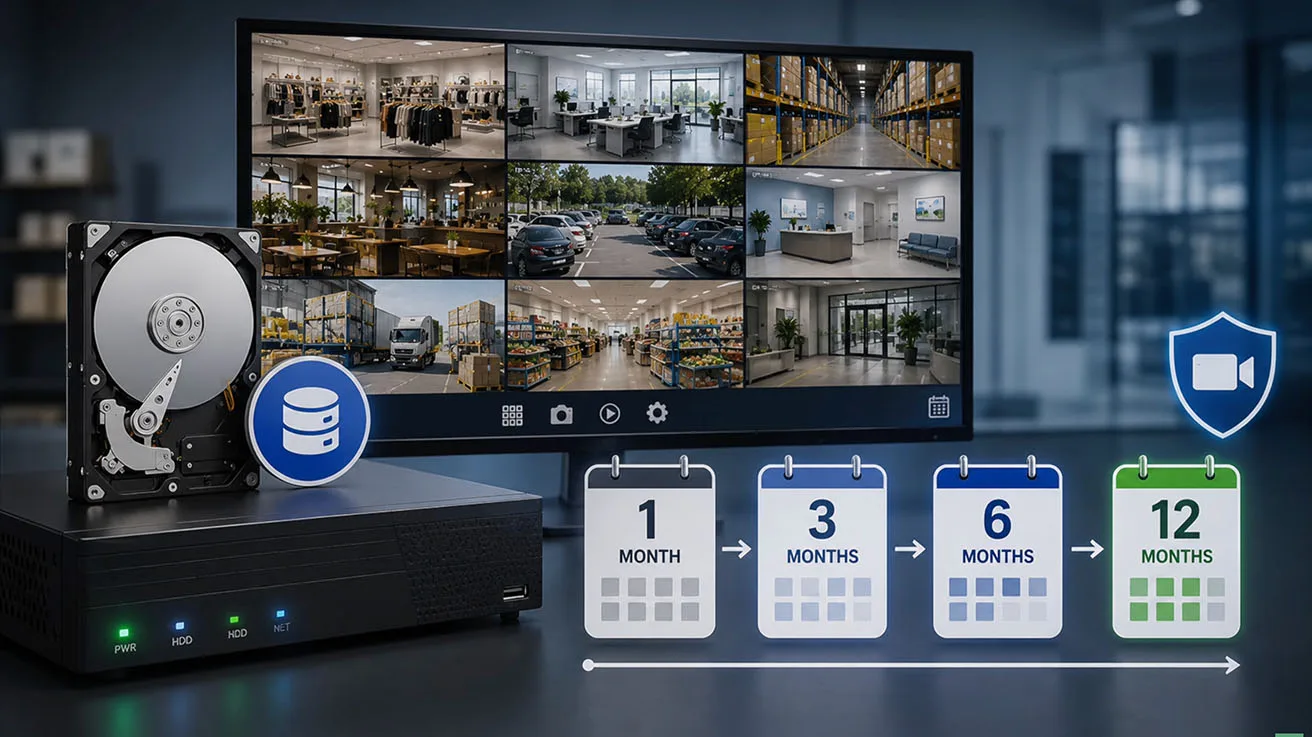
Because of this usage pattern, the most important requirement for many projects is not advanced AI or complex analytics. The most important requirement is the video archive itself. In many typical businesses, keeping recordings for one to three months is perfectly enough. However, we have also seen specialized projects where the customer required six months or even a full year of video storage.
That makes perfect sense. The archive is not there because someone watches it every single day. It is there so that weeks or even months later, the business can go back, investigate an incident thoroughly, and quickly find the video evidence they need. In many ways, that is the primary role of a traditional NVR. It is a highly reliable video archive.
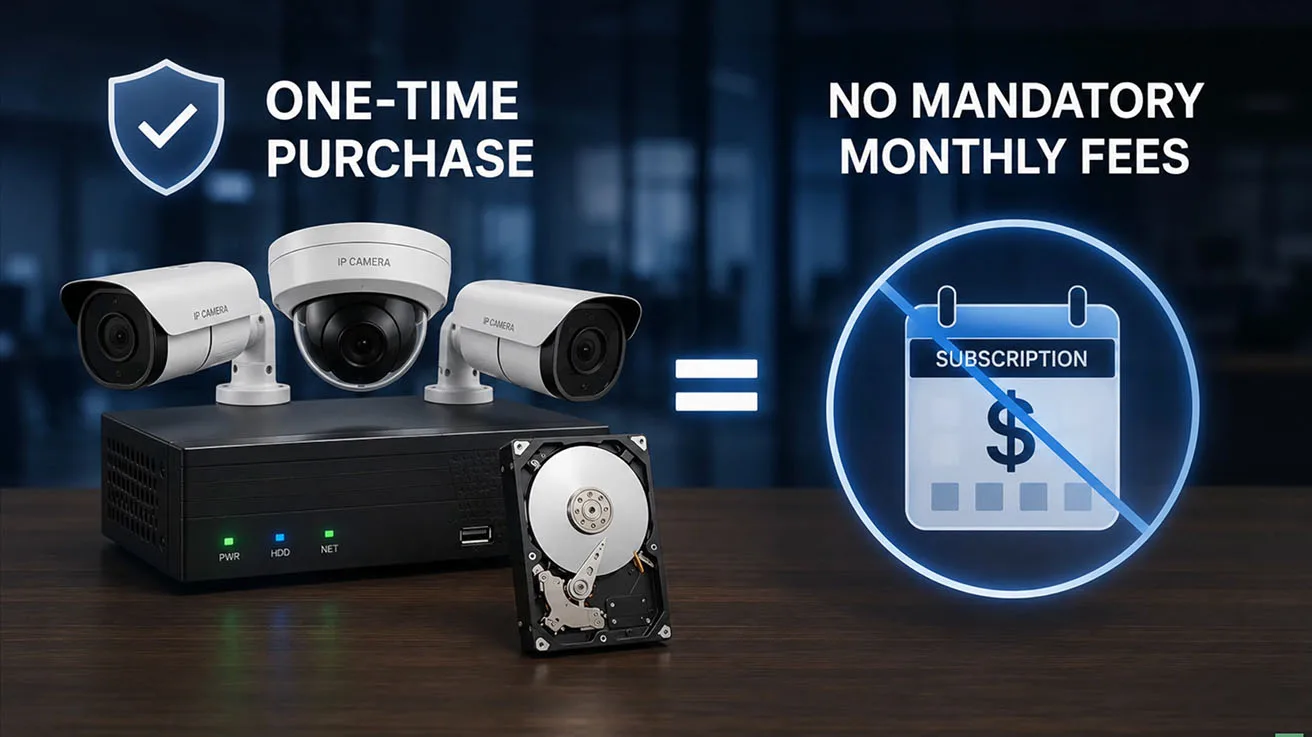
There is another massive financial advantage to this route. The business buys the cameras, the recorder, and the hard drives exactly once. After that initial transaction, the equipment belongs to them entirely. In most standard NVR deployments, there are no mandatory monthly subscription fees to keep the system running. For thousands of businesses around the world, this remains a simple, reliable, and highly cost-effective solution.
When Video Becomes a Daily Business Tool
Everything starts to change when people begin using the security system every single day. This is a shift we see more and more on larger commercial projects.
In the past, security cameras were mainly used reactively, strictly after an incident took place. Today, they are rapidly becoming an everyday business tool.
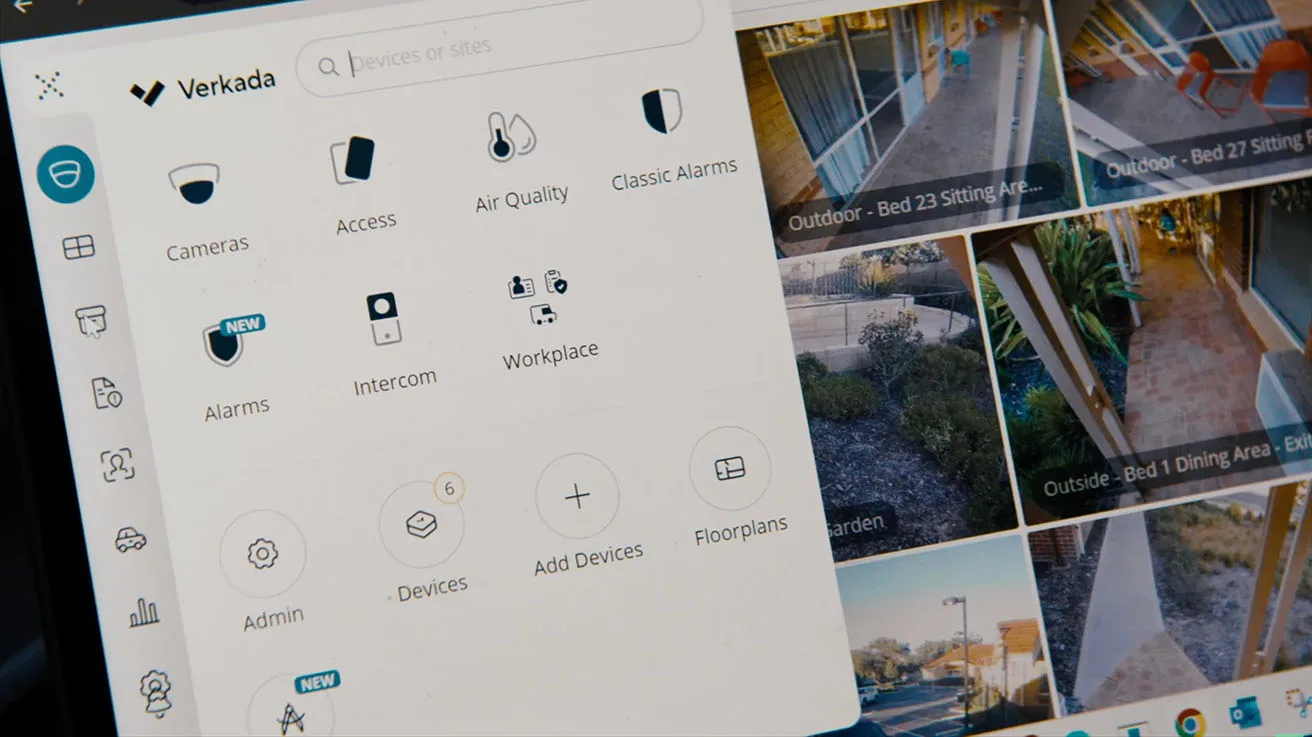
- Security teams start their day by checking the event dashboard.
- Remote operators monitor multiple locations simultaneously from a central monitoring station.
- Facility managers receive automatic push notifications regarding operational bottlenecks.
- Business owners use the video data not only for physical security but also to actively improve their daily business operations.
This shift is exactly why equipment manufacturers have invested so much capital into their software platforms. Today, even a traditional NVR system offers AI features, smart search capabilities, remote access, multi-site management, license plate recognition, and accurate people counting. These are capabilities that only specialized VMS platforms offered just a few years ago. To understand how deeply these automated tools can transform your daily workflows, you can explore the exact capabilities of modern video analytics software.
A great real-world example is the projects we have filmed with the YesTechie team using the UniFi Protect ecosystem. Technically speaking, their entire system is built around a UniFi Enterprise NVR. However, from a business owner's perspective, it functions as much more than just a video recorder.
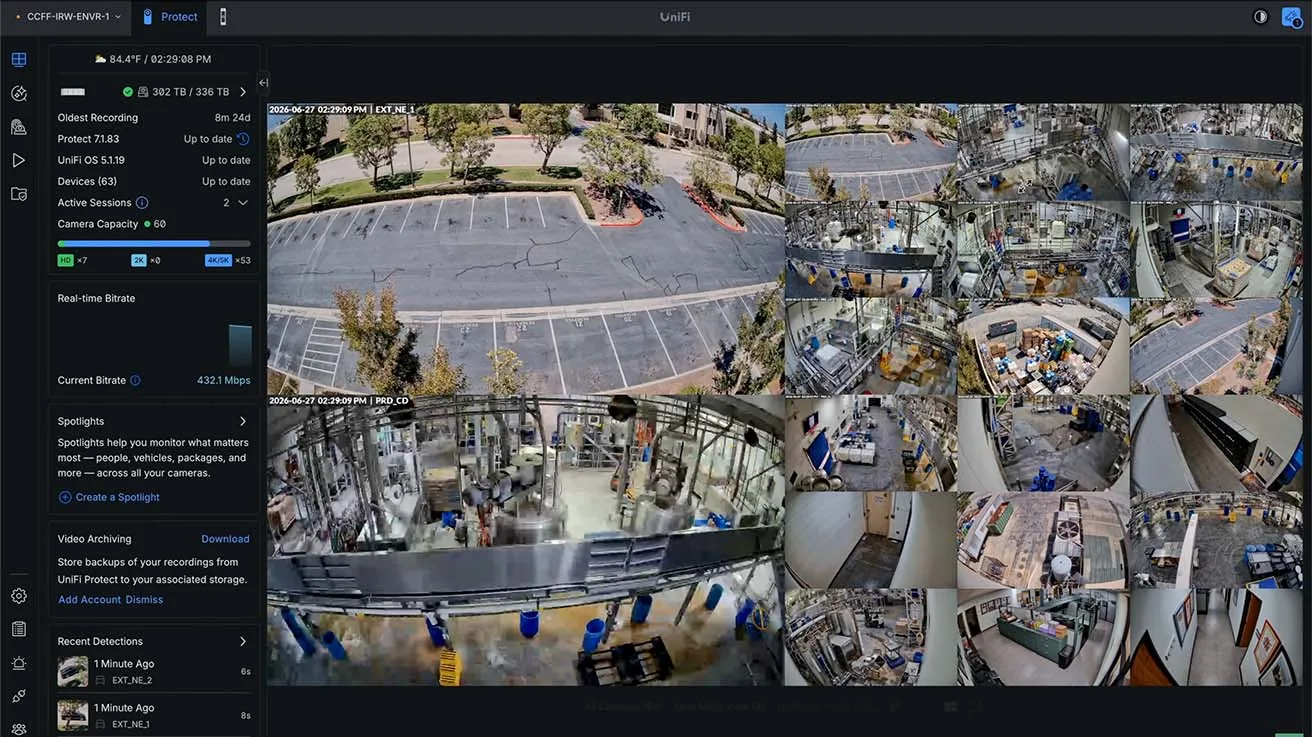
From a single unified interface, the user can manage video surveillance feeds, door access control, smart intercoms, AI-triggered events, and multiple physical locations. So yes, there is still a physical NVR installed on-site. But the software layer running on that hardware is now successfully doing many of the complex tasks that used to be available only by purchasing a specialized VMS platform.
This technological overlap is exactly why the line between these two categories is becoming harder and harder to define for buyers in today's market.
Why Specialized VMS Platforms Keep Evolving
If today's NVR systems are becoming so powerful, you might ask why businesses still need specialized VMS platforms. The answer is simple.
As a business grows, the security challenges become much more complex. Managing physical security for one retail store is completely different from managing fifty stores, several distribution centers, hospitals, or manufacturing facilities across multiple locations. At that enterprise level, video surveillance is no longer just a security system. It becomes a critical part of the company's overall digital infrastructure, directly helping people make faster and better business decisions.
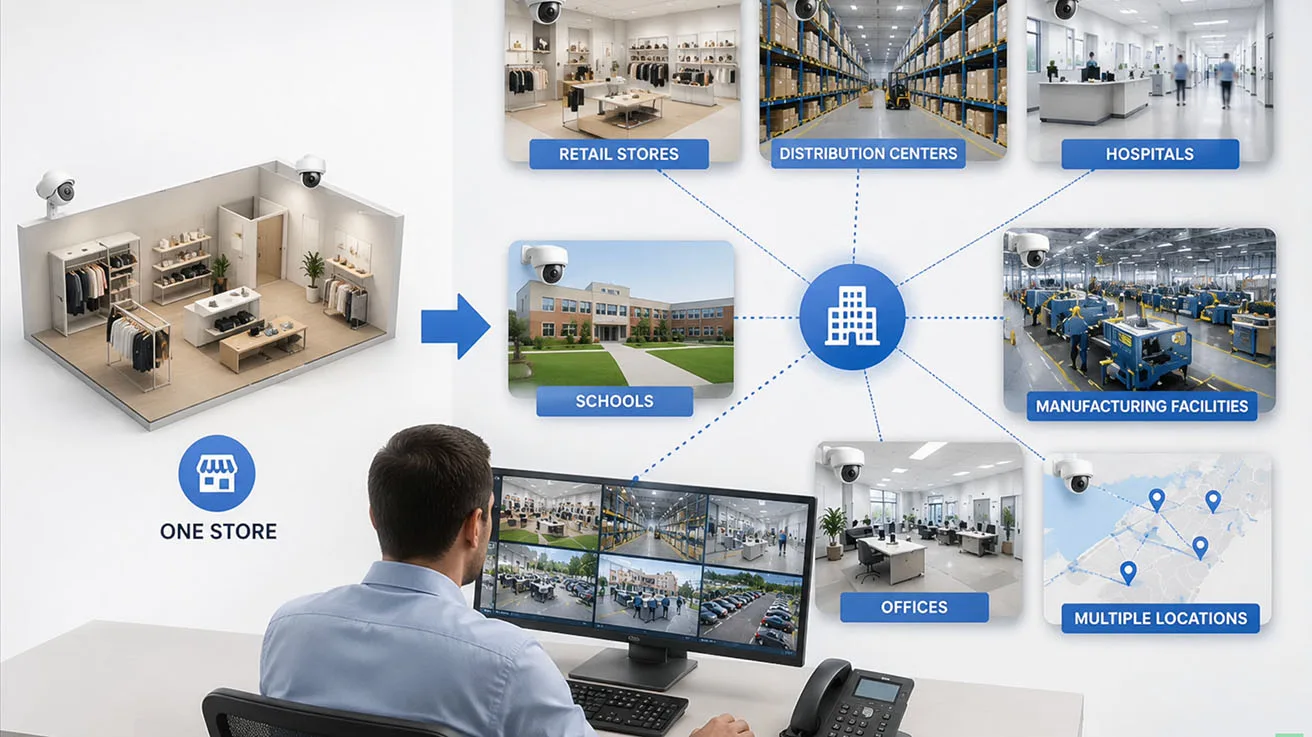
That is why specialized VMS companies focus much more on software than on hardware. Their primary goal is no longer just to record video. Their goal is to help businesses fully understand what is happening across their daily operations.
This is exactly where artificial intelligence is changing everything. Today, AI is doing much more than just recognizing faces or reading license plates. Modern VMS platforms are becoming increasingly specialized for different industrial cases.
- A warehouse has very different operational challenges than a retail store.
- A hospital needs entirely different video analytics from a hotel.
- A manufacturing facility has completely different safety requirements than a school.
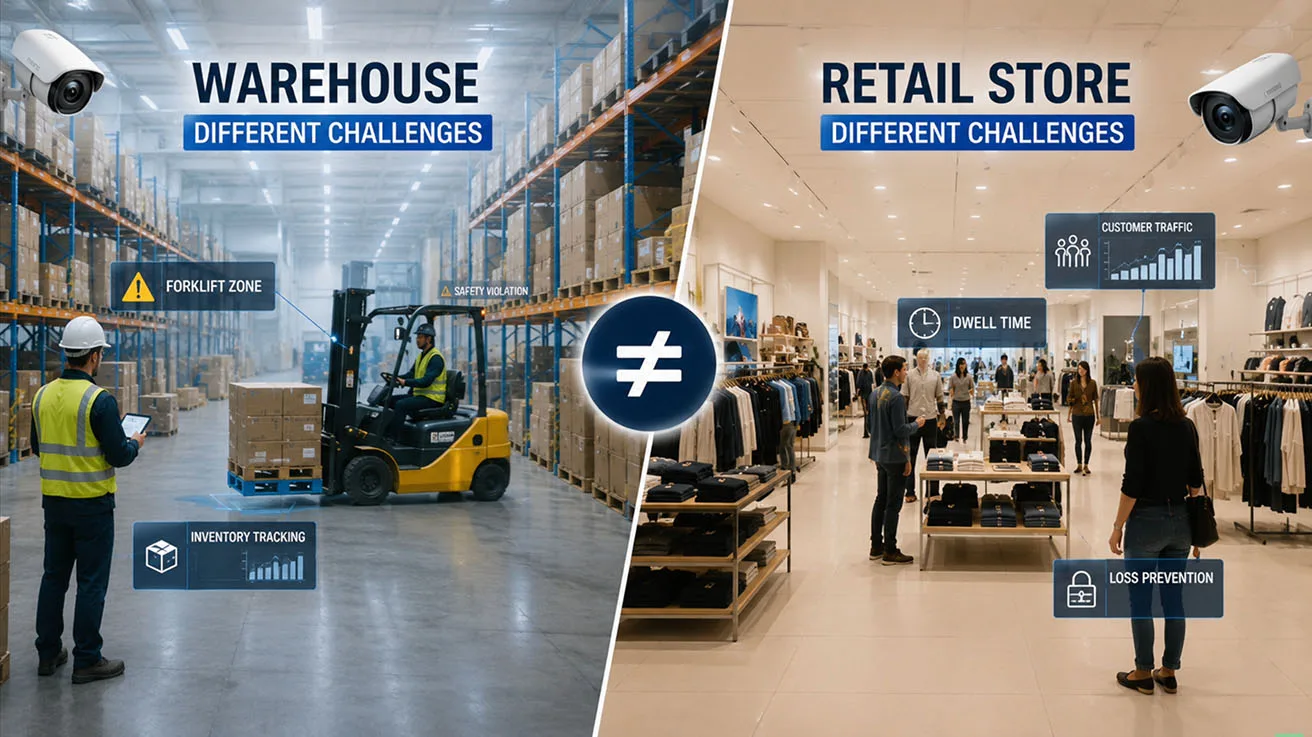
Instead of offering the exact same generic AI features to everyone, many VMS developers are now building industry-specific AI tools that solve real business problems.
A great example is Lumana. Lumana was recognized as the Best Video Surveillance Management System at ISC West 2026 by the Security Industry Association. One of the reasons we spent so much time researching this platform is because of the unique direction they are taking with AI. Instead of building one generic AI model, Lumana is developing dedicated AI agents designed specifically for retail, healthcare, manufacturing, warehousing, education, hospitality, enterprise, and government.
These AI agents can understand the unique challenges of each specific environment and help businesses detect the events that matter most. To see how this looks in practice, check out our complete Lumana VMS Demo at ISC West 2026. Beyond that, the platform already includes advanced AI capabilities such as weapon detection, early smoke and fire detection, and many other intelligent analytics that go far beyond traditional video surveillance.
Other companies are taking different strategic approaches:
- Genetec and Milestone continue to build powerful enterprise platforms with open architecture specifically designed for large organizations.
- A great example is Genetec AutoVu. Most people know Genetec strictly as a VMS company, but they also develop highly specialized hardware for automatic license plate recognition. It is another prime example of how the line between software and hardware continues to disappear.
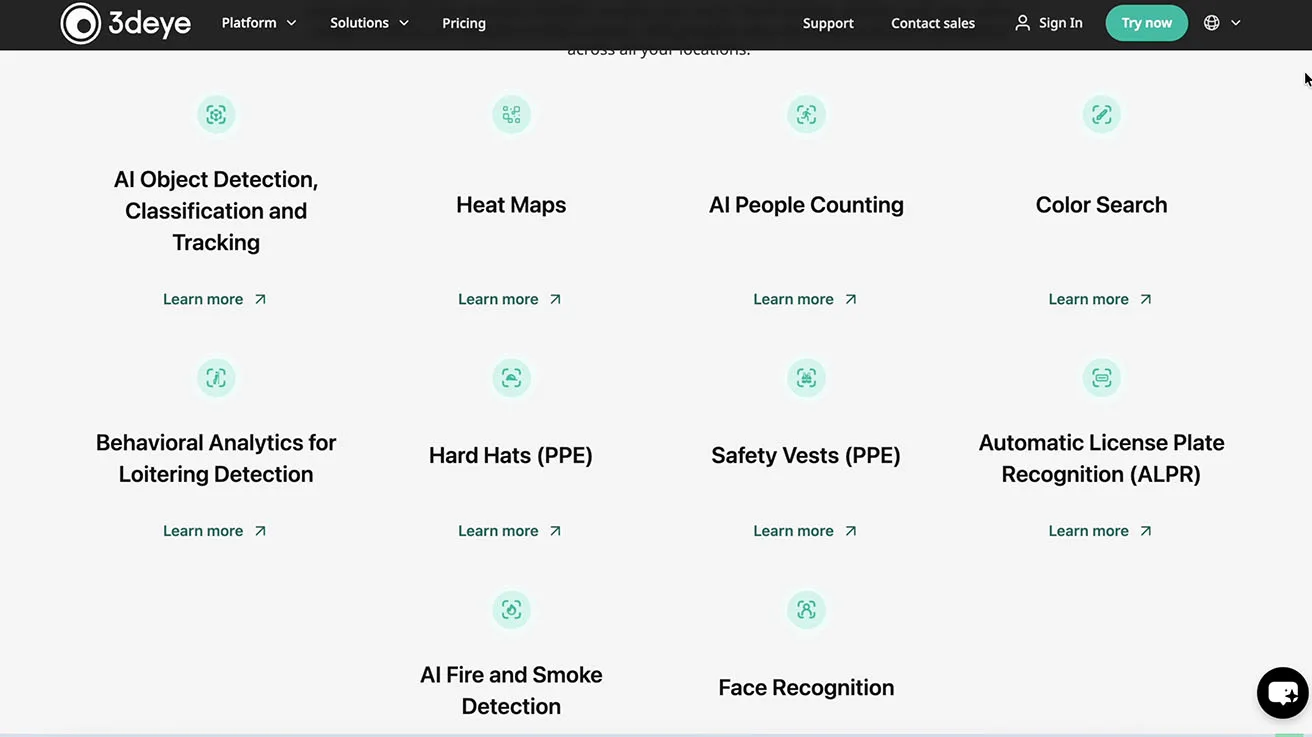
- Cloud-native platforms are also becoming a massive part of the market. For example, 3dEYE was designed entirely as a cloud-based VMS from the very beginning. One of its biggest advantages is how quickly businesses can get started. In many cases, companies can keep their existing IP cameras or even their current NVRs, connect them directly to the cloud platform, and start using AI analytics within minutes instead of replacing their entire security system. You can dive deeper into how this architecture functions in our overview of the 3dEYE AI Operator V2 Gateway Automation Platform.
- Meanwhile, companies like Verkada and Rhombus are building complete end-to-end ecosystems by combining cameras, access control, cloud services, and software into one unified platform.

When you look at how it works across the industry as a whole, one trend becomes very clear. Equipment manufacturers continue making their internal software smarter. VMS companies continue building more intelligent platforms and complete ecosystems. As both sides continue to evolve rapidly, the line between NVR and VMS becomes harder and harder to define.
Businesses Do Not Choose Technology, They Choose an Investment Model
Now we come to what I believe is the most important part of this aricle.
After spending the last few years talking to security integrators, manufacturers, VMS developers, and business owners, I have noticed one very interesting pattern. Very often, the decision of VMS vs NVR is not really about the technology itself. It is about how a business actually wants to invest in its security system.
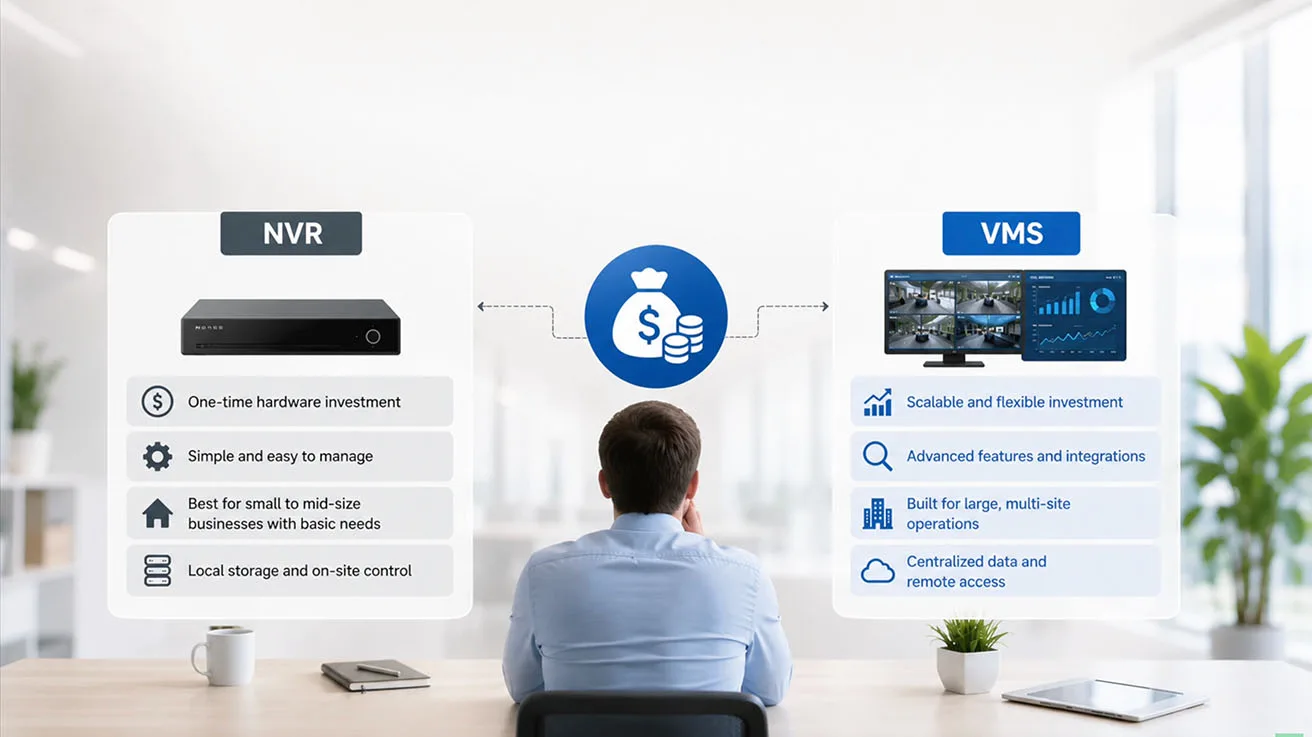
Let us say your company already needs AI analytics, centralized management for multiple locations, powerful video search, remote access, and seamless integration with other business systems. You generally have two ways to buy and deploy this capability.
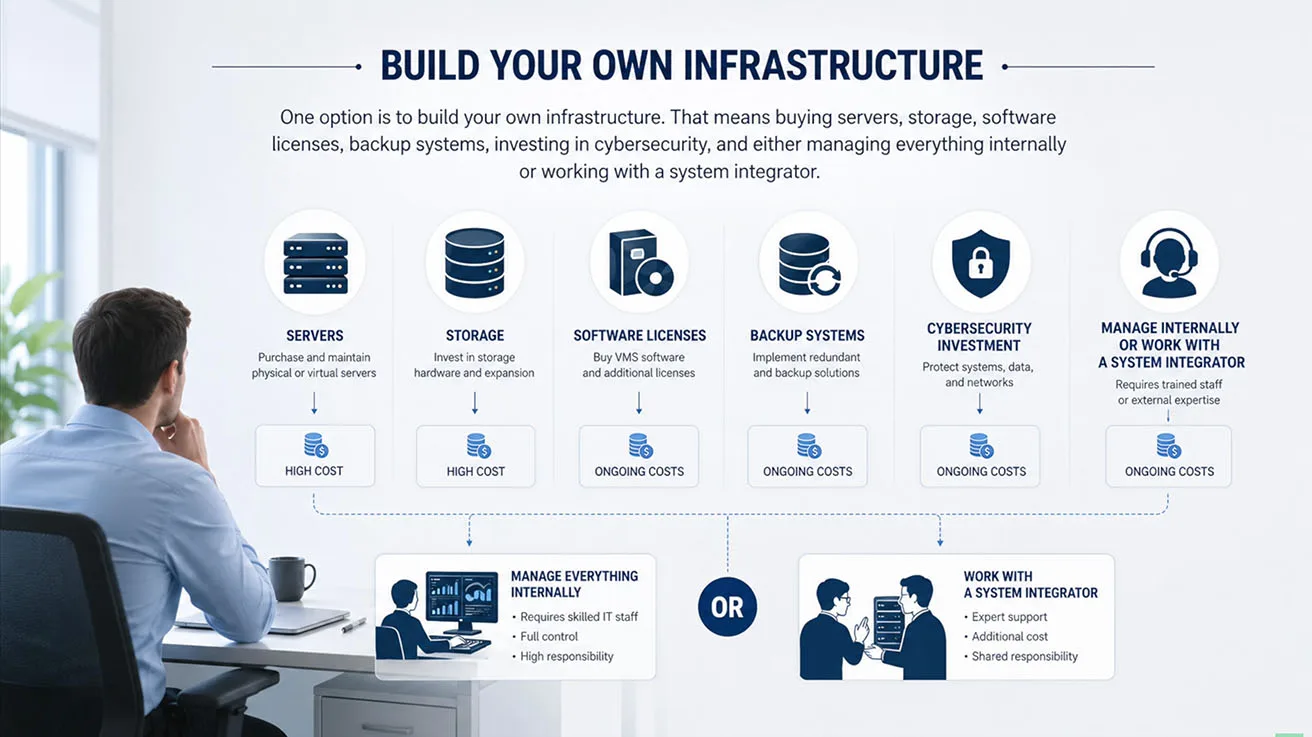
Option 1: Build Your Own Infrastructure
One option is to build your own localized infrastructure. That means buying physical servers, heavy storage arrays, software licenses, backup systems, investing deeply in cybersecurity, and either managing everything internally or working closely with a system integrator. For many organizations, that is absolutely the right choice. This is especially true for government facilities, manufacturing plants, critical infrastructure, or any business with extremely strict cybersecurity and data storage requirements.
Option 2: Cloud-Based Subscription Models
There is another option. Today, many businesses are choosing cloud-based VMS platforms. In many cases, they can keep their existing IP cameras or even their current NVR, connect everything seamlessly to a cloud platform, and start using advanced features almost immediately. Platforms like 3dEYE, Spot AI, Lumana, and others allow businesses to add AI analytics, centralized management, and remote access without investing in a massive server infrastructure from day one. Instead of making a large upfront capital investment, the business simply pays a predictable monthly or annual subscription.
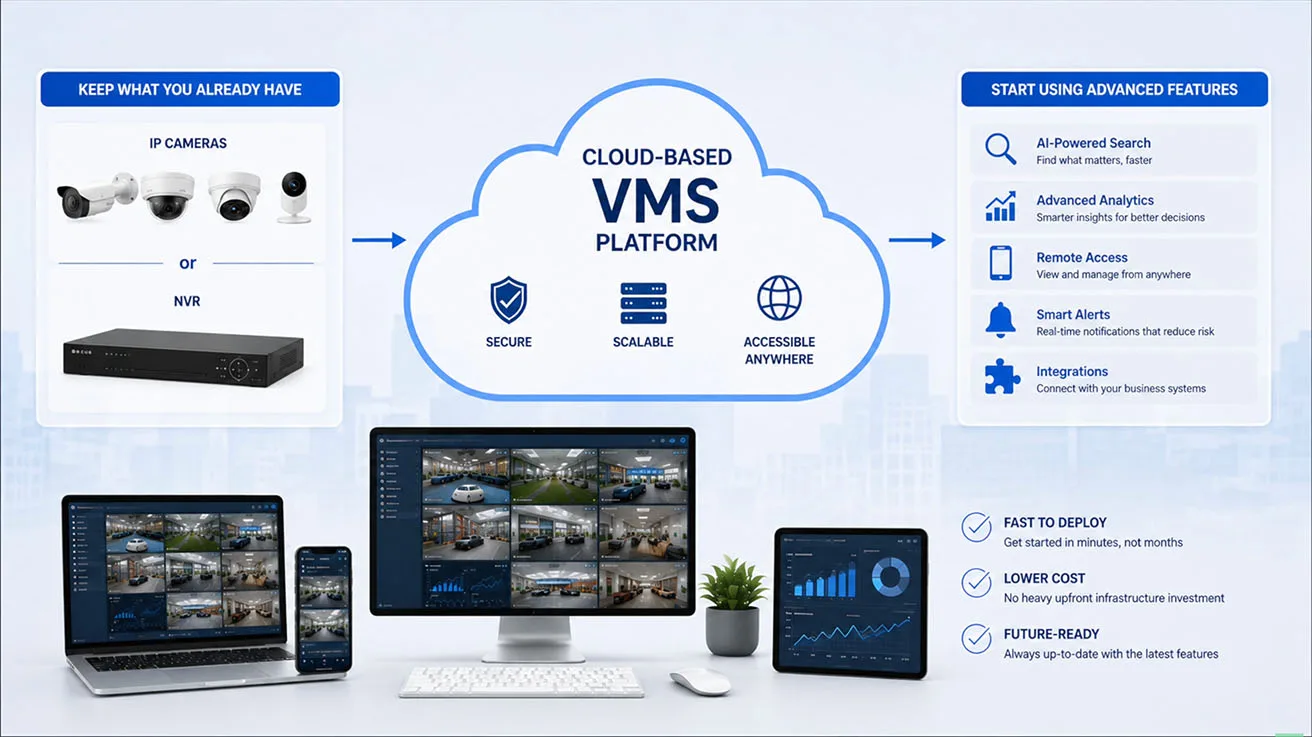
For some businesses, this is the perfect solution. For others, investing in their own physical infrastructure from the very beginning will ultimately be more cost-effective over the long term.
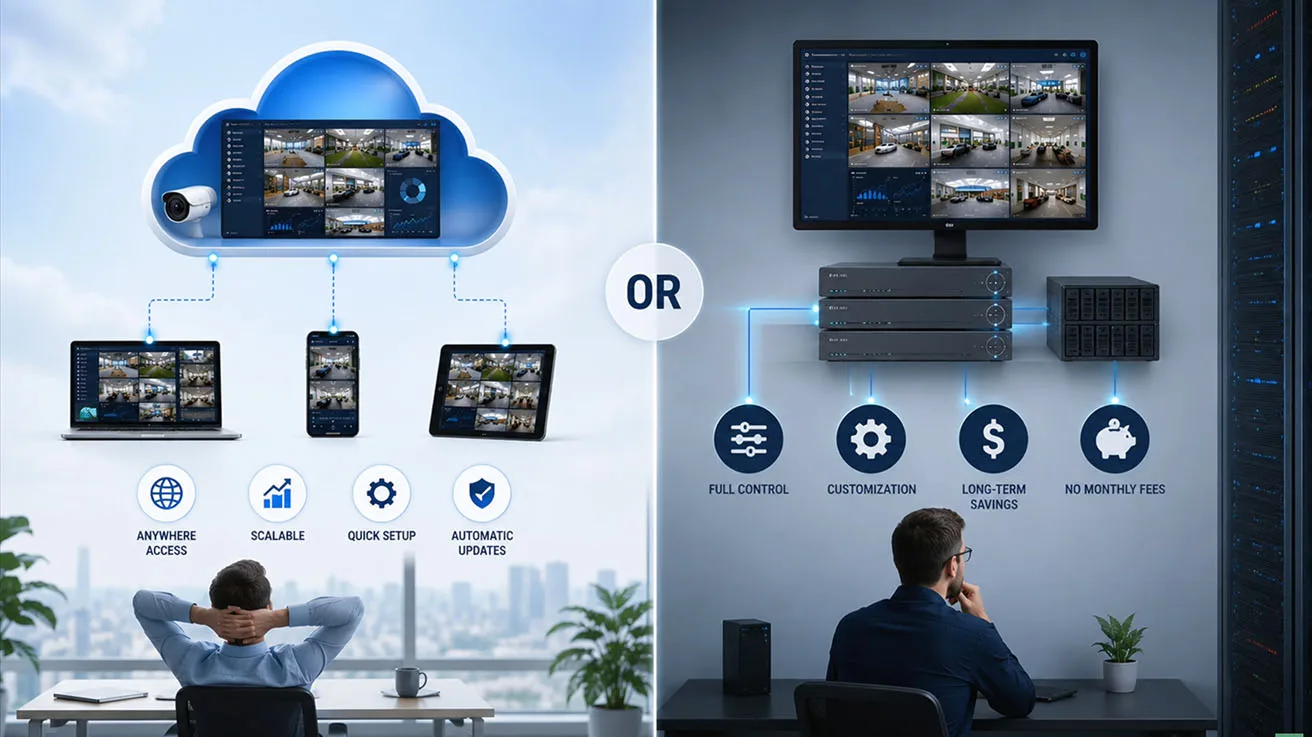
That is why there is no universal answer to the NVR vs VMS debate. This is no longer about choosing the better technology. It is about choosing the financial investment model that makes the most logical sense for your business.
This is exactly why a good system integrator should never start the conversation by pushing cameras or software. They should always start with the business:
- What exact problems are you trying to solve?
- How do you expect your business to grow?
- What features will actually create tangible value for your team?

Only after answering those critical questions should you decide which system architecture is the right fit.
Final Thoughts: How to Choose What Your Business Actually Needs
Let us go back to the core question we asked at the beginning of this breakdown. Should you choose an NVR or a VMS?
After everything we have discussed today, I strongly believe there is a better question to ask. Instead of asking which technology is best, start by asking what your business actually needs.
If you have a single physical location, your team only checks the cameras a few times each month, and your main goal is simply to have a reliable video archive when something bad happens, then a modern NVR may be the perfect solution. It is simple, highly reliable, and more than enough for many small and medium-sized businesses.

However, if your company is growing rapidly, adding new geographic locations, using AI analytics every single day, receiving automated operational alerts, and integrating video data with other critical business systems, your requirements become very different. In that specific case, a specialized VMS may provide much more value.
Do not start by choosing a brand. Do not even start by choosing a specific technology. Start by fundamentally understanding your business. Ask yourself these simple questions:
- What problems should this system solve today?
- How will my business grow over the next three to five years?
- Which system architecture will help my business operate more efficiently, not only today, but securely in the future as well?
Once you have crystal clear answers to those questions, choosing the right solution becomes much easier.
That is exactly how we see the role of Pipl Systems. We are not here to tell you that one technology is universally better than another. Our mission is to help business owners thoroughly understand today's security technology, stay ahead of industry trends, and make far smarter investment decisions for the future.
Want to hear the full breakdown? Watch our complete video guide below to understand exactly why the traditional NVR vs VMS debate is changing and how to choose the right architecture for your business:
Find a Verified Security Integrator on Pipl Systems
Need a commercial security system installed? Finding a trusted, qualified integrator is not easy. Pipl Systems is a dedicated platform designed to help you find verified, professional security integrators. You can easily browse by location, view real-world projects, and choose a partner company you can actually trust to protect your livelihood. Find your trusted security integrator today.
Frequently Asked Questions (FAQ)
What is the main difference between an NVR and a VMS?
Traditionally, a Network Video Recorder (NVR) is a hardware device built specifically to record and store video locally. A Video Management System (VMS) is a broader software platform built to manage larger security environments, supporting multiple locations, advanced AI analytics, and deep integrations with other business systems.
Is a traditional NVR better for small businesses?
Yes, for many small facilities like a single retail store, restaurant, or medical clinic, a traditional NVR is often the perfect solution. It provides a highly reliable local video archive for post-incident investigations, typically without requiring any mandatory monthly subscription fees.
Can I keep my existing NVR and still use a VMS?
Yes, especially with modern cloud-native platforms. Many businesses choose cloud-based VMS systems like 3dEYE that allow them to connect their existing IP cameras or current NVR directly to the cloud. This lets them start using advanced AI analytics within minutes without replacing their entire physical security system.
Why do large organizations prefer specialized VMS platforms?
As a business grows to manage dozens of locations, hospitals, or manufacturing facilities, security challenges become highly complex. VMS platforms offer centralized multi-site management and deploy industry-specific AI agents that understand the unique operational challenges of specific environments, acting as a daily business intelligence tool rather than just a recording device.
What does "investment model" mean when choosing a security system?
It refers to how you pay for your infrastructure. You can choose a CapEx model (building your own infrastructure by purchasing servers, storage, and software upfront) which is great for strict data compliance. Alternatively, you can choose an OpEx model (using a cloud-based VMS) where you avoid large upfront costs and instead pay a predictable monthly or annual subscription.