
In a home, one or two people hold the keys. In a business, dozens do. You have staff, cleaners, vendors, temps - and because of that, a business smart lock may open hundreds of times a day, which raises the stakes for reliability, accountability, and speed of management.
So, frame the decision correctly. You are not buying a gadget. You are choosing an operations tool.
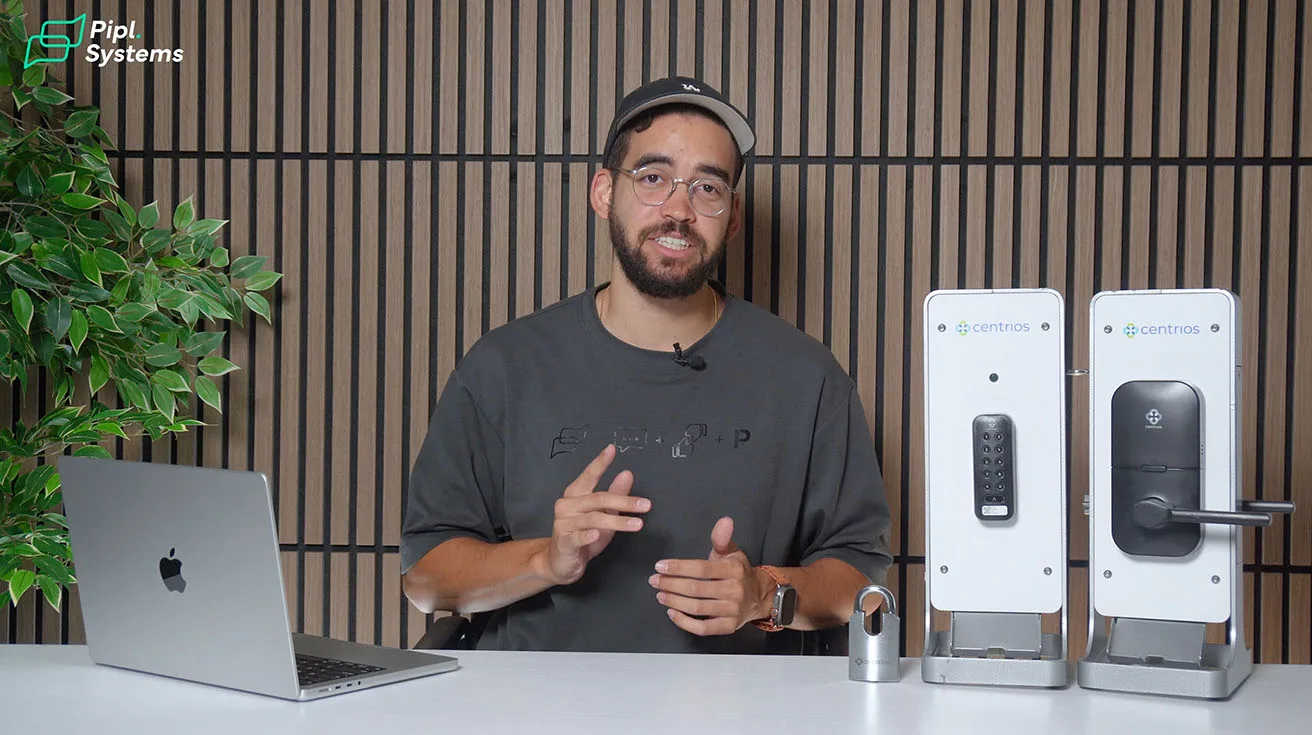
If you're looking for specific product recommendations, check out our roundup of the 6 best commercial smart locks for business. But first, let's walk through how to evaluate what's right for your situation.
Now, let us see how to choose your next smart lock for your business.
Cloud Management and Multi-Location Control
First, look for true cloud management that works across multiple locations. You should not have to call a locksmith or even your IT team to add a Saturday cleaner, tweak holiday hours, or pull a simple report.
From your phone or browser, you should be able to add people in seconds, set when they can come and for how long, and see a clear history of who used what door. If you manage more than one site, that same screen should roll everything up.

Scalability matters - you want the ability to manage multiple doors, locations, and employees from a single dashboard. Look for role-based permissions to grant different levels of access to employees, contractors, and visitors. Audit trails and reporting let you view real-time access logs for improved security monitoring. Remote access management means you can grant or revoke access anytime from anywhere.
Connectivity Model and Offline-First Design
Next, choose a connectivity model that fits your needs. Many businesses prefer an offline-first design, which means the lock does its job locally, and the manager's phone becomes a secure bridge over Bluetooth whenever you need to unlock the door, push changes, or pull logs.
The benefits are practical and immediate: fewer IT headaches, less cyber exposure because your devices are not sitting on the internet, and you get doors that keep working during an outage.
If you want always-online visibility, that is fine too. Just be sure your network and teams are ready to own it. The point is to be deliberate. Pick resilience and simplicity if that is what your operation needs.
Budget-friendly for smaller businesses, commercial smart locks often have lower upfront costs than more robust comprehensive access control systems. Enjoy the flexibility of wireless locks in spaces where you can't wire electronic locks or hide cables. Retrofit existing doors and add to your access system without significant modifications. Commercial smart locks are a quick and easy-to-implement security solution for doors with no pulled wires, particularly advantageous for time-sensitive situations.
Credentials That Fit Everyone
Then be honest about credentials. Phones are fantastic - fast, familiar, already in everyone's pocket - but not everyone will use one. Delivery teams, contractors, and night crews may rely on a keypad with a PIN. Others prefer cards or fobs.
Your best bet is a platform that lets you mix credentials per door: phones for staff, a PIN for a loading dock, cards for contractors.
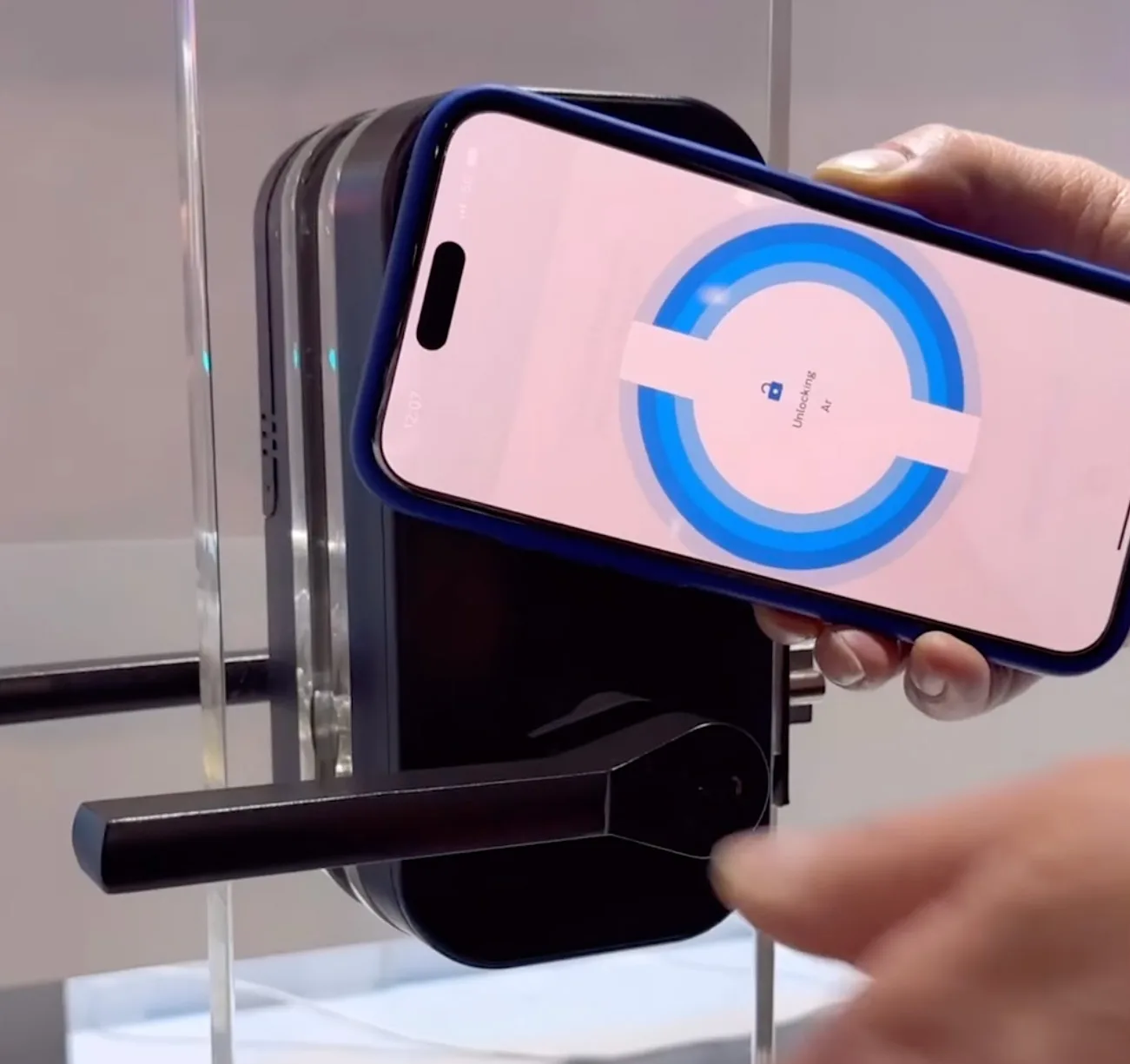
When choosing a lock, consider how your users want to enter your business building. Many smart locks in the market can use a PIN for entry, but other access options exist. Other popular options in the market that you can install for your business feature biometrics such as a fingerprint, an app, a key fob, or geofencing.
Although keyless entry for commercial doors is often what you're looking for when you buy a smart lock, it's also a good idea to choose a lock with a backup unlocking system, such as a keyhole. At the very least, look for a lock with at least two unlocking mechanisms.
Works With Your Actual Doors
Next, keep in mind that hardware has to match the doors you actually own. Most offices use cylindrical locks. Heavier-duty openings are mortise. Glass storefronts and gates often call for a reader driving an electric strike or magnetic lock. Exterior doors need weather ratings. Fire-rated openings need the right listings.
So, walk the site before you buy. Know door types, which ones face the weather, and where code requirements apply. The right match installs fast, stays compliant, and avoids the Frankenstein mix of parts that cost you more later.
Cylindrical locks are a popular choice for office and business doors. These locks are user-friendly and provide stronger security than standard mechanical key locks. They typically feature a long lever handle visible from both sides of the door.
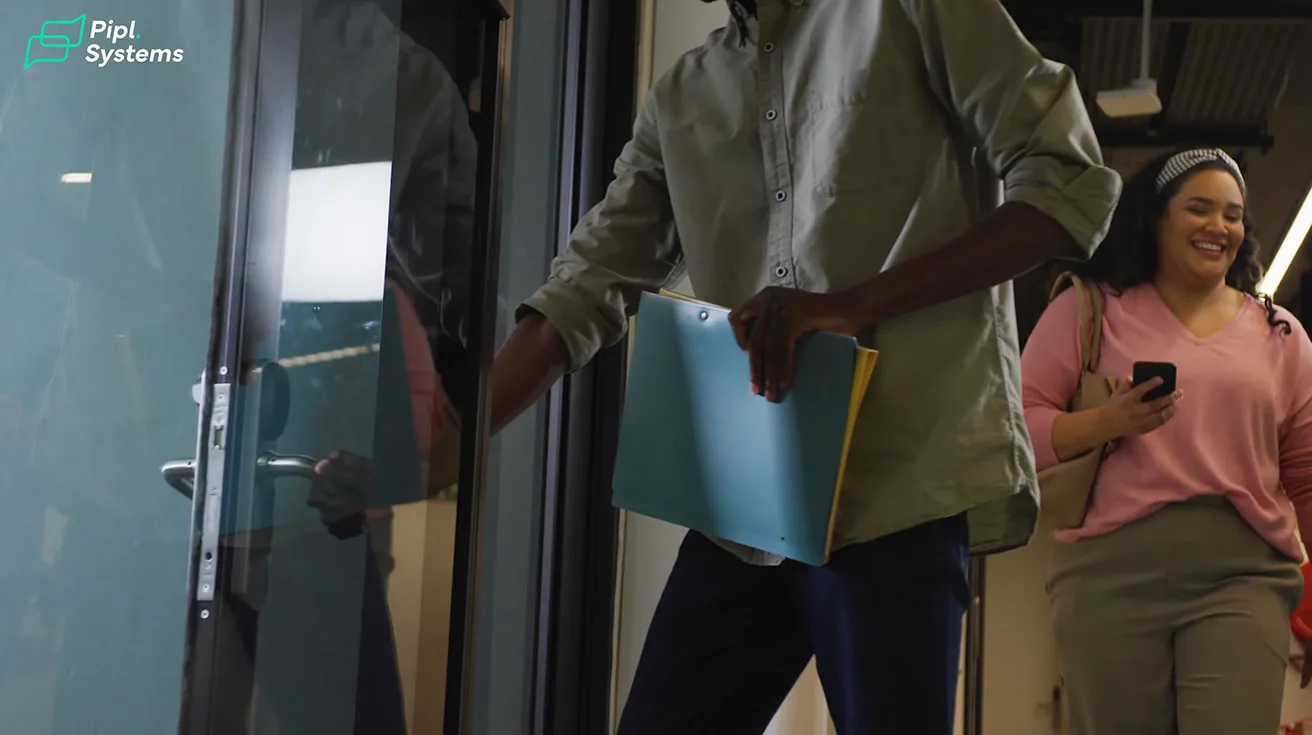
Before committing to a purchase, confirm that the lock is compatible with your current door hardware and frame. For businesses, particularly hotels or multi-unit facilities, this step is critical as a poorly matched lock can slow down deployment across multiple doors. Also, evaluate whether the manufacturer offers in-house installation or partners with certified technicians, and review the warranty and after-sales service terms to ensure long-term support.
Unified Access Management and Usability
Also, day-to-day usability is where systems win or lose. Managers, not just the IT person, should be able to add a person, assign a role, set a schedule, and remove access without a training course. Temporary access for vendors should take seconds.
And when something goes sideways - for example, someone loses a phone or there is a leaked code - you need a clear audit trail and a one-tap revoke. That combination of visibility and speed is what turns a lock from a device into an access control system.

Business owners can easily grant and revoke access, monitor entry logs and receive real-time alerts. For personal use, smart locks can provide the same convenience and peace of mind with keyless entry and remote managed access for guests.
Predictable Pricing That Scales
Now, this is an important point for most business owners. Costs should be predictable as you grow. Look for plain, transparent plans that tell you exactly how many doors and users are included, and what features you are paying for.
Pilot a few doors, prove the workflow, then scale with confidence. Flexible tiers like the ones from Centrios make this painless. It starts at free so you can test in the real world without messing up your budget.

Centrios offers flexible subscription plans - start with a free plan or upgrade to Select or Pro for added features. Easy setup and no long-term contracts make it ideal for growing businesses.
If you're an integrator or partner curious about the business side of Centrios, we've covered their recurring revenue model for partners in detail.
Commercial-Grade Hardware Build
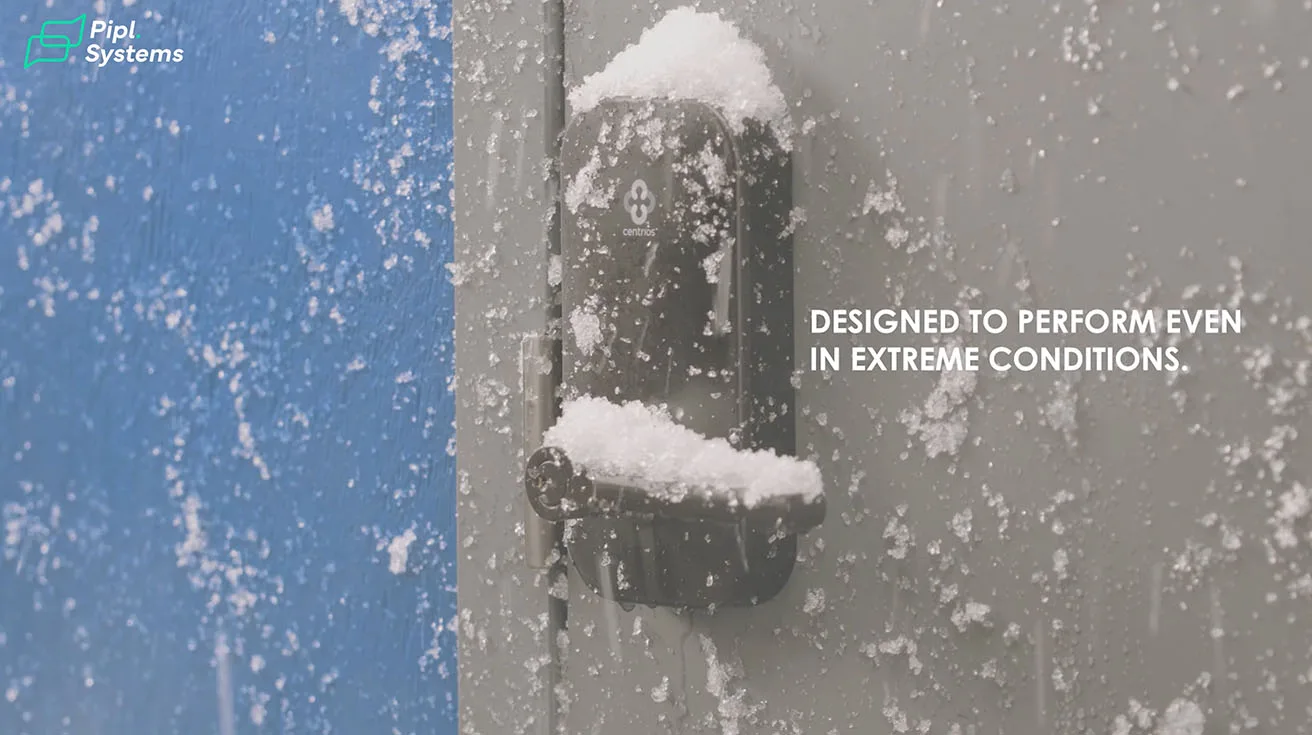
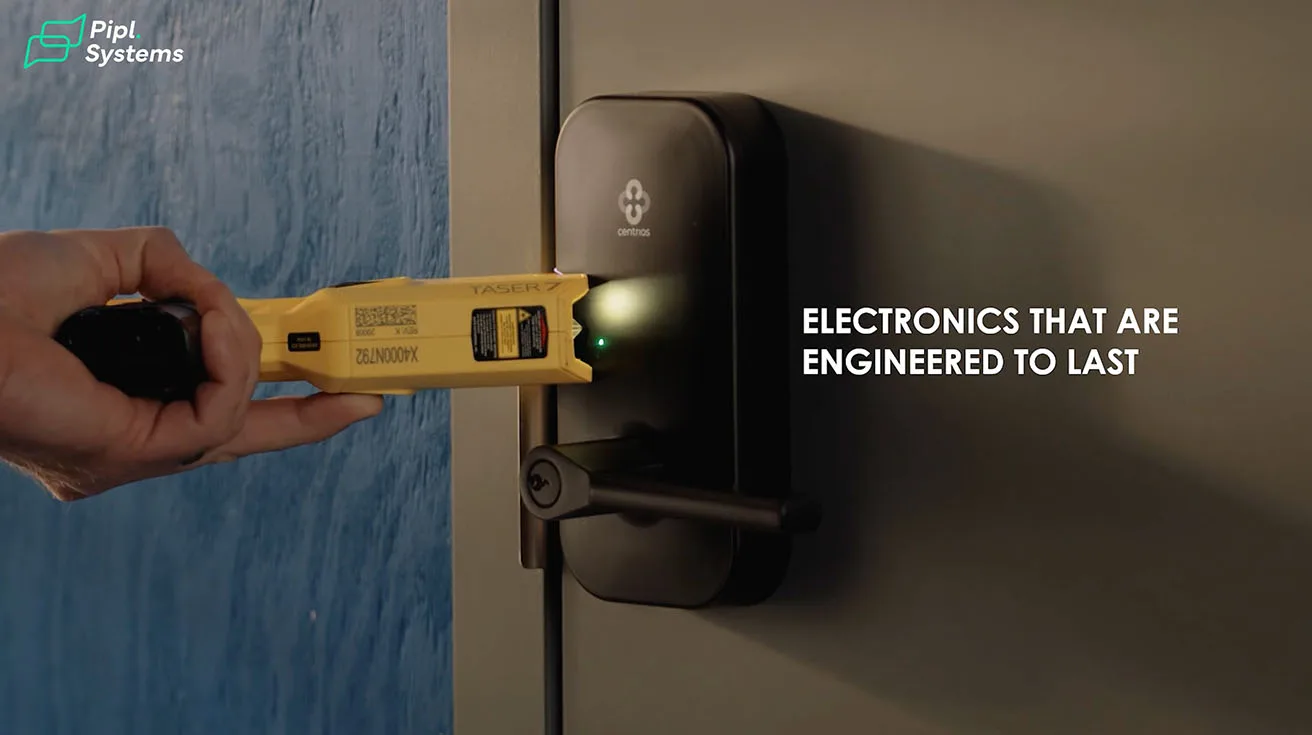
And now the unsung hero: the build quality. Business doors can see thousands of touches a week. You want commercial-grade hardware. Cheap hardware fails at the worst time. Certified hardware just works week after week, year after year.
The difference between a commercial lock and a residential lock is that commercial locks are designed to maximize durability and security. This is because heavy-duty commercial door locks are supposed to withstand heavy use and traffic.



1 / 5
A commercial-grade lock is made from quality materials to ensure its strength, durability, and application, following the Building Hardware Manufacturers Association (BHMA) standards and guidelines. As an accredited American National Standards Institute (ANSI) association, BHMA uses a trusted 1, 2, and 3 grading system - with 1 representing the best - to define product quality. So, when choosing a commercial smart lock system for your business, consider the lock's grade and where it'll be installed.
Conclusion: Choosing the Right Platform
In the end, it is simple. Pick the platform that lets managers actually manage, keeps doors reliably open for the right people, and grows without wrecking the budget.
That is why Centrios is an easy first step: offline-first resilience, a clean, manager-friendly app, and a flexible plan that starts at free. So you can start with a few doors, prove it in the field, and scale when you are ready.
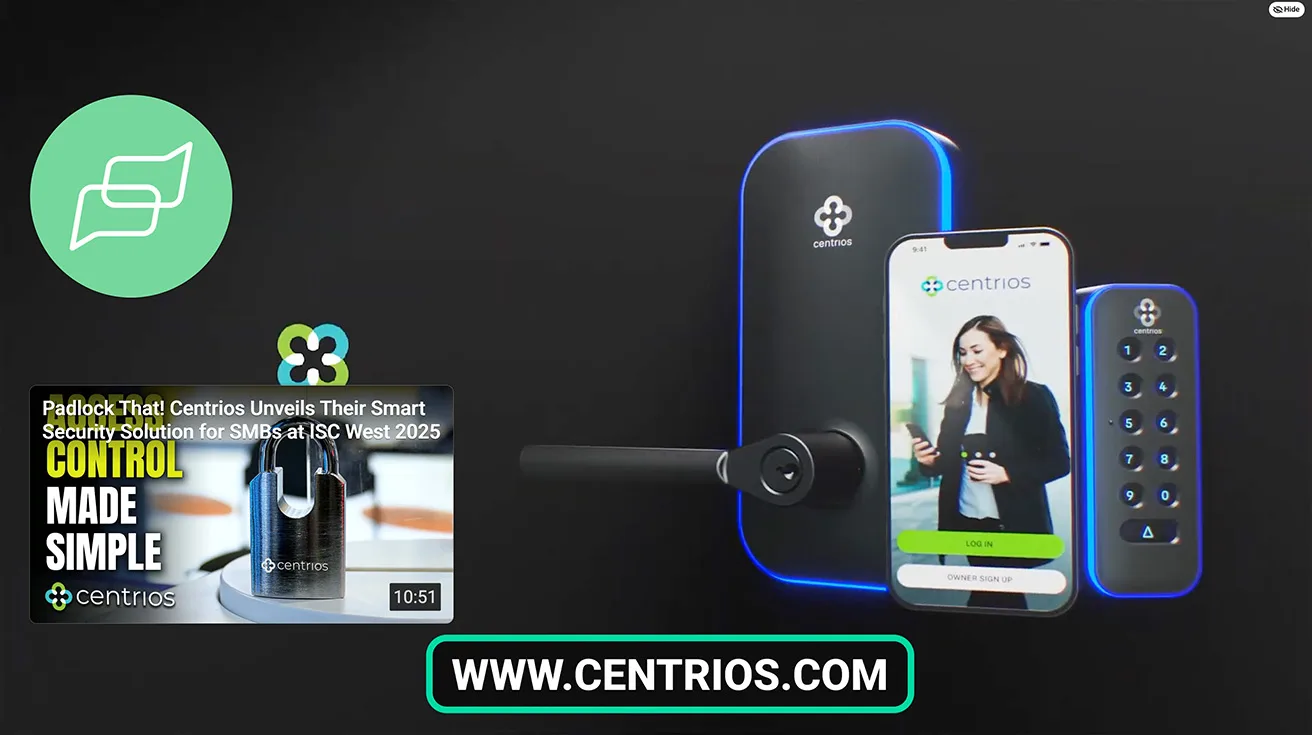
For small business owners looking for a simple yet powerful access control system, Centrios bridges the gap between smart locks and business-grade access control. Unlike traditional access control systems that can be complex and costly, Centrios is designed to be as intuitive as a smart lock, but with the robust security features, capacities, and capabilities that businesses need.
They focus specifically on smart locks for small and medium businesses - a segment that needs a more professional approach than residential, but without the complexity and cost of enterprise-level systems. If you'd like to learn more about their solution, you can visit centrios.com.
For a hands-on look at the Centrios cylindrical lock and the rest of the Centrios ecosystem, check out our coverage of Centrios smart locks at ISC West 2025.
All right, guys. I'm Jeremie from Pipl Systems. See you in the next one.
Source: This article is based on the Pipl Systems video "How to Choose the Right Smart Lock for Your Business in 2026" - watch for the full walkthrough:
Frequently Asked Questions (FAQ)
What is the difference between a commercial smart lock and a residential smart lock?
Smart locks for businesses are slightly more robust than those found at residential properties. This is because commercial properties usually have more foot traffic than residential buildings. So, smart commercial door locks must be made of long-lasting, durable material to accommodate multiple door lockings and unlockings throughout any day.
Residential smart locks typically only support a few locks, are very limited in features and user-limits, and do not have an adequate security rating for small business doors. Smart locks are generally low-traffic devices tailored for the residential space. In contrast, business-grade systems offer centralized management of multiple doors and users, audit trails, and the scalability growing companies need.
What should I look for when choosing a smart lock for my business?
When choosing a smart lock for your business, focus on several key factors. A commercial space may require features such as audit trails, programmable codes, or cloud access control to accommodate multiple users. You should also evaluate cloud management capabilities for multi-site control, the connectivity model (offline-first Bluetooth vs. always-online Wi-Fi), credential flexibility (phones, PINs, cards, fobs), hardware compatibility with your door types, and predictable pricing that scales with your business. Don't forget to check the lock's ANSI/BHMA grade rating - Grade 1 is the highest standard for commercial durability.
Are business smart locks secure? Can they be hacked?
Yes, smart locks are secure because they require access credentials, like a smartphone, that can't be lost, stolen, or cloned like traditional brass keys. High-quality keyless entry systems use advanced encryption and authentication methods to prevent unauthorized access. When professionally installed and maintained, they can be as secure or even more secure than traditional locks. While no connected device is completely hack-proof, the risk is very low with quality commercial locks, and physically breaching a traditional lock is often easier than hacking a smart lock's encryption.
What happens if the smart lock battery dies or there's a power outage?
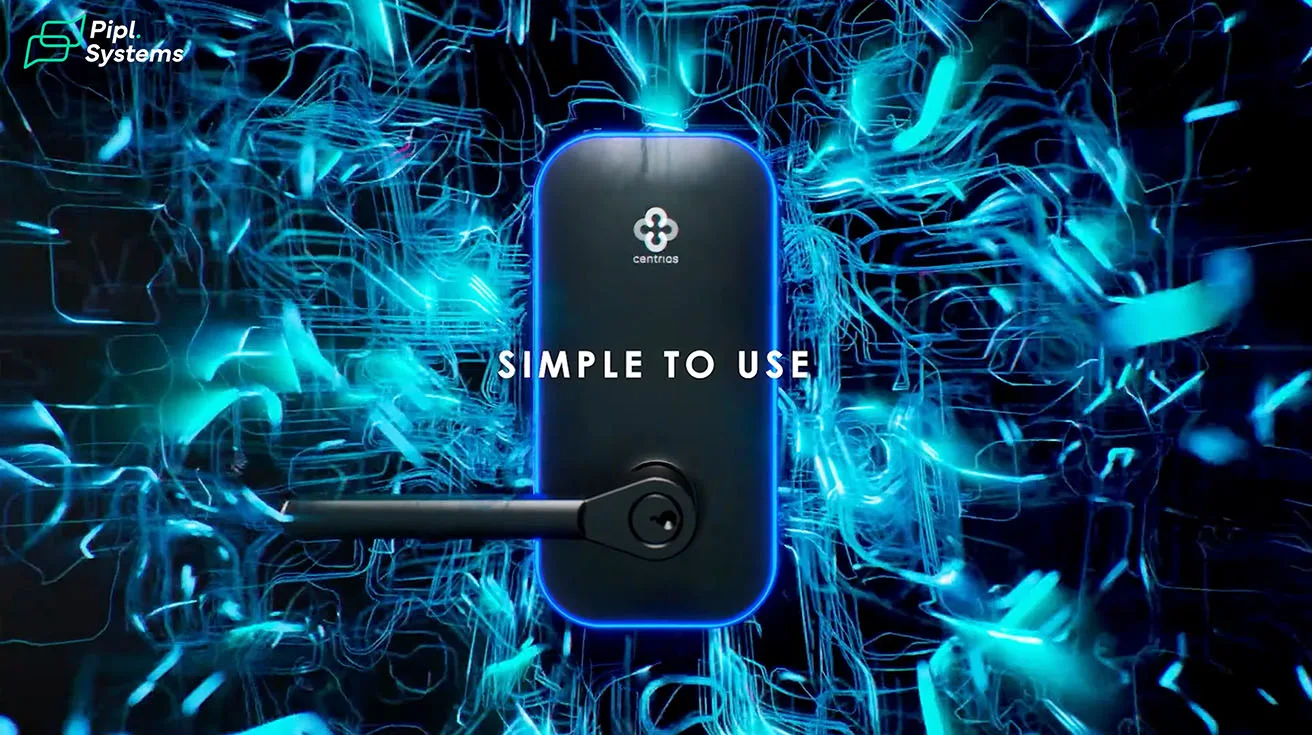
In a business environment, a dead smart lock battery can halt operations, disrupt customer access, and even create security gaps. When assessing smart locks for commercial use, think beyond "how long will the batteries last?" and consider how the system will keep your doors operational in high-traffic conditions. For unexpected failures, built-in contingency features are critical. Emergency power input ports can provide temporary access using a portable power bank, ensuring you're never locked out. Many commercial locks also include mechanical key override options. Offline-first locks continue working locally even when networks go down - which is why this connectivity model appeals to many businesses.
Can I integrate a commercial smart lock with my existing security system?
In many cases, yes. Most modern systems can integrate with access control platforms, CCTV systems, and even employee attendance software. When evaluating locks, check what protocols and integrations are supported. Some platforms like Centrios offer a unified ecosystem where the lock, door reader, and even padlock work together in a single app. Others, like Verkada's locks, integrate directly with their camera and intercom cloud. The key is ensuring the smart lock you choose can connect with the tools your team already uses.
How do I give temporary access to contractors or cleaning staff?
This is one of the biggest advantages of commercial smart locks over traditional keys. With the right platform, temporary access for vendors should take seconds. You can create time-limited credentials - a PIN that expires after one use, a mobile credential valid only on Tuesdays, or access windows that match a contractor's scheduled visit. When someone leaves or a code leaks, you need a clear audit trail and a one-tap revoke. That combination of visibility and speed is what turns a lock from a device into a true access control system - and saves you from the endless cycle of rekeying that comes with physical keys.