
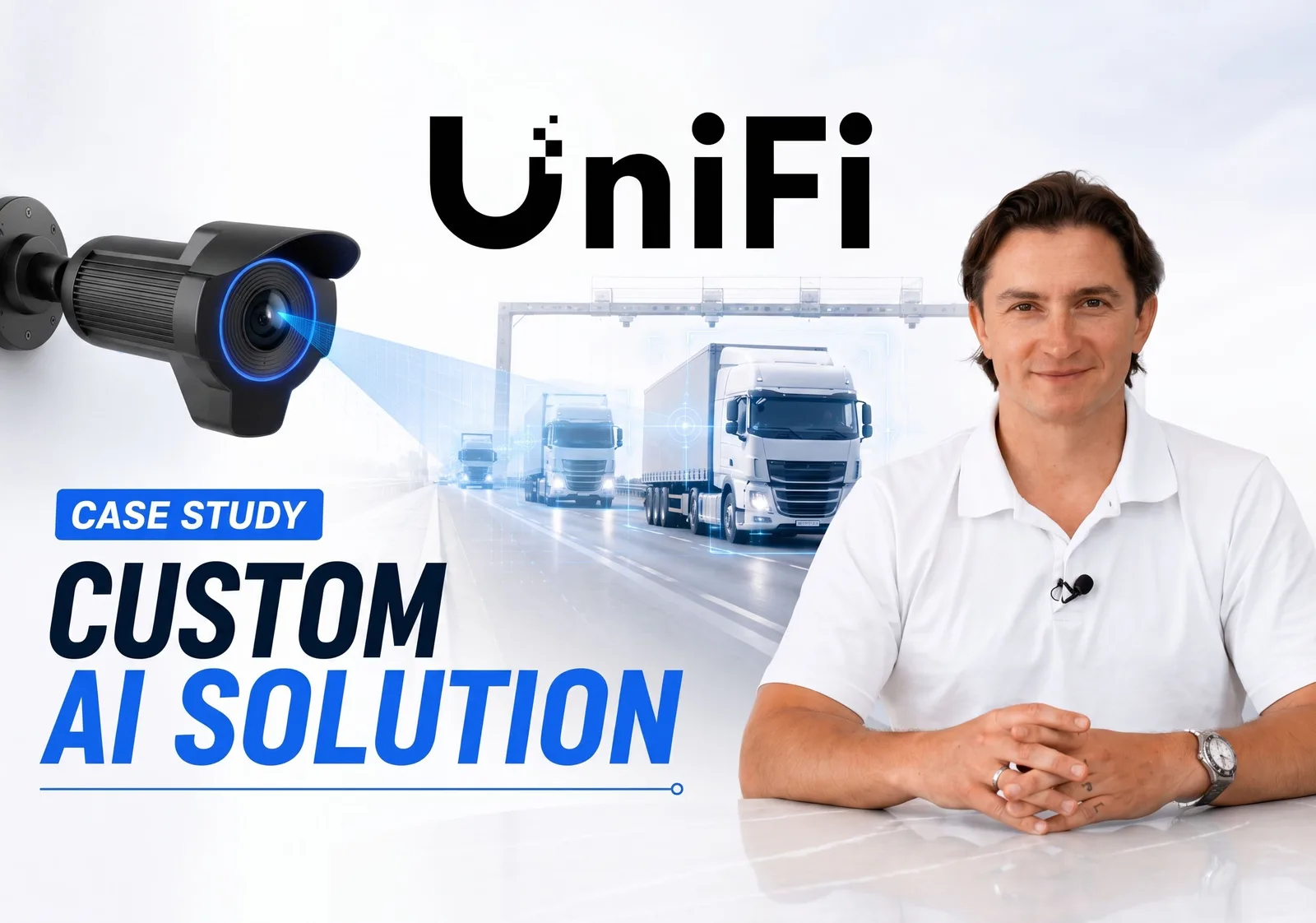
- 💎 Beyond Standard LPR: Commercial logistics platforms require tracking non-uniform identifiers like container numbers, USDOT codes, chassis IDs, and Hazmat placards that standard license plate recognition cannot capture.
- 💎 API-Driven Customization: By leveraging the UniFi API and an on-site processing unit, integrators can build custom AI dashboards on top of UniFi Protect without paying recurring software subscription fees.
- 💎 Operational ROI: Extracting structured telemetry from video streams turns security cameras into business intelligence tools that streamline internal yard operations, simplify billing, and generate instant Excel reports.
Installing standard security cameras is only the first step for modern commercial facilities. Our team regularly visits real projects across Canada and the United States, meeting with security integrators and end users to evaluate how surveillance, access control, and network systems perform in live environments.
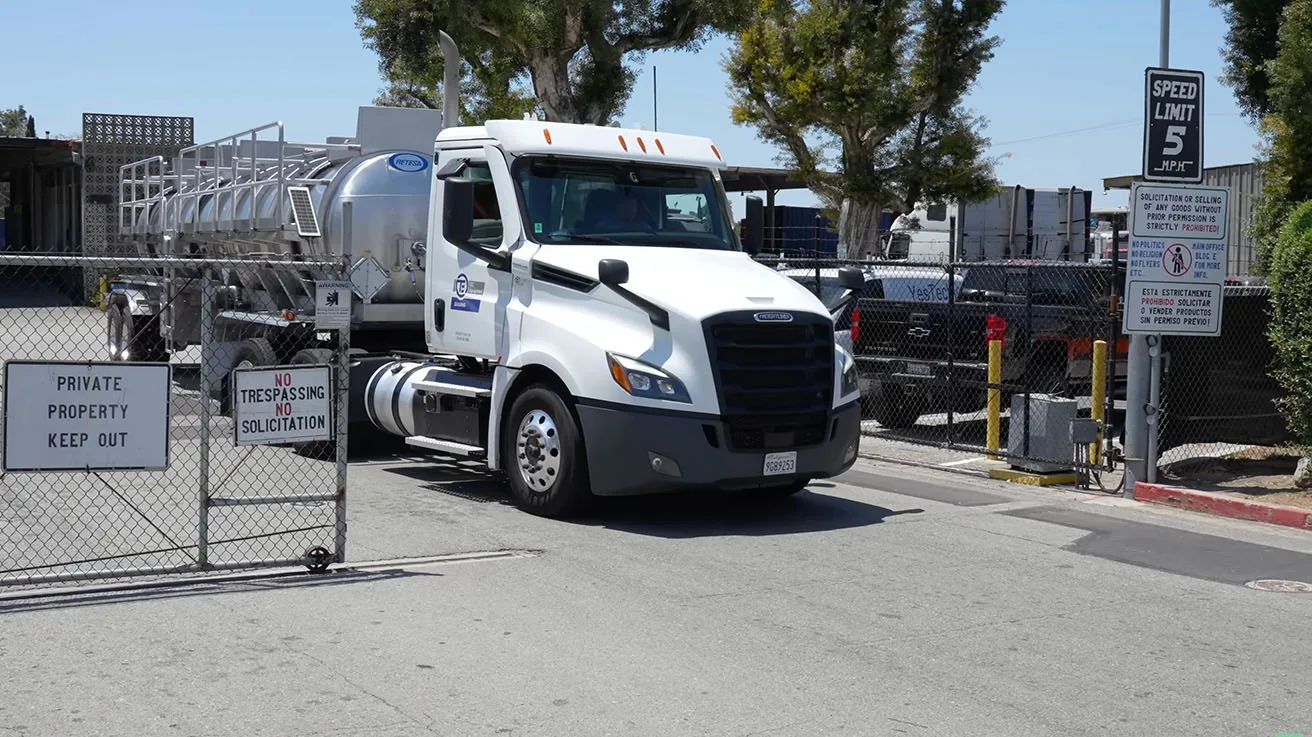
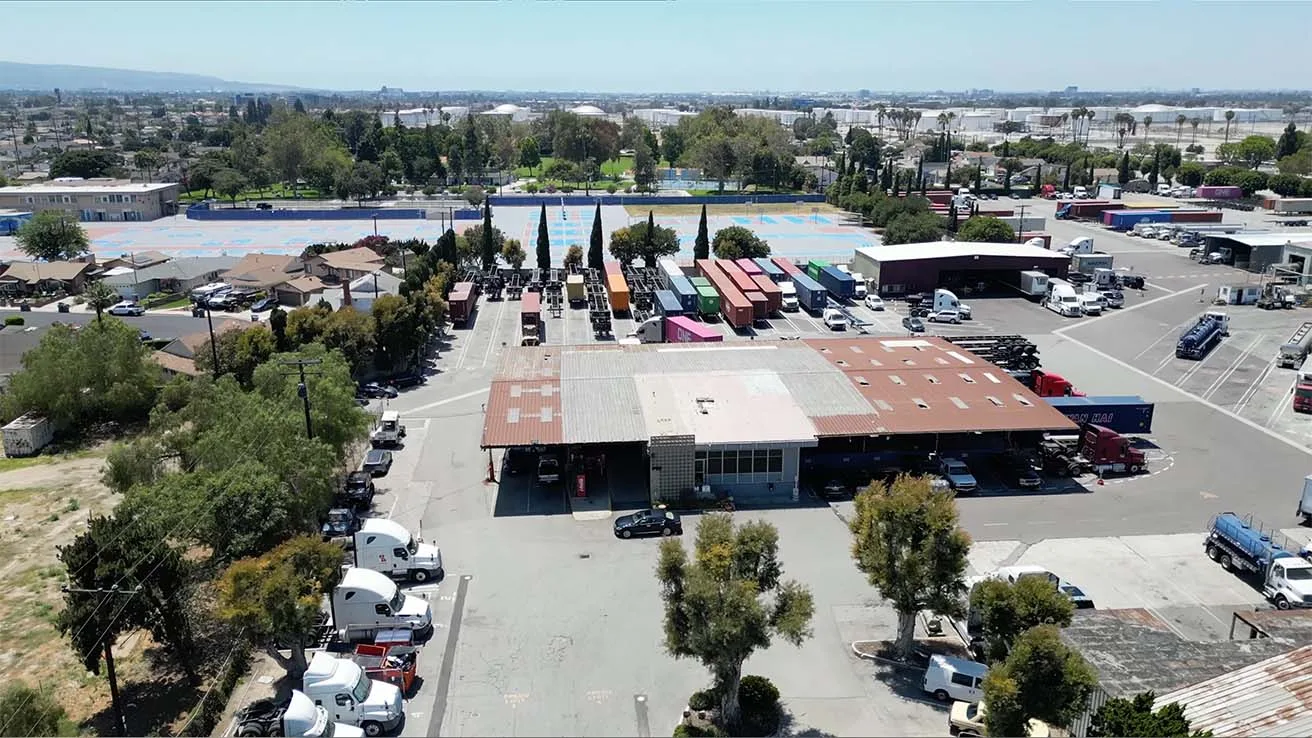
Recently, we visited a sprawling commercial truck yard in Los Angeles to see how a professional integrator, YesTechie, pushed the boundaries of standard hardware. Hundreds of commercial vehicles, containers, and specialized equipment move through this property daily.

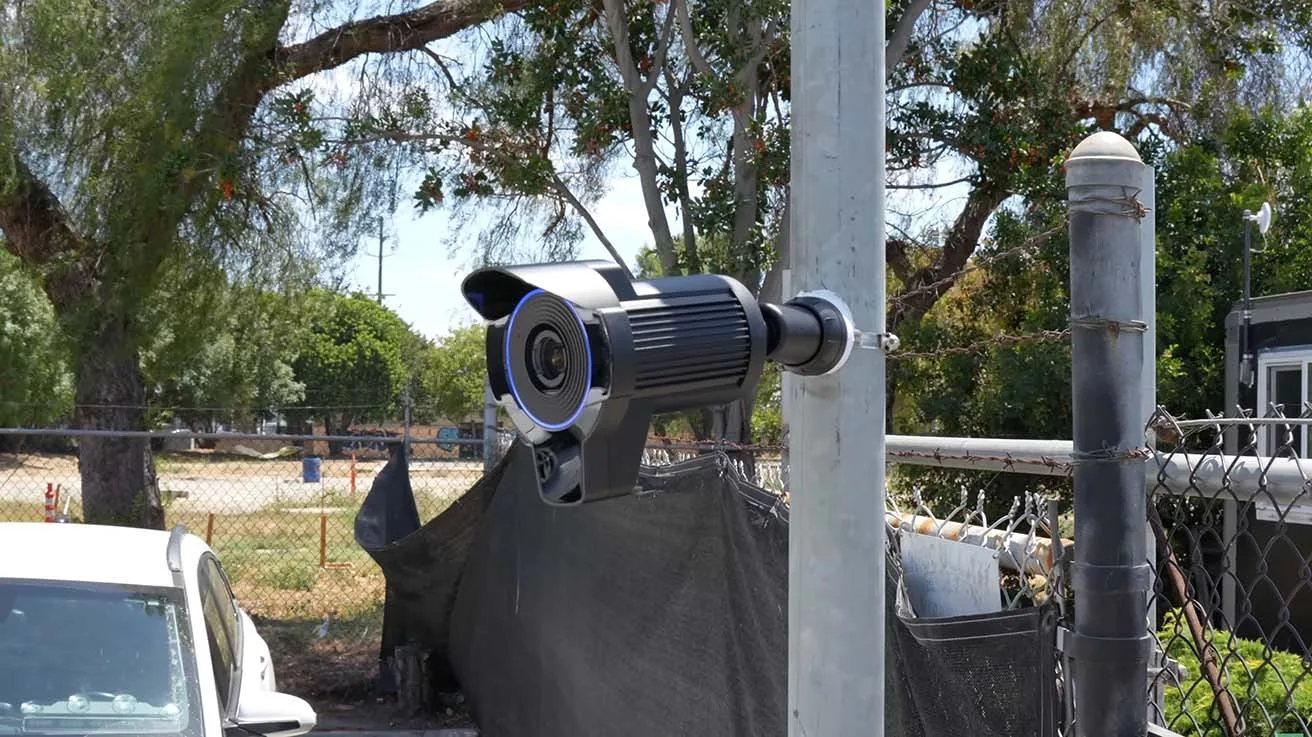
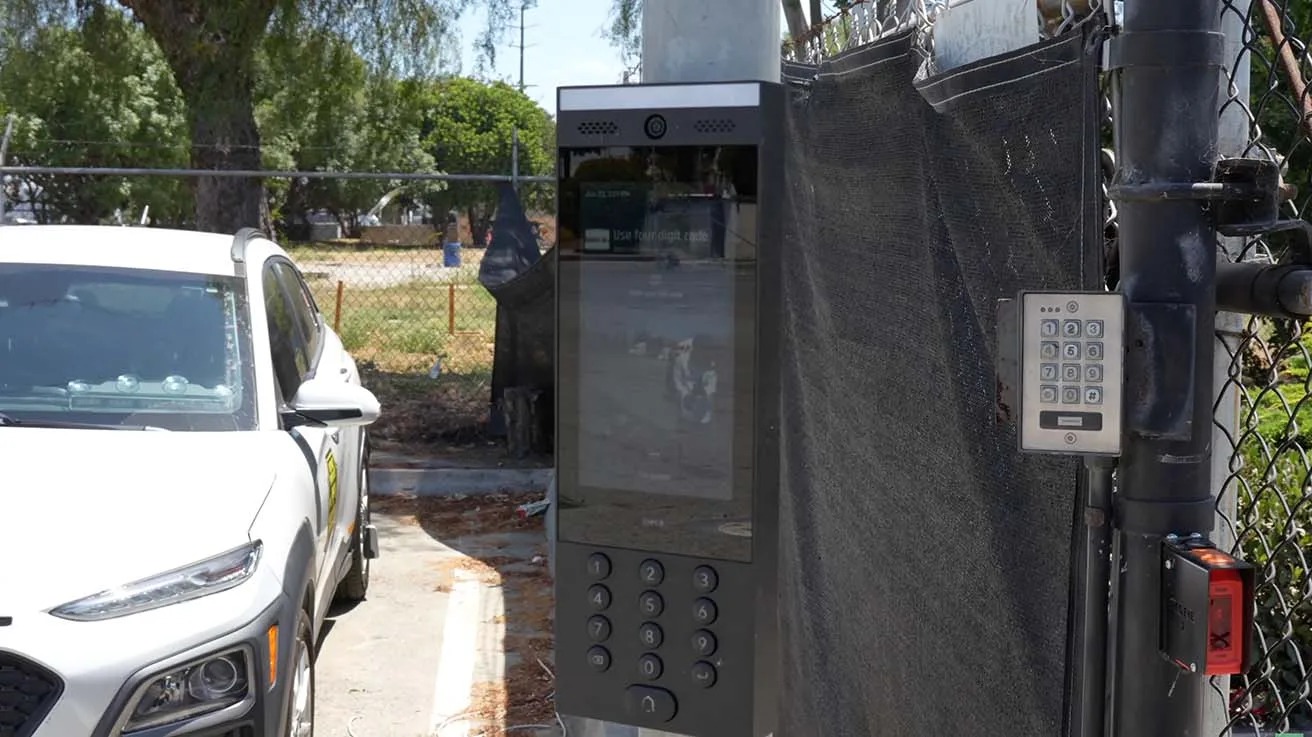
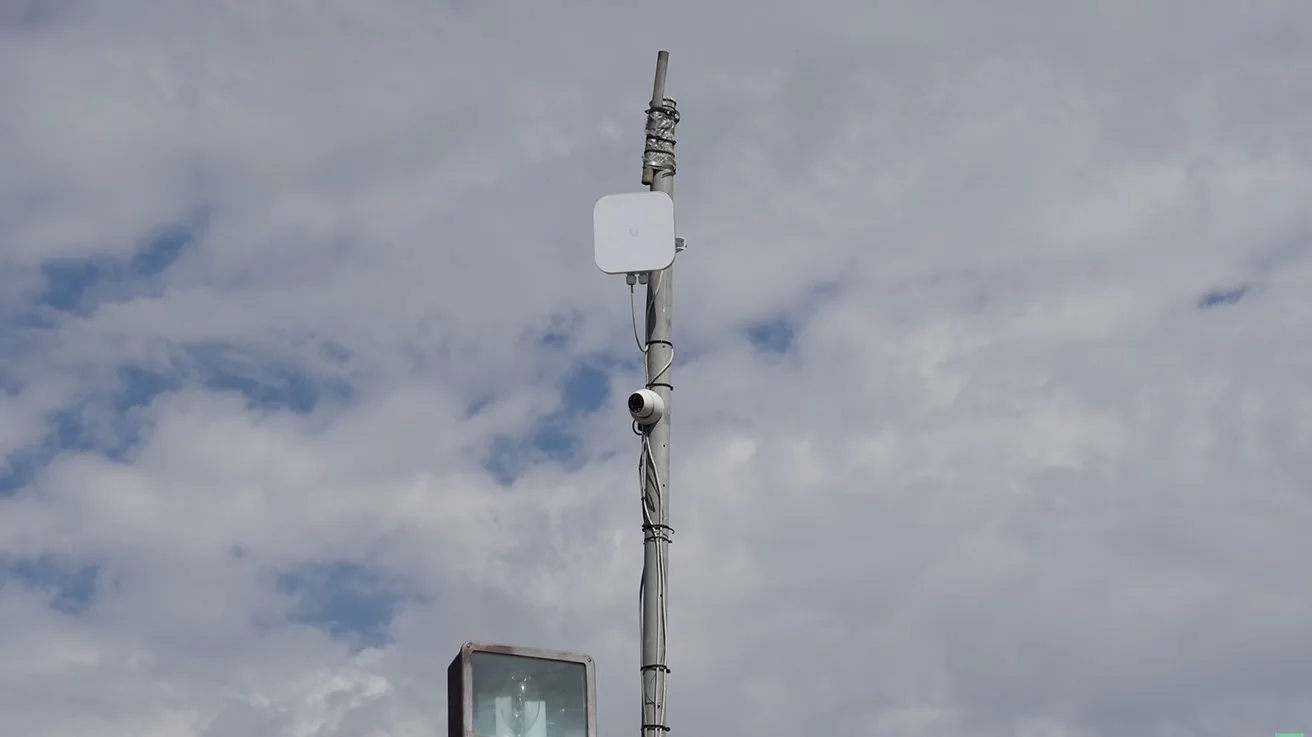
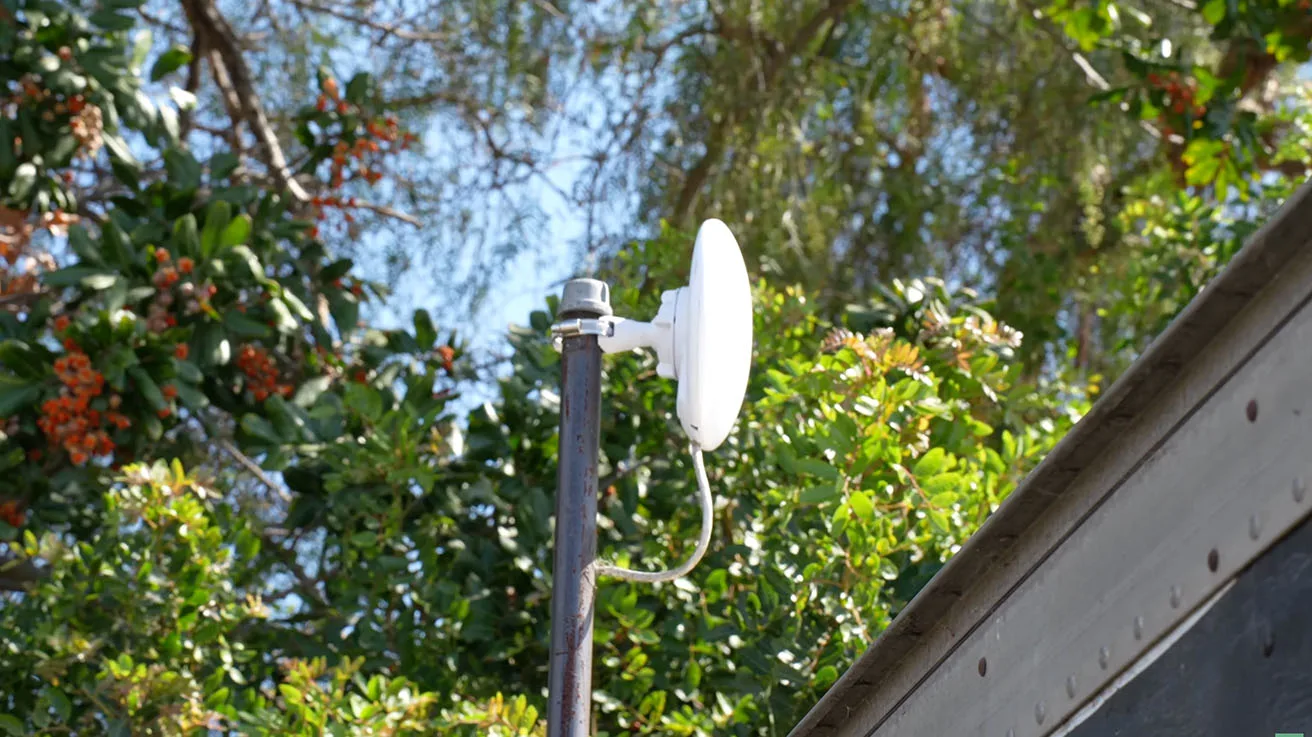
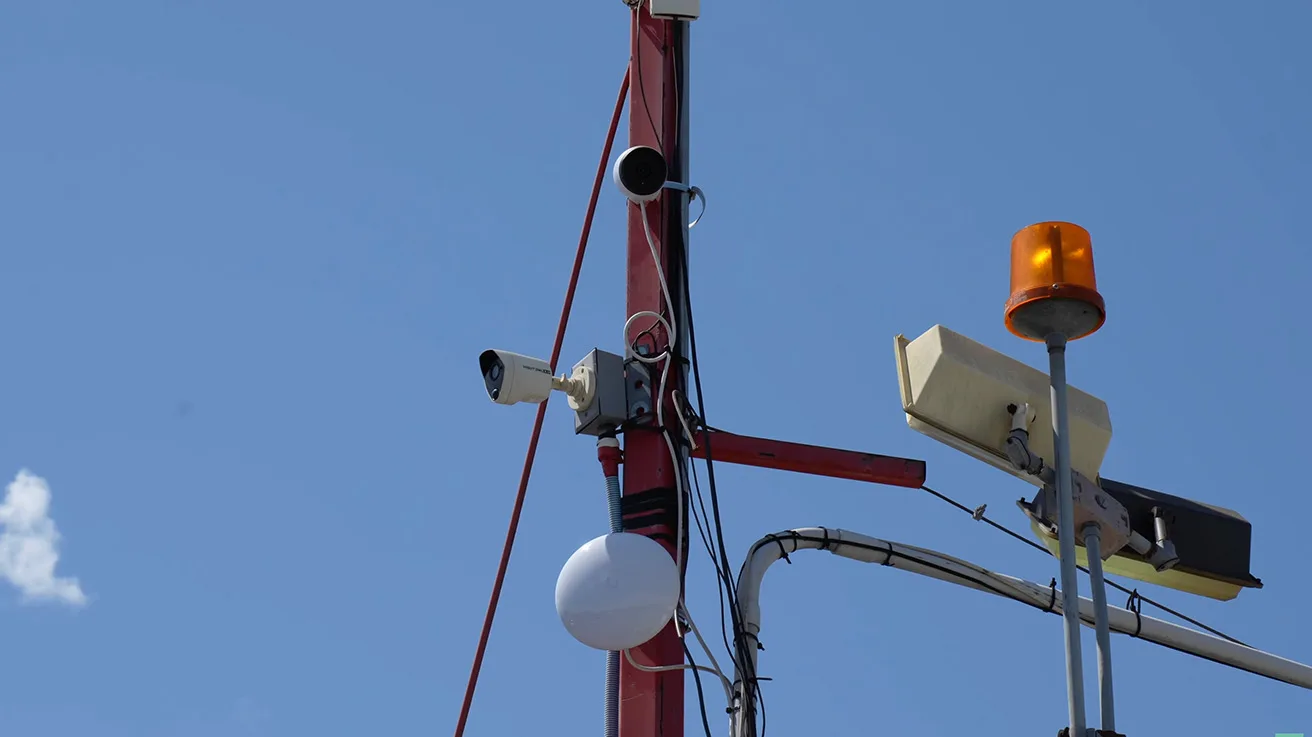
To secure the perimeter, YesTechie built a robust foundation using the UniFi ecosystem:
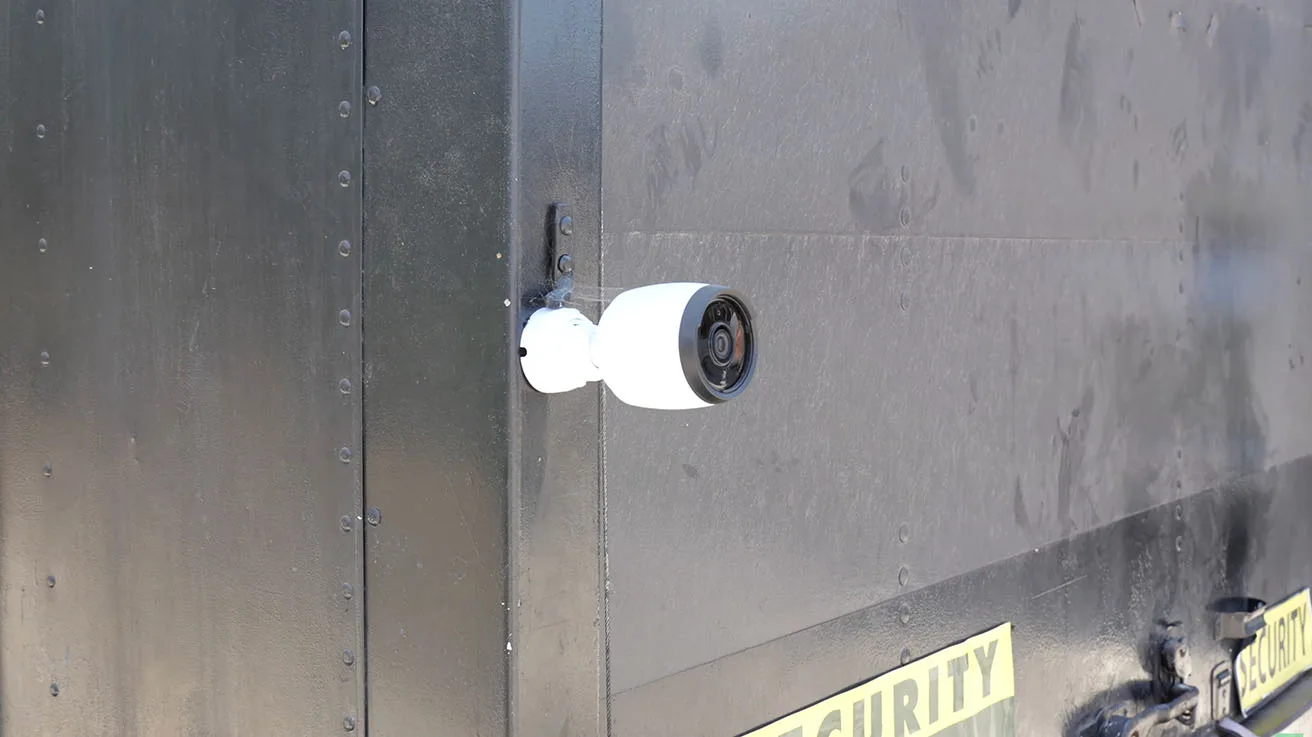
- Video Surveillance: UniFi Protect IP cameras with dedicated License Plate Recognition (LPR) capabilities.
- Access Control: UniFi Intercom deployed directly at the primary entrance gate.
- Network Infrastructure: High-speed Wi-Fi coverage for the administration office.
- Long-Range Connectivity: Wireless point-to-point bridges linking isolated sections of the large yard.
1 / 7
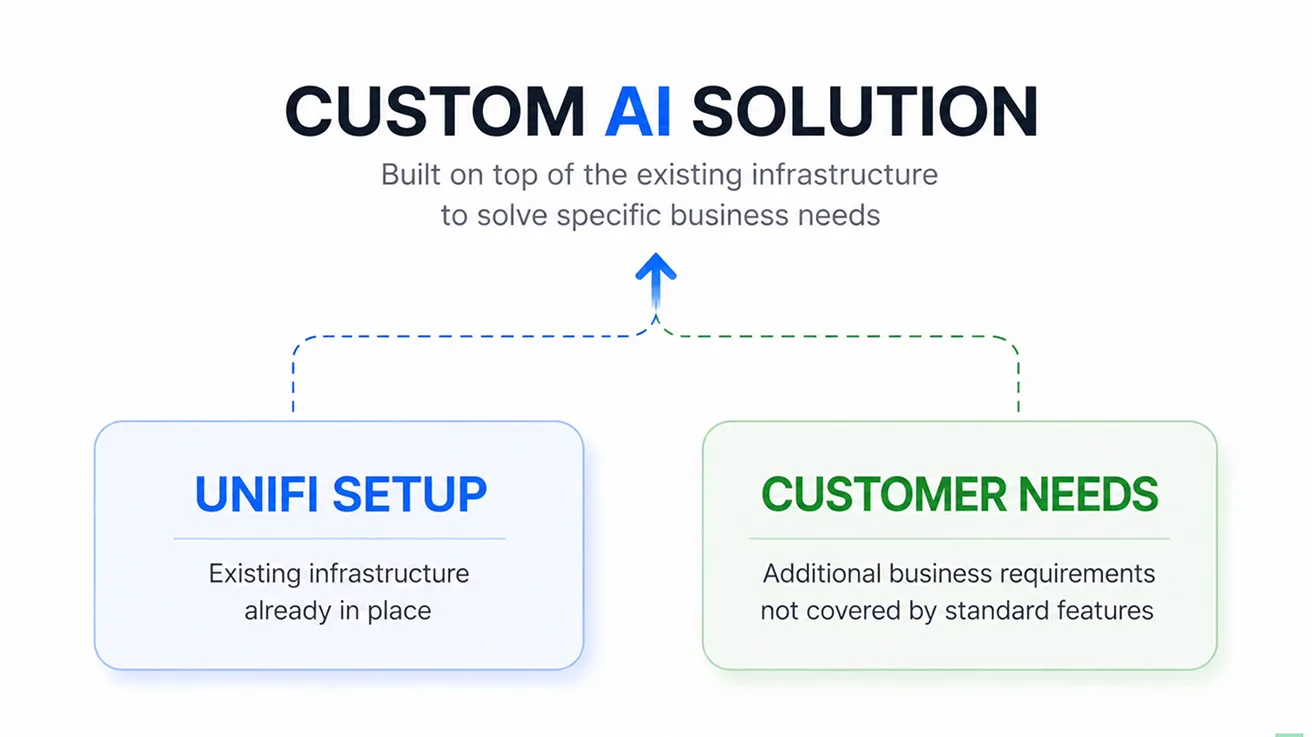
While this setup covered core security, the facility faced complex daily workflows that standard surveillance features could not solve. Evaluating whether a networking ecosystem is suitable for massive 1,000,000 square foot logistics facilities requires examining real-world deployments rather than relying on outdated online forums. This is why understanding if Ubiquiti is ready for enterprise deployments is crucial before investing in hardware. Instead of switching to a bloated alternative, YesTechie engineered a Custom AI on UniFi solution tailored directly to the client's operations.
The Logistics Problem: Why Standard LPR Isn't Enough
For a busy freight hub, simply knowing that a vehicle crossed the perimeter gate is insufficient. Management needs an automated, verifiable log detailing:
- Exact entry and exit timestamps.
- The specific vehicle type and owner company.
- Multiple unique registration identifiers on each piece of equipment.
YesTechie originally positioned UniFi Protect LPR cameras to monitor entry and exit paths. The hardware performed reliably, capturing clear license plate data day and night.
However, in the commercial trucking sector, a standard vehicle license plate tells only part of the story. A single arrival often involves multiple overlapping identifiers that standard LPR software ignores, creating massive blind spots in daily yard tracking.
Tracking USDOT, Chassis, and Hazmat Placards
Commercial fleet vehicles carry multiple identifiers distributed across their frame. A single inbound rig might feature:
- Tractor & Unit Numbers: Printed on cab doors or hoods.
- Container & Chassis Numbers: Stenciled along steel shipping containers and flatbeds.
- USDOT Numbers: Displayed for federal regulatory oversight.
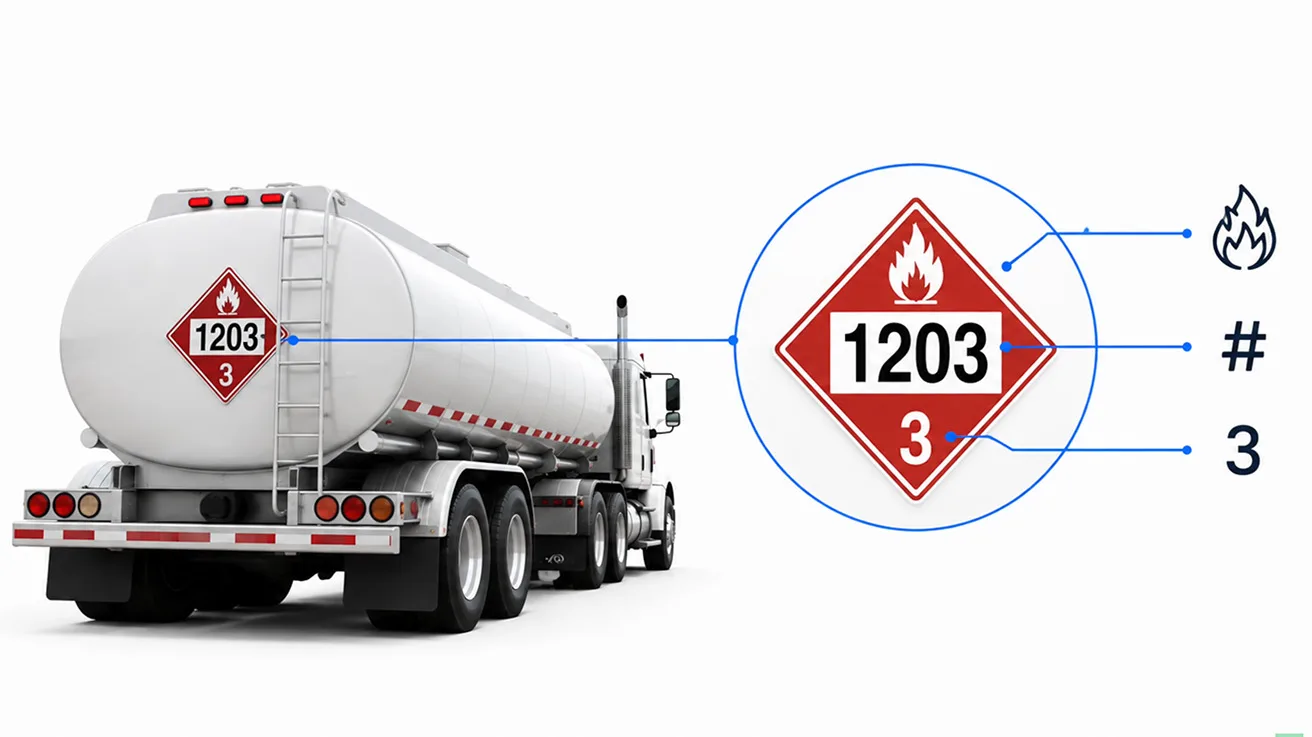
- Hazmat Placards: Specific chemical classification badges mounted on tank trucks carrying hazardous cargo.
The primary technical challenge is placement inconsistency. While container numbers follow standardized formats, tractor numbers and company decals appear in completely different locations depending on the fleet operator.
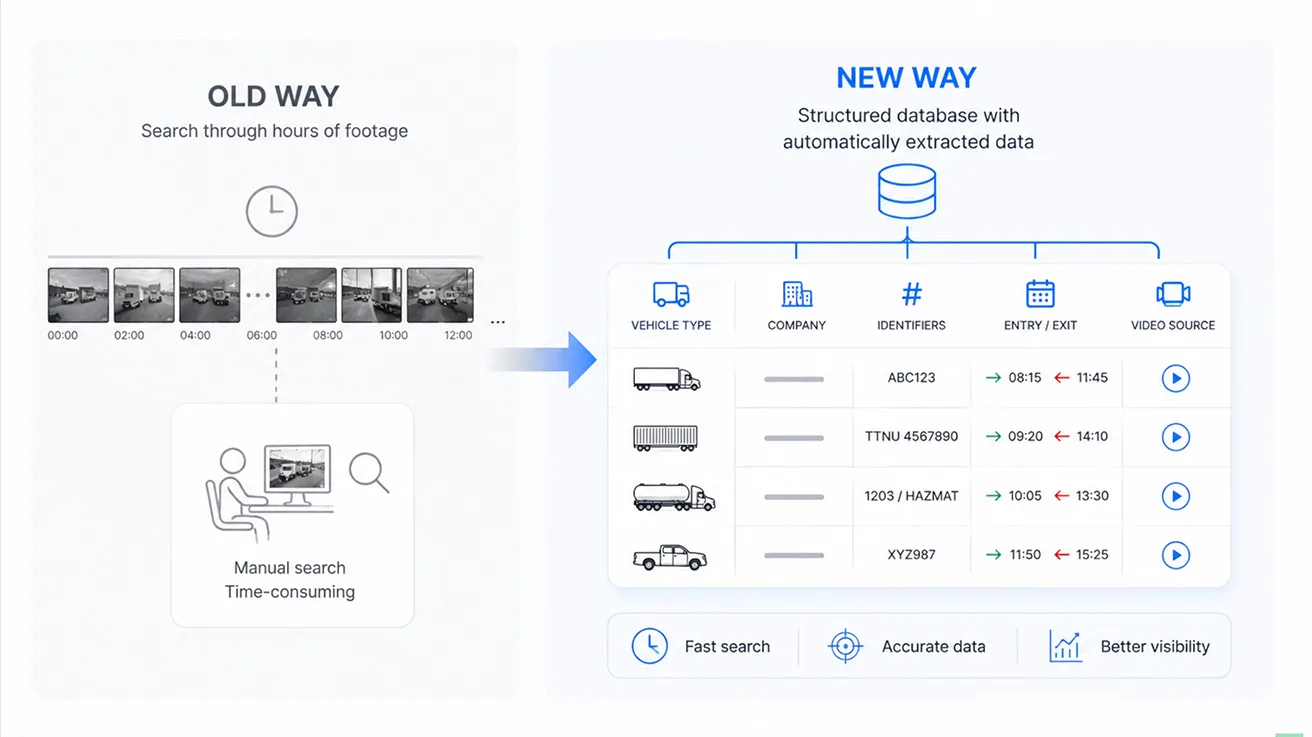
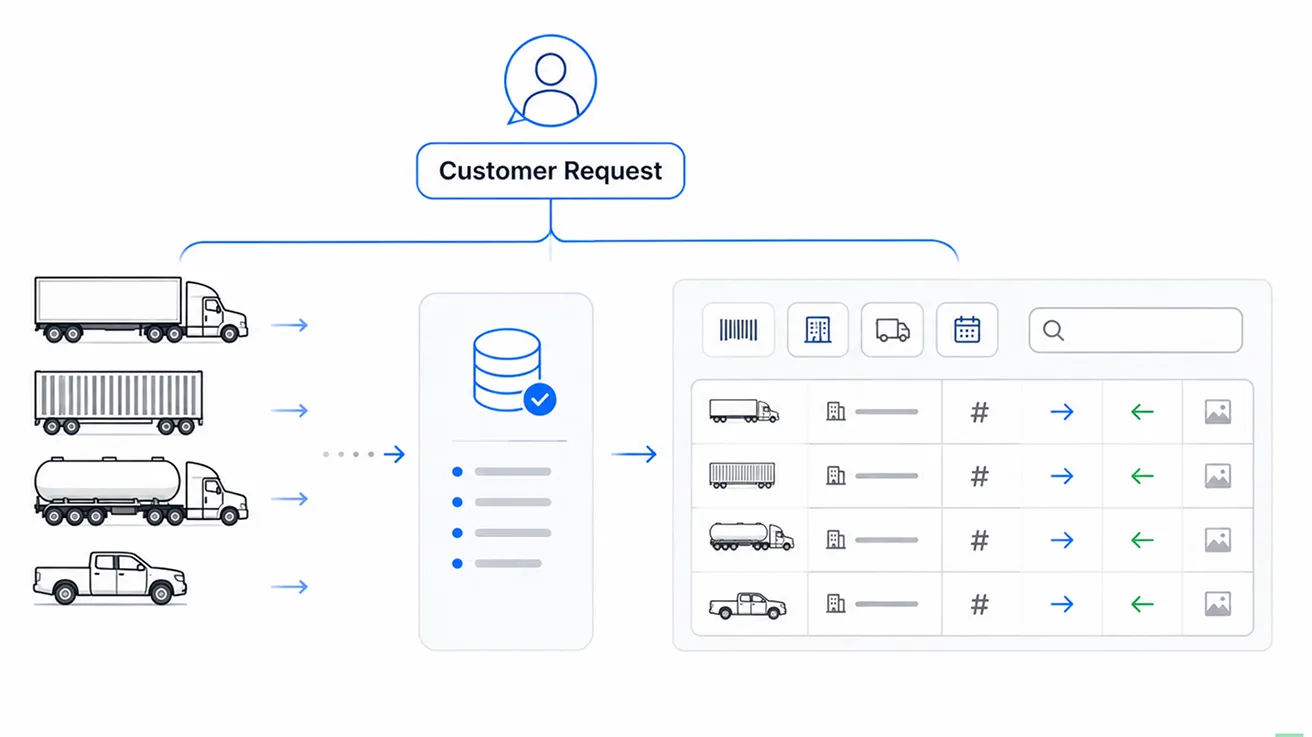
The client needed a single, searchable database where camera footage serves as the underlying evidence, but key identifiers are automatically parsed, logged, and indexed. Rather than spending hours manually scrubbing through recorded video files, operators required an instant search filter to retrieve specific arrivals by company, vehicle type, or container code.
Building a Custom AI Dashboard on Top of UniFi
Because standard video management software lacks built-in tools for custom shipping telemetry, YesTechie engineered a proprietary software overlay. Leveraging their IT infrastructure expertise, they built a Custom AI on UniFi platform using local processing hardware.
System Architecture Breakdown
- Core Capture Layer: UniFi Protect cameras handle continuous 24/7 recording and localized event triggers.
- Local Processing Unit: An on-site computer pulls raw video feeds and metadata directly through the open UniFi API.
- Custom AI Analytics: Proprietary computer vision algorithms analyze the API data to extract container numbers, Hazmat badges, and tractor IDs.
- Unified Web Dashboard: A customized user interface presents parsed telemetry in a clean, interactive activity log.
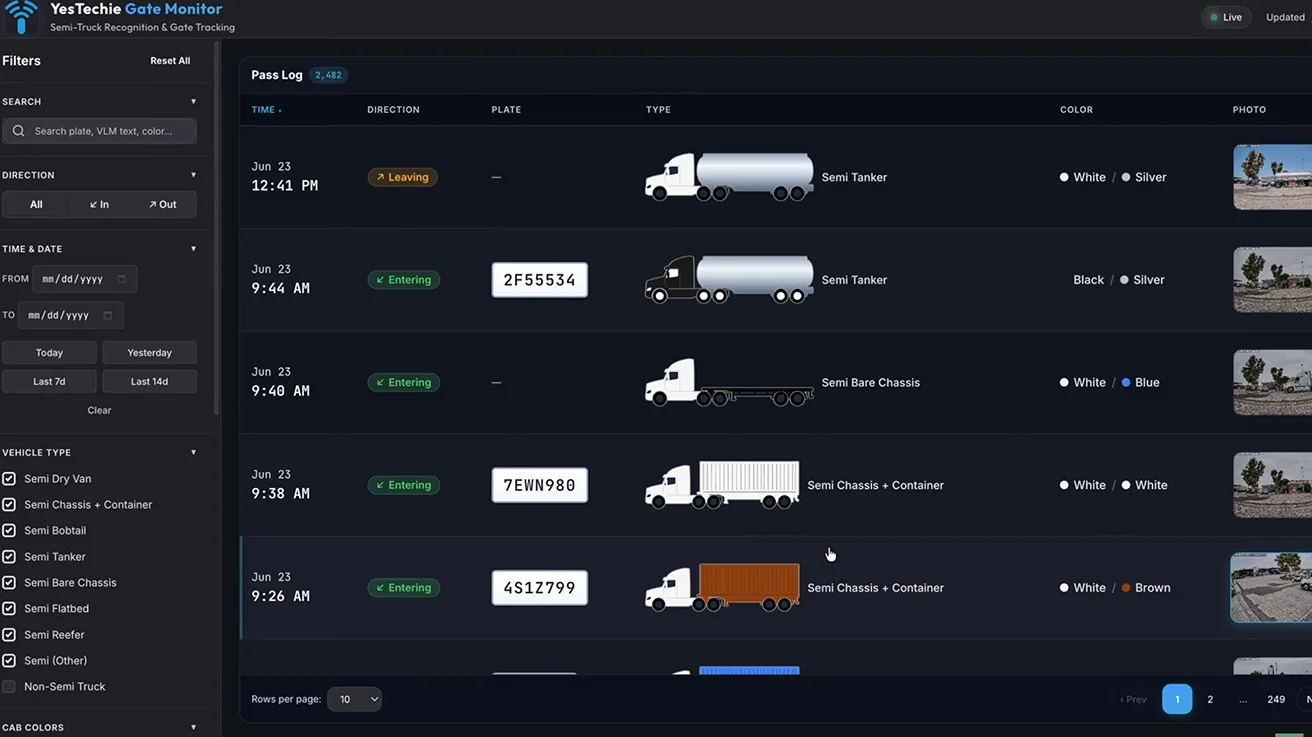
Modern access control platforms do more than monitor doors and cameras; they can automate daily operational workflows. Much like replacing paper logs by deploying a visitor system with UniFi Kiosk Mode, this AI-driven dashboard transforms passive security hardware into active business intelligence tools. Deploying the UniFi ecosystem allows businesses to leverage advanced video analytics and scale operations without recurring monthly software subscription costs.
Real Client Consultation: Refining the Beta Software
Our team attended the initial live presentation of this software overlay with the client. At the time, the application was in its beta phase, offering an excellent look at how an integrator collaborates with an end user during system commissioning.
(Note: The customer permitted us to record this meeting. You can watch the full interview and live demonstration on YesTechie's YouTube channel.)
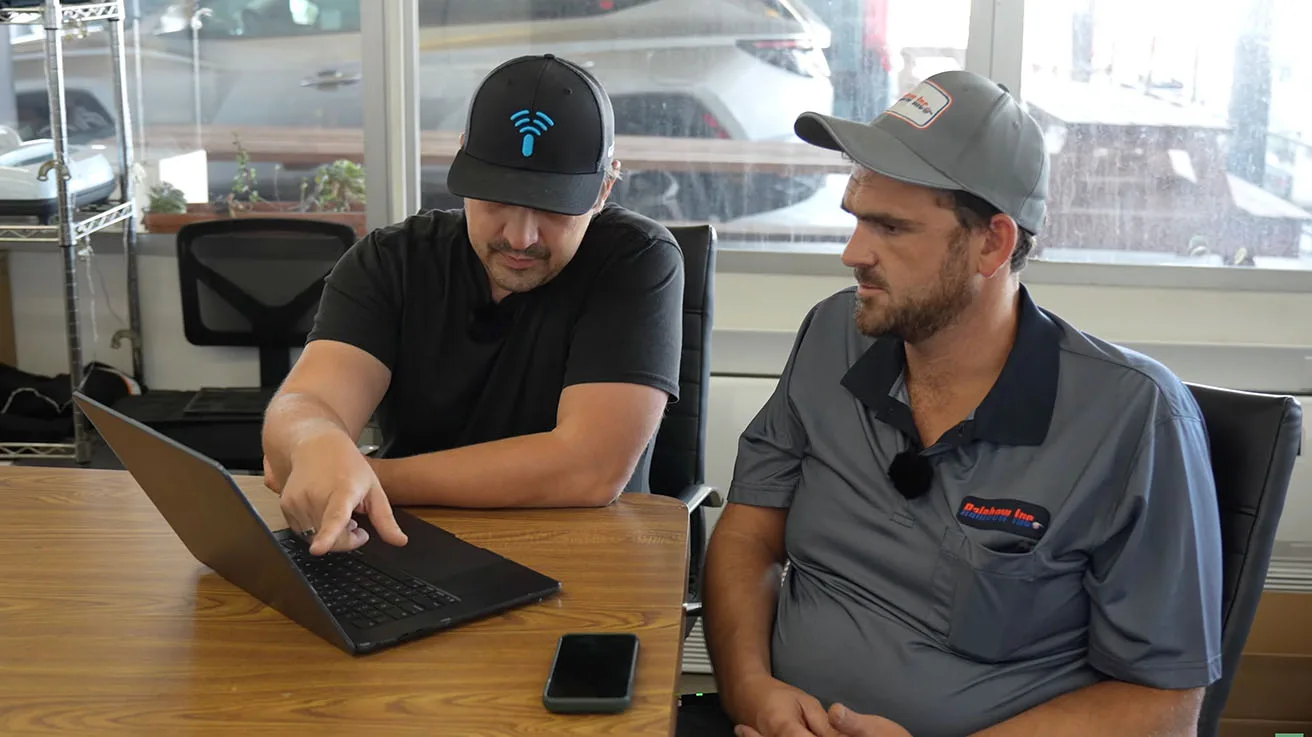
From day one, the custom dashboard delivered high utility. Operators could instantly:
- View live, synchronized vehicle entry and exit logs.
- Filter yard traffic by specialized equipment categories, including tankers and bobtails.
- Access corresponding high-resolution snapshots and linked video clips.
Instead of delivering a static, finished product, YesTechie walked through the facility's daily routines alongside the client. They refined the software by focusing on real operational questions:
- Dashboard Layout: Which telemetry points must appear on screen without scrolling?
- Search Workflows: What specific terms will gate guards and dispatchers search during peak hours?
- Data Exporting: How can off-site managers share these logs with accounting and logistics teams?
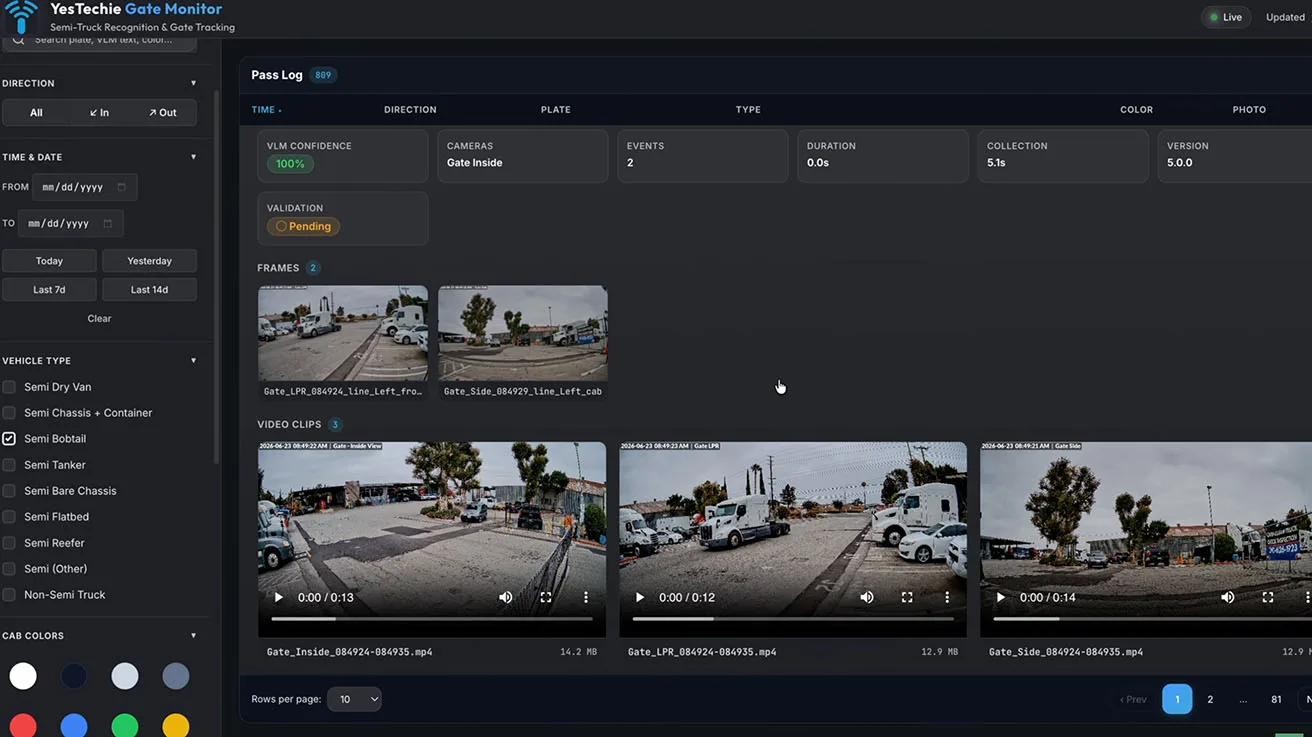
This collaborative review led directly to new features, including a requested one-click Excel export function for external reporting.
Beyond Security: Using Video Data for Billing & Operations
Extracting structured data from camera streams provides value far beyond perimeter defense. We see this transition across multiple sectors; for instance, modernizing building access fundamentally alters how property data is utilized, as highlighted in our Ubiquiti UA-Intercom System Case Study: Residential Building Security Revamp.
In this freight yard, deploying Custom AI on UniFi turned standard security cameras into operational tools that directly impact revenue:
- Operational Verification: Yard managers track exact dwell times and turnaround metrics for third-party carriers.
- Automated Billing: If a client disputes storage fees, staff can search a container number in the dashboard to review every recorded entry and exit event, bypassing manual video searches entirely.
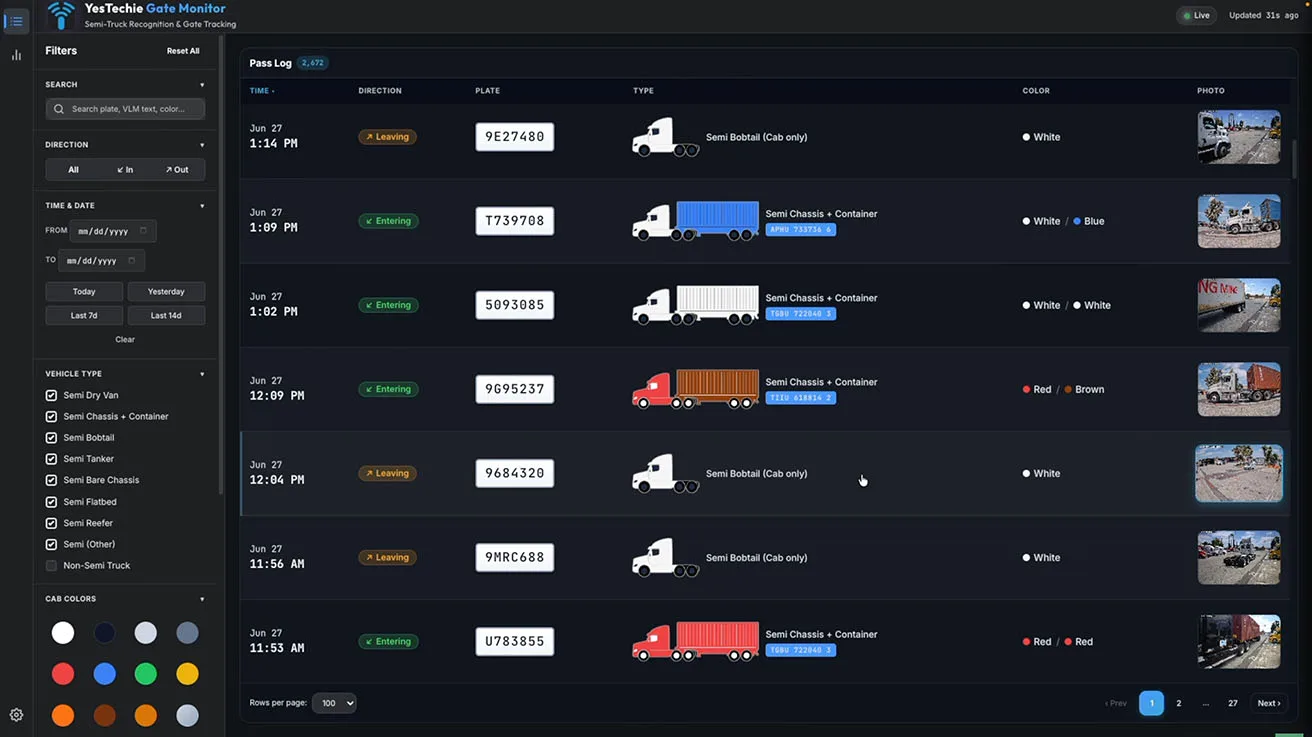
Following the initial beta review, YesTechie deployed an updated release a few weeks later. The system automatically reads container numbers upon arrival and links them directly to the vehicle profile.
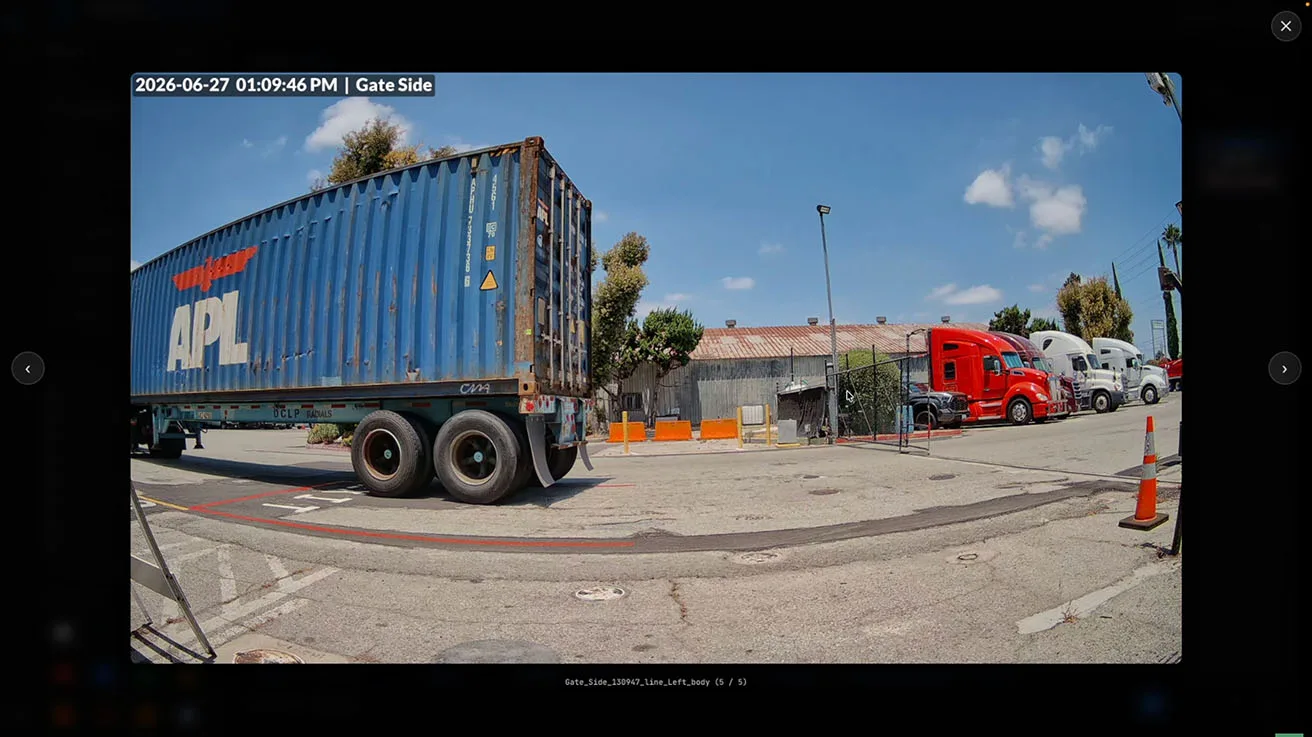
Crucially, every AI detection remains fully verifiable: clicking any entry opens the exact camera snapshot where the text was parsed, with a direct link to jump straight into the full high-definition video recording.
The Difference Between an Installer and a True Integrator
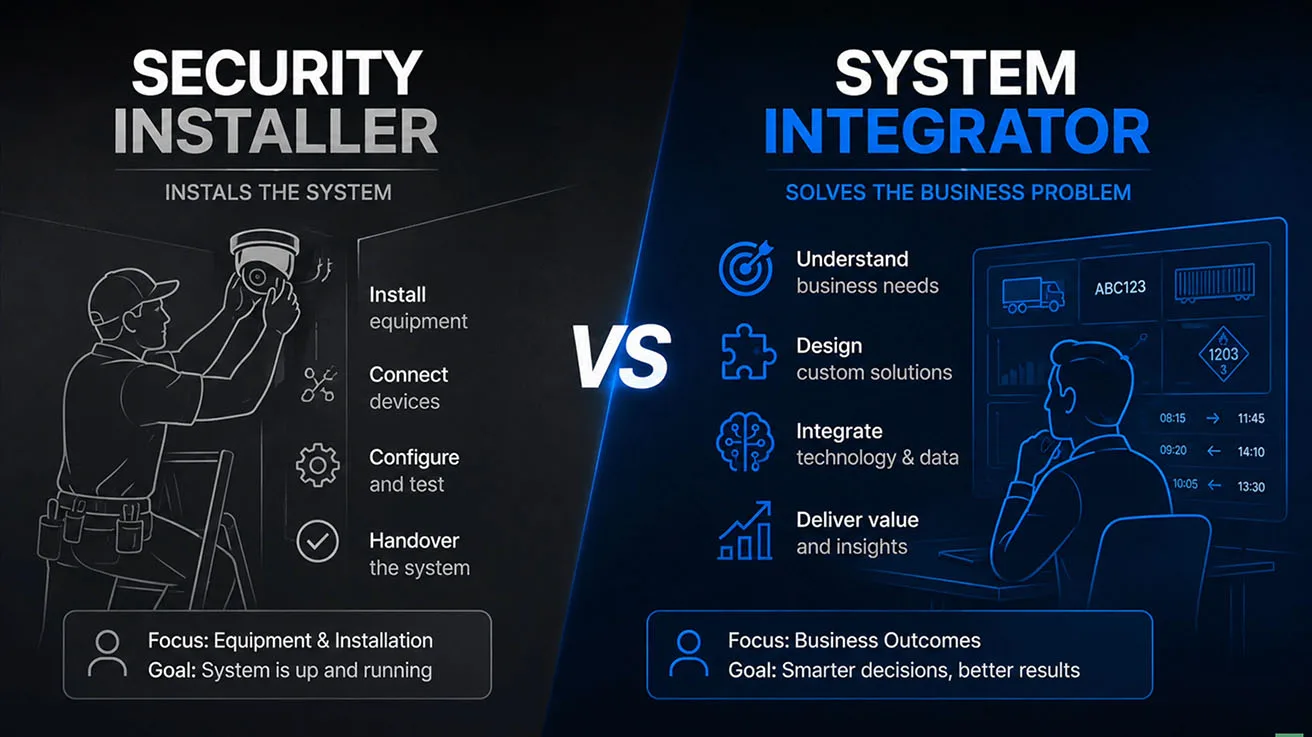
This LA project demonstrates a core principle we emphasize across our platform: the distinction between a basic equipment installer and a true technology integrator.
| Feature / Capability | Hardware Installer | Technology Integrator |
|---|---|---|
| Core Focus | Mounting hardware, pulling cables, basic power delivery. | Solving end-to-end operational bottlenecks. |
| Software Approach | Uses stock, out-of-the-box system features only. | Leverages APIs, custom scripts, and custom software overlays. |
| Client Interaction | Leaves after testing hardware power and connectivity. | Conducts workflow audits and updates system features based on feedback. |
| Business Impact | Delivers passive security video footage. | Generates structured, actionable business intelligence. |
YesTechie exemplifies the consultative, problem-solving approach required for modern commercial IT infrastructure. As artificial intelligence models become more accessible, more integrators will build specialized software overlays on top of open hardware platforms.
If you manage commercial or industrial properties on the West Coast, reviewing our curated list of the Top 5 UniFi Certified Installers in California (2026) can help you identify qualified partners capable of executing custom, high-complexity deployments.
Want to see this setup in action? Watch our complete on-site breakdown of this Custom AI on UniFi solution right here:
Find a Verified Security Integrator on Pipl Systems
Because custom technology solutions require verified field experience, Pipl Systems gives commercial clients more than basic business directory listings. On our platform, end users can review:
- Real-world project case studies and video walkthroughs.
- Verified industry certifications and state contractor licenses.
- Specific hardware specialization details.
- Proven track records in custom software and API deployment.
If your facility requires a specialized security deployment, visit Pipl Systems to research qualified integrators in your region. If you are a professional security integrator engineering custom solutions, apply to list your company and showcase your completed installations to commercial clients across North America.
Comprehensive Summary
This case study illustrates how physical security infrastructure can evolve into a business intelligence platform. By taking advantage of the UniFi API, YesTechie converted standard UniFi Protect LPR cameras into an automated logistics log. The facility eliminated manual video reviews, replacing them with a custom dashboard capable of tracking non-uniform commercial identifiers like USDOT codes, container numbers, chassis IDs, and Hazmat placards. Building a Custom AI on UniFi solution allowed the end user to streamline carrier billing, verify operational throughput, and export complete audit logs on demand.
Frequently Asked Questions (FAQ)
How does Custom AI on UniFi work for commercial logistics?
It works by pairing on-site UniFi hardware with a local computer that accesses video streams and event logs via the UniFi API. Custom machine learning models process the raw API data to identify non-standard visual text, such as container codes or USDOT markings, and present it in a searchable web dashboard.
Can UniFi Protect recognize identifiers beyond standard vehicle license plates?
Out of the box, UniFi Protect LPR cameras process standard state and federal vehicle license plates. However, by deploying custom AI overlays through the UniFi API, integrators can extend optical recognition to capture Hazmat placards, container numbers, chassis codes, and fleet decals.
Is developing custom AI analytics on top of existing security systems cost-effective?
Yes. In the past, custom computer vision systems required expensive enterprise software platforms and recurring per-camera licensing fees. Today, integrators can leverage open APIs on subscription-free hardware like UniFi to build custom tools at a fraction of the traditional cost.
How can video security data improve non-security operations like billing?
Structured video telemetry creates an undeniable record of yard activity. Rather than manually searching hours of footage during a dispute, operators can filter a database by container number to instantly confirm entry and exit times, verifying billable storage periods and export logs directly to Excel.
Can third-party logistics software integrate directly with UniFi Protect?
Yes. Because the system utilizes the open UniFi API, custom databases and existing warehouse management systems can pull structured telemetry directly from the cameras. This eliminates redundant data entry and synchronizes security footage with internal inventory tracking.
Does custom AI processing slow down the existing UniFi network?
No. By routing the API data to a dedicated local computer for analytics, the core UniFi infrastructure remains unburdened. The cameras continue to record and manage standard events efficiently, while the secondary machine handles the resource-intensive custom processing tasks locally.