


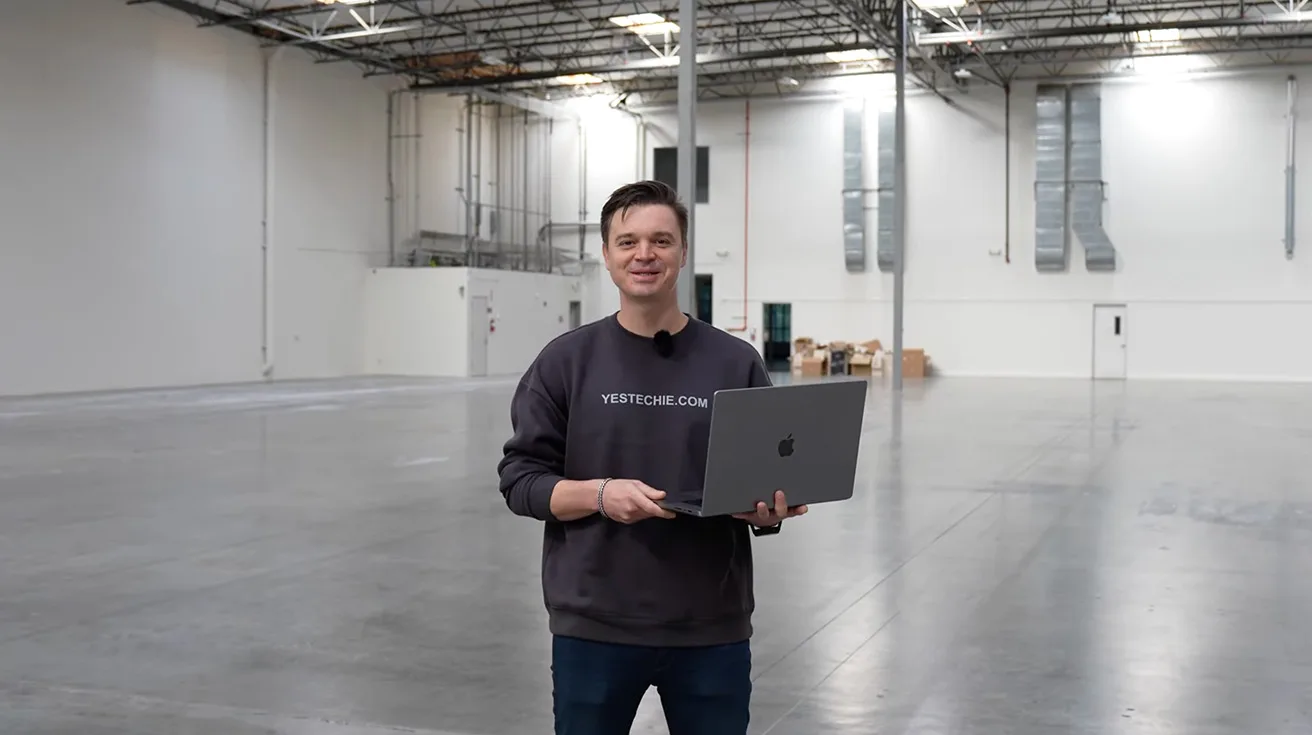
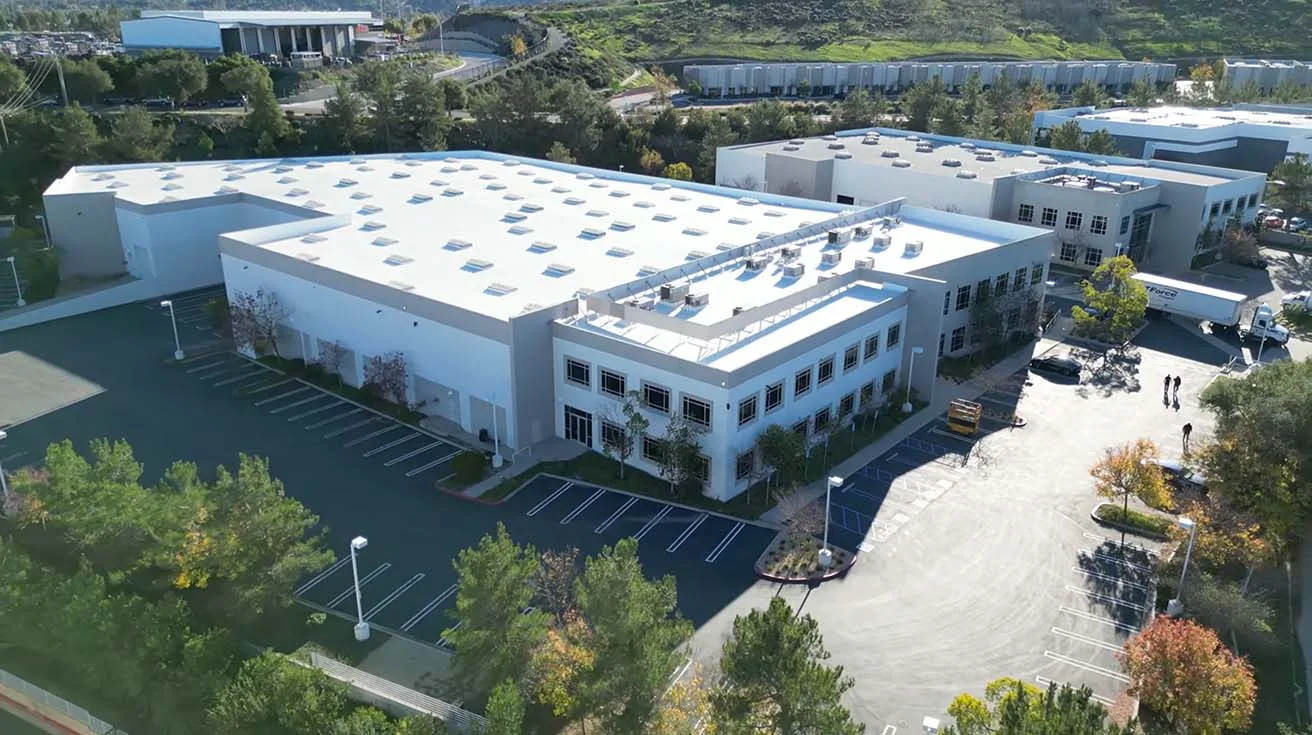
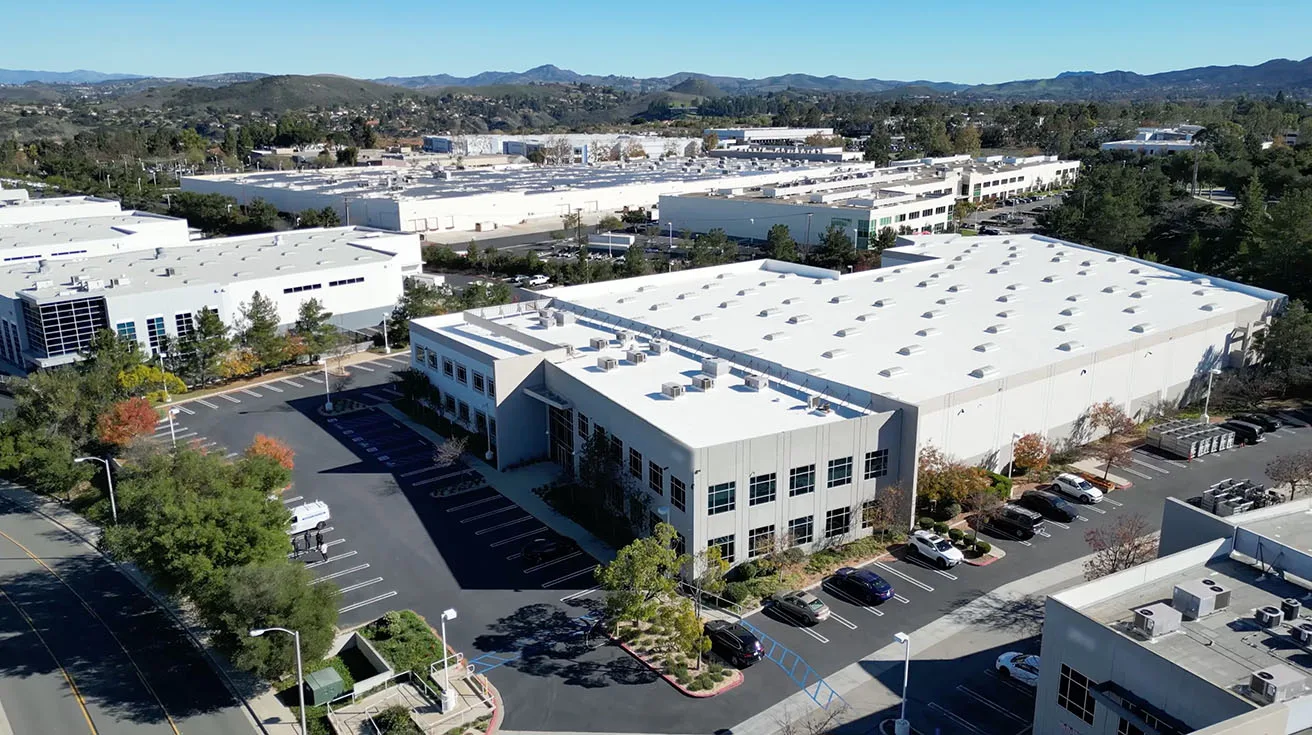
Hello, I'm Anton Kuznetsov from YesTechie, and I’m excited to share a deep dive into one of our most dynamic UniFi deployments: a massive 77,000-square-foot facility encompassing both warehouse and office spaces. This project presented unique challenges and specific requirements from our client, which is why we’ve chosen to document our process. Our goal with this case study is to walk you through the installation, demonstrate some powerful UniFi Protect features, and highlight how a unified platform can deliver advanced security and operational efficiency without the burden of recurring license fees.
This project is unfolding in phases, and in this article, we’ll focus on the initial deployment of outdoor cameras and the core infrastructure. Stay with us as we reveal how we're building a robust, intelligent, and cost-effective security ecosystem.
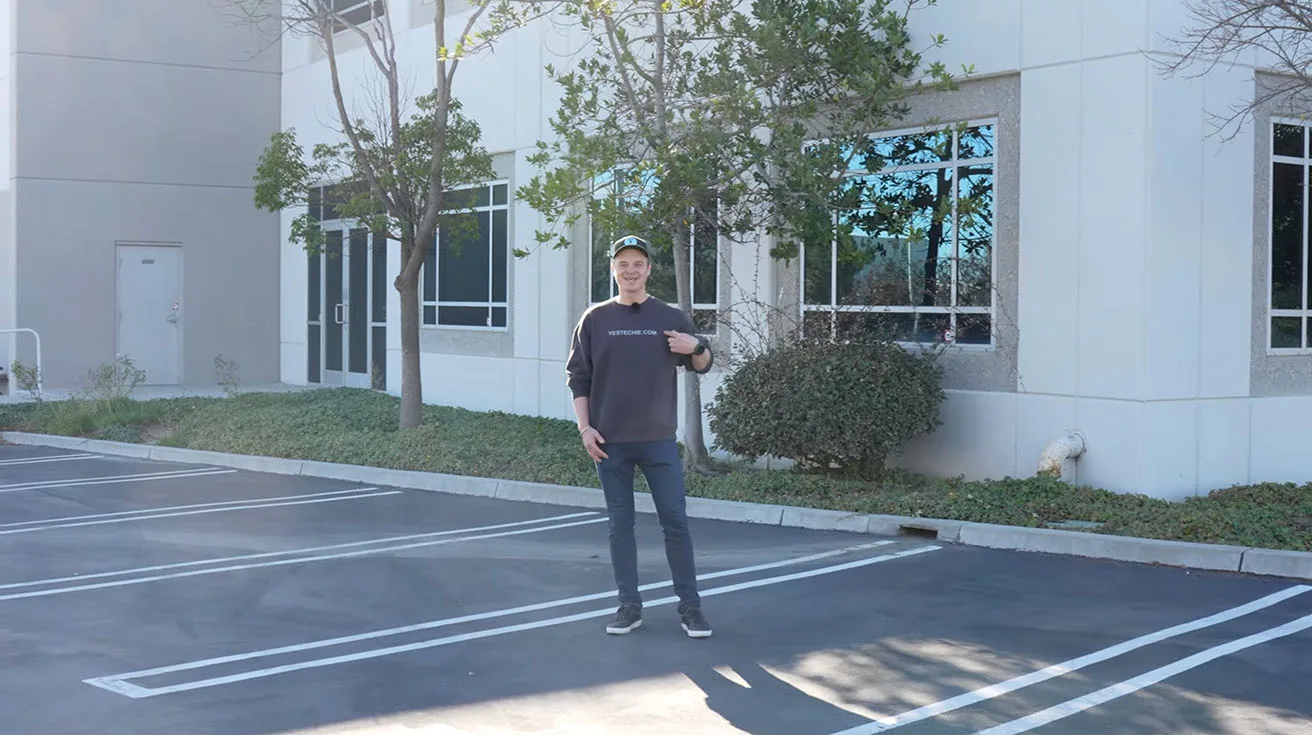
Client Requirements & Project Scope: Advanced Security for a Large-Scale Logistics Hub
When we first engaged with this client, their requirements were clear and comprehensive, reflecting the high-stakes nature of managing a facility this size. For a 77,000 sq ft building, fragmented systems simply don't cut it. Their needs spanned robust video surveillance, intelligent access control, and a high-performance network foundation.
Specifically, the client needed:
- Comprehensive Video Surveillance: Covering both expansive outdoor perimeters and critical indoor areas. This wasn’t just about recording; it demanded active deterrence capabilities and sophisticated analytics.
- Advanced Object Detection: The system needed to reliably distinguish between people and vehicles, minimize false alarms, and provide actionable intelligence.
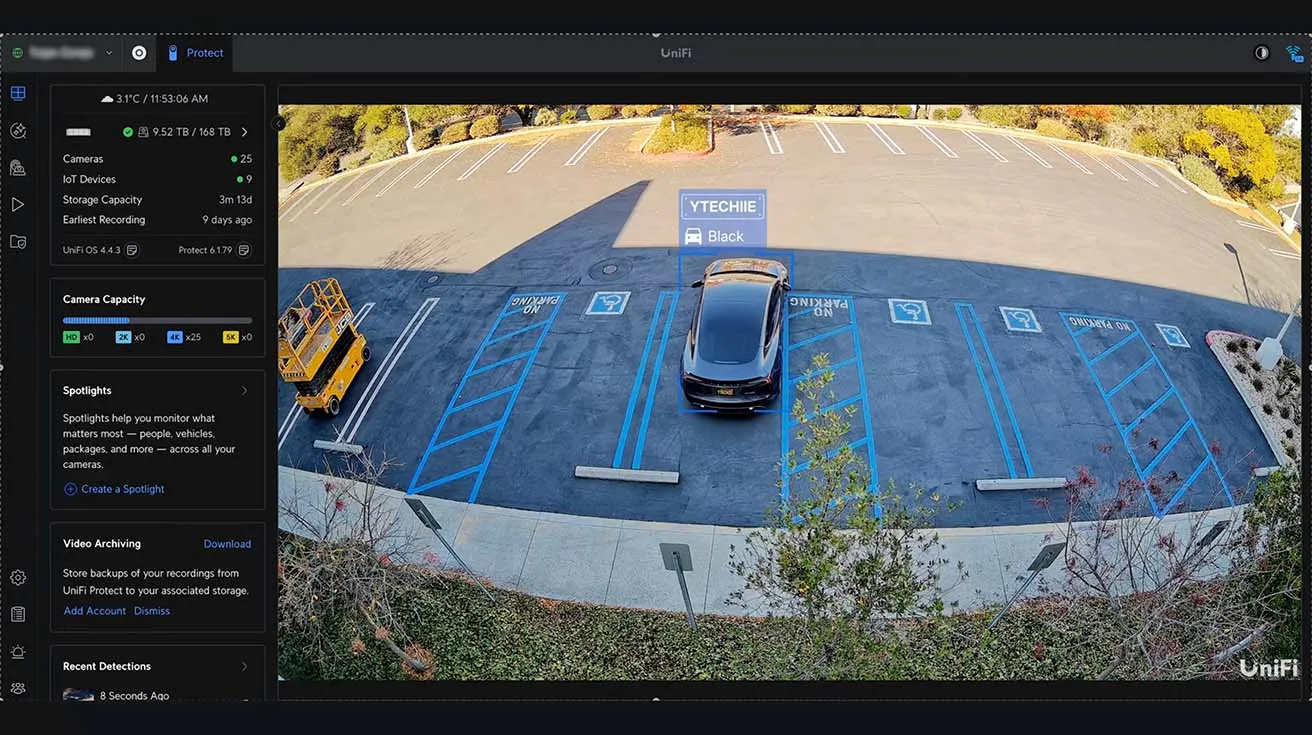
- Face Recognition & License Plate Recognition (LPR): Crucial for enhanced security, detailed incident investigation, and operational insights, especially in a warehouse environment with significant vehicle and personnel traffic.
- Extended Recording Retention: Maintaining all recordings for a minimum of three months to meet auditing and security investigation needs.
- Access Control Integration: Managing 15 doors, featuring readers with integrated video capabilities to ensure a visual log of every entry and exit.
- High-Performance Network: A resilient and scalable network infrastructure using enterprise-grade access points for seamless connectivity across both the warehouse and office areas.
This comprehensive set of requirements pointed directly to a unified platform solution, where all these elements could work together intelligently.





1 / 11
Core Infrastructure & Unified Management: The UniFi UDM Pro Max Foundation
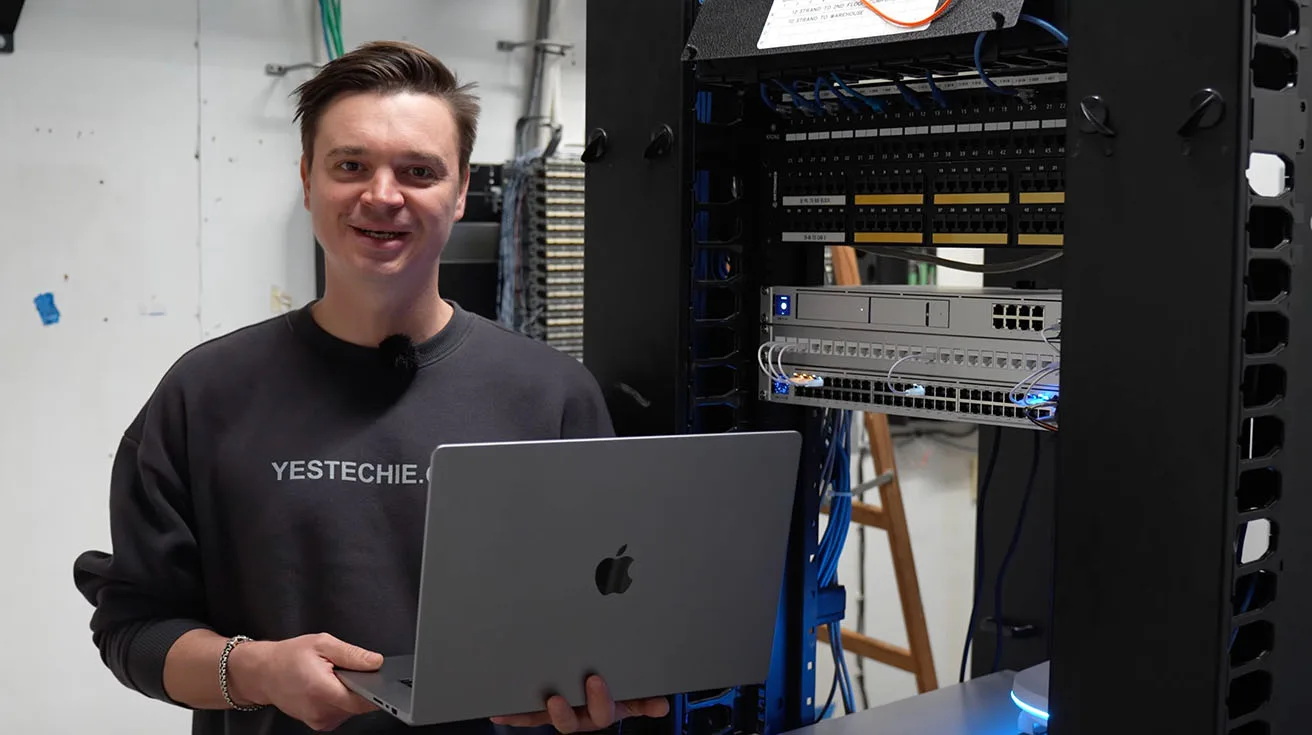
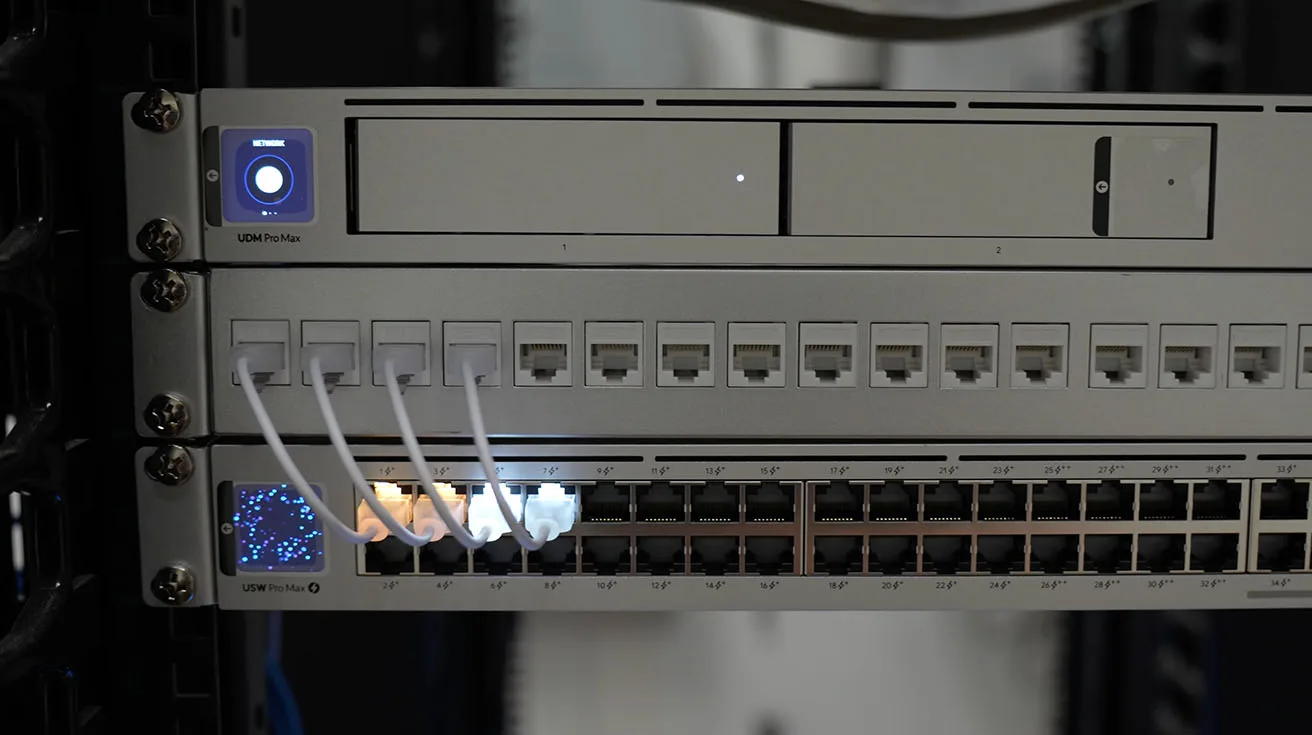
The heart of any large-scale deployment is its core infrastructure, and for this project, the server room houses the backbone of our UniFi solution for warehouse. We pride ourselves on building streamlined, efficient systems that our clients can manage with ease, and UniFi’s integrated approach is perfect for this.
Our core equipment includes:
- UniFi Dream Machine Pro Max (UDM Pro Max): This console serves as the central brain, running the network application and consolidating management for all UniFi devices. It’s a powerful all-in-one solution for routing, switching, and security gateway functions. For those evaluating UniFi consoles, understanding how to choose the right one for your specific needs is key to success. You can explore more about console options and their capabilities here.
- UniFi Enterprise PoE Switch: Providing robust Power over Ethernet capabilities to power our extensive camera and access control network.
- Enterprise Network Video Recorder (NVR): Ensuring reliable, long-term storage for the extensive video footage from approximately 100 cameras, meeting the client’s 3-month retention requirement.

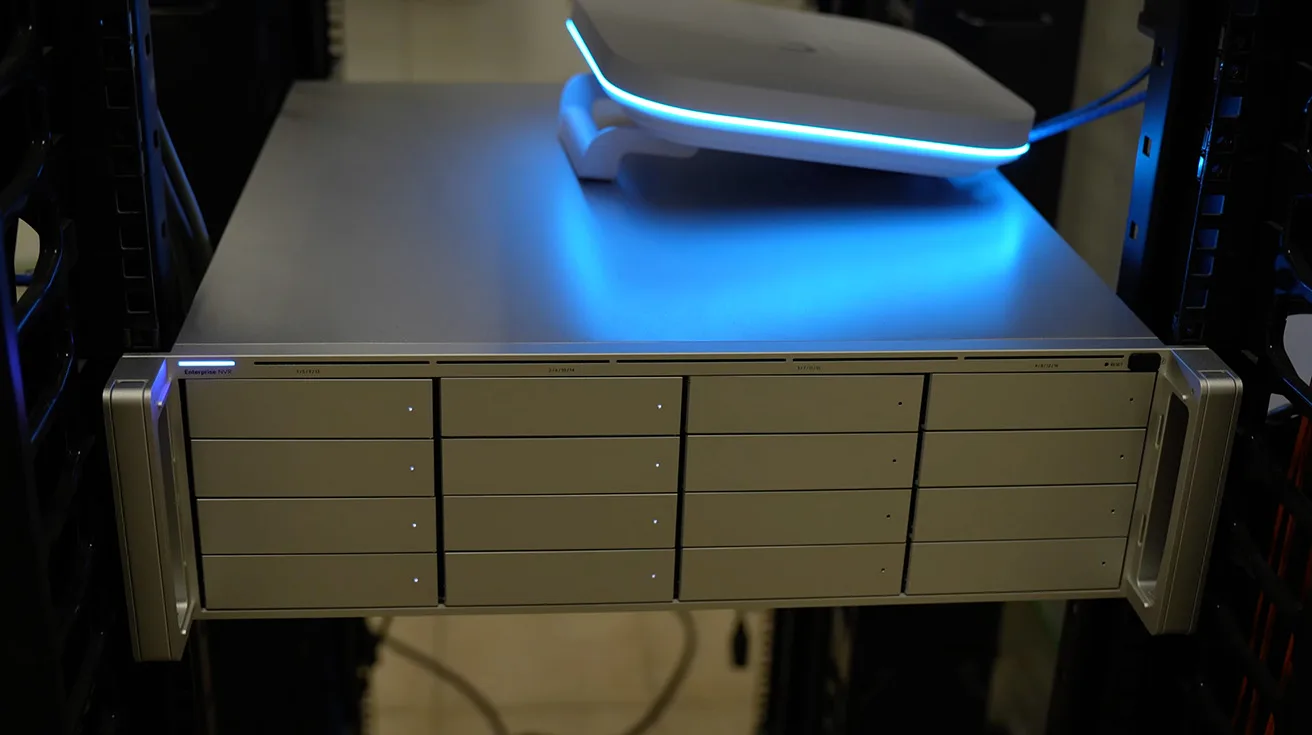
1 / 4
This integrated UniFi solution empowers the client to manage their entire IT infrastructure – from network performance to physical security resources – all from one single interface. This single pane of glass approach eliminates the complexity of disparate systems and, crucially, avoids recurring licensing fees. With UniFi, you own your hardware, enabling significant cost savings over time.
Perimeter Defense Design: Intelligent Surveillance with AI PTZ, G6 Pro, and Active Deterrence
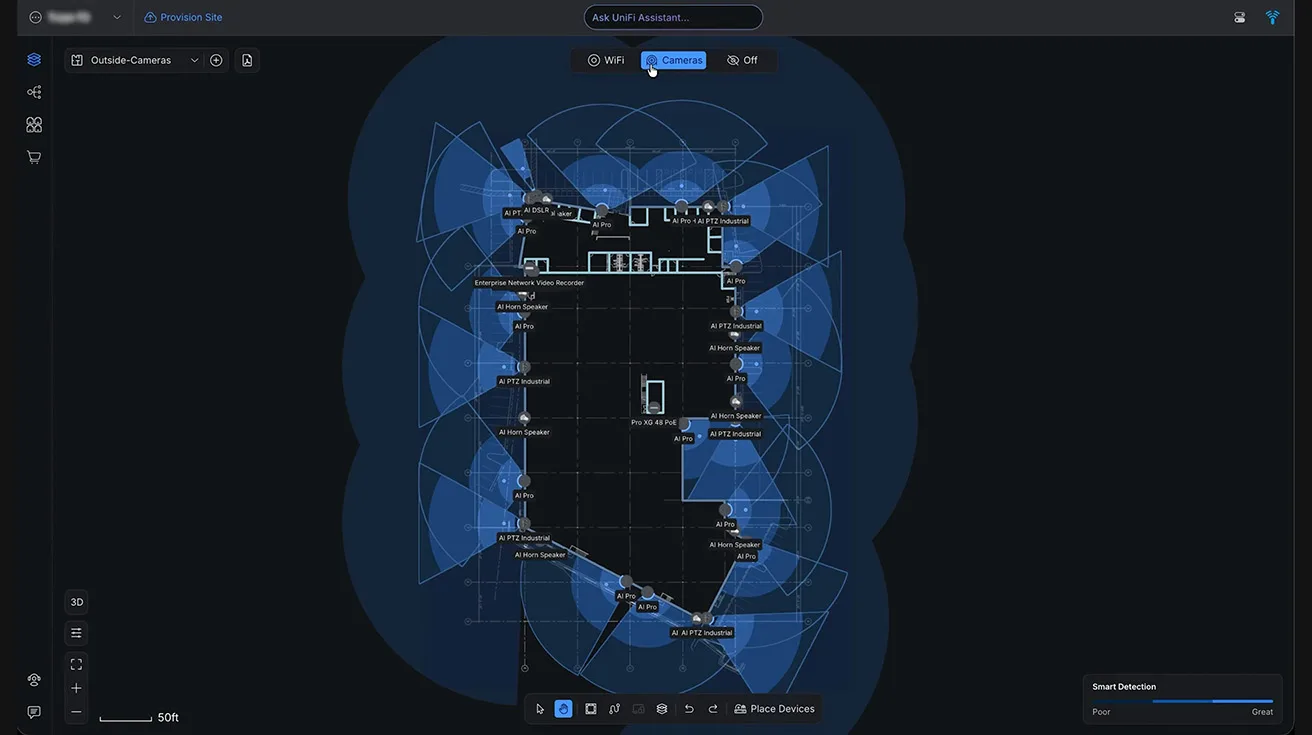
Securing the perimeter of a 77,000 sq ft warehouse demands a strategic blend of stationary vigilance and dynamic response. Our design for outdoor surveillance combines high-performance fixed cameras with intelligent PTZ (Pan-Tilt-Zoom) capabilities and active deterrence, creating a multi-layered defense.
Our primary perimeter setup involves:
- UniFi G6 Pro 4K Bullet Cameras: These stationary cameras are strategically positioned, often on corners, to provide consistent, high-resolution coverage of critical zones. Their role is to act as the primary detection points, alerting the system to any activity. If you're looking for more details on the G6 Pro Bullet's capabilities, including its image quality and low-light performance, you can check out our detailed review here.
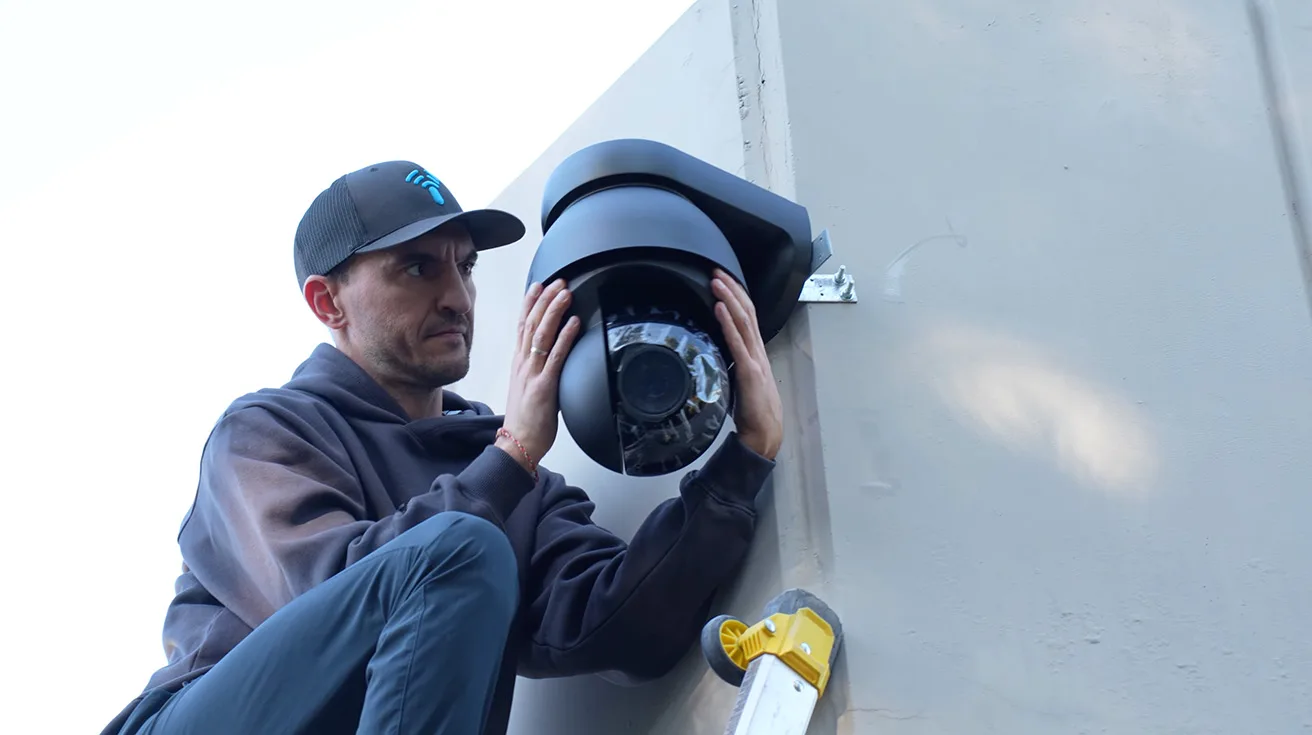
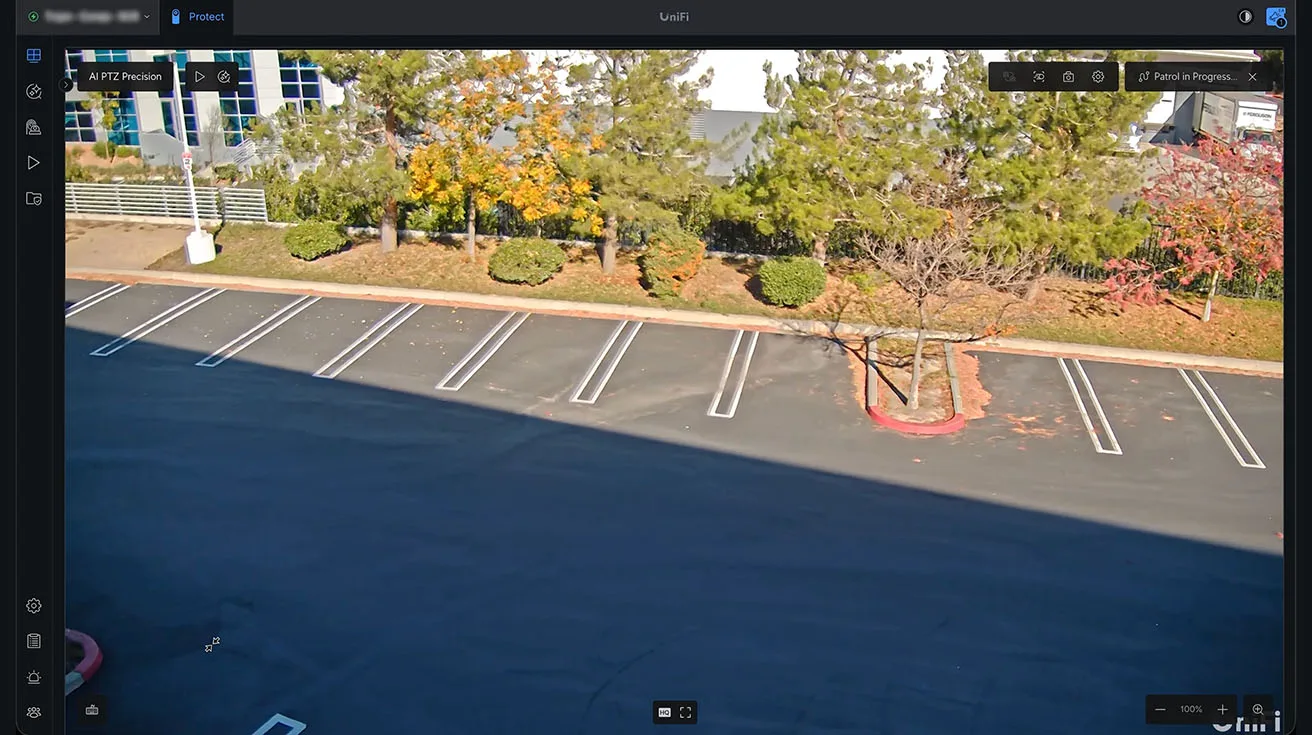
- UniFi AI PTZ Precision Cameras: Paired with the G6 Pro, the AI PTZ Precision is installed on each corner. While the G6 Pro acts as a stationary eye, the AI PTZ Precision operates in a patrolling mode, constantly scanning its assigned area. What makes this combination truly powerful is their communication: if a G6 Pro detects an object or person, it triggers the AI PTZ to automatically zoom in and track the subject, providing detailed video of any event. This intelligent auto-tracking feature significantly enhances situational awareness. You can dive deeper into the advanced features and setup of the UniFi AI PTZ Precision in this article: Ubiquiti UniFi Protect UVC AI PTZ Precision.
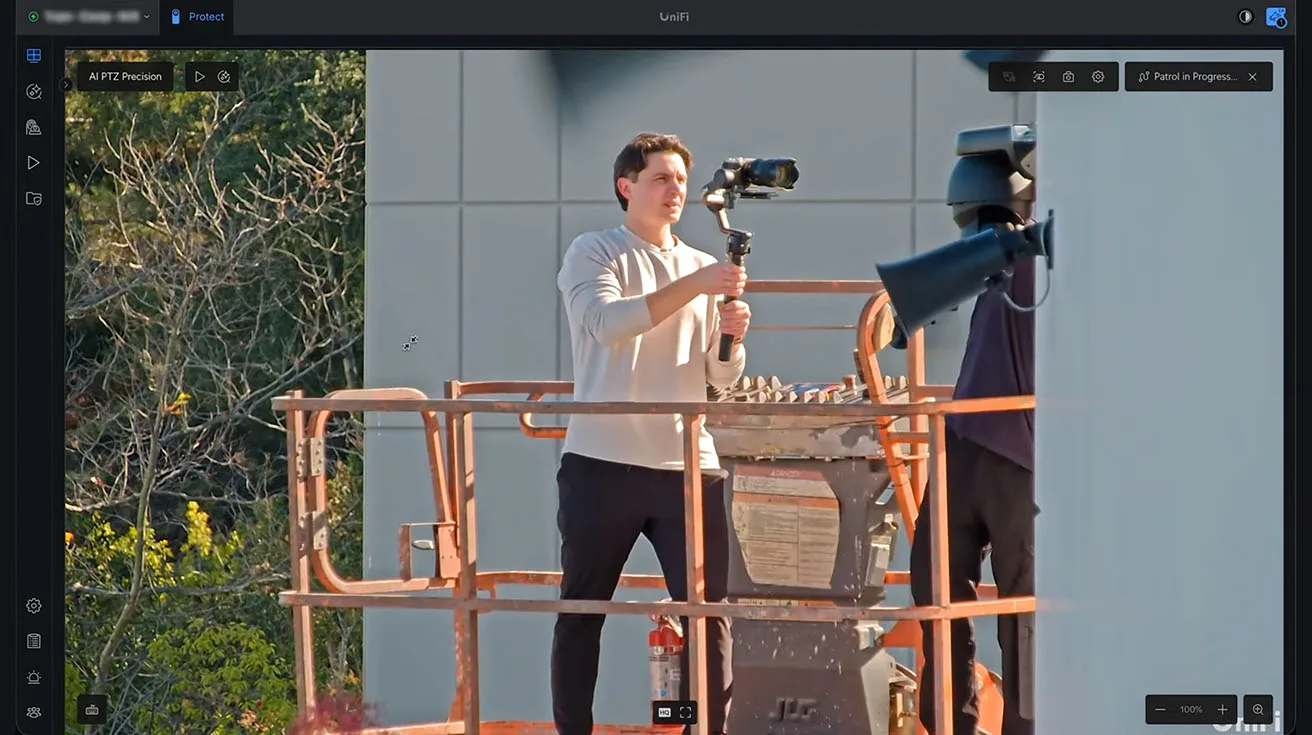
- UniFi AI Horns: Positioned as our active deterrence system, the AI Horns are centrally located within these perimeter zones. When an unauthorized presence is detected, particularly during specific hours (e.g., after 9:00 p.m.), the AI Horn can automatically trigger a siren, effectively scaring off potential intruders. This proactive approach is a game-changer for perimeter security.
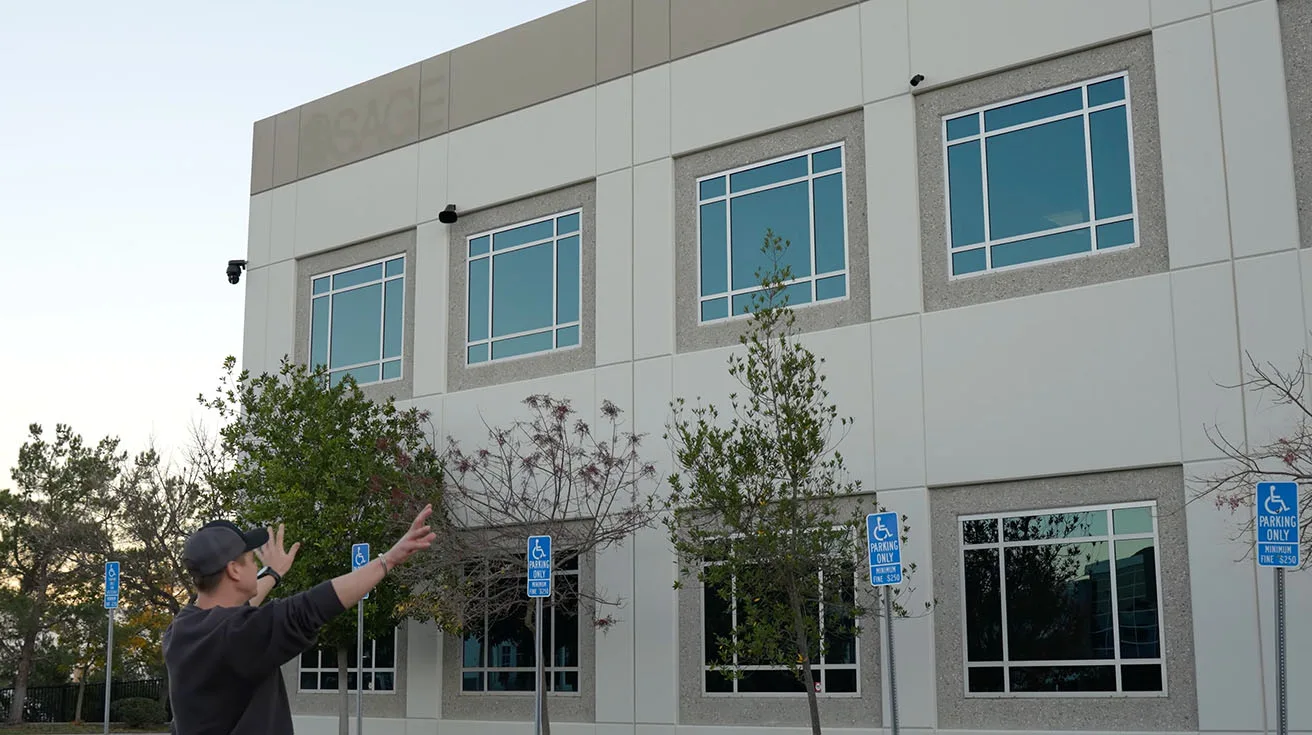
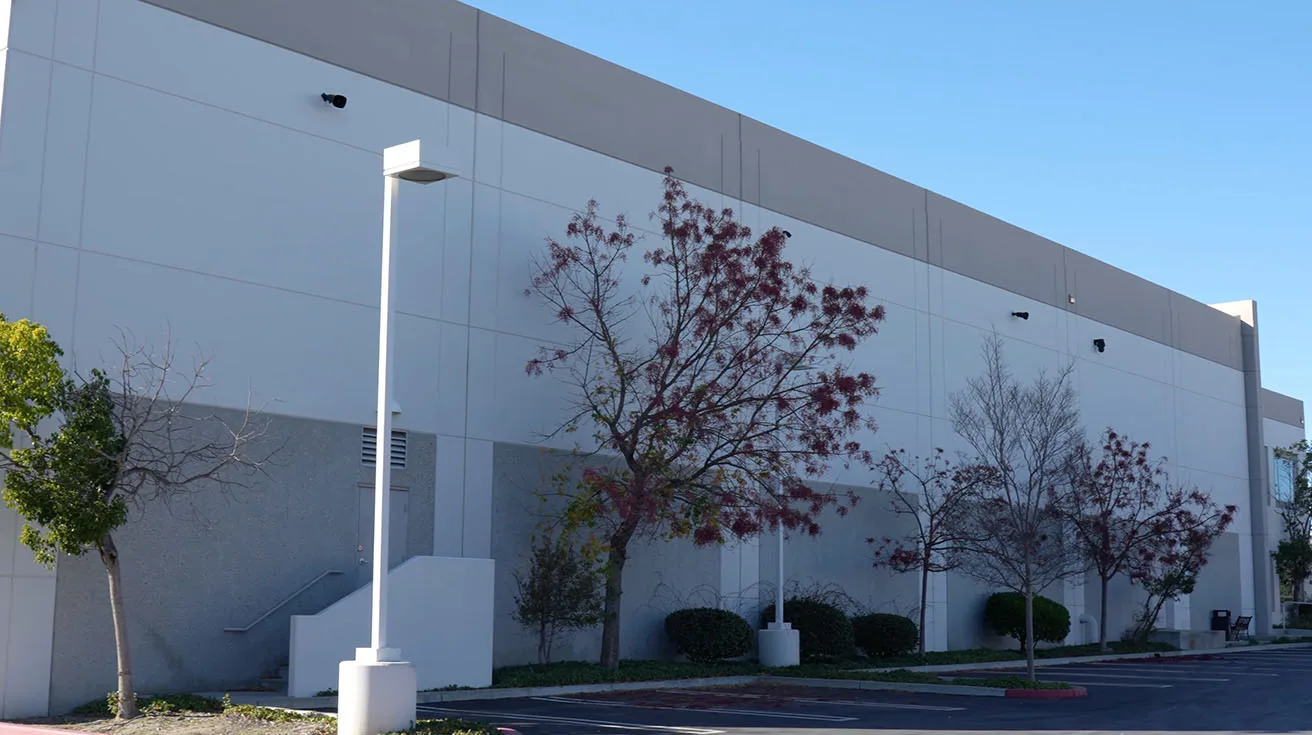
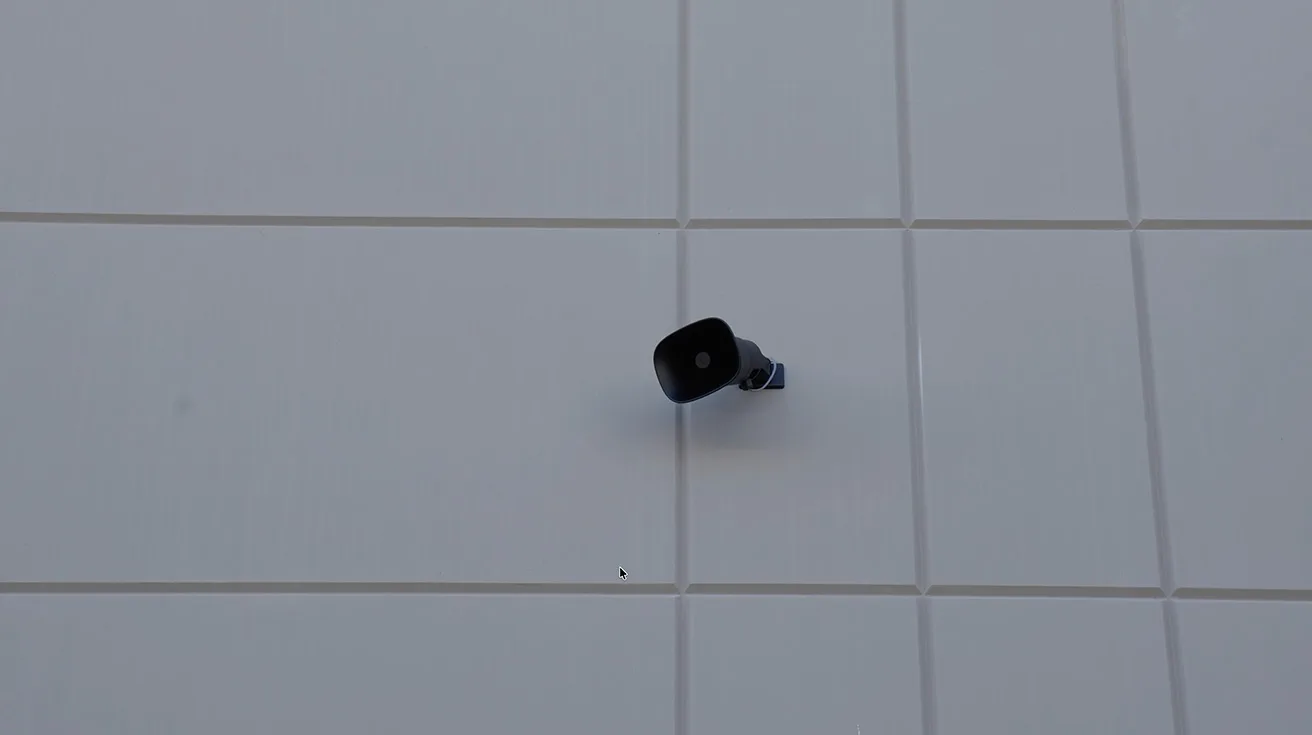
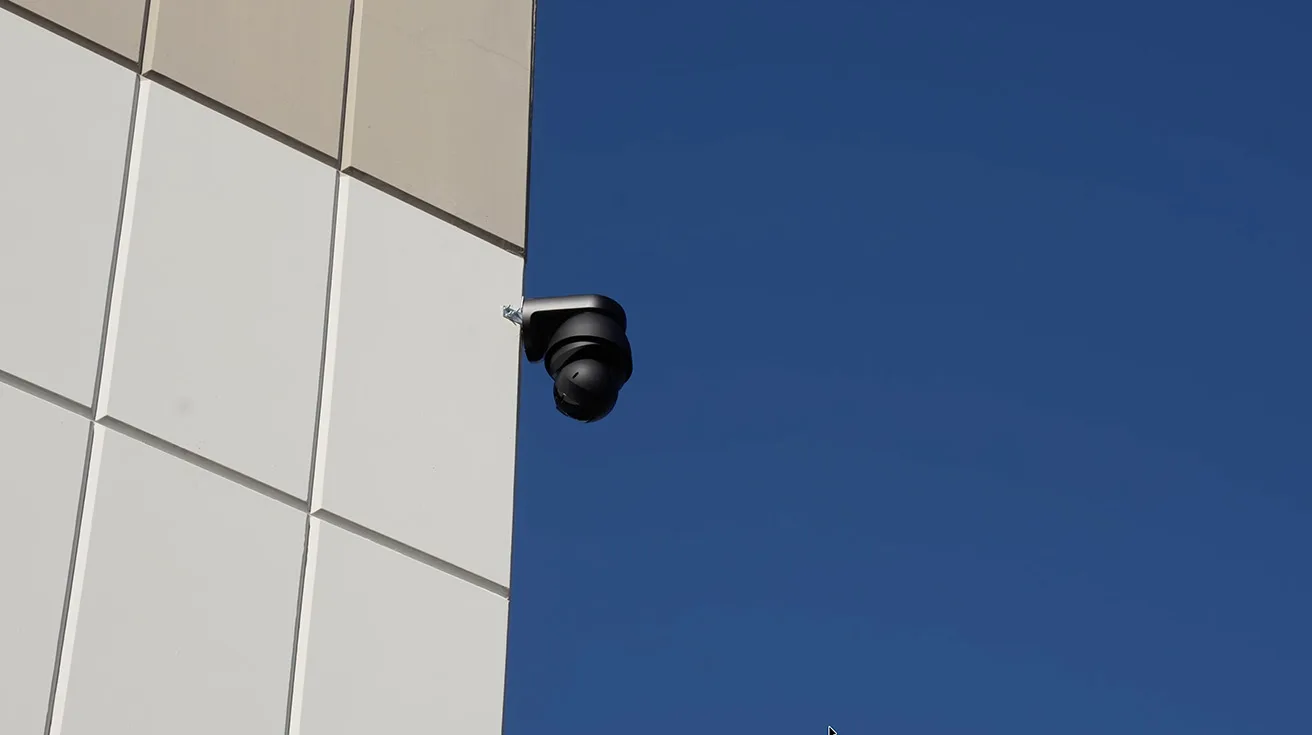

1 / 9
This setup ensures that we not only detect and record incidents but also actively respond to them, leveraging the integrated capabilities of the UniFi ecosystem. The synergy between fixed and PTZ cameras, combined with active deterrence, provides a robust and intelligent security blanket over the entire facility perimeter.
For those new to the UniFi Protect ecosystem and wondering how all these devices connect and are managed, our guide for beginners offers a comprehensive overview: Ubiquiti UniFi Protect Guide for Beginners. It covers everything from setting up your first camera to understanding event management and storage.
UniFi Protect Configuration: Zones, PTZ Presets, and Alarm Manager Orchestration
Configuring UniFi Protect involves more than just plugging in cameras. It’s about creating intelligent rules that automate responses and enhance security. Let’s look at how we set up the system for this warehouse, particularly focusing on the interplay between stationary and PTZ cameras, and integrating active deterrence.
We begin by establishing detection zones for our stationary cameras. This allows the system to monitor specific areas within the camera's field of view. For demonstration purposes, we created a broad zone covering the entire perimeter area, setting its sensitivity to maximum to ensure no activity goes unnoticed.
Next, we configure PTZ presets for the AI PTZ Precision cameras. This involves defining specific points of interest or patrol paths that the PTZ camera will follow or snap to when triggered. For our setup, the PTZ camera's default position provides broad coverage, ready to respond to alerts from the G6 Pro.
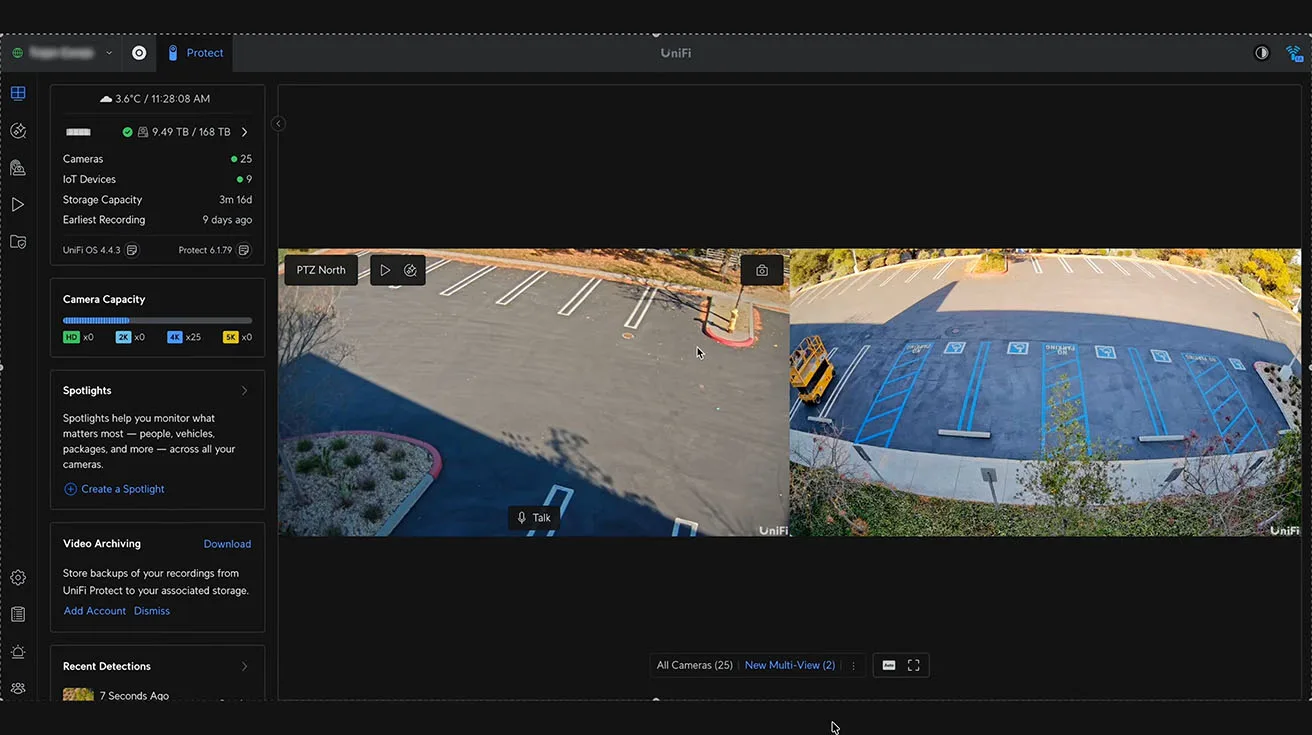

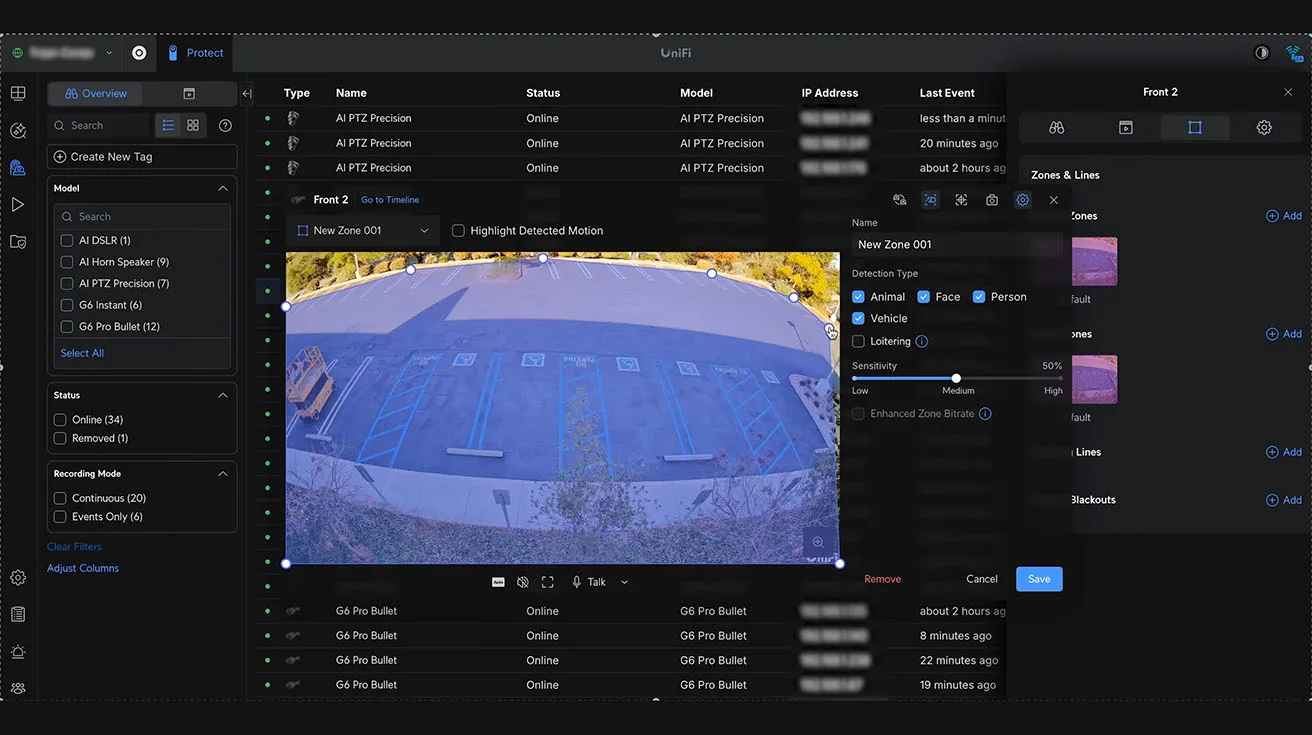
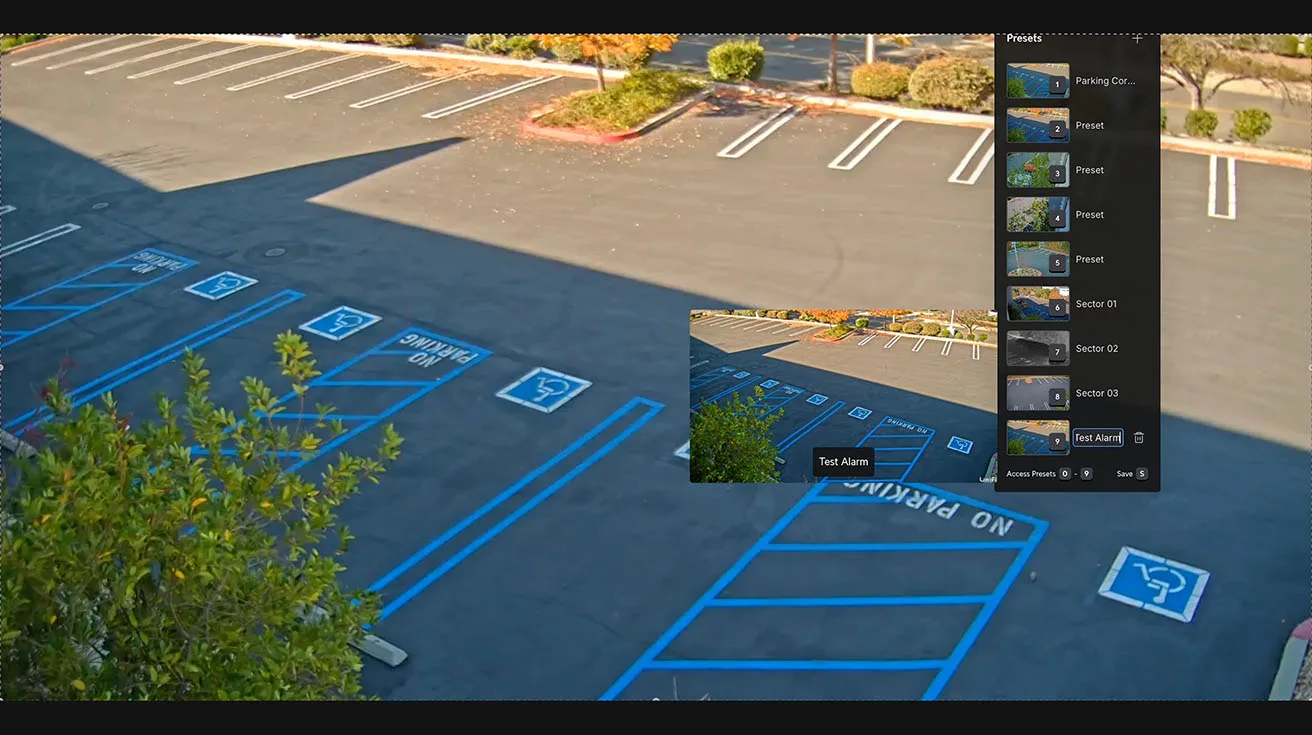

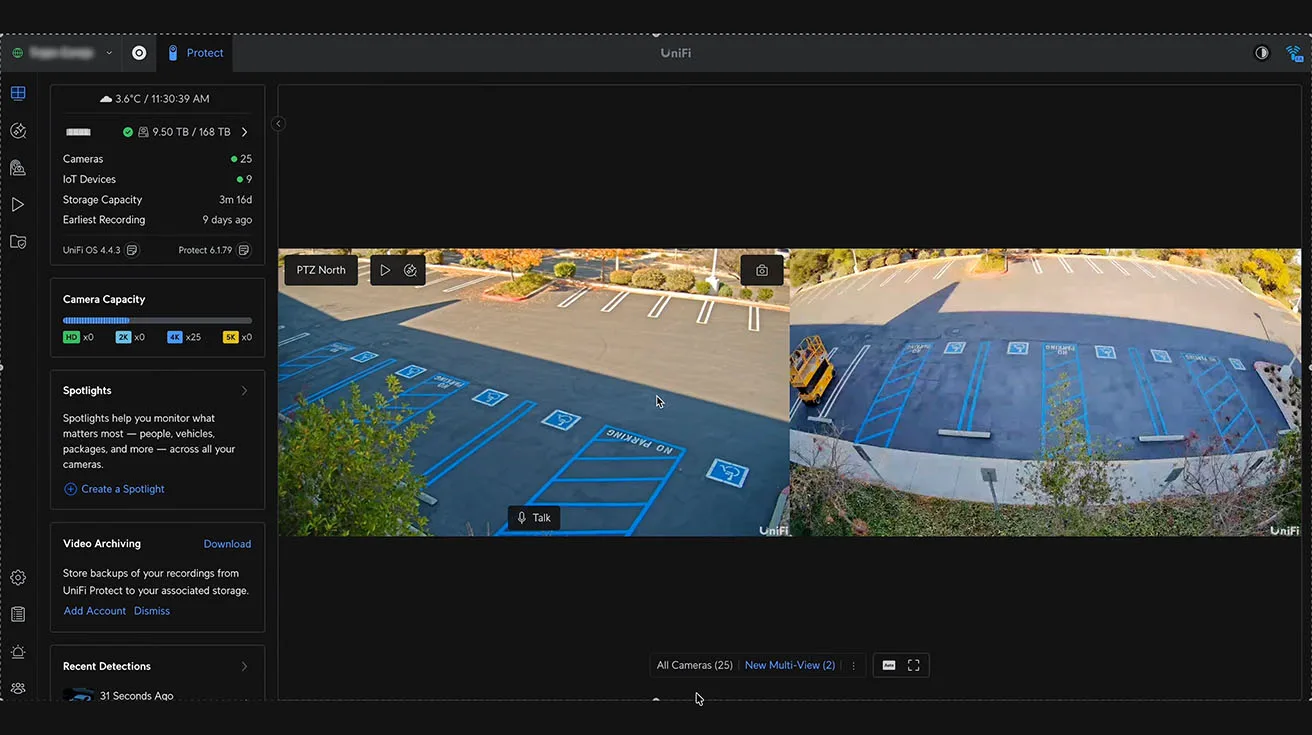
1 / 7
The real power comes from the Alarm Manager. This UniFi feature acts as the central orchestrator for security events. We create an alarm rule where the trigger is a "person or vehicle detection" from our G6 Pro camera within the defined zone. As for actions, we configure two immediate responses:
- The AI PTZ Precision camera is commanded to zoom in and track the detected object.
- The AI Horn activates a siren audio file, providing an audible deterrent.
This configuration transforms a passive surveillance system into an active defense mechanism, automatically responding to threats.
Field Test: Real-World Detection, PTZ Auto-Tracking, and Siren Deterrence
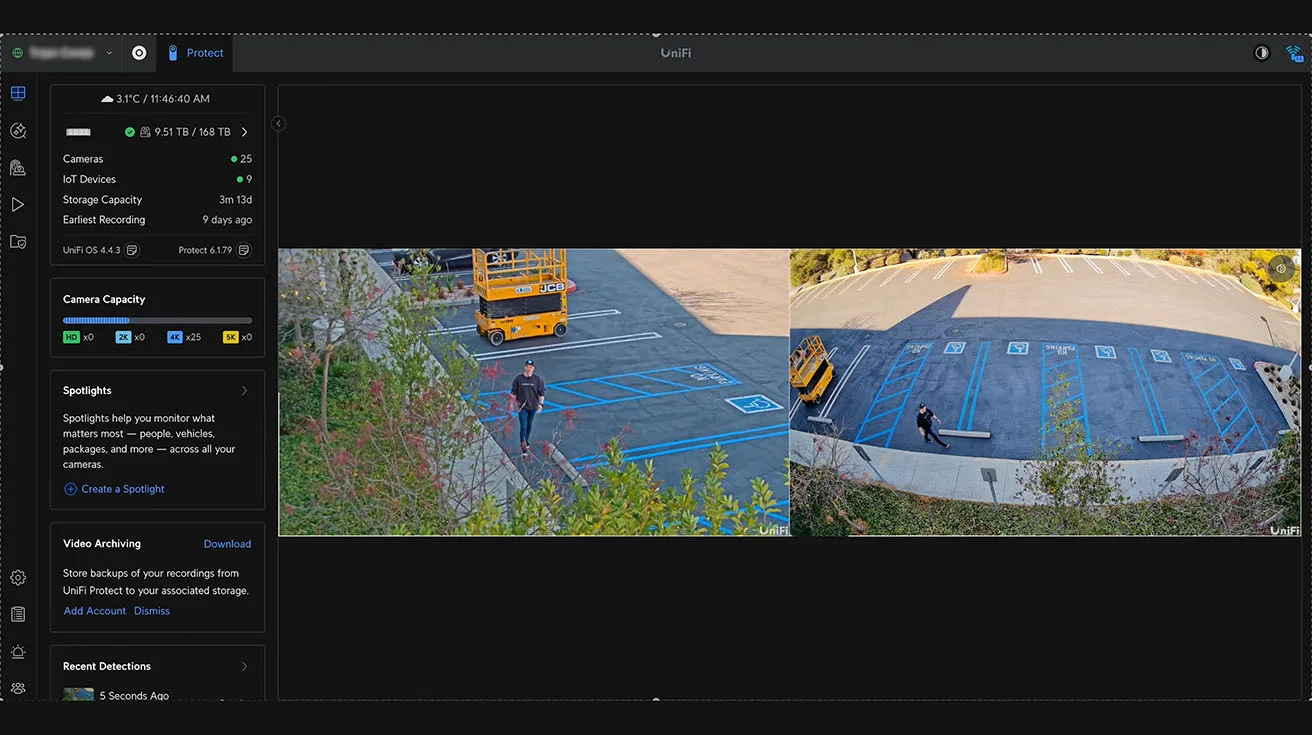
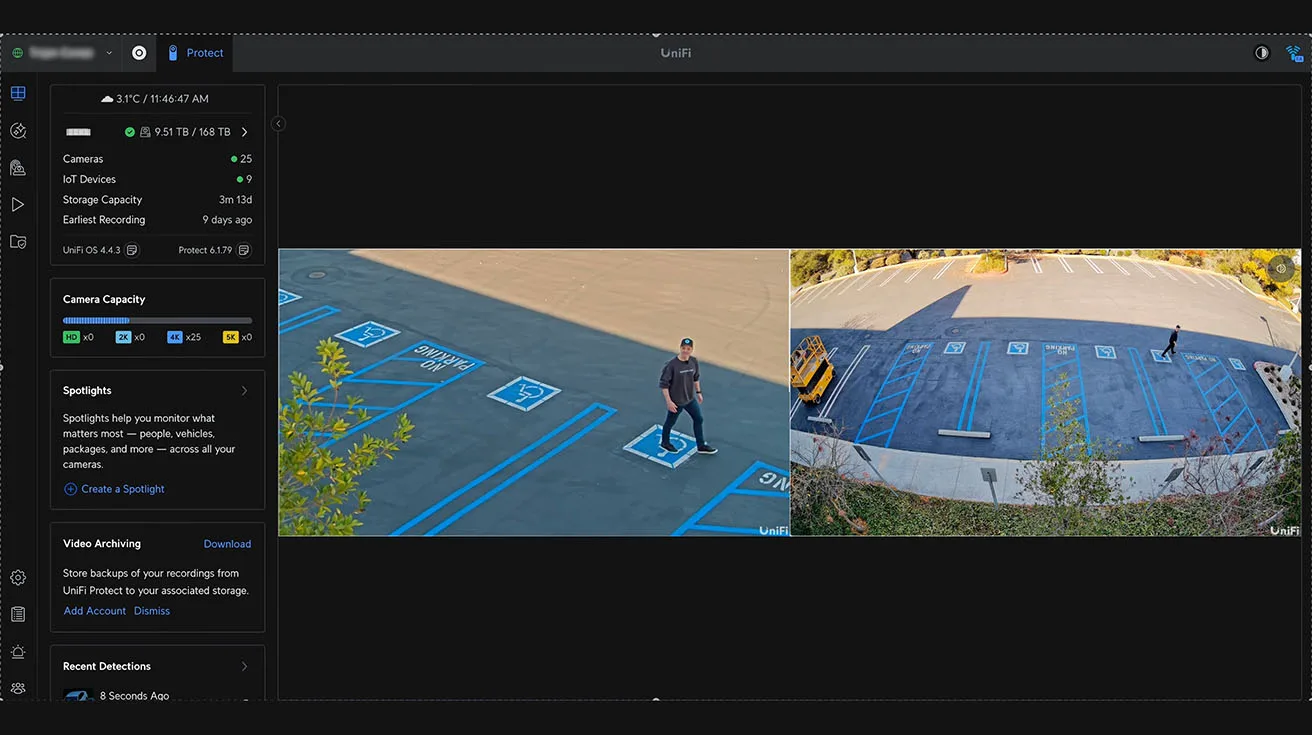
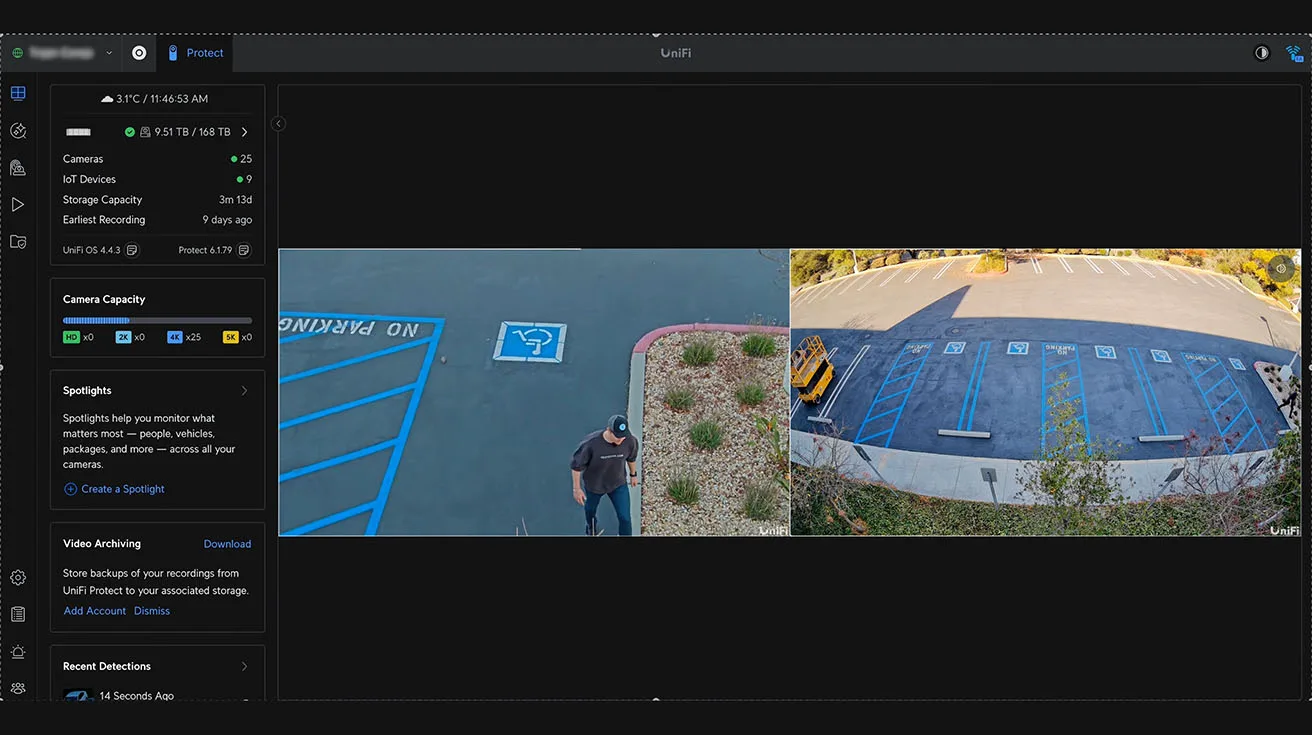
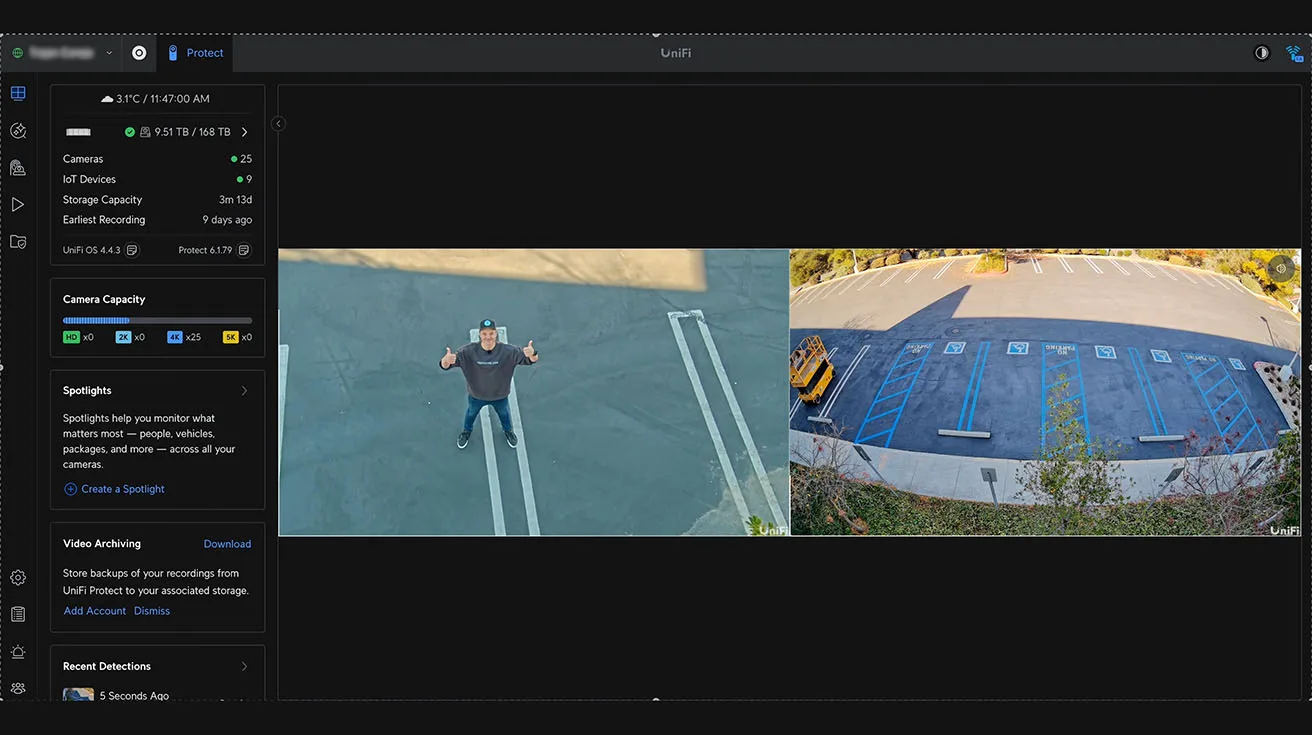
A system is only as good as its real-world performance. We conducted a field test to demonstrate the effectiveness of our UniFi Protect setup. Watch what happens:
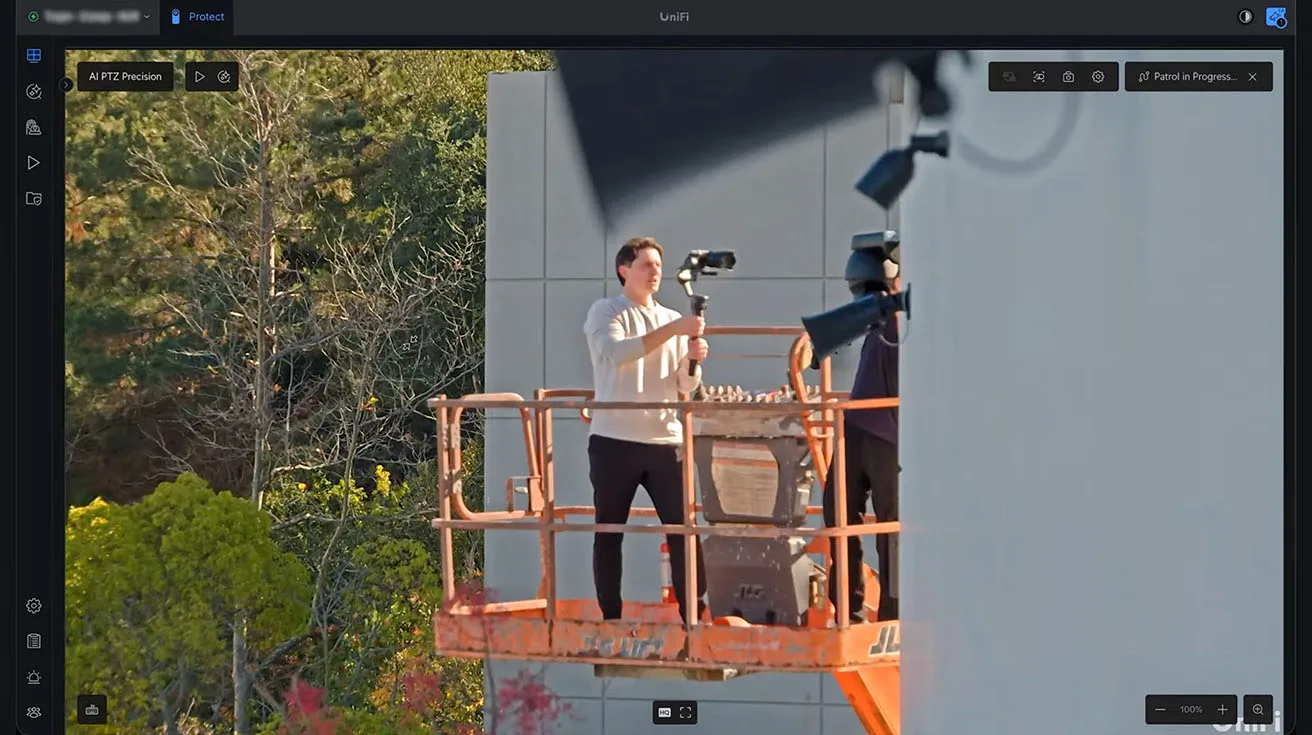
As I approach the designated zone, the G6 Pro camera immediately detects my presence. The Alarm Manager then springs into action:
- The AI PTZ Precision, which was initially pointing away, instantly turns and locks onto me, zooming in and following my movements across the detection area.
- Simultaneously, the AI Horn’s siren activates, producing a loud, attention-grabbing sound.
This real-time demonstration confirms that our integrated deterrent system works precisely as intended. The combination of visual tracking and audible alarm provides a powerful first line of defense, effectively scaring off potential intruders and alerting on-site personnel. This automated response is a critical component for large, unattended areas like a warehouse perimeter.
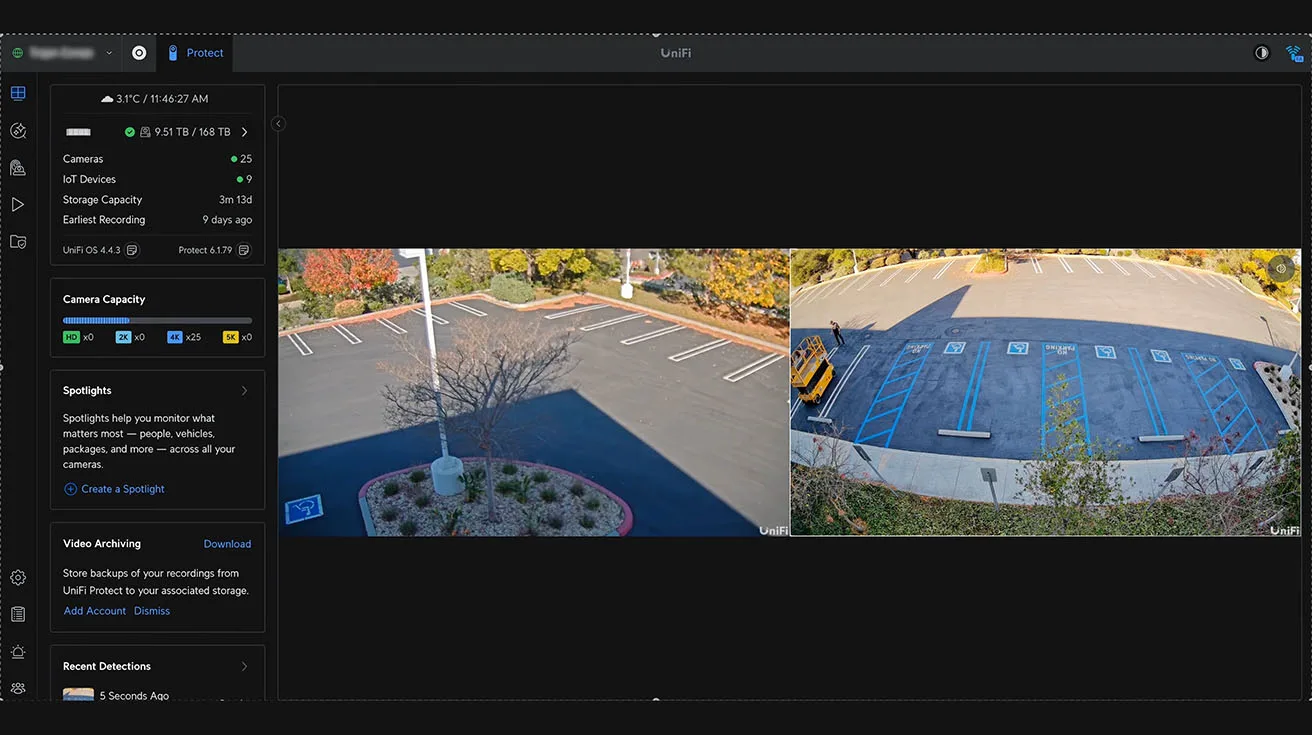
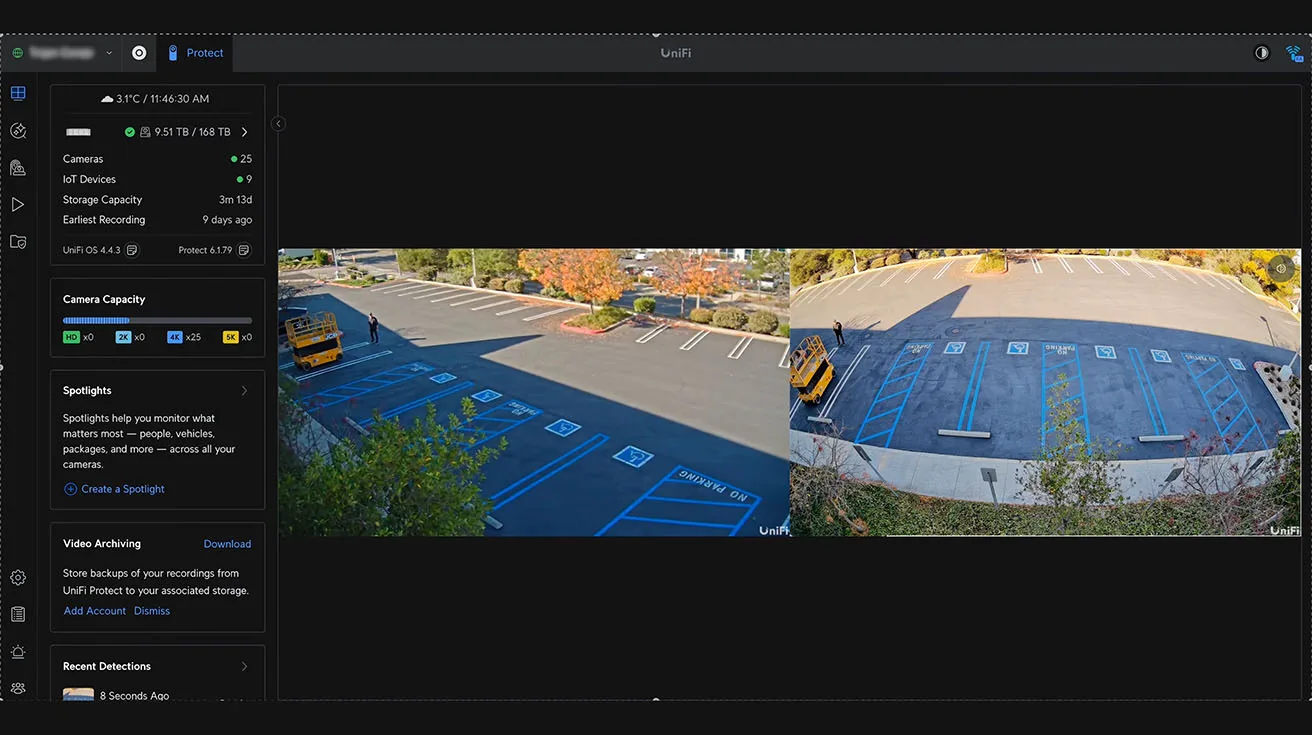
1 / 7
It's important to note that while we used an audible siren for this test, the same triggers can initiate other actions, such as sending webhooks to a third-party monitoring company. This capability ensures that security teams are instantly informed of any incidents, enabling rapid response protocols.
Phase 1 Wrap-up and Future Expansion: UniFi Access Control & Network Rollout
This project is a multi-phase endeavor. We’ve completed Phase 1 – the full deployment and configuration of the outdoor video surveillance system. You’ve seen how we leverage UniFi Protect's advanced features, from intelligent camera pairings to active deterrence, to secure the perimeter of a 77,000 sq ft warehouse.
In the upcoming weeks, we will move into the next phases, which include the full deployment of UniFi Access for the 15 doors and the comprehensive UniFi network infrastructure, ensuring seamless connectivity and management across the entire facility.
A Note on the Collaboration: Oleg Bordiian on the Value of Real-World Case Studies
This project marks a significant milestone, not just for YesTechie, but also for our partners at Pipl Systems. Oleg Bordiian, Founder and Creator at Pipl Systems, eloquently captured the essence of this collaboration in his recent LinkedIn post:
"This video is a truly special milestone for us.
During our trip to California, we filmed our first on-site project in the U.S. together with our client YesTechie, a UniFi Certified Integrator. We went directly to their real commercial site, where the YesTechie team was installing video surveillance, access control, and network infrastructure based on the Ubiquiti Inc. UniFi platform.
In this episode, we show not only the final result, but key fragments of the real process – parts of the installation, system configuration and a live demonstration of how the unified UniFi platform works on site.
This case study was created so YesTechie could share their work and experience with both their clients and industry peers, showcasing a real project, real challenges, and real solutions.
For Pipl Systems, this project also represents an important part of our business. It shows that we are ready to travel to our clients’ sites, work in real environments, and document real security installations.
We are open to working with both system integrators and security manufacturers. If there is a strong solution that brings value to the market, we are open to traveling across Canada, the U.S., and worldwide."
Source: Oleg Bordiian’s LinkedIn Post
This collaborative approach allows us to bring authentic, real-world deployments to a broader audience, demonstrating the practical application and value of advanced security and networking solutions.
About YesTechie (From My Perspective)
I’m Anton Kuznetsov, and alongside my co-founder Vladimir Chasovskikh, I lead enterprise IT, security, and automation projects at YesTechie Corp. We’re based in the Los Angeles metropolitan area, and we built YesTechie to solve exactly the kind of high-stakes, high-complexity deployments you see in this case: enterprise networks, AI video surveillance, access control, and automation that have to work reliably in the real world.
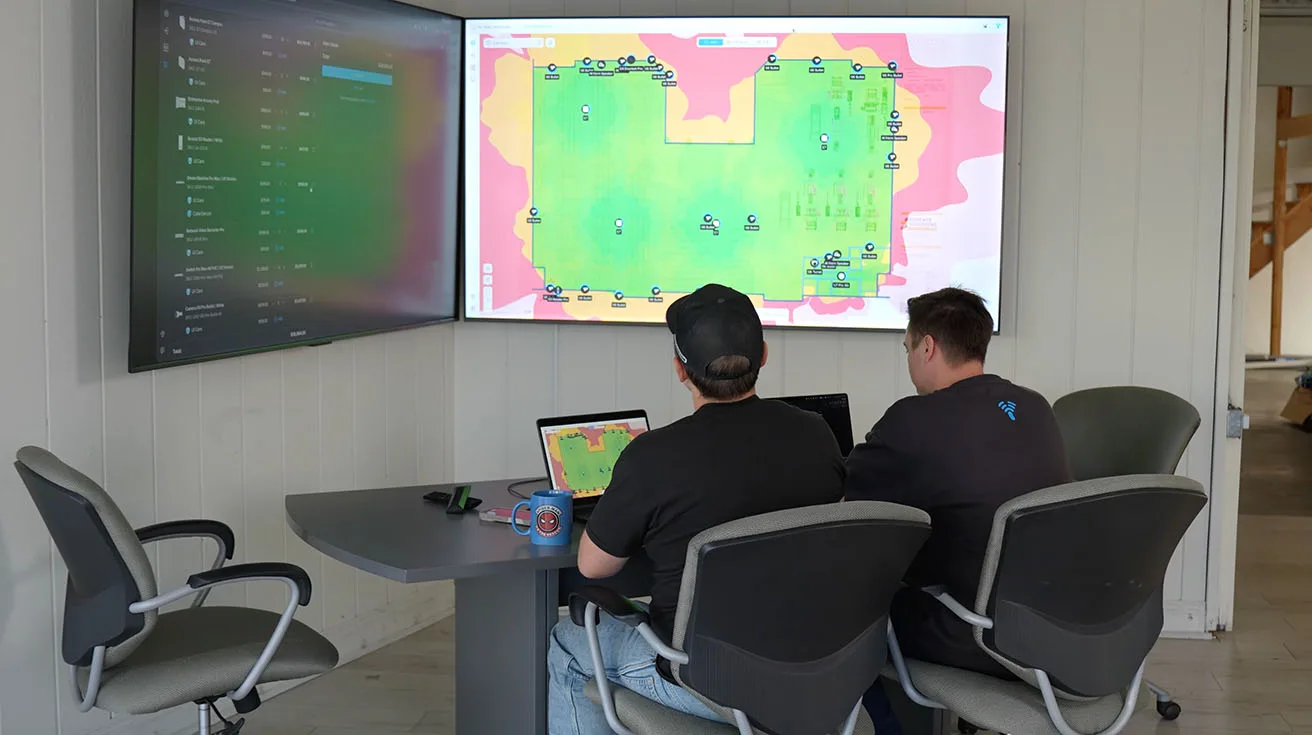
With over two decades of combined experience in IT solutions, Vladimir and I founded YesTechie with a shared vision aligned with Ubiquiti's approach: delivering fast-moving, cost-effective innovation that puts the user first, without unnecessary upsells. As certified Ubiquiti UniFi Integrators, we specialize in architecting and deploying comprehensive UniFi ecosystems for businesses of every scale across the United States. From robust wired and wireless networking to AI-enhanced physical security, advanced access control, and custom business automation, our goal is to transform complex requirements into seamless, scalable, and future-ready infrastructure.
We believe that today’s modern company can run its entire IT infrastructure on the UniFi ecosystem – integrating enterprise-grade networking, AI cameras, door access, security sensors with alarm management, VoIP, EV charging, and IoT automation, all managed from a single, license-free platform. This unified approach simplifies management, lowers total costs, and delivers faster results, which is why we’ve successfully deployed UniFi solutions for clients in demanding sectors like aerospace, defense, media production, manufacturing, and food processing.

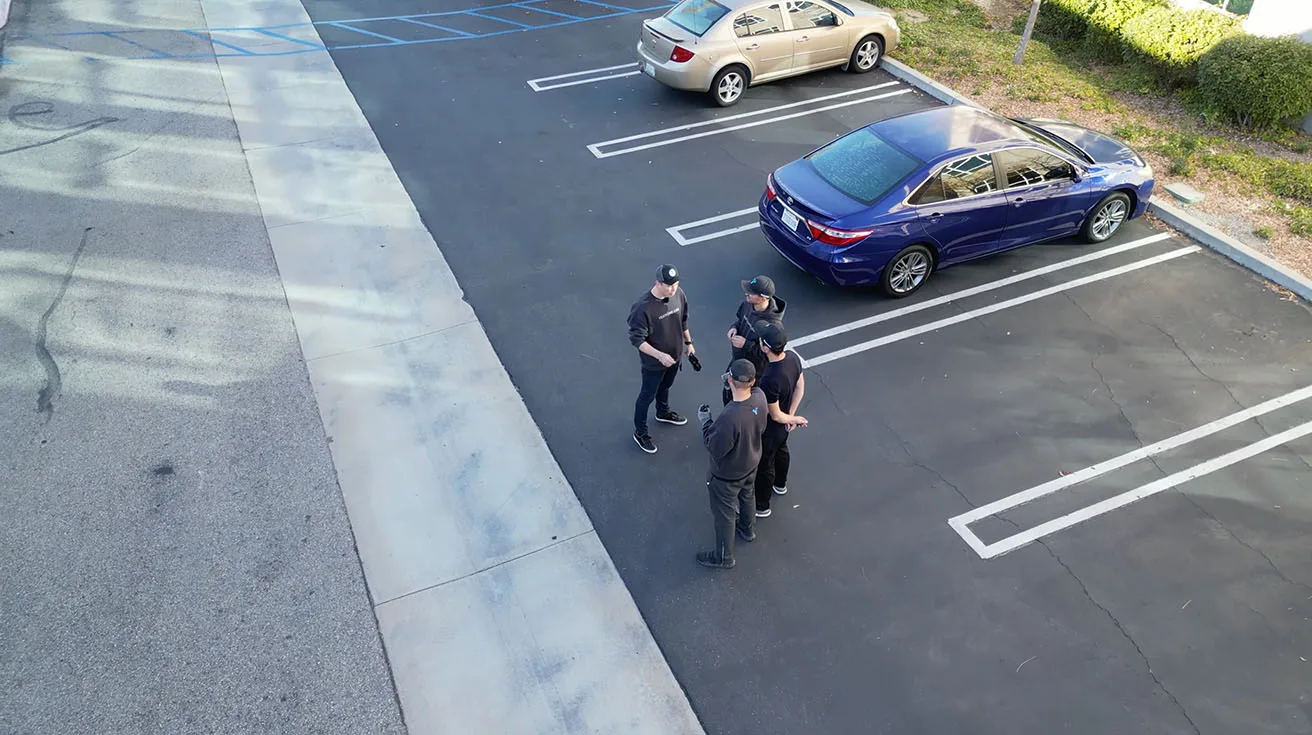
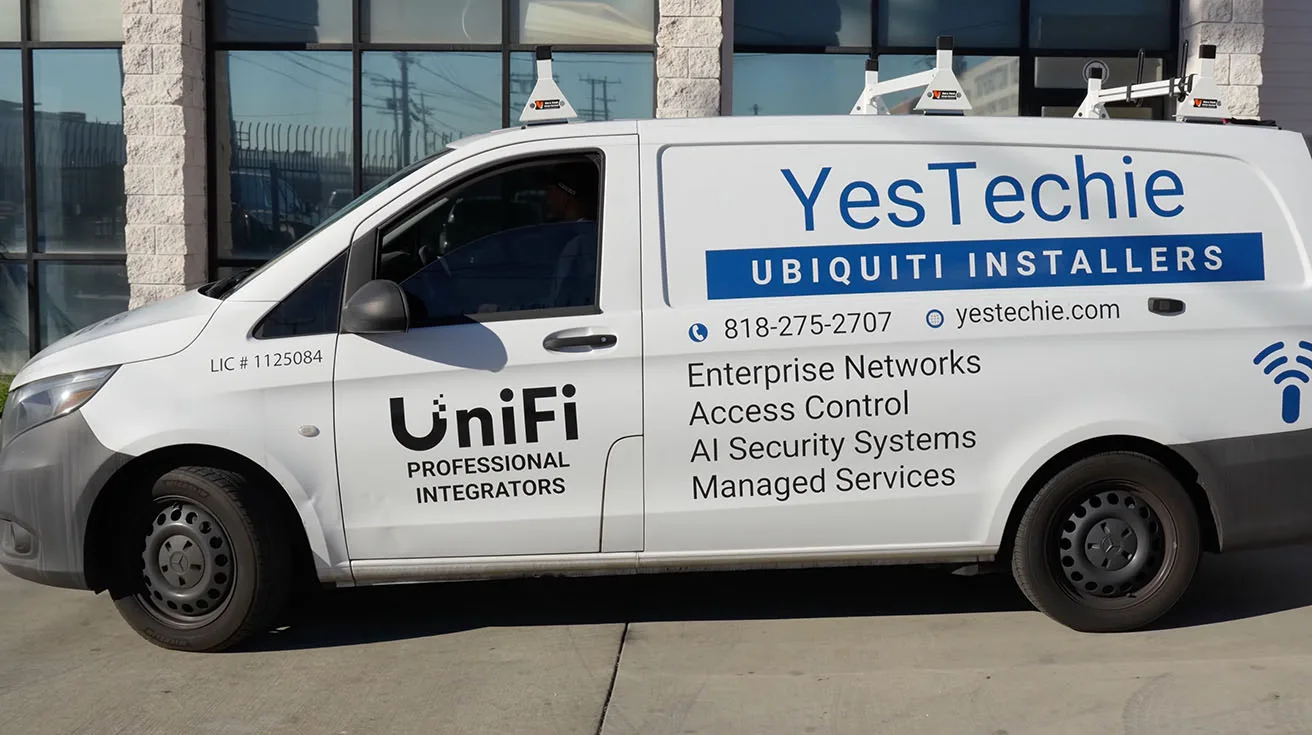
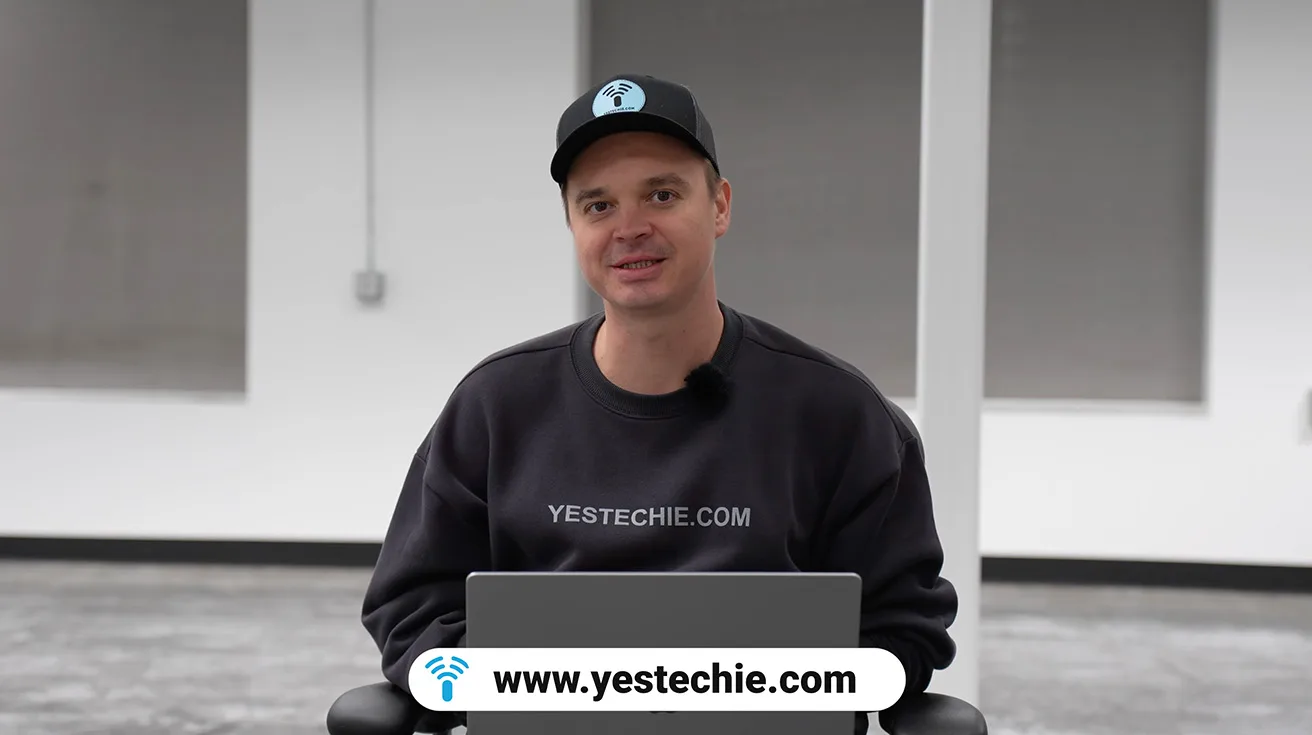
1 / 8
Our commitment extends beyond deployment. We rigorously test all new Ubiquiti equipment and features in-house and maintain direct communication with Ubiquiti engineers to ensure our solutions are always cutting-edge. As licensed C-7 low-voltage contractors in California, we pride ourselves on transparent communication, from the initial site assessment to a clear, itemized quote – no surprises, just a commitment to high standards and efficient execution. If you're considering a UniFi solution for your business, we invite you to reach out for a complimentary site assessment. Let YesTechie build a UniFi solution you’ll be proud of.
If you want to learn more about how we work or talk about a project, you can reach us here:YesTechie Corp - 14701 Arminta St, Unit A, Panorama City, CA 91402, USAPhone: +1 818-275-2707Email: support@yestechie.comWebsite: https://yestechie.com/Contractor license: C-7 Low Voltage Systems Contractor (CSLB) - License 1148851 LinkedIn: https://www.linkedin.com/company/ytechie/about/
Frequently Asked Questions (FAQ)
1. What are the main benefits of using UniFi for a large warehouse?
UniFi offers a unified platform for network, surveillance, and access control, eliminating licensing fees, simplifying management through a single interface, and providing advanced AI features for robust security.
2. How does UniFi handle active deterrence for perimeter security?
UniFi uses AI-powered cameras (like the G6 Pro) for detection, which then trigger AI PTZ cameras for auto-tracking and UniFi AI Horns to emit sirens, creating an immediate, audible deterrent.
3. Can UniFi Protect detect both people and vehicles?
Yes, UniFi Protect features advanced object detection that accurately distinguishes between people and vehicles, allowing for more precise alerts and automated actions tailored to specific threats.
4. What kind of recording retention does UniFi NVR support for large facilities?
For this project, the Enterprise NVR is configured to support a minimum of three months of continuous recording for all cameras, meeting specific client requirements for data retention.
5. Is the UniFi system scalable for even larger or multi-site operations?
Absolutely. The UniFi ecosystem is designed for scalability, supporting deployments from small businesses to large enterprises and multi-site operations. Its centralized management and robust hardware make it an ideal choice for expanding infrastructure.